DAMP & MOULD SPECIALIST
Damp and Mould Specialist Worcester Park
The cupboard smells musty, yet there is no obvious wet patch. Investigate the accessible evidence and surroundings before assuming it needs mould treatment or new storage.
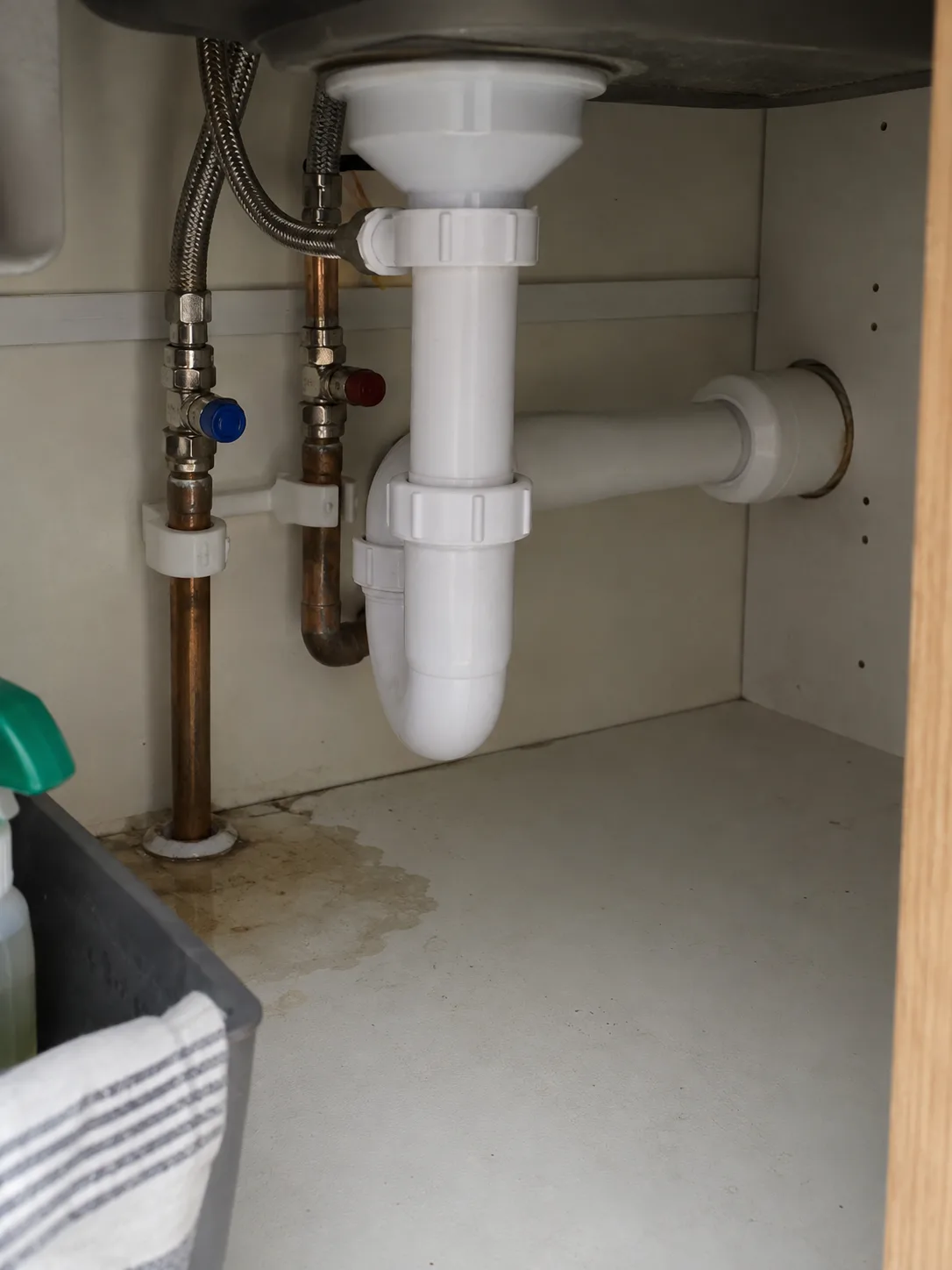
A smell without an obvious wet patch
If a cupboard in your Worcester Park property smells musty, start by describing what you can actually see. There may be spots on the back wall, damage to stored items or no clear surface mark at all. A smell is a reason to investigate, not a diagnosis of one particular defect. Restricted air movement, a concealed service and moisture entering the building are different possibilities that need context.
Photograph the storage arrangement and any affected items before clearing access. Note whether the cupboard adjoins an external wall, bathroom or known pipe route. Do not claim a hidden source merely because a bathroom is nearby, but include that layout information. Explain when the smell is strongest and whether it changes after rain, heating or use of a fitting.
Use the accessible evidence carefully
A damp investigation around the storage space follows marks on the cleared cupboard wall and checks the surrounding room surfaces for a related moisture pattern. The material, finish and layout affect interpretation. A lined back or fixed shelving may conceal the construction, and we should explain what remains unseen. One reading cannot establish every condition in an enclosed void.
If the pattern points towards a service, checks for concealed water sources can guide the next investigation. Temperature observations and moisture measurements may narrow attention, but they do not guarantee confirmation without access. If a concealed fitting or layer needs inspection, agree the question and useful location before any cupboard finish is removed.
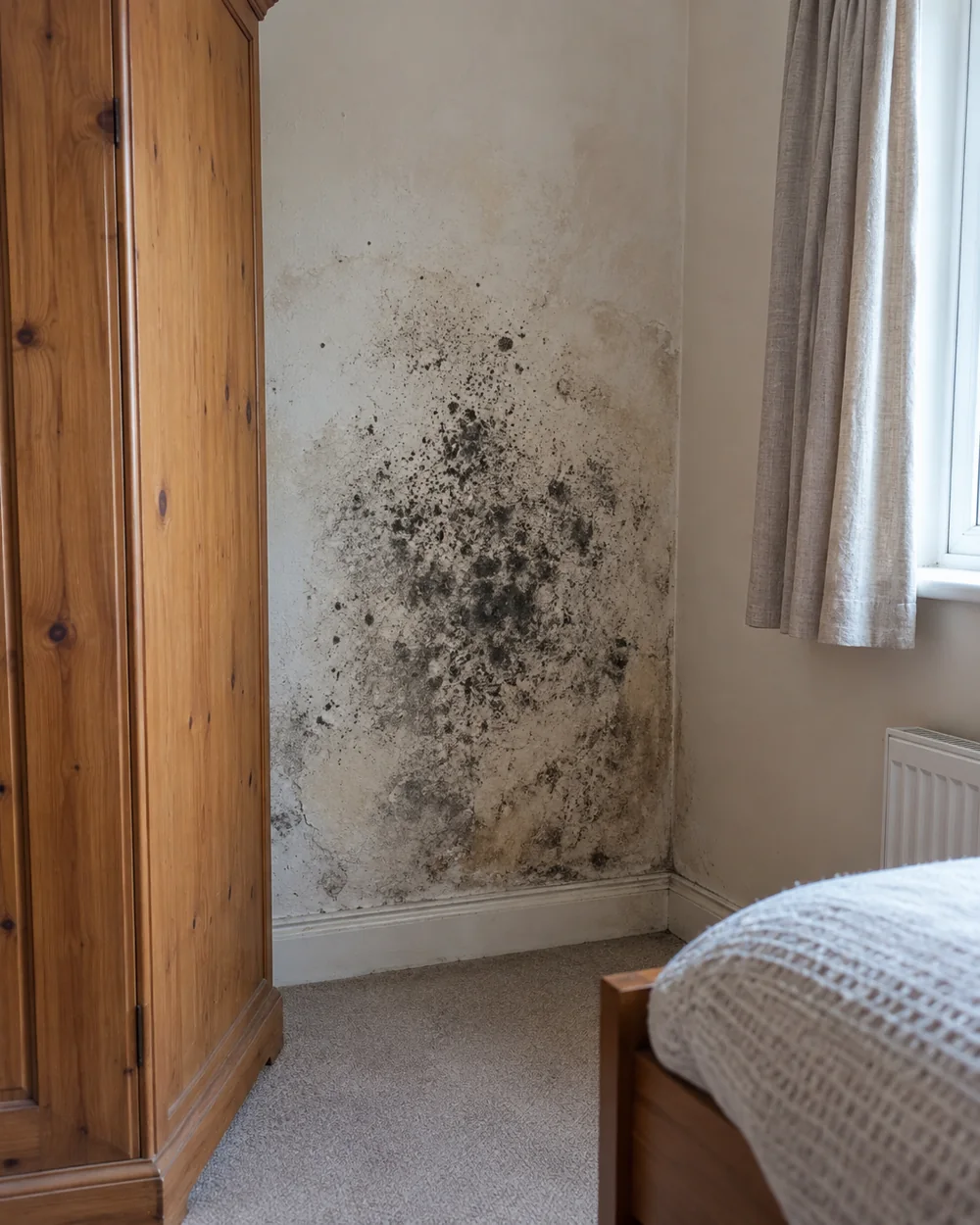
Storage can leave a cool wall isolated
Closely packed items and closed doors can reduce air movement in a recess. A review of condensation and airflow considers whether indoor moisture is collecting on cooler surfaces. Describe the usual contents and room heating. Clearing the cupboard just before a visit may change the visible arrangement, so original photographs help preserve that context.
If the concern varies with rainfall, assessment of external wetting routes may be relevant where access allows. The stain need not sit directly opposite the entry point. Keep records of any nearby external repairs and their effect. A cupboard’s enclosed nature does not excuse overlooking a plausible water route through the building.
Assess the wall and stored materials separately
Where growth is present, discuss mould treatment for the affected surface with its condition in mind. Damaged items or cabinet material may need separate attention. Check the rear wall and base before refilling the cupboard, noting any area that remains wet after the visible front has been cleaned. Repairs or moisture-control measures should be considered alongside treatment before the area is filled and closed again.
Tell us what cannot be moved
Fixed shelves, electrical equipment or services may restrict access. Describe them when arranging the visit and do not disconnect equipment or remove fittings simply to prepare. The scope should reflect what can be reached safely. If another person needs to provide access, make that arrangement explicit so the findings are not expected to answer questions about unseen material.
Inspect the same recess after the work
Once agreed work is complete, inspect the cupboard’s rear surface and stored items as well as the surrounding room, keeping comparable photographs. Note new marks, wet items and whether the smell changes. Keep a simple record of use and weather if the original issue was intermittent. A temporarily empty space can behave differently from one returned to dense storage, so review it under its ordinary arrangement.
Avoid replacing all storage and redecorating at the same time before the moisture plan is clear. Several simultaneous changes may make it harder to interpret improvement or recurrence. Record each relevant task and date. That gives a later discussion a useful sequence and avoids assuming that the most visible new finish solved a concealed source.
Mention nearby equipment that becomes warm or any known service route without assuming it explains the smell. Those details help establish the cupboard layout and possible access restrictions. The aim is a defined investigation of available evidence, with concealed questions stated clearly before the space is refilled.
PROPERTY & MOISTURE CHECKS
QUESTIONS BEFORE A VISIT
Useful questions
Does a musty cupboard always contain visible mould?
No. The smell may have several explanations, and visible growth may be concealed. It warrants checking the accessible condition without asserting a source before investigation.
Can packed storage affect airflow?
Yes, particularly beside a cooler wall. We consider the ordinary layout while also checking for leaks and external wetting where the evidence makes them relevant.
Should I remove fixed shelves before booking?
Discuss access first. Photograph the original arrangement and explain what is fixed. Further removal should be based on a useful inspection purpose and done appropriately.
Why inspect the room beside the cupboard?
Adjacent surfaces, fittings and moisture conditions may help explain the recess. A cupboard can conceal the symptom while the relevant source is elsewhere.
How can I tell if the cupboard has improved?
Check the same accessible surfaces under normal storage use and keep photographs. Record any return of marks or smell alongside work dates and relevant weather.
Nearby areas
Find what the cupboard is concealing
Call about the Worcester Park storage space, its layout and symptoms. We can discuss accessible checks before it is refitted.