DAMP & MOULD SPECIALIST
Damp and Mould Specialist Sutton
Some windows were replaced, while other rooms kept their original openings. Comparing the moisture patterns can help identify a home-wide condition or a concern local to one changed opening.
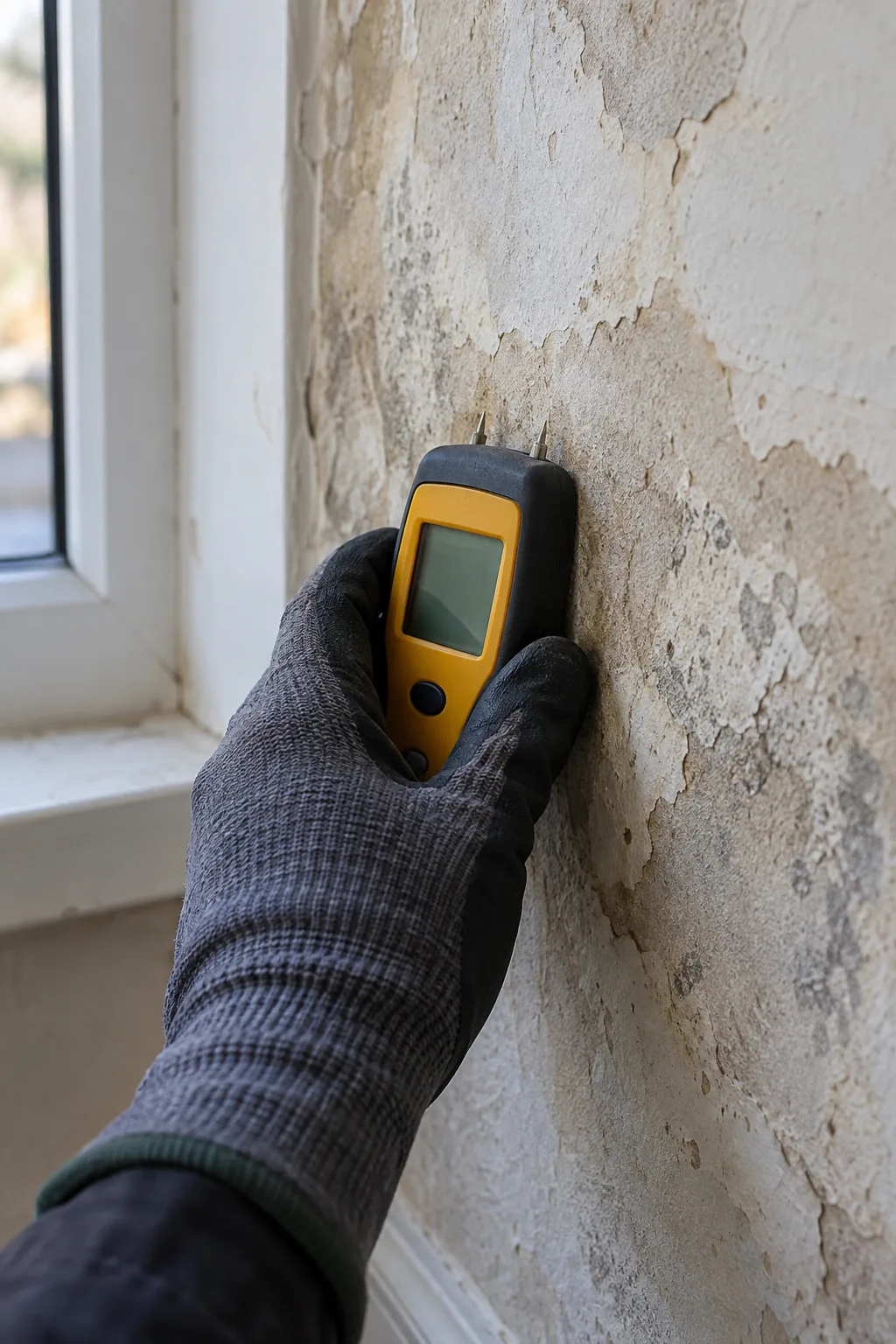
The timing matters, but it is not the diagnosis
If mould appeared after replacement windows were installed in your Sutton home, make a record of what changed. New openings may reduce draughts, ventilation details may differ and the reveal may have received a fresh finish. That sequence is useful, but it does not prove the installation caused every damp mark. The inspection needs to assess whether the symptoms involve condensation, water entry or another nearby source.
Include comparable observations from rooms whose windows were not changed. Record their use, heating and wet surfaces so differences in the rooms are clear; they are not a controlled experiment. Similar symptoms elsewhere may direct attention to the wider moisture arrangement. Marks confined to a changed opening may need closer local checks. Keep installation information and earlier photographs for both comparisons.
Look at the opening as well as the glass
Our assessment of mould around windows checks the new opening’s visible seals and reveal, then follows any growth or wetting onto the adjoining wall. Water on the glass is a different observation from a wet corner of plaster. Describe both separately. Curtains and blinds may affect the local air movement, but they should not become a convenient explanation for damage that follows rain.
A review of the room’s ventilation considers how moisture now leaves and how replacement air enters. A tighter room can need a different balance from its previous arrangement. We discuss heating, moisture production and cool surfaces together, then explain which change to the room’s moisture balance the findings support.
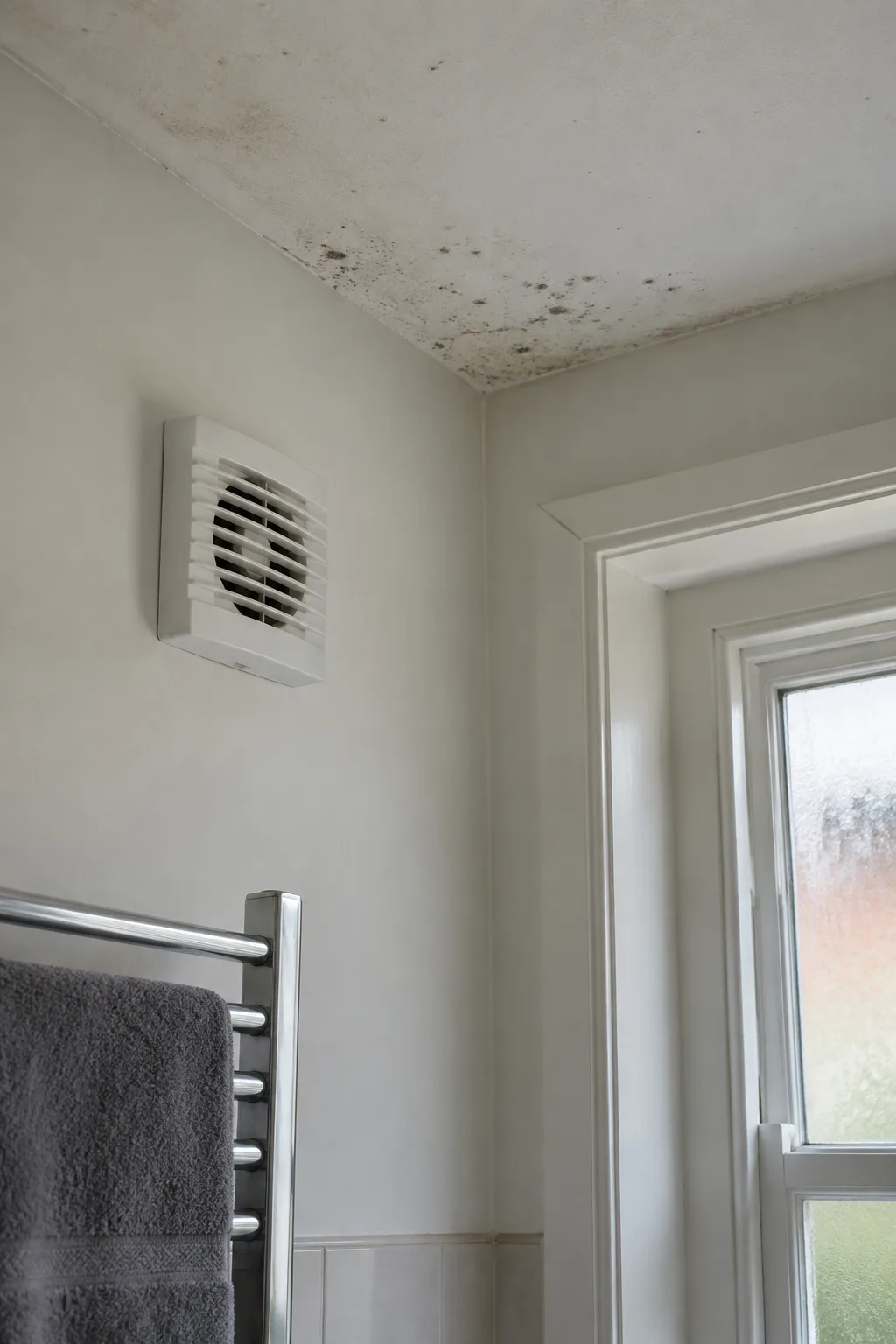
Do not call every new mark condensation
If the patch changes after wet weather, checks of possible external water entry may be relevant. Describe the outside access available so the relevant visible joints and opening details can be compared with the position of the stain indoors. Some concealed details cannot be judged from the room alone, and those limitations should be explained. A clear link between glass condensation and a wall stain should not be assumed without assessment.
For persistent damp extending beyond the opening, a wider moisture investigation helps compare materials and nearby surfaces. Readings need interpretation, particularly on recently finished plaster or lined walls. Tell us about plumbing, insulation or other works completed around the same time, because the window replacement may not have been the only relevant change.
Ask which evidence supports the proposed next step
Before commissioning remedial work, clarify what has been observed and what still needs confirmation. A ventilation change, external repair and surface treatment have different purposes. If mould needs removal and treatment, plan that work with the repeated wetting in mind. Cleaning should not be presented as resolving an installation detail that has not been examined.
Keep installation and household records separate
Keep product paperwork available to identify the intended components, and tell us about the actual ventilation points and finishes now present in the room. Household observations explain when wetting occurs but do not by themselves establish a defect. Both can help an inspection when clearly identified. If you contacted the installer, provide the visit date, opening checked and repairs performed, including any question they left for another assessment.
Judge changes under ordinary occupation
After agreed measures, compare the same opening through normal room use and the conditions that previously caused wetting. Note whether the glass clears, the reveal dries and new growth appears. A change in one sign may not settle the other. Preserve any new staining before adding another coat of paint so a continuing source can be investigated sensibly.
If temporary ventilation or portable equipment has changed the room since the complaint, tell us when it started. The conditions on the visit may differ from those that produced the first marks. Recording that context avoids treating a temporarily dry room as evidence that the concern was unfounded, or a temporary improvement as proof that every cause has been resolved.
If the installer left an assessment note, include it with the original complaint. Its scope matters: a check of a frame is different from a review of room ventilation. Keep the installer’s findings and the room-ventilation question separately in the record so the moisture visit can focus on the part still unresolved.

PROPERTY & MOISTURE CHECKS
QUESTIONS BEFORE A VISIT
Useful questions
Do sealed windows automatically cause mould?
No. Moisture production, ventilation and surface conditions need considering together. The change may be relevant without explaining every damp mark or proving an installation defect.
Are unchanged rooms a useful comparison after window replacement?
Yes, with their different use, heating and layout recorded. The comparison adds context rather than proving the cause; inspection should explain whether the pattern supports a home-wide moisture concern or further checks at one opening.
Can new plaster affect assessment?
The material and its recent history matter when readings are interpreted. Explain when finishes were applied and whether earlier photographs show the original damage.
Should I ask the installer to reseal everything?
Establish what needs attention first. An unplanned repair can obscure evidence without addressing condensation or a water route elsewhere in the construction.
What if only the reveal remains damp?
That distinction is useful. Record when the reveal stays wet after the glass clears. That pattern helps decide which wall or opening checks should follow the condensation assessment.
Nearby areas
Understand the change before another expense
Call about the Sutton windows, when the mould appeared and what else was altered. We can discuss a focused inspection.