DAMP & MOULD SPECIALIST
Damp and Mould Specialist Mitcham
The machine has been attended to, yet the wall beside it remains wet. Find out which part was checked before assuming the appliance or surrounding connections have been ruled out.
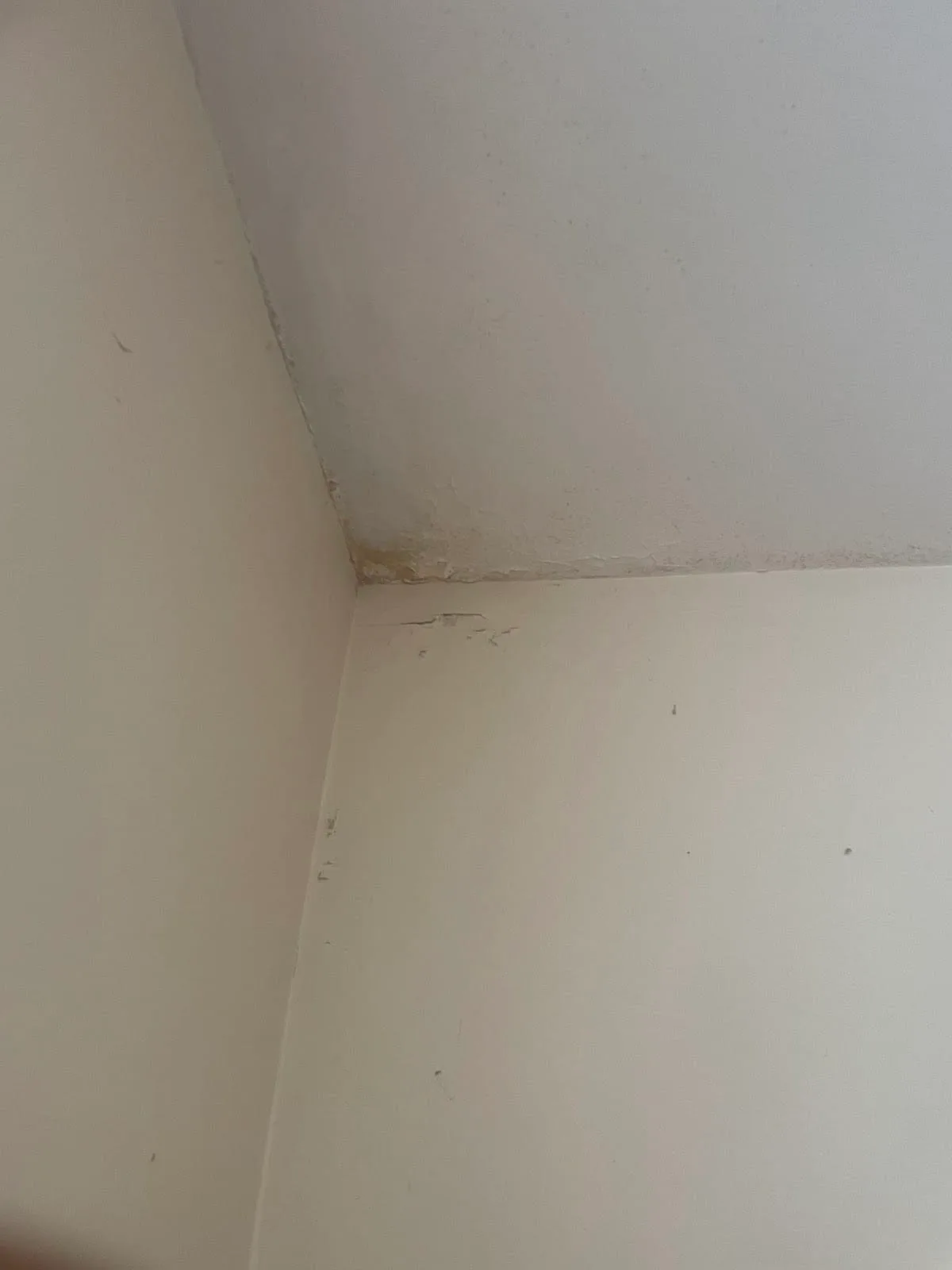
Separate appliance service from fitting investigation
If damp persists after washing-machine work at your Mitcham property, obtain the actual service description. Was the machine examined, a hose changed or a supply or waste connection checked? These tasks provide different evidence. A statement that the machine now operates normally may leave the wall’s water source unanswered.
A moisture investigation of the remaining wall damage can start with that scope and the current pattern. Tell us what changed before and after the visit. The assessment should identify which source question remains, using the completed work as evidence without treating it as a check of every concealed connection.
Record what happens during ordinary laundry use
Note whether wetting follows a wash, drainage or drying activity, and whether it continues during periods without appliance use. Photograph the wall and floor junction from the same position. Include new swelling or peeling finishes separately from an old stain. The sequence guides the enquiry but cannot name a defective fitting on its own.
Do not run deliberate water tests or move a connected machine merely to reproduce the patch. Describe the observations you already have and report fresh escaping water promptly to the person arranging repairs. If the machine was removed or disconnected during earlier work, state that date because it changed the conditions around the affected area.
Identify the surrounding connections still needing a view
Supply, hose and waste arrangements may sit behind the appliance or adjacent units. Share any photographs taken when the machine was out. They can show the route then visible without proving its present condition. Checks of a possible concealed laundry water route may help narrow the concern, with further fitting examination sometimes needed for confirmation.
Explain which connections can be reached and who can arrange appropriate appliance movement if justified. An access request should name the particular area and question. Keep its purpose distinct from another general machine-service booking, especially if the remaining uncertainty lies in a connection or wall surface outside the earlier service scope.
The wall can have a separate moisture contribution
A utility or kitchen wall may also be affected by condensation, outside water or a neighbouring source. Damage that predates the present machine is relevant history. Record rain-related changes and any growth away from the main wet patch. Those signs should not disappear from the enquiry merely because an appliance stands nearby.
Assessment of the room’s fittings and moisture conditions can consider the wider arrangement. Tell us about extraction, indoor drying and normal door use. The findings should separate any airborne-moisture contribution from a supported fitting concern, giving each its appropriate next step.
Use any newly exposed wall before it is covered
If a contractor will already move the machine or remove a panel, discuss that stage before the damp assessment. A view of the affected backing or floor edge may add useful evidence. Agree permissions and appropriate work arrangements, retaining photographs of what was exposed and what remained hidden.
The material being tested matters when readings are interpreted. A damp cupboard board, plaster surface and floor covering are different observations. Ask the findings to identify the accessible extent and any concealed layer still needing examination. Do not replace plaster solely because a nearby appliance has been serviced and the patch remains visible.

Make the next task answer the remaining question
Treatment of growth near the laundry fittings should consider the surface condition and source findings. It addresses affected material within scope; it does not test the appliance or repair a connection. Any source repair and material reinstatement need their own place in the work sequence.
Give the relevant observations to the person dealing with fittings or equipment. Keep the service scope, moisture findings and repair records together. Before the machine or new units conceal the wall again, ask what was confirmed and what still needs a check. A precise next task is more useful than replacing another appliance without understanding the surrounding water route.
PROPERTY & MOISTURE CHECKS
QUESTIONS BEFORE A VISIT
Useful questions
Does a working washing machine rule out damp from its connections?
No. Appliance operation and the condition of surrounding supply or waste fittings are different questions. Ask which parts the earlier visit actually examined.
What should I request from the appliance service contact?
The work completed, observations and any fittings or routes outside the scope. Keep those details with the wall photographs so a later check can address the remaining question.
Must the machine be disconnected for a damp inspection?
Discuss the accessible area first. If movement is needed, arrange an appropriate person and a defined purpose; an initial enquiry should not assume disconnection is required.
Could the stain remain after a connection was repaired?
Yes. Old damage and current wetting need distinguishing. Record new changes separately and provide the repair details for interpretation of the affected material.
What if the wall was marked before this machine was fitted?
Include that history. It helps avoid attributing the entire concern to the current appliance and keeps other moisture routes within the investigation.
Nearby areas
Clarify what was checked before another appliance decision
Call about the Mitcham wall with the service record and wetting pattern. We can discuss a focused assessment of the question the earlier work left open.