DAMP & MOULD SPECIALIST
Damp and Mould Specialist Colliers Wood
A wet cupboard base can hide a larger moisture route. We look at the accessible fittings, adjoining surfaces and damage pattern before deciding what needs opening or repairing.
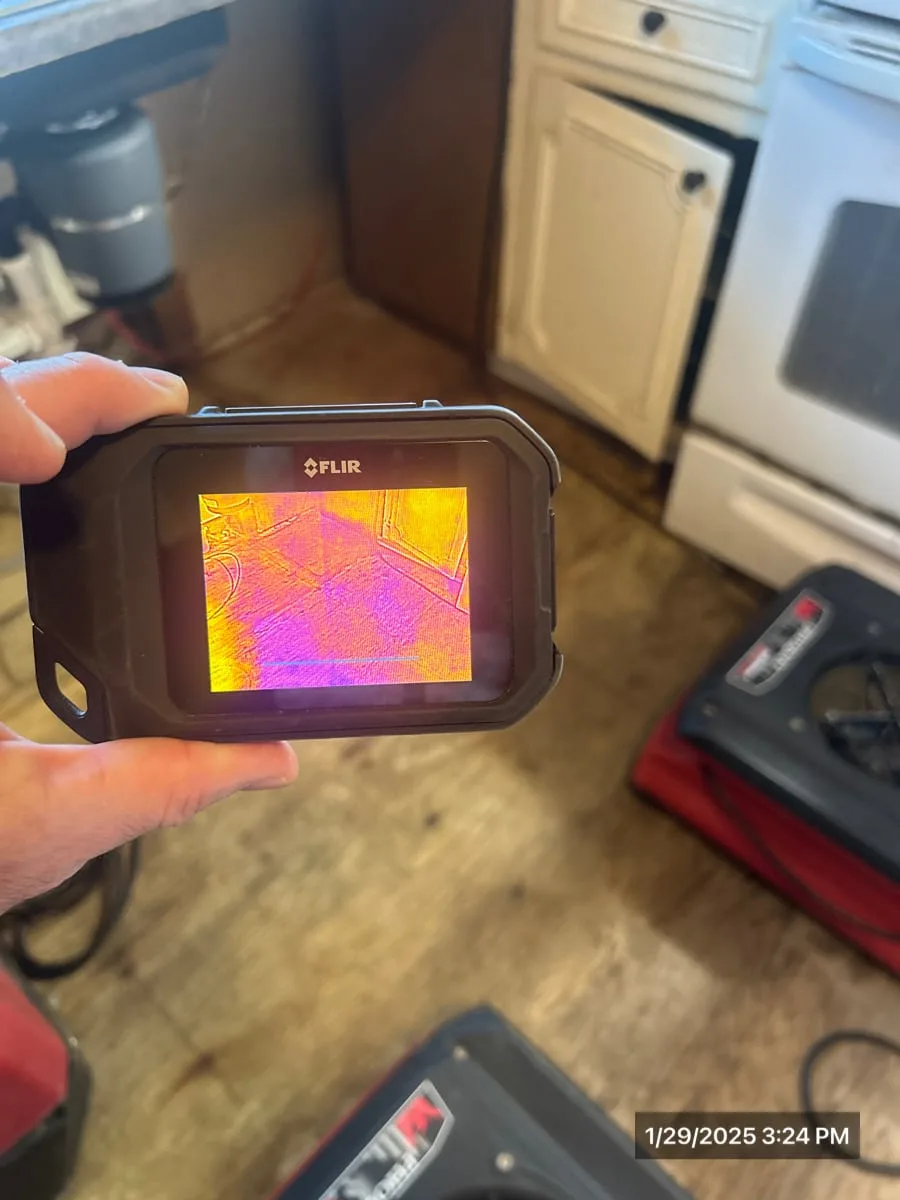
The fitted kitchen can conceal the wall
If damp has appeared at the base of kitchen units in your Colliers Wood property, the fitted layout shapes the assessment. A cupboard back or plinth may hide pipework, the wall and parts of the floor. Water may have travelled from a concealed connection before collecting at that visible edge. Identify the nearest sink, appliance and outside wall, but do not assume the closest fitting is automatically responsible.
Tell us whether the affected unit backs onto a bathroom or contains a waste pipe. Note when the kitchen was installed and any recent appliance replacement. Drawings and accessible installation photographs can clarify concealed routes. Let us know which panels are designed to be removed and who can provide that access when the inspection scope is agreed.
A removable plinth can show a different part of the floor edge from the cupboard interior. Describe whether there is an existing gap or access point, without assuming it provides a complete view behind the units. If another contractor later examines that area, retain photographs of what was exposed. Those photographs preserve the hidden condition and its position, helping the next contractor relate it to the cupboard damage after replacement work.
Notice what gets wet first
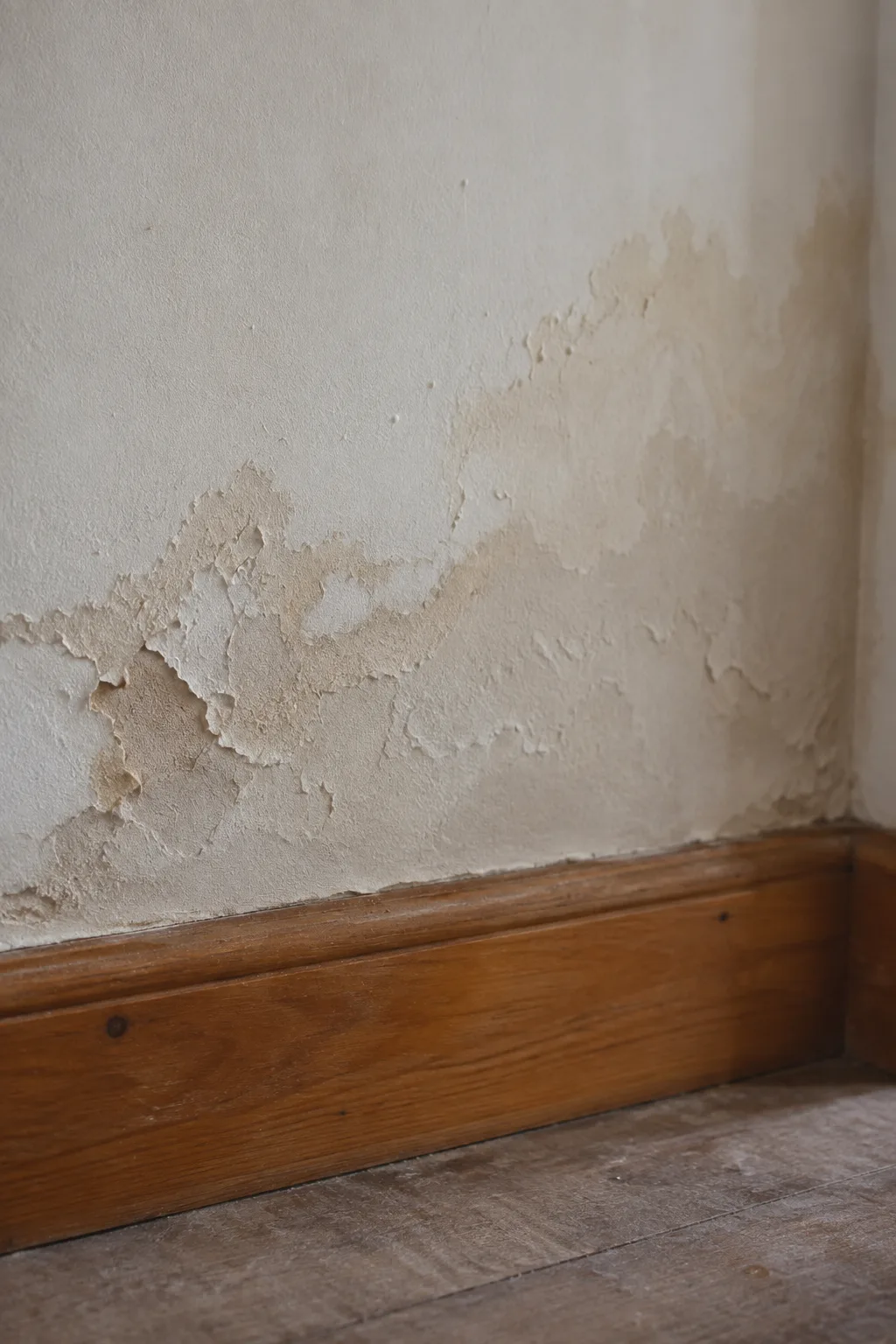
A swollen cupboard base, peeling wall finish and musty smell should each be recorded. Note whether water appears after the dishwasher runs, when the sink drains or independently of kitchen use. Where practical, photograph the original wet area before clearing items. If a stain follows appliance use, record the cycle and affected cupboard, then use that pattern to guide checks of the relevant connections.
Investigating hidden kitchen water sources helps follow the accessible moisture pattern. A visible hose that looks dry cannot rule out a concealed junction or another route behind the units.
Consider more than leaking fittings
An external wall behind kitchen cupboards may be cooler and have restricted airflow. Condensation or outside water entry could affect it alongside plumbing. Damage at floor level also needs the surrounding construction considered. It should not be labelled as one type of damp simply because the wetting sits low down.
A check of kitchen ventilation and accessible fittings can bring these questions together. We aim to identify which explanation fits the wet cupboard and what view or fitting check would help confirm the source.
Measurements have limits behind fixed units
We examine what can be reached and compare relevant readings on accessible surfaces. The materials matter: cupboard board, plaster and tiled finishes do not provide identical information. A high reading on damaged joinery may confirm concern without showing where the water originated. Your account of when the area becomes wet helps give those observations context.
For an uncertain route, a focused moisture investigation behind the visible damage can establish what should be checked next. If a panel must come off, the reason and reinstatement arrangements should be agreed. The inspection should say which areas remained concealed.
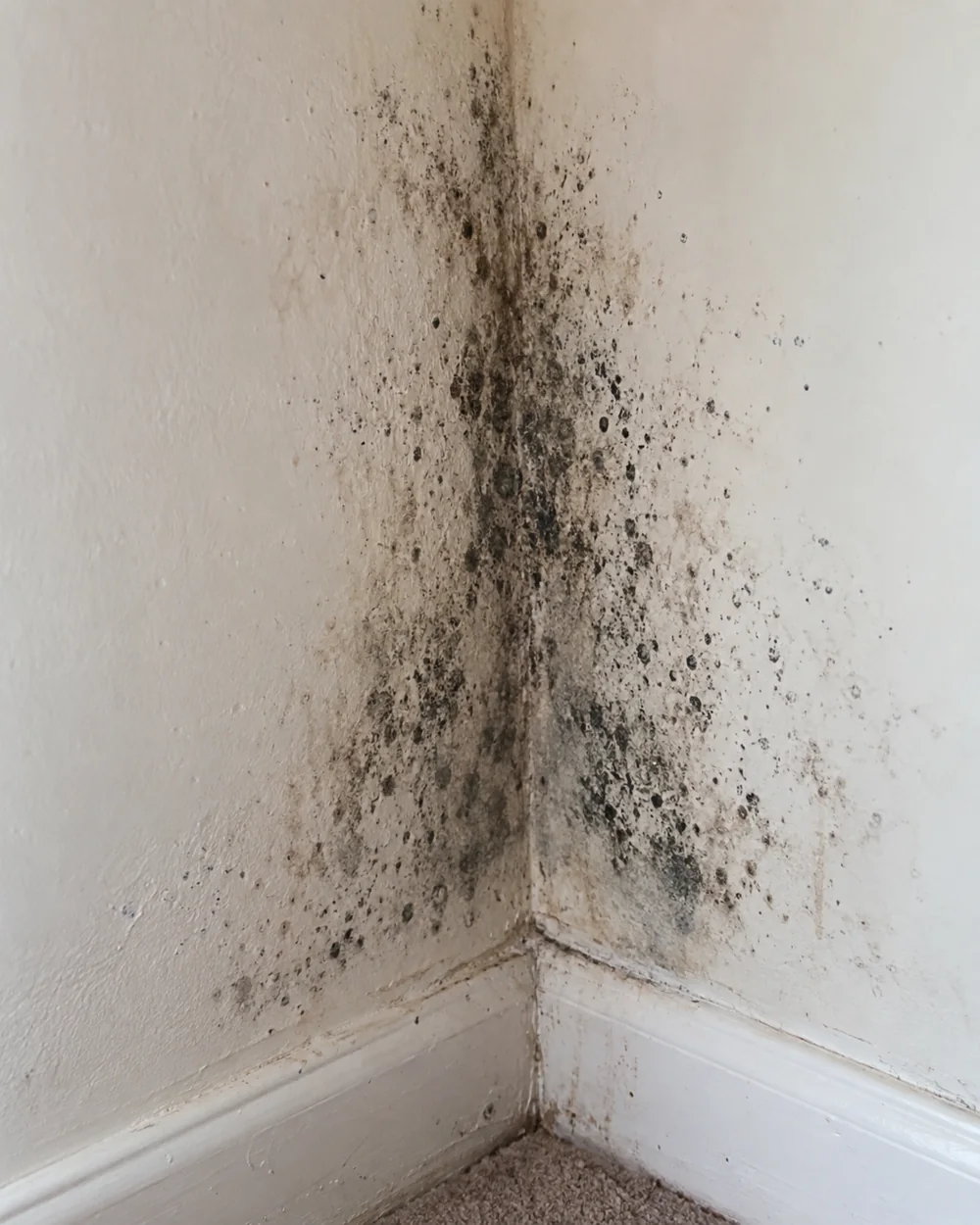
Plan for the backing materials too
If mould is present, treatment of affected kitchen surfaces needs to consider access and the material condition. Include the cupboard backing and the wall behind it in the material discussion if their condition remains hidden or uncertain. Some materials may need closer assessment before a decision about retaining them.
A source repair and drying assessment belong ahead of decorative covering. Do not install a new lining over a damp cupboard base simply to make it usable again. That can conceal continuing wetting and make later investigation harder. Keep a record of the source work and which hidden areas were actually examined.
Avoid replacing the whole kitchen on a guess
A small visible patch can raise questions about inaccessible parts, but it does not prove every unit needs removal. Gather a precise symptom history and discuss targeted access. Where a plumber or joiner becomes involved, share the specific location and unresolved question. The assessment should help you choose the next practical check before making a large replacement decision.
PROPERTY & MOISTURE CHECKS
QUESTIONS BEFORE A VISIT
Useful questions
Does a wet cupboard base prove a sink leak?
No. The sink is relevant, but an appliance connection, condensation or moisture from the surrounding structure may also contribute.
Can you inspect without removing the kitchen?
Accessible checks may provide useful evidence. Fixed units can limit confirmation, and any further opening should be explained and agreed.
Should the plinth be removed in advance?
Tell us if it is readily removable and discuss access. Do not dismantle fixed or unfamiliar fittings solely to prepare for a visit.
Can the cupboard simply be relined?
The source and underlying material condition should be understood first. A fresh lining may hide ongoing moisture.
What if the kitchen shares a wall with a bathroom?
Mention that layout before booking. The adjacent room and its fittings may need checking if the evidence points towards moisture arriving through the wall.
Nearby areas
Find out what is wet behind the units
Call about your Colliers Wood kitchen and describe the first affected cupboard, appliance layout and timing of the moisture.