DAMP & MOULD SPECIALIST
Damp and Mould Specialist Tooting
A stain below a bathroom may point towards plumbing, but its position does not identify the leaking part. We investigate the accessible evidence and explain any further access needed.
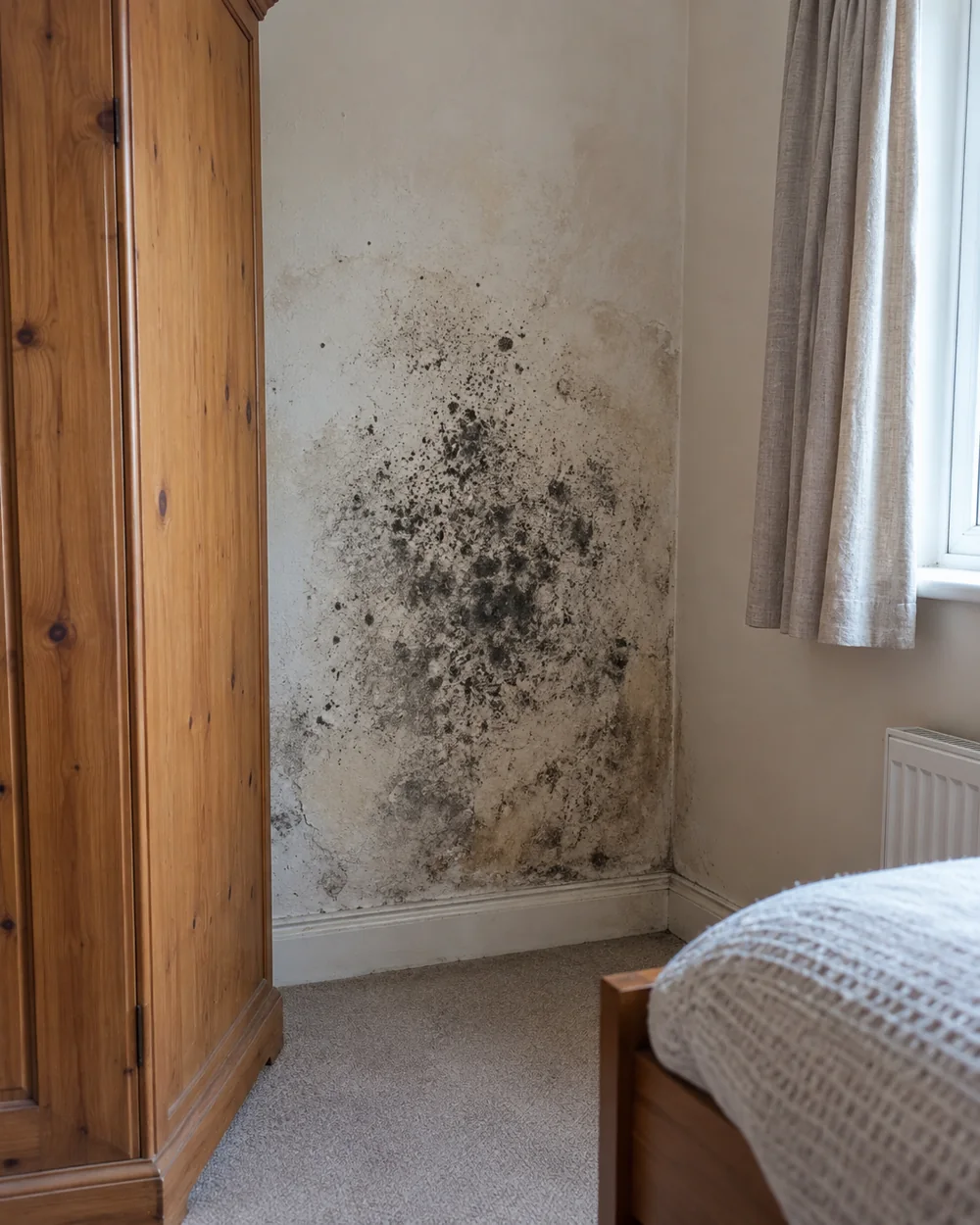
Map the bathroom above the damaged room
If a ceiling in your Tooting home is stained beneath a bathroom, identify which fittings sit above it. A shower, bath waste and concealed supply pipe can create different investigation questions. Water may travel before reaching the ceiling, so the visible mark may not lie directly below the source. The layout is a starting point, not a complete explanation.
Tell us when the bathroom was fitted and whether its panels can be accessed. Note recent sealant, plumbing or flooring work, including repairs that seemed to help briefly. Installation photographs or a rough plan can help relate the mark to hidden fittings without opening the ceiling before the initial assessment.
A bath used only occasionally can make a waste-related symptom intermittent. Mention the bath’s occasional use and the dates when the ceiling changed, so the enquiry can account for an intermittent pattern. Conversely, regular ceiling wetting without any recorded bathroom activity keeps other routes relevant. An accurate account helps select a sensible check and avoids testing several unrelated fittings simply because they all happen to sit above the damage.
Observe the timing without testing destructively
Record whether the ceiling changes after a shower, bath drainage or normal sink use. Also note whether it stays damp during periods without bathroom use. These patterns can guide the enquiry, but an apparent connection does not confirm a particular fitting. Photograph the edges of the stain and any peeling paint so later changes can be compared.
Checking bathroom moisture and accessible fittings allows the source room to be considered alongside the damaged ceiling. Steam, splashing and concealed leakage should not be combined into one assumption merely because all involve the same bathroom.
Follow the possible water route
A visible dry joint may be unrelated to a leak behind the panel. Similarly, a damaged seal can be present without explaining all the moisture below. We inspect accessible areas and compare observations with the damage pattern. Investigating concealed water sources may narrow the concern, but confirmation can require agreed access to the relevant fitting or building layer.
Do not repeatedly flood a surface or remove bathroom panels simply to reproduce the stain. Describe what happens during ordinary use and discuss safe, appropriate testing with the person carrying out the investigation.
The ceiling readings need interpretation
Readings help map accessible moisture, but the ceiling material and its finishes affect their meaning. A single high result cannot tell us which concealed pipe is responsible. We consider the wall junction, adjacent ceiling and earlier repair history too. If new paint has hidden the original stain, older photographs become particularly useful.
Where the source remains uncertain, a structured damp investigation can explain what has been established and what still needs checking. Recommendations should distinguish a likely route from a confirmed defective fitting, so repair decisions are based on the strength of the evidence.
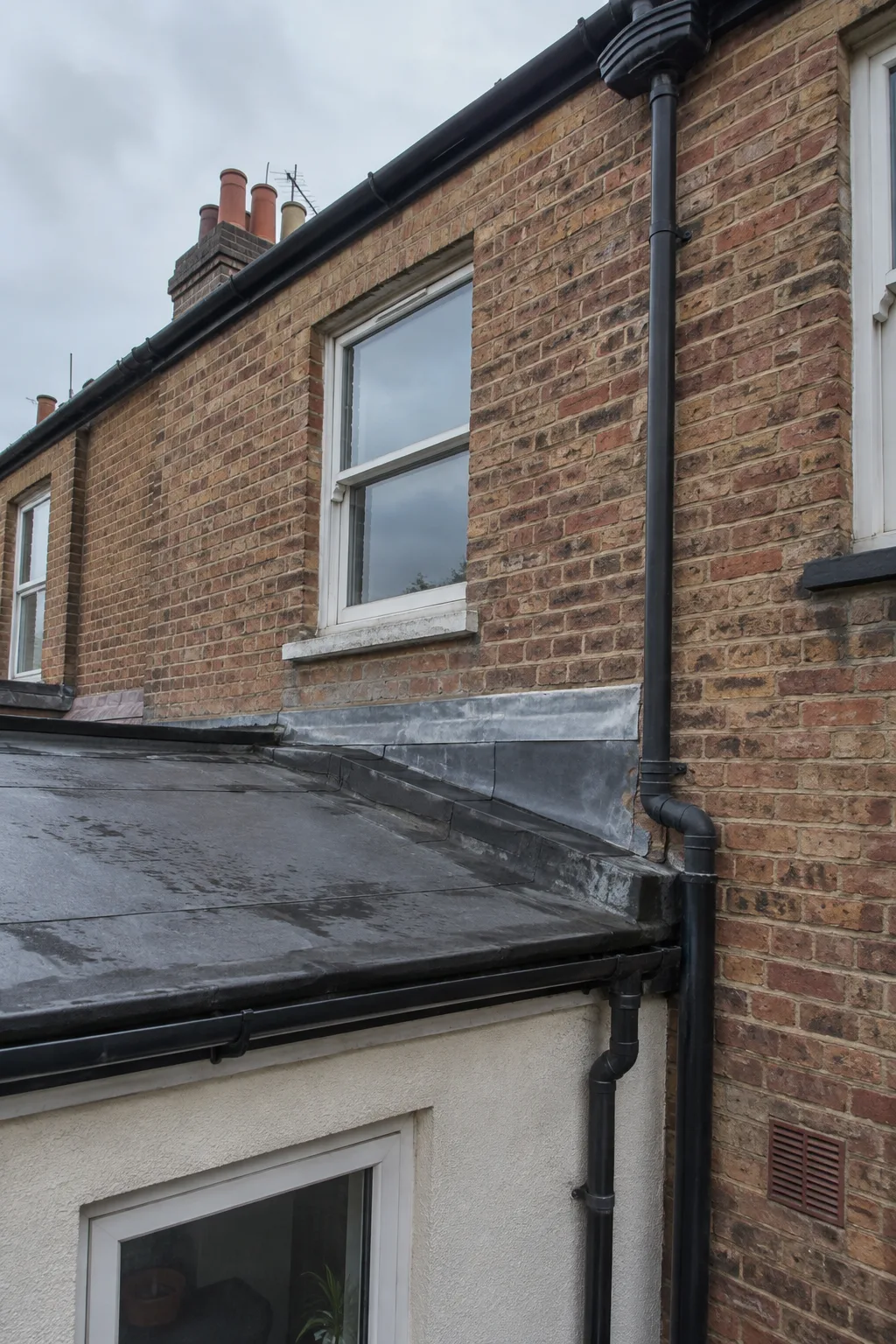
Repair the source before hiding the damage
If growth accompanies the stain, treatment of the affected ceiling surface can be discussed with the moisture repair. It does not replace plumbing work or establish that concealed materials are unaffected. The condition of plaster and other finishes may need reviewing once the source work is complete.
Avoid a new coat of stain-blocking paint as the first response to recurring damp. It may improve appearance while leaving the source active. Keep access to the original location and ask what needs assessing before the ceiling is reinstated. Record the identified source and actual repair, with the date and any checks carried out, so a later assessment knows what work was completed.
When the bathroom belongs to another flat
If the room above is a separate property, access must be coordinated with its owner or manager. Your ceiling can provide clues, but an inspection below may not confirm a concealed source above. Share dated photographs, the location and any timing pattern. A clear request for the next check helps both parties arrange useful access without treating an unconfirmed cause as an established fact.
PROPERTY & MOISTURE CHECKS
QUESTIONS BEFORE A VISIT
Useful questions
Does the stain identify which bathroom fitting leaks?
No. Water can travel before appearing below. The layout and timing guide checks but do not identify a defective fitting by themselves.
Is renewed silicone enough?
Only if that joint is the relevant source and the repair is appropriate. Other hidden fittings or water routes may need investigating.
Should I open the ceiling before inspection?
Discuss the evidence and access first. Opening should have a defined purpose and be agreed when accessible checks cannot answer the source question.
Could steam alone stain the room underneath?
Different mechanisms need assessing. A damp patch below the bathroom should not be attributed to steam without checking the surrounding construction and fittings.
What if the upstairs bathroom is in another flat?
Arrange authorised access through the owner or manager. Inspection of your ceiling may indicate further checks without confirming the hidden source above.
Nearby areas
Talk through the ceiling stain
Call with your Tooting address, the bathroom layout and when the damage changes. We can discuss the investigation before you redecorate.