DAMP & MOULD SPECIALIST
Damp and Mould Specialist Norbury
A bedroom or hallway wall beside the bath can show the damage before the bathroom does. Its position is a useful clue, but the water route needs checking before repair.
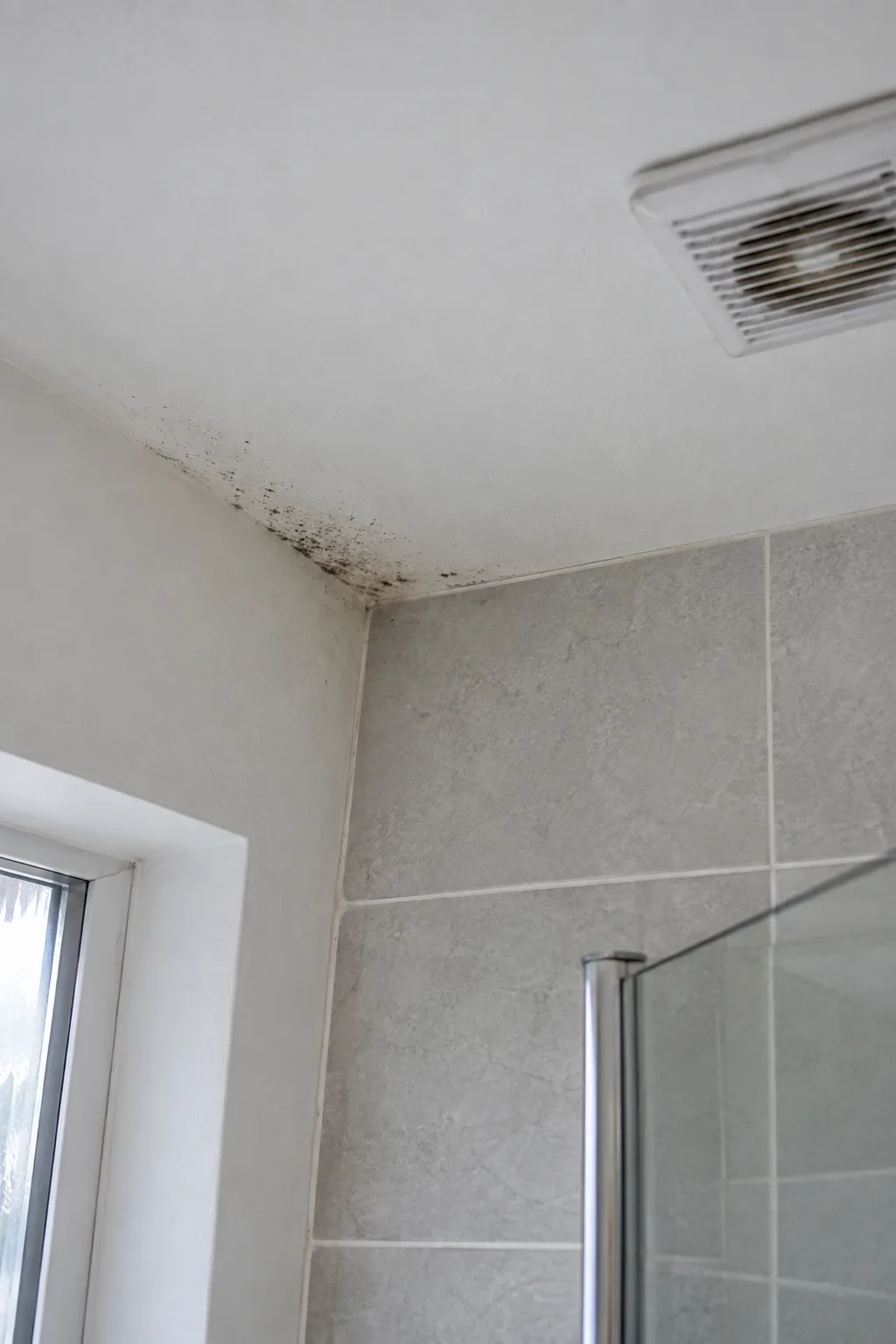
Look at both sides of the bath-side wall
If damp appears beside a bathroom in your Norbury home, show the affected adjoining wall as well as the bathroom. Note whether the marks sit near the floor, an opening or the bath position. Include any signs visible around seals and fittings. That wider view helps avoid treating the dry-looking tiled side as proof that the bathroom cannot be involved.
A bathroom moisture assessment can consider accessible fittings, surface wetting and ventilation. Explain when the damage changes and whether bathing or showering seems relevant. Ask the inspection to examine the connection between bathroom use and the damage. Accessible seals, fittings and room conditions provide evidence to compare.
Similar marks can follow different routes
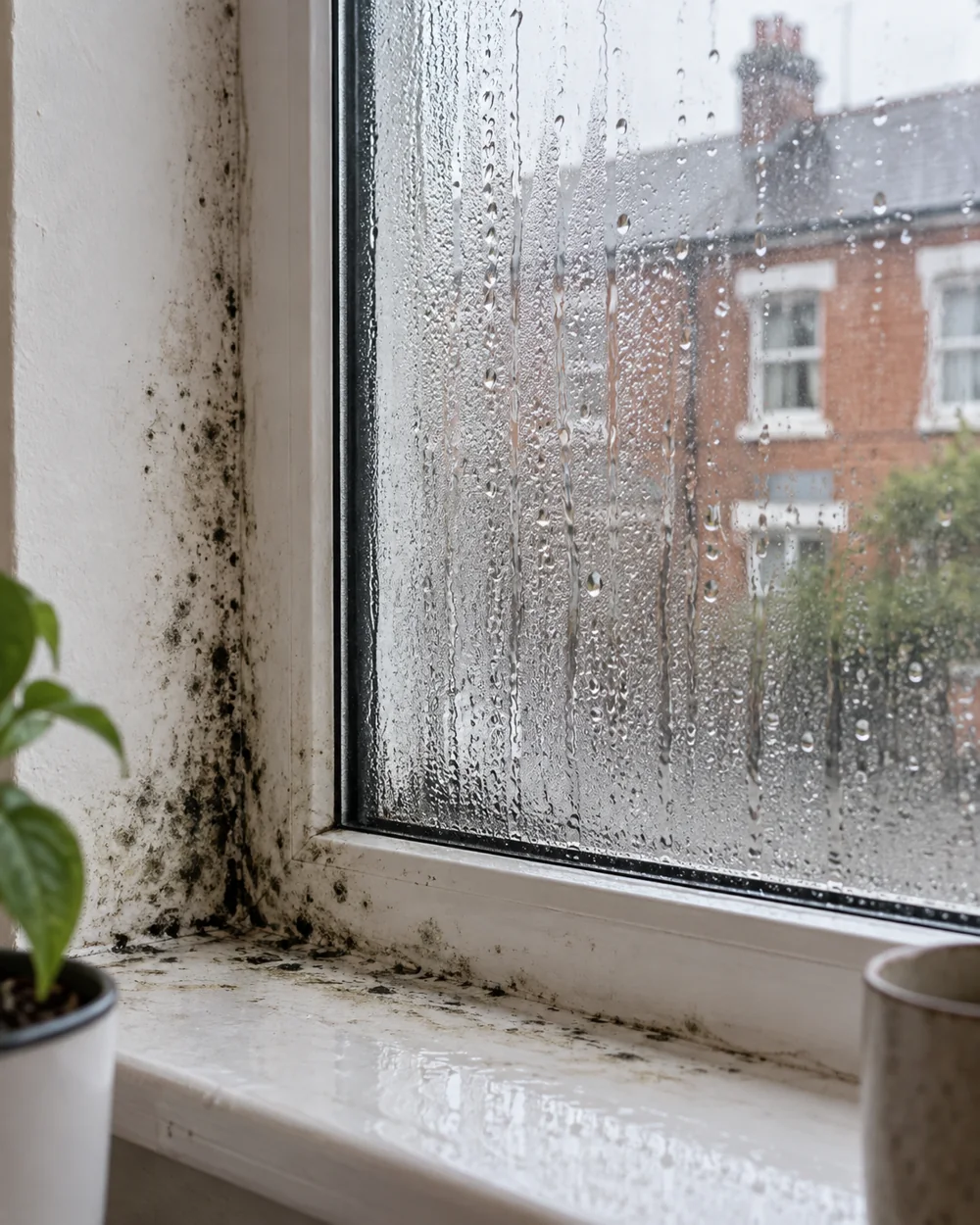
Water around the bath can reach a wall or floor through accessible gaps, while concealed plumbing may produce damage with little visible water in the room. Condensation can also wet cold surfaces. A check for hidden bathroom water sources may be relevant if the damage persists or the origin remains uncertain.
Tell us if the bath panel can be removed by an appropriate person and whether pipework has already been examined. Do not dismantle fittings solely to make the visit appear more complete. Accessible checks can direct further work, but an unseen connection cannot be represented as confirmed sound. The findings should make those access limits easy to understand.
Record use-related change without running experiments
Your normal observations are useful: a patch appearing after showers, damp persisting during a period away or new swelling at the skirting. There is no need to deliberately wet damaged areas to prove a theory. Take photographs of the current condition and report fresh water or spreading damage promptly to the person arranging repairs.
Keep a note of earlier resealing, replacement fittings and cleaning. A surface can look renewed while a concealed fault remains. Equally, staining can persist after a source has been repaired. A moisture investigation of the adjoining wall can consider those alternatives with the material condition and available readings.
Repeated resealing may miss the actual question
If each repair consists only of replacing silicone, ask which observation supports that choice. A seal can need attention without explaining all damage beyond it. The same applies to a fresh coat of bathroom paint. Source repair should be linked to evidence, particularly when the mark is in another room or reappears after previous work.
Where mould accompanies the damage, treatment of the affected wall surfaces can be planned after the extent and materials are assessed. Treatment addresses growth; the plumbing, water entry or room-moisture conditions need their own response. Ask how those tasks should be ordered before decoration closes the area again.
Make the access useful to the repair contractor
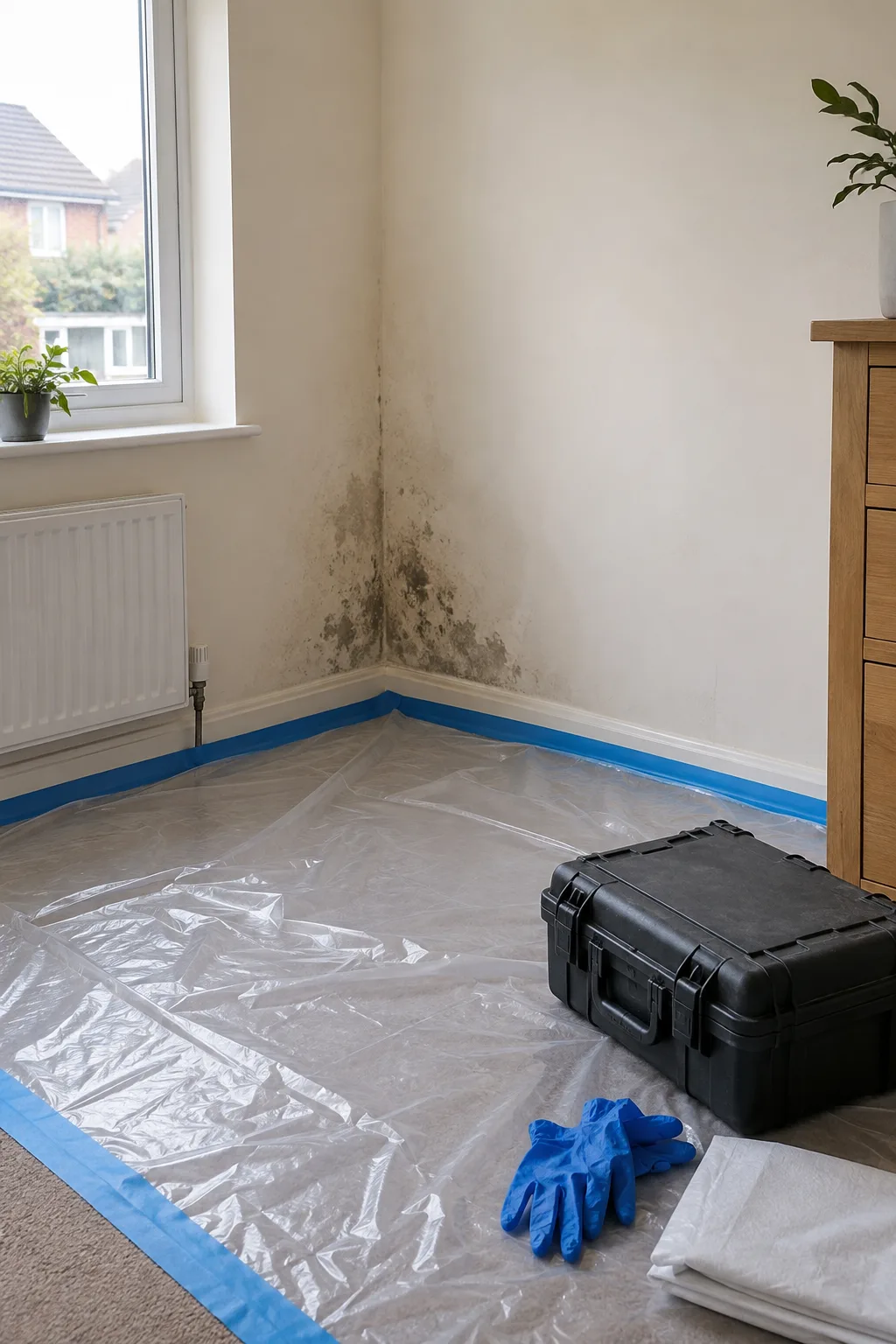
Tell the inspector if a plumber is already due or if a panel can be opened during the same stage of work. Share photographs of exposed fittings and any repair completed. Plan staged access around the question being investigated. The contractor and inspector can then record the relevant exposed condition at the useful stage of work. It also helps the next contractor understand which source has actually been checked.
After the identified work, keep photographs and notes of the same adjoining wall. Ask what would suggest continuing moisture and which surfaces should be reviewed before finishing. Do not use a fixed drying interval as a substitute for material assessment. The goal is a clear explanation for the bath-side damage and a sensible next decision for both rooms.
If staining appears in the room below as well as beside the bath, include that area in the booking discussion. Water can reveal itself at more than one surface. Label each photograph by room and level. The inspector can compare the separate damage patterns and identify where further access would add useful evidence.
PROPERTY & MOISTURE CHECKS
QUESTIONS BEFORE A VISIT
Useful questions
Can the bathroom look dry while the next room is damp?
Yes. Water can move through concealed areas before becoming visible elsewhere. Accessible evidence from both rooms helps guide the investigation, without proving a source by position alone.
Is fresh silicone enough to rule out leakage?
No. It shows a surface repair was made but does not establish the condition of every concealed fitting or route. Record the repair and the symptoms afterwards.
Should I remove the bath panel?
Discuss access and who can do that appropriately before the visit. Opening a panel may help specific checks, but it should have an agreed purpose and avoid disturbing fittings.
What if the wall is damp when the bathroom is unused?
Mention that observation. It may affect which sources are considered, but residual moisture or another water route still needs interpretation with the history and materials.
Can the inspection guide my plumber?
It can provide relevant observations, possible routes and access limitations. The plumber may still need their own checks to confirm or repair concealed connections.
Nearby areas
Investigate both sides of the bathroom wall
Call with the Norbury property details and describe where the damage appears in relation to the bath. Mention previous sealing or plumbing work so the assessment can build on the history.