DAMP & MOULD SPECIALIST
Damp and Mould Specialist Balham
If the bedroom window is wet each morning, look at what happens through the night. We investigate the moisture balance and the surfaces where mould keeps returning.
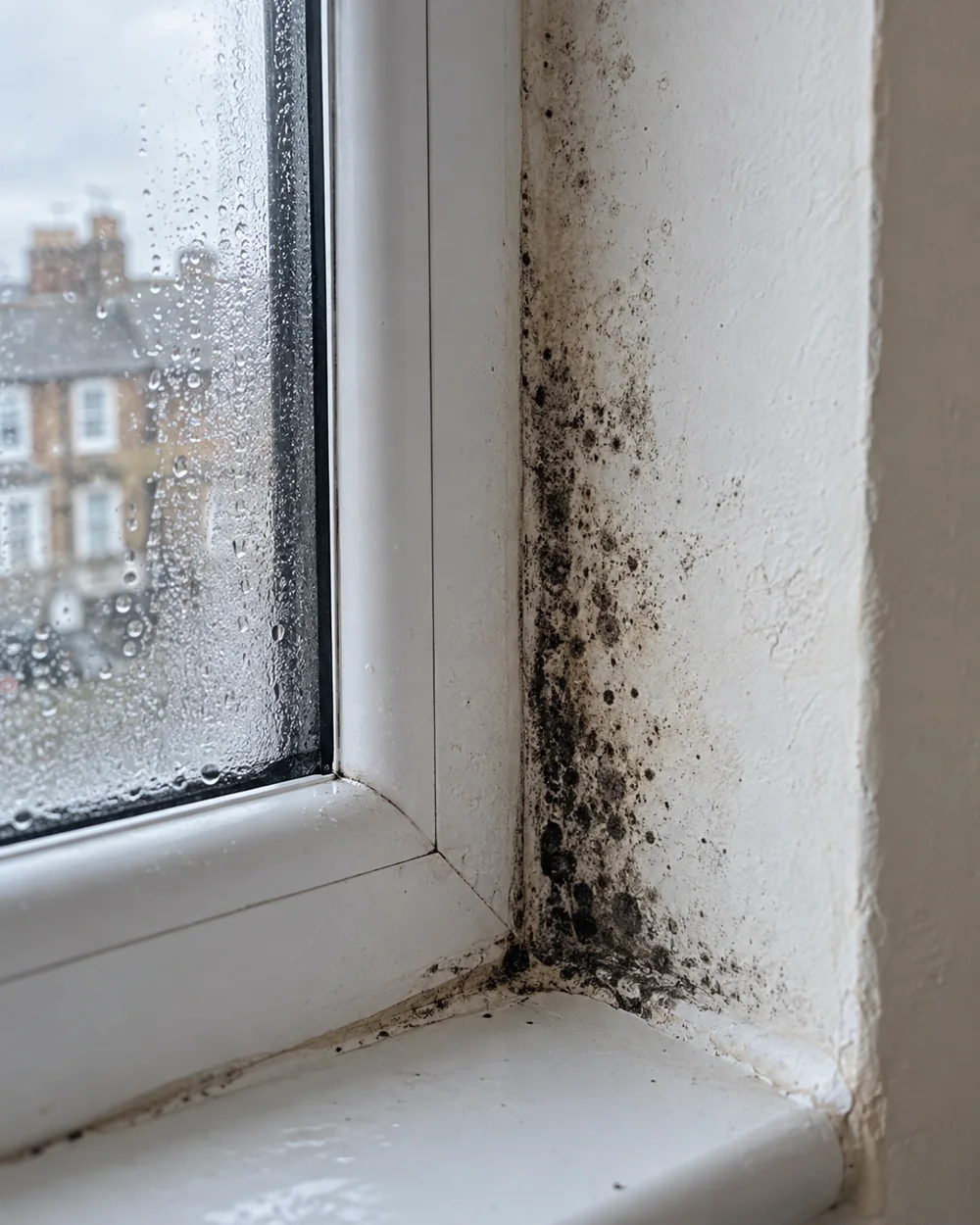
The morning pattern is useful evidence
For a Balham bedroom with wet glass each morning, note where the water collects and how long it remains. Is it confined to the glass, spreading onto the sill or associated with mould on the reveal? Indoor moisture meeting a cool surface may explain it, but the wall condition still deserves attention. A damp opening can also involve outside water or a separate defect.
Photograph the window before wiping it and include curtains, blinds and adjacent walls. Describe the room’s usual heating, ventilation and door position overnight. If the pattern differs between bedrooms, record that comparison. A room-by-room comparison may show which bedroom has different moisture production, ventilation or cooler surfaces that deserve closer attention. The inspection should consider ordinary occupation, not a special routine introduced only before the visit.
Assess moisture, airflow and temperature together
A condensation and ventilation assessment links the overnight moisture pattern with installed ventilation, ordinary heating and the window or corner surfaces receiving water. Occupation, nearby bathing and laundry can be relevant. These questions should be used to understand the home, not substitute an assumption about household behaviour for an inspection of the building and its provision.
Ask whether the bedroom became wetter after a change such as new windows, altered heating or a blocked vent. A better-sealed room may need its ventilation reviewed. That does not prove the new component is faulty. The findings should explain which conditions support the recommendation and whether another source needs checking before equipment or building work is commissioned.
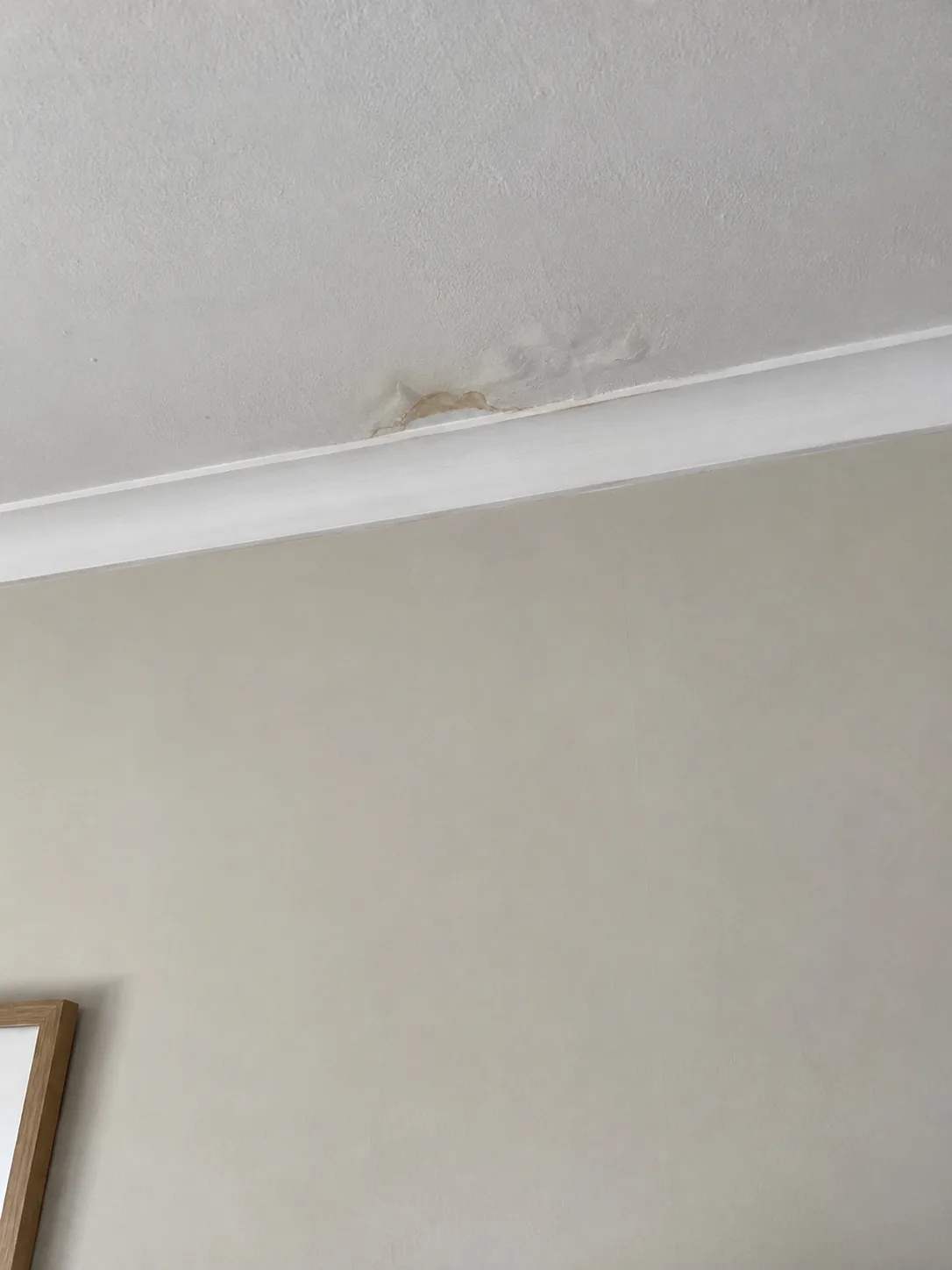
Check where the growth sits around the opening
Our window surround and cold-surface checks follow growth across the reveal and frame, checking visible seals and any spread towards the adjoining wall. Curtains can leave the area with less air movement, while furniture may create another sheltered recess. The distribution helps guide inspection. Include growth beyond the opening and behind wardrobes when arranging the visit, so the assessment can compare these surfaces with the wet glass.
If the wall stays wet after the glass dries, a wider moisture investigation may be appropriate. Readings must be interpreted against the material and pattern. Record changes after rain, because possible water entry around an opening needs a different response from overnight condensation. Both conditions can occur in the same bedroom.
Cleaning needs a plan for repeated wetting
Once the contributing conditions are assessed, discuss treatment of the affected bedroom surfaces. The condition of paint or plaster influences what work is appropriate. A surface clean does not improve the room’s airflow or repair an external defect. Ask what will support the treatment and whether any further investigation is needed before decoration.
Avoid turning temporary measures into the diagnosis
Note the results of wiping glass or using a portable dehumidifier, including any wall patch that remains after window moisture improves. Tell us when these measures started and whether they changed the wall symptoms as well as the window. A room that looks clear while equipment runs may behave differently afterwards. This context helps make recommendations realistic for continuing normal use.
Review the bedroom through the original conditions
After agreed changes, watch the same window and corners through comparable overnight use. Keep photographs and note whether water clears more readily or mould returns in another location. A single dry morning is encouraging but is not a complete review of a recurring seasonal pattern. If new staining appears, preserve the evidence before another finish covers it.
For a rented bedroom, share the observations with the person arranging the work and identify who can provide access. The occupant’s account of overnight conditions can be useful because those conditions will not necessarily be present during a daytime inspection. Written findings should separate observed features, reported history and recommendations without converting them into an automatic judgment about responsibility.
PROPERTY & MOISTURE CHECKS
QUESTIONS BEFORE A VISIT
Useful questions
Why is the window wet in the morning but dry by afternoon?
Conditions change through the day. Cooler overnight surfaces may collect moisture that later evaporates, but the pattern needs considering alongside ventilation and other signs in the room.
Does wiping the window prevent the mould problem?
It removes visible water at that moment. The conditions producing repeated wetting may remain, so the surrounding mould still needs assessment and relevant moisture control.
Can curtains make a reveal stay wetter?
Restricted local airflow can contribute. Photograph their normal position and describe which part of the reveal remains wet. We compare that recess with room ventilation and possible building-related wetting.
Should the whole household change its routine first?
Describe the ordinary routine and the problem before making several changes. Assessment can then guide practical measures and distinguish them from repairs or further investigation.
What if the wall stays damp after the glass clears?
That is useful information to report. The wall may need wider moisture checks, including possible external wetting or another source beyond the glass condensation.
Nearby areas
Talk through the overnight moisture pattern
Call about the Balham bedroom with details of wet glass, wall marks and previous changes. We can discuss the right checks.