DAMP & MOULD SPECIALIST
Damp and Mould Specialist Brixton
Several cleaners or coatings have been applied to the wall. Recover the work history and assess what remains wet before another product covers the same unanswered question.
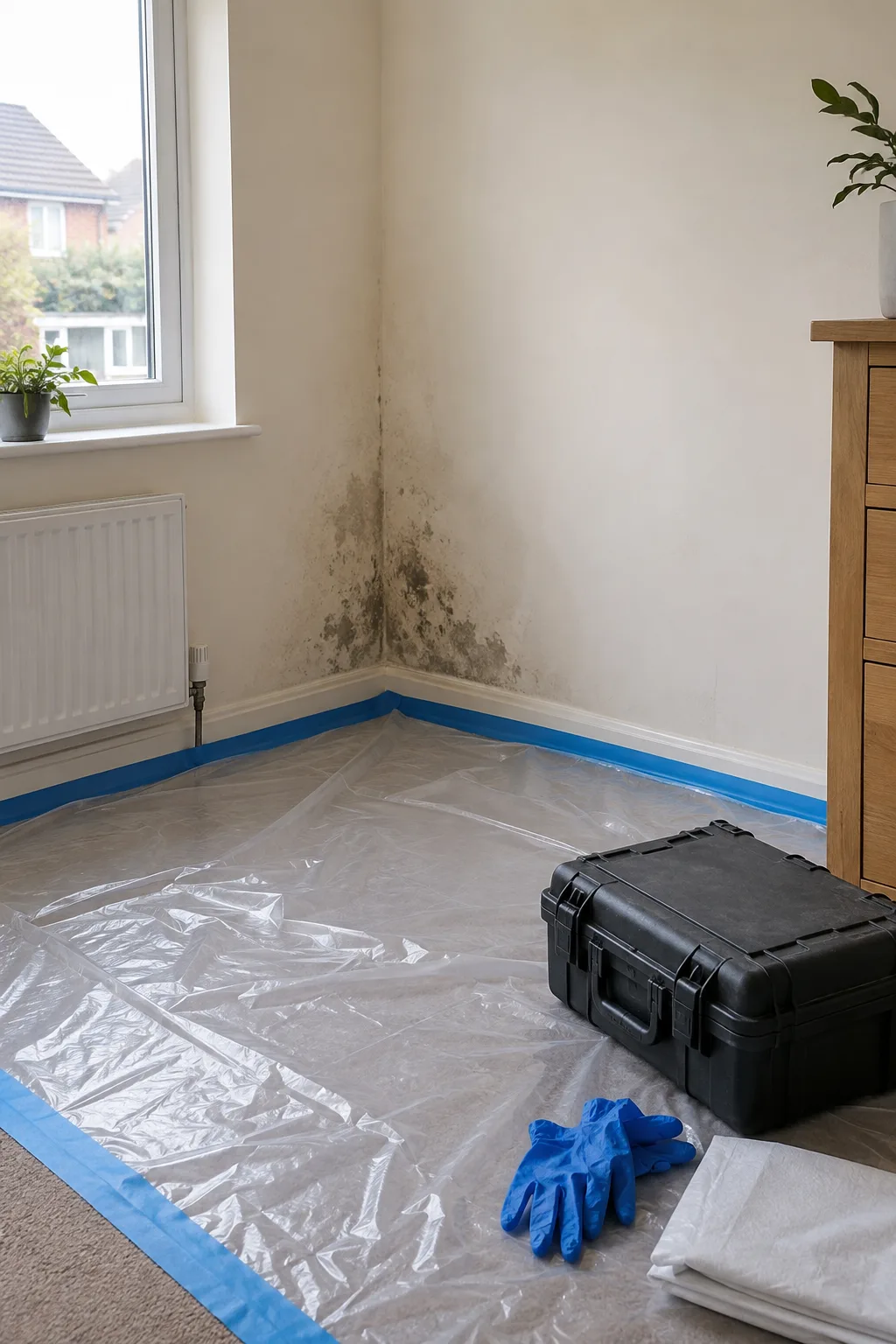
The fresh finish did not last
If mould returned after a room in your Brixton home was painted, collect the earlier photographs and the decoration dates. The new finish may have hidden growth or staining without changing the conditions that produced it. A returning mark can involve condensation, water entering outside or a concealed leak. It needs explanation before another product is chosen simply because the previous coating did not last.
List each preparation or coating separately, including its date and the section of wall covered. Identify any source repair confirmed alongside it. A treatment to one corner may not concern the wider stain now visible, and a product name alone does not describe how the wall was prepared. That location-based history helps the inspection assess the layers and connect the remaining symptoms with the work actually completed.
Earlier photographs can recover lost evidence
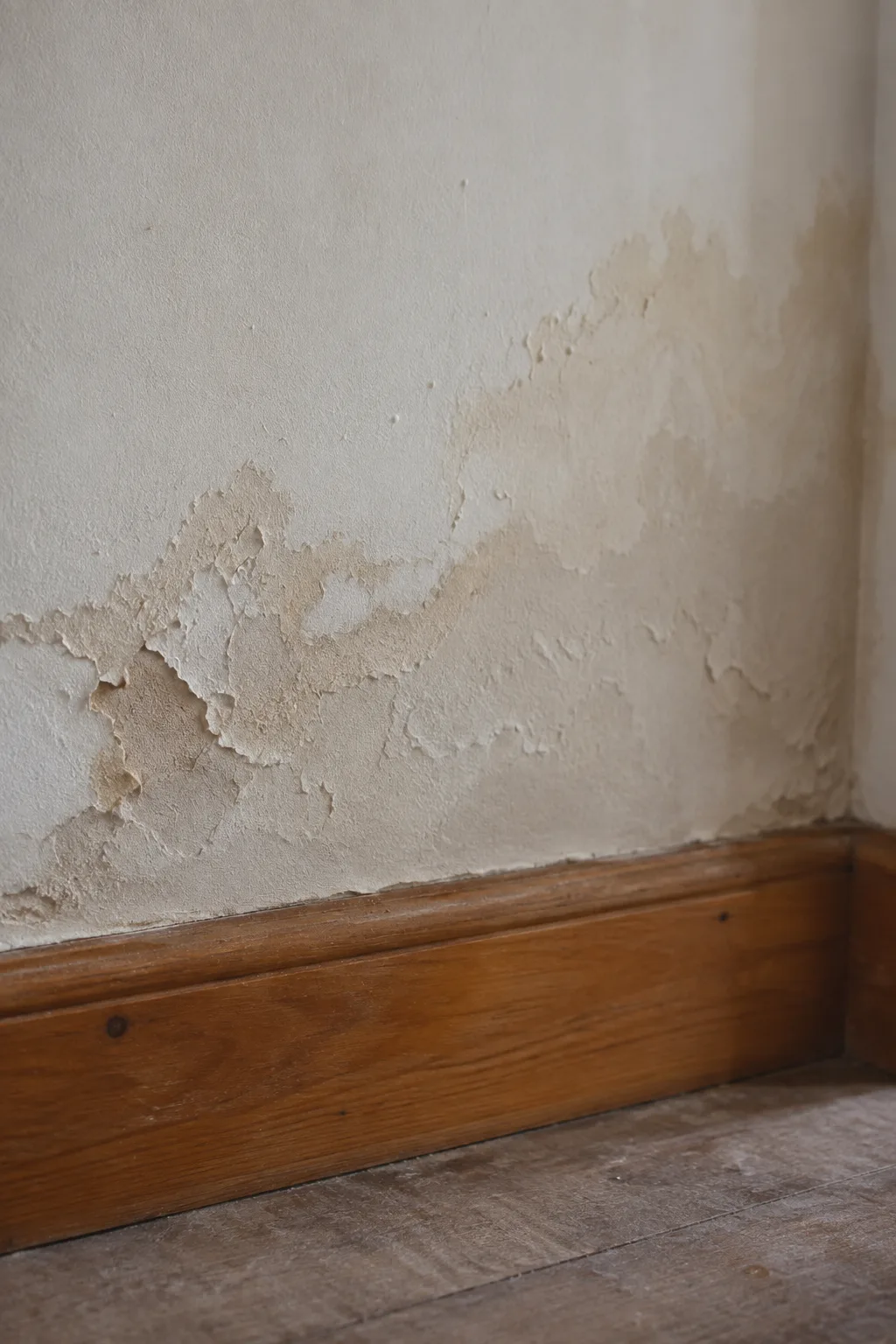
A moisture investigation of the redecorated room connects the new marks with earlier photographs, checking where the finish has changed and which surfaces remain exposed. Fresh finishes can limit interpretation, so photographs before painting may show the original boundary and location. Readings need considering with the material and coating. A neat wall does not automatically establish dry construction, and damaged paint is not by itself a diagnosis.
Tell us if the marks returned in precisely the same place or moved elsewhere. A changed pattern may reflect altered airflow, a wider source or different material response. Fixed linings and concealed areas impose limits on what can be established, and those should be explained. If the findings point to a concealed area, identify the question an opening would answer and agree the useful location before work begins.
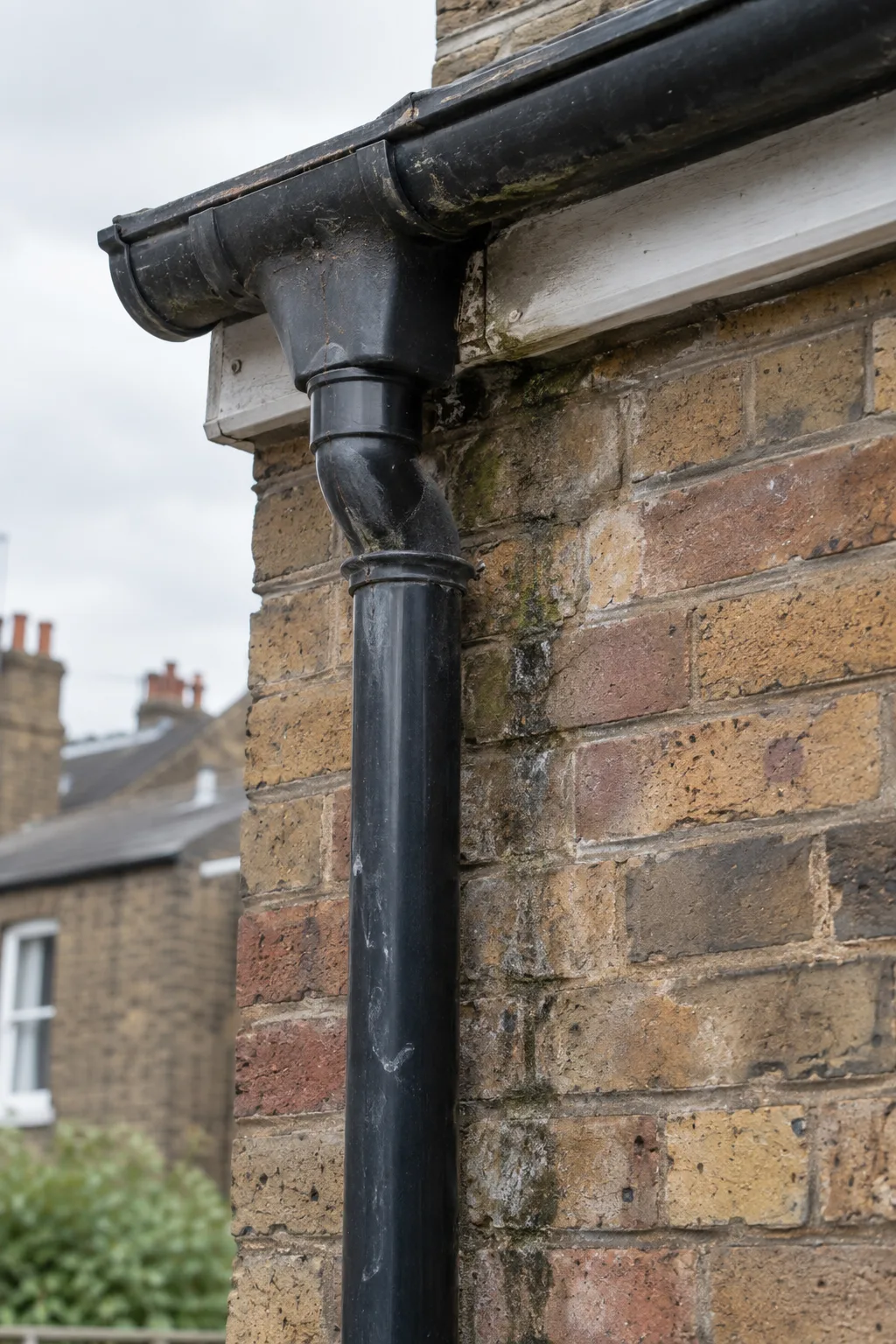
Ask what keeps supplying moisture
For repeated growth at corners or behind furniture, a review of condensation conditions considers room use, heating, moisture production and air movement. Paint does not change those conditions. Describe normal occupation and any temporary measures introduced since the return of the marks, because the room may behave differently on inspection day.
A stain that expands after rain may instead require checks for external water routes. Damp linked to use of a fitting may justify investigation of a concealed source. These possibilities are not mutually exclusive. Describe each symptom’s timing so the inspection can assess its likely contribution and give the relevant repair or ventilation task a clear purpose.
Give treatment a defined role
Discuss mould removal and treatment alongside the identified moisture measures. The finish may need assessment if repeated wetting has damaged it. Ask which work addresses the growth, which addresses renewed moisture and which remains conditional on further checks. Another decorative layer should not be offered as proof that an uncertain source has been resolved.
Tell us what has already been applied
Keep product information if available, without assuming the brand name explains the wall’s behaviour. Cleaning, coatings and new linings can affect the visible evidence and may matter for later surface preparation. If the wall has been treated several times, give the dates and areas separately. That history is more useful than a general statement that every available product has been tried.
Review before spending on the next finish
After agreed repairs or moisture measures, follow the original area under normal use and relevant weather. Record new staining before covering it. Discuss drying and surface preparation as separate stages, with readiness for decoration assessed against the wall’s actual condition and the agreed moisture work. A clear-looking surface for a short period may not show how it will behave through the conditions that caused the return.
For a rental property, make sure the person commissioning further work has the occupant’s observations and the earlier repair history. Repeated repainting can produce fragmented records, especially when different contractors attend. A single dated sequence of photographs and tasks helps the next assessment build on real information without turning a returning complaint into an assumption about responsibility.
Where several decorative layers have been applied, preserve information about which area each covered. A treatment to one corner may not concern damage that now extends across another wall. That simple distinction helps avoid treating every earlier purchase as evidence that the same source was assessed or the same surface prepared.
PROPERTY & MOISTURE CHECKS
QUESTIONS BEFORE A VISIT
Useful questions
Does mould through new paint mean the paint was unsuitable?
Not necessarily. Continuing moisture may be the central issue. The surface condition, preparation and cause need considering before attributing the return to one product.
Are photographs from before decoration useful?
Yes. They can show the original position and boundary that fresh finishes now conceal. Include room views as well as close-ups of the marks.
Should the new paint be stripped before inspection?
Discuss it first. Keep the present finish and earlier photographs available initially. The findings can help identify a specific hidden area to inspect if removing material would answer an important question.
Can one room have both condensation and a leak?
Yes. Different areas may have different causes or overlapping contributions. Include the position and timing of each mark in the enquiry so the investigation can separate the relevant sources and the work needed for each.
What should happen before another decorative finish?
Clarify the moisture source, relevant repair or ventilation measures and the surface condition. Further checks and drying may be needed before decoration is appropriate.
Nearby areas
Before paying for another repaint
Call about the Brixton room and what happened before the marks returned. We can discuss investigation of the remaining moisture.