DAMP & MOULD SPECIALIST
Damp and Mould Specialist Dulwich
A spare room used all day behaves differently from one opened occasionally. If mould has appeared since the change, inspect the new conditions without assuming use explains every mark.
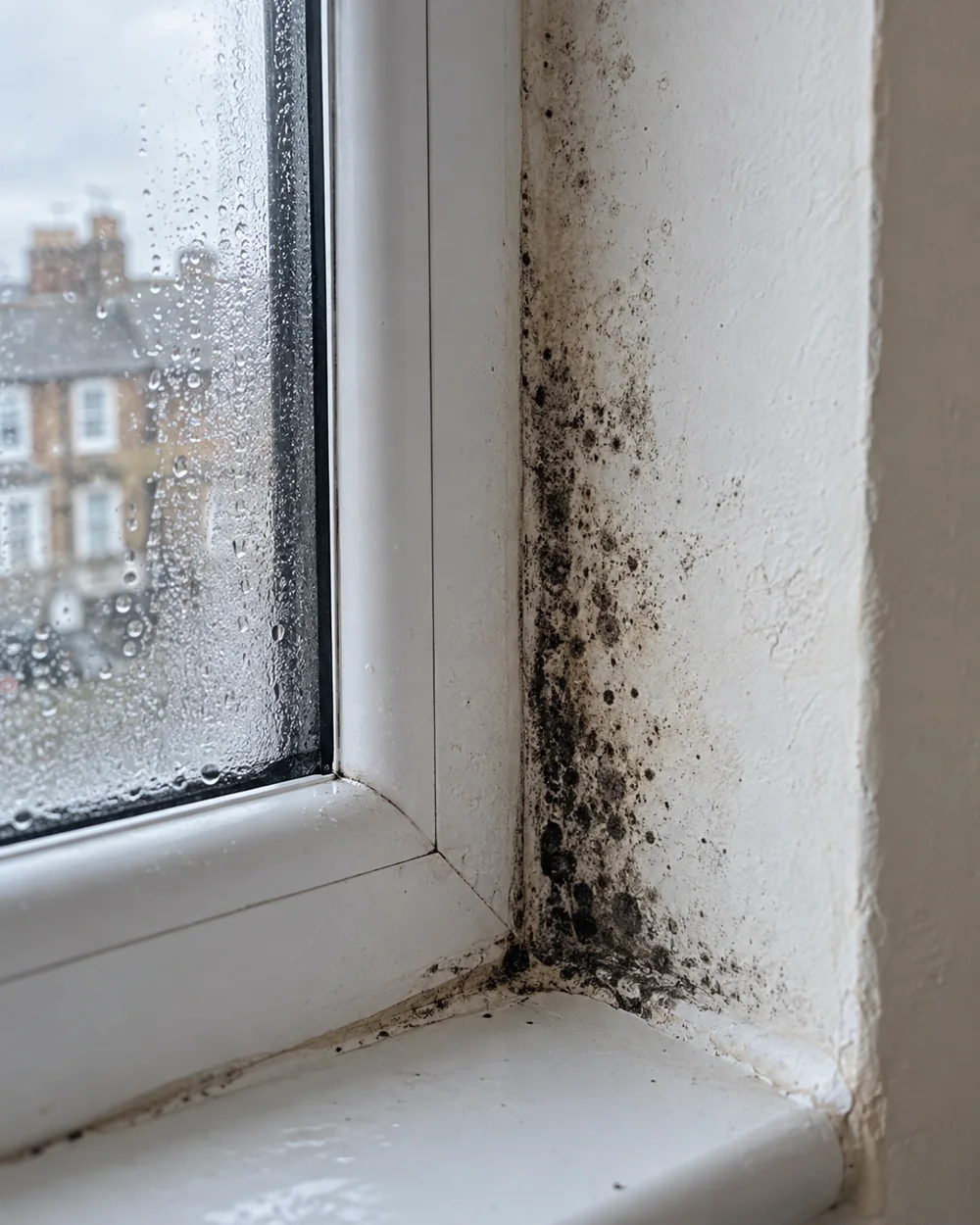
Describe what changed in the room
If you now work daily in a room at your Dulwich home and notice mould, compare the arrangement with its previous use. Note heating periods, closed doors, furniture and whether windows still open as before. The timing can guide the inspection, but it does not prove the change of use is the only cause. A wall defect or leak may also need attention.
An assessment of the office room’s ventilation can consider occupancy, moisture and air movement. Tell us how you need the room to function, including privacy or temperature requirements. Discuss practical moisture and airflow measures that can be maintained during its normal daily use.
The desk may cover the colder part of the wall
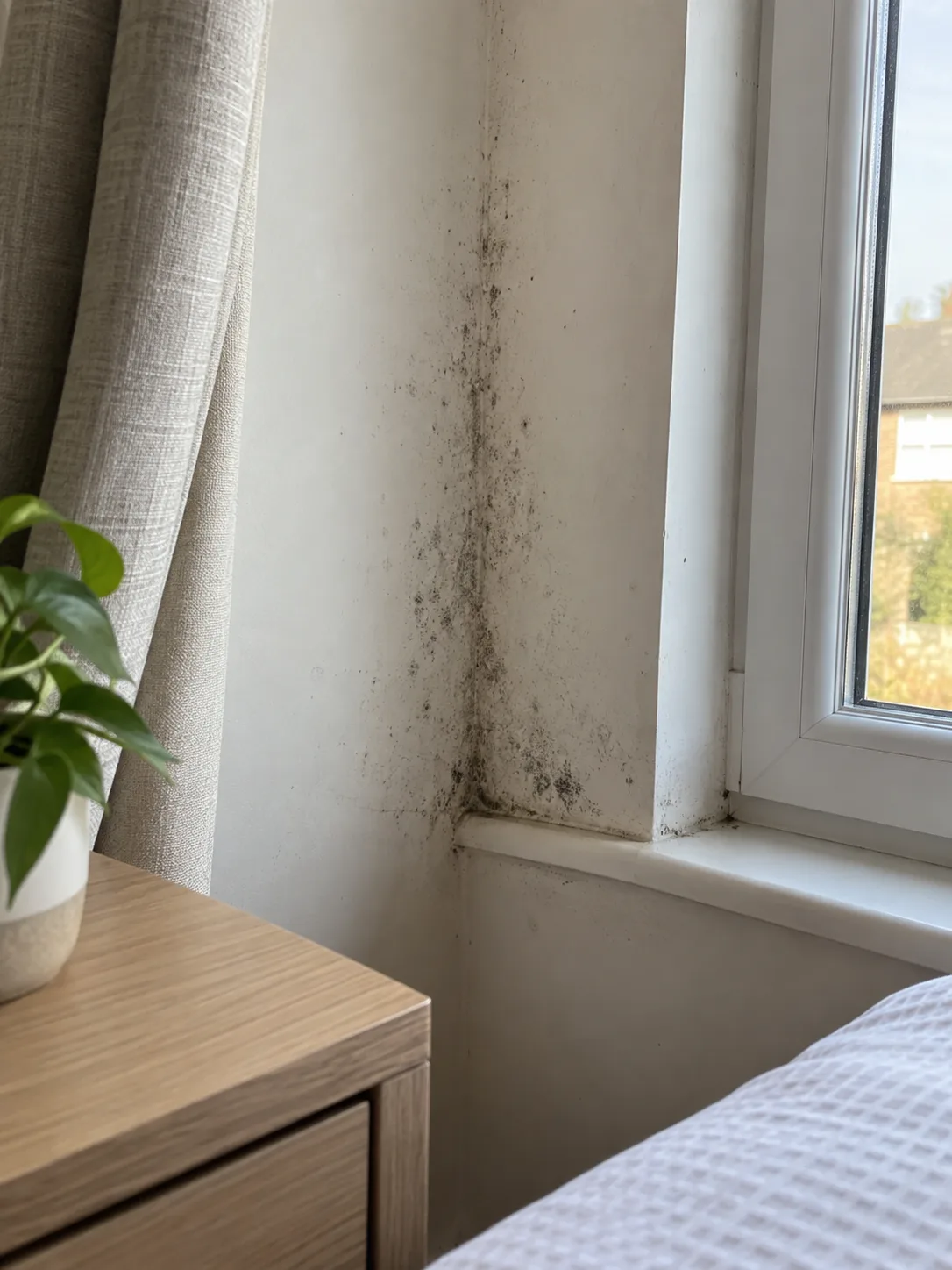
Bookshelves, a desk or storage placed against an external wall can change local circulation. Photograph their usual positions before moving them for access. A clear section of wall may behave differently from one enclosed by furniture. Checks of colder wall and window surfaces can help relate the growth pattern to the room layout.
Keep the affected finish visible where possible and make accessible areas available for inspection. Fixed shelving should not be dismantled without an agreed reason. If the corner adjoins a bathroom or has concealed plumbing nearby, mention that arrangement. The furniture position is useful context, not a substitute for assessing the wall behind it.
If the office contains equipment or storage cabinets, include their usual positions in photographs before clearing access. Identify the wall area each item conceals and any ventilation point nearby. The inspection can use that layout to discuss a relevant circulation or access change, with the reason tied to the marked surface and the room’s daily work needs.
Look for signs that do not fit the daily-use story
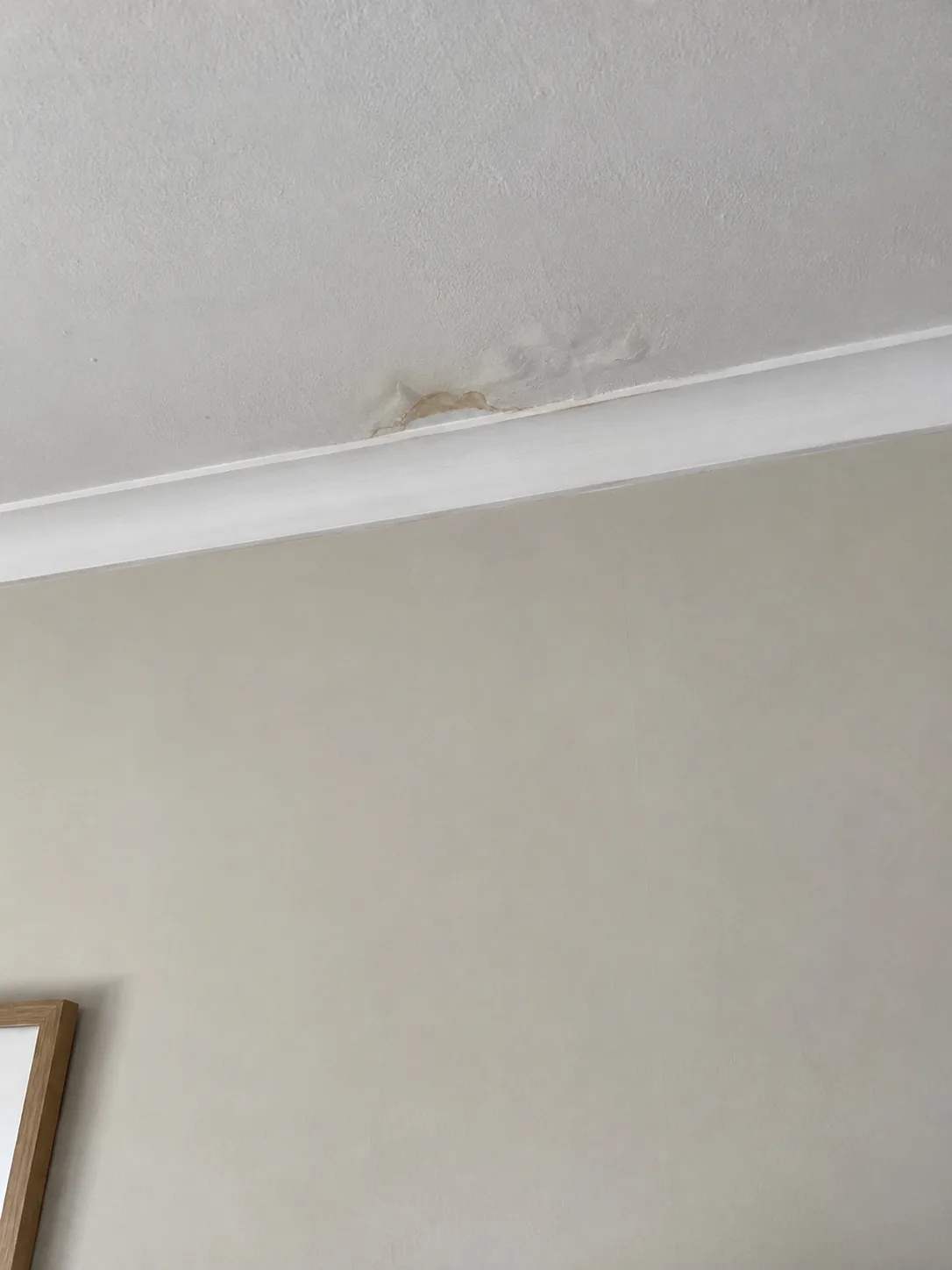
A single expanding stain, bubbling paint or a patch linked to rain needs its own consideration. A check of unexplained office-room damp can compare moisture patterns and possible sources. Do not dismiss those signs as the consequence of sitting in the room longer, especially if material damage continues when it is unused.
Record whether wet windows appear overnight, during work or after moisture-producing activities elsewhere. The time and position of the wetting help interpret the pattern. If you have changed the heating or started using a dehumidifier, note that too. Current conditions need to be understood in relation to the situation that produced the original photographs.
Keep treatment separate from the room adjustments
Mould treatment for the home-office surfaces can address growth after the extent and materials are assessed. It does not by itself change ventilation or repair a water source. Ask what measures are intended to reduce repeated wetting and which work deals with damaged paint, plaster or other finishes.
Avoid painting over the corner just to make the workspace look presentable before a call or meeting. Photograph it and arrange the moisture assessment first where practical. If decoration has already happened, explain what was covered and when the marks returned. That history is more informative than describing the new paint as having failed.
Make the room usable after the findings
Discuss any proposed changes in terms of their purpose: improving air exchange, changing a blocked corner or repairing a specific defect. A recommendation should be linked to an observation, not simply list familiar products. Ask what uncertainty remains if hidden construction or access prevents a firm source conclusion. Knowing the limits helps you plan the next step sensibly.
Keep photographs of the original layout and a record of completed measures. After work, compare the same surfaces and record any new wetting. Comfort in the room is useful context, with the marked materials needing direct observation. If mould returns, describe its position and any new symptoms. The assessment can then build on evidence of what changed, instead of repeating generic advice about spending less time in the room.
PROPERTY & MOISTURE CHECKS
QUESTIONS BEFORE A VISIT
Useful questions
Does working in the room cause mould?
A change in use can affect moisture and heating conditions, but it does not establish the cause of every patch. The room and any possible water sources need assessment.
Should I move my desk away from the wall?
Describe its position and make the affected surface accessible where practical. Layout changes may help circulation, but their relevance should be considered alongside other moisture findings.
Why is only the office affected?
Rooms differ in surface temperature, ventilation and use. A localised defect is also possible. Comparing the office with adjoining spaces can help guide the enquiry.
Can I use a dehumidifier while arranging inspection?
Tell us if you do, because it changes room conditions. It does not identify a water source or establish the condition of damaged wall materials.
What if the corner was clear when the room was a spare bedroom?
That history is useful. Explain the old and new layouts and heating arrangements, while keeping open the possibility of another building or plumbing change.
Nearby areas
Make the workspace work without hiding the damp
Call about the Dulwich room and tell us what changed when you began using it daily. Describe the affected wall and furniture arrangement so we can discuss a focused assessment.