DAMP & MOULD SPECIALIST
Damp and Mould Specialist East Dulwich
Finding mould on books raises questions about the shelf contents and the wall behind them. We inspect the affected storage positions and distinguish material concerns from the moisture source.
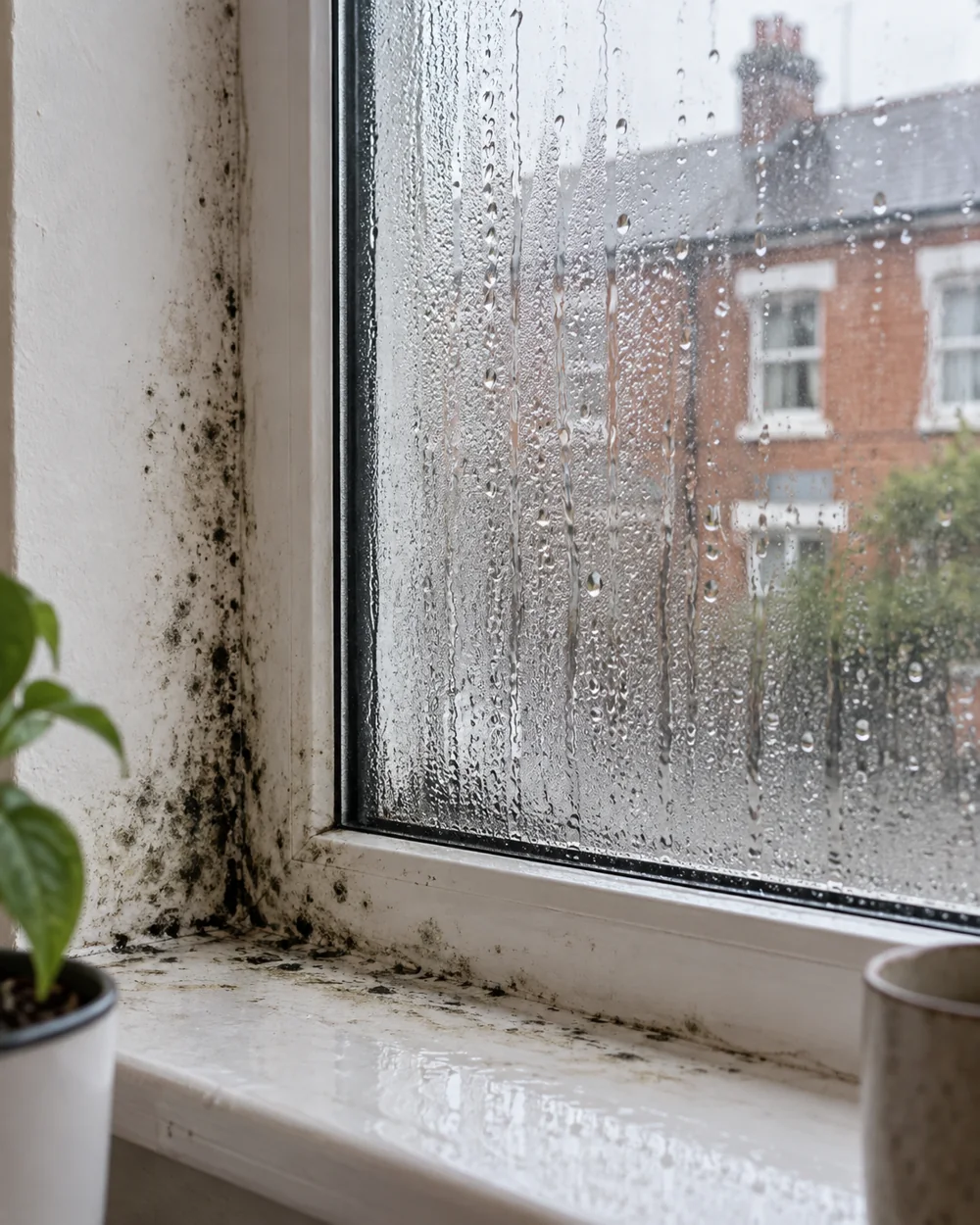
Map the affected books before clearing every shelf
If books or stored papers in an East Dulwich alcove show mould, record which shelf and position were affected. Include the rear edges, backing board and any visible wall. A row of marked contents is not evidence that the entire alcove or every item has the same condition. The pattern helps locate the space that needs assessment.
Photograph the normal arrangement before moving loose contents where practical. Note whether the first signs were on stored items, timber or the adjacent wall, and whether there was visible wetting. Tell us how long the contents occupied that position and whether another shelf remains visibly clear. Avoid packing everything into a new cupboard before the moisture question is understood.
The shelf face and the original wall give different evidence
A fitted unit may have a fixed back that separates the books from the original alcove wall. Describe that construction if known, with installation photographs or existing openings. A damp rear board cannot reveal every condition behind it. An open shelf may allow a different view from a closed cupboard below, so identify the sections individually.
A moisture assessment of the shelf backing and adjoining wall compares accessible materials with the damage pattern. Readings on board, plaster and stored paper have different contexts. The inspection should state which surface was directly examined and which remains hidden, particularly before joinery is replaced.
Assess the enclosure without treating the contents as the source
Closely packed books can leave little air movement near a cooler backing, but that arrangement alone cannot explain a distinct wet stain. Note changes with weather and any nearby fittings. Ask whether the wall shares a boundary with a bathroom or another property. These details keep a possible separate water route within the enquiry.
Checking moisture conditions around filled alcove shelves can relate ordinary storage to the room’s heating and ventilation. Describe how the shelving needs to be used so advice remains practical. A recommendation should identify the relevant surface or air route, with no assumption that permanently removing all storage is the only answer.
A comparison with other cooler room surfaces may help establish whether repeated condensation extends beyond the alcove. It cannot substitute for examining the affected backing. Discussion of treatment should distinguish the building finishes from the stored contents: an ordinary wall-treatment scope should not imply that specialist restoration of books or papers is included. Keep that material decision clear before any work is agreed.
Use targeted access where it will answer a question
We compare accessible surfaces and relevant readings, interpreting them with the wall and lining materials. Fixed shelving can prevent direct examination. A temperature pattern around a panel cannot establish the hidden surface is dry or prove a concealed leak. If opening is useful, identify which part needs a view and what that view could confirm.
Investigating the moisture behind the visible edges can define that next step. Agree who will remove and reinstate any joinery. Avoid dismantling the entire alcove in advance without knowing whether a smaller existing opening can provide useful evidence.
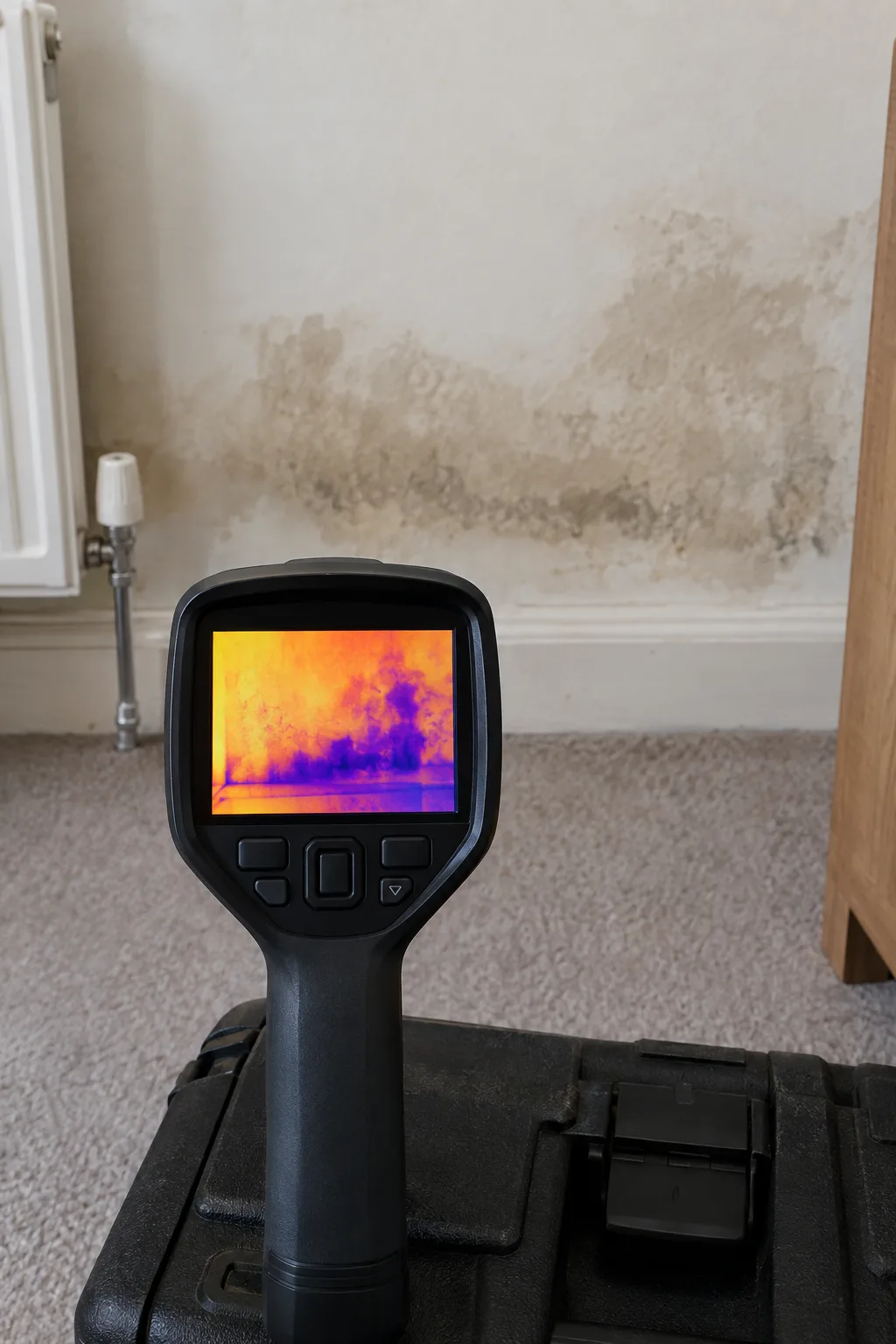
The backing and the joinery need consideration
Treatment of the affected alcove surfaces should account for the extent, material condition and access. A visible wall edge may be treatable while a fixed backing remains unassessed. Cleaning only that edge should not be presented as confirmation that the concealed space is unaffected.
Where source work is needed, plan it alongside surface treatment. Reinstalling shelves or a cupboard against a still-damp wall can conceal continued wetting. Ask which materials can be retained, what further checks are recommended and how the original affected positions will remain accessible until reinstatement is appropriate.
Keep the original arrangement in the record
Photographs showing the shelf depth, backing and stored contents can help explain the conditions observed. Retain the installation and repair history with the inspection findings. If someone else later opens the joinery, the record should show why access was recommended and which part remained unseen. A useful plan preserves that distinction between visible evidence and a concealed area still needing attention.
When calling, mention if the wall is shared with another property or a wet room. That may change the access or source investigation needed before any conclusion is reached.
PROPERTY & MOISTURE CHECKS
QUESTIONS BEFORE A VISIT
Useful questions
Do marked books prove the wall behind them is wet?
They identify a storage concern and useful position to inspect. The shelf board and original wall need separate assessment within the available view.
Should every book be discarded?
The wall inspection cannot make a blanket decision about all stored items. Describe their condition and discuss any appropriate specialist material assessment separately.
Will the mould service restore books and papers?
Confirm the agreed scope. Treatment of building surfaces is different from specialist restoration of stored contents, and should not be assumed to include it.
Why photograph shelves before emptying them?
The original arrangement shows which materials stayed enclosed and where signs began. A cleared view then helps examine the accessible backing.
Can one clear shelf rule out damp below?
No. Open shelves and closed lower cupboards may have different views and conditions. Record each affected section and any concealed backing separately.
Nearby areas
Check the storage and wall as separate materials
Call about your East Dulwich alcove with the affected shelf positions and any visible wall damage. We can discuss building checks and the treatment scope.