DAMP & MOULD SPECIALIST
Damp and Mould Specialist Forest Hill
The en-suite has not been used recently, yet the adjoining bedroom wall still looks wet. That observation needs interpreting with the material and source history before another seal repair is chosen.
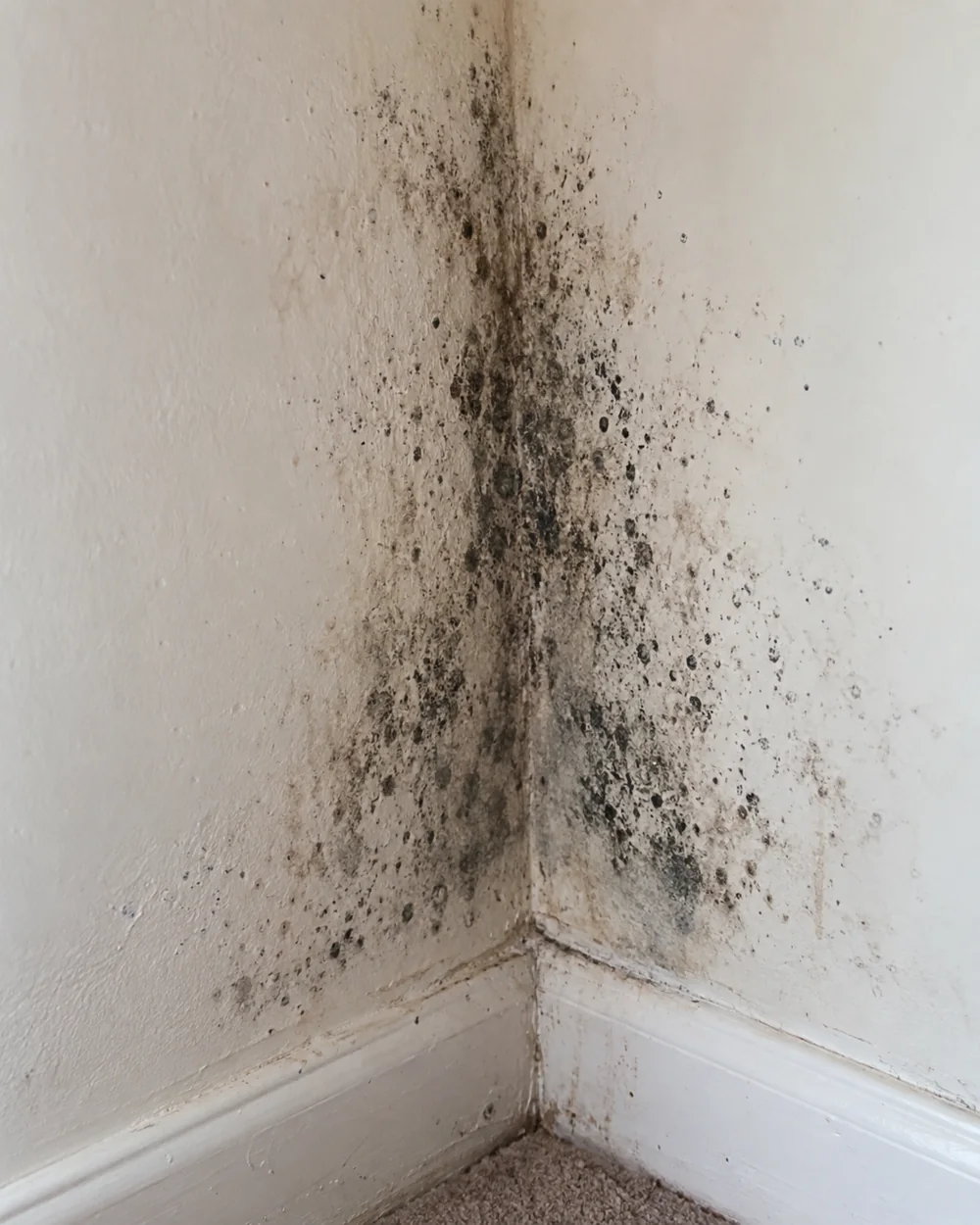
Describe the period without bathroom use
If this is happening at your Forest Hill property, record the ordinary period when the en-suite was unused and what changed on the bedroom wall. A stain can remain after earlier wetting, while new moisture or an expanding boundary raises another question. Non-use is useful timing information, but it cannot establish a hidden leak by itself.
A focused investigation of the persistent shared-wall damp can compare the present surface with that history. Explain whether the wall has been cleaned, heated differently or recently painted. Those changes affect the evidence available during the visit and should stay in the record.
Show the bedroom face and the accessible bathroom face
Photograph the full bedroom patch with the doorway and known bathroom position visible. In the en-suite, record accessible joints, panel edges or other marks without dismantling fittings. Label each image by room. The two finishes may reveal different parts of the moisture pattern, with the important backing still concealed.
Assessment of the en-suite’s fittings and moisture conditions helps place that comparison in context. Tell us about any visible water or damaged joint, keeping it separate from a suspected source. The inspection needs to explain how the accessible evidence supports the proposed route.
Find out what earlier resealing actually addressed
Keep the date, location and scope of any silicone renewal or fitting repair. A surface joint may have been attended to without examining concealed supply or waste connections. Conversely, a confirmed source repair can leave damaged material that still needs assessment. Avoid treating every return of the mark as proof that the same seal requires another attempt.
If the wall was opened during earlier work, retain photographs showing the exposed surface and fittings. Note what was checked and what remained unavailable. A later investigation can use those records to define the remaining question, while the current condition still needs its own observations.
Give a concealed-water check a specific target
Where the pattern suggests a concealed route, checks for hidden water beside the shared wall may help guide further investigation. Known pipe positions or construction records can identify a useful access area. They do not confirm the present state of every hidden fitting.
Agree any opening with the appropriate contractor and person authorising work. State the surface or connection it would help examine and keep photographs before reinstatement. The findings should identify areas still unseen. A temperature observation or one meter reading at the bedroom face is not a complete view of the en-suite construction.
Assess condensation as a separate contribution
The bedroom may have cooler corners or restricted airflow near furniture. Moisture from elsewhere in the home can reach it even when the en-suite is unused. A review of bedroom and en-suite airflow considers those conditions alongside the distinct shared-wall patch.
Describe normal doors, heating and extraction, including any temporary changes made after discovering the damp. Scattered growth on a cold corner may have a different pattern from persistent staining near a fitting route. Ask which observations support each recommendation so the plan keeps room-moisture measures and source repair distinct.
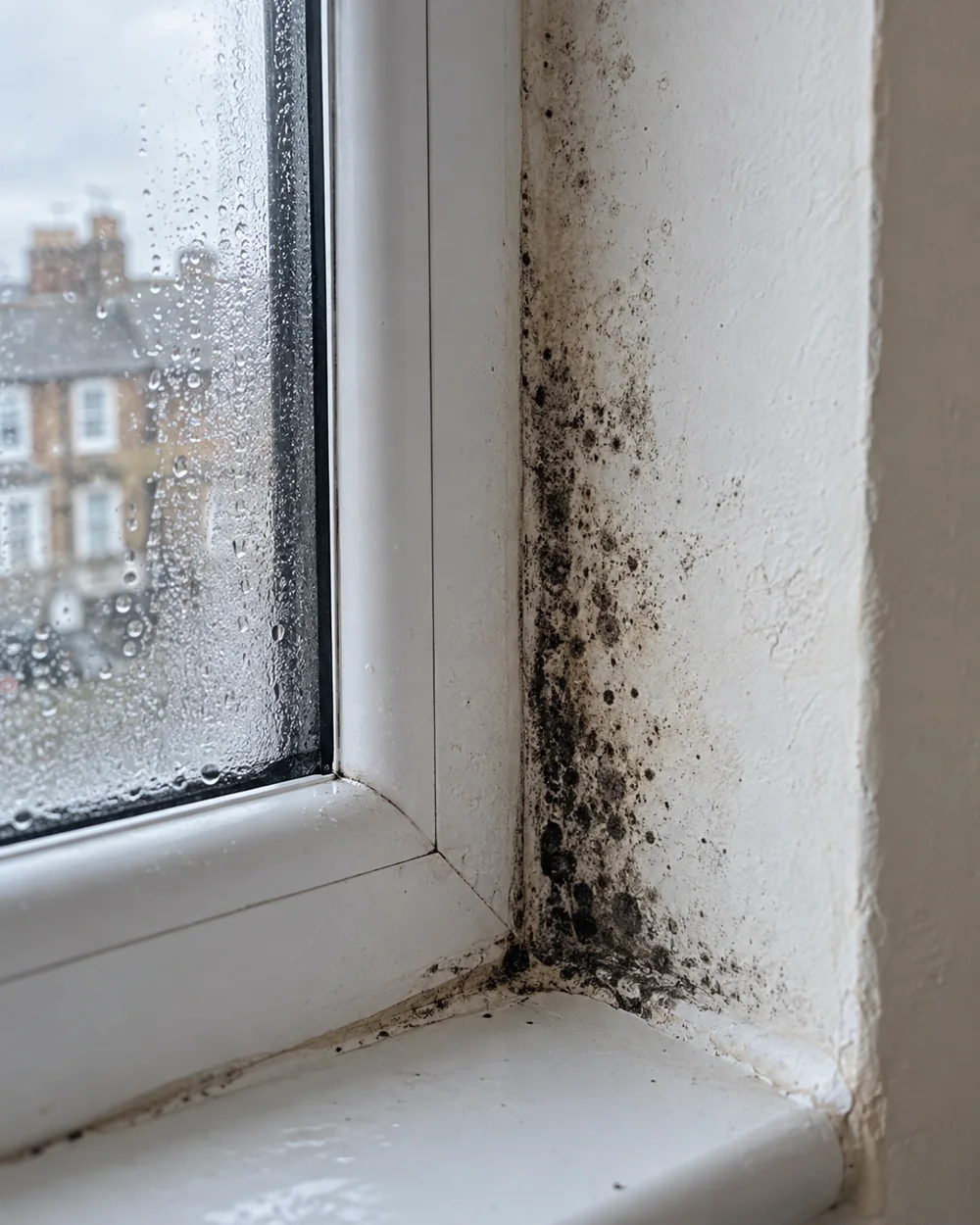
Choose the next surface task from the findings
Treatment of mould on the adjoining bedroom surface should account for its extent and material condition. It does not test hidden bathroom fittings, and source work may leave plaster or paint needing another decision. Discuss that sequence before a new finish conceals the patch.
Keep a record of any confirmed repair, treatment and area still awaiting access. Compare the same bedroom boundary through ordinary use, recording fresh change separately from old discolouration. The practical next step should answer the persistent moisture question, without another automatic reseal simply because the wall happens to sit beside a shower room.
PROPERTY & MOISTURE CHECKS
QUESTIONS BEFORE A VISIT
Useful questions
Does damp between showers prove a concealed leak?
No. Remaining material moisture, other sources and room conditions can affect the wall. The timing helps guide an investigation rather than identifying the source alone.
Why might a bedroom mark remain after a seal was repaired?
The mark may reflect earlier damage, continued wetting or another route. The repair scope and current material evidence need comparing before repeating the same work.
Should I avoid using the en-suite to test the problem?
Describe ordinary observations and any period of non-use already recorded. Discuss assessment arrangements first instead of creating an unusual routine or deliberate water test.
What if the bathroom’s tiled wall looks dry?
It is one visible face. The bedroom backing and concealed fittings may need other views, with the scope and any missing access clearly stated.
Can bedroom treatment be arranged before all hidden checks are complete?
Discuss the present condition and work sequence. Surface treatment may be considered within scope, while unresolved wetting needs its own plan and clear next check.
Nearby areas
Investigate the wall that stays damp between showers
Call about your Forest Hill bedroom and en-suite with the non-use observations and earlier repairs. We can discuss a focused shared-wall assessment.