DAMP & MOULD SPECIALIST
Damp and Mould Specialist Catford
A coating has been suggested for the low wall stain, but the moisture route is unclear. Have the evidence and affected material assessed before the product becomes the whole repair plan.

Ask what problem the proposed work is intended to solve
If you have been offered coating or replastering for a low damp wall in your Catford property, keep the scope in writing. Does it address a confirmed moisture source, damaged finish or visible staining? Those are different purposes. A low mark alone cannot identify the cause or establish that a particular product is suitable.
A wall moisture assessment before finishing work can compare the visible damage, materials and source history. Explain which decision remains open and share any earlier findings. The inspection should identify what supports the proposed treatment and what question still needs answering first.
Separate a measured observation from a source conclusion
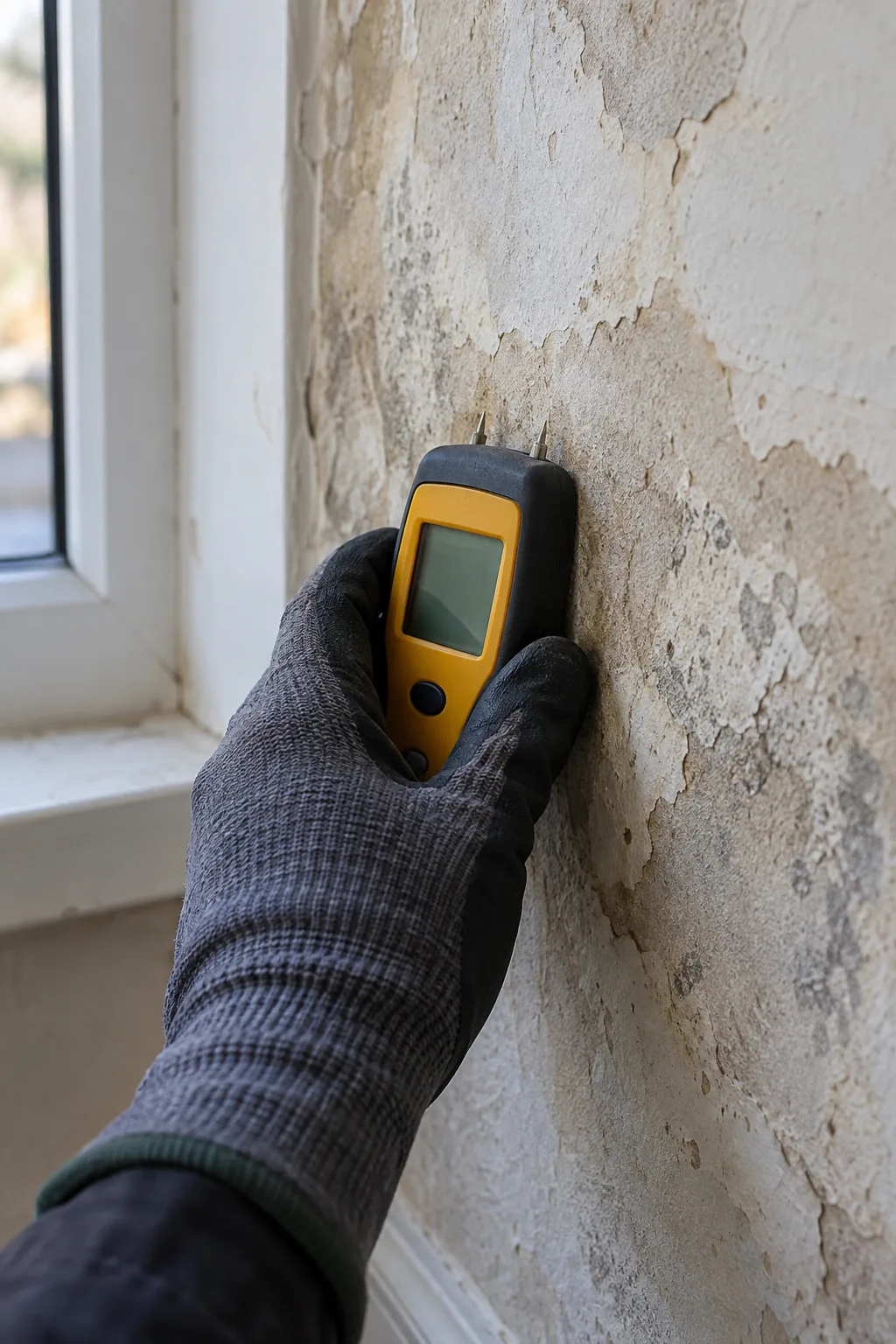
Ask where any readings were taken and what material was tested. A high reading is one observation needing context. The pattern, construction and possible water routes should contribute to the explanation. Photograph the full boundary, nearby openings and accessible wall base so the concern is located beyond one measurement point.
Record when the mark changes: after rain, ordinary fitting use or periods of colder weather. Keep fresh wetting separate from an old stain. If the wall has already been cleaned or painted, retain earlier images. The assessment needs to know which signs are current and which were covered before the proposed work.
Check a relevant outside route before an inside finish hides it
If the wall faces paving, soil or an accessible drainage feature, describe that arrangement and any changes made there. Checks of garden-side water-entry evidence may help where the damage relates to rain or an outside detail. The position of the indoor stain does not reveal the exact route on its own.
A concealed ground junction or inaccessible exterior may leave a defined question for another view. Ask what that check would establish before agreeing extensive work. Do not dig or remove finishes to gather evidence without appropriate arrangements. Keep the uncertainty visible in the proposed scope if it cannot yet be resolved.
Identify what the coating or plaster will cover
Describe the existing finish if known and any lining, skirting or repaired area at the wall base. New work may conceal the original surface and change future access. Photographs taken before preparation preserve the condition, especially if loose or damaged material needs a separate assessment.
Ask the proposed contractor which materials they intend to retain, remove or cover, and how that follows from the findings. A product name by itself does not describe that sequence. Source repair and reinstatement should be recorded as separate tasks, with the affected location and scope of each clearly identified.
Keep surface condensation on the assessment list
A low wall can also have sheltered areas behind furniture or storage. A review of the room’s moisture and airflow helps where the growth pattern suggests repeated surface wetting. Explain the normal furniture arrangement and room use, including any temporary clearing before the visit.
Condensation can contribute alongside another water route. Ask which observations each measure is intended to address. An indoor ventilation change does not repair an external defect, and a wall finish does not establish that room moisture removal is adequate. The work plan should preserve those separate purposes.
Use the findings to agree the work sequence
If mould is present, treatment of the affected low wall surfaces can be considered with extent and material condition. Damaged plaster or joinery may need another repair decision. Confirm what the surface treatment includes and how any source work supports it.
Before accepting the finishing scope, ask what has been confirmed, what needs a further view and what should be checked before decoration. Keep findings and photographs with the contractor. If the mark later changes, that record provides a clear account of the surface and source work completed, instead of another product being selected without revisiting the evidence.
PROPERTY & MOISTURE CHECKS
QUESTIONS BEFORE A VISIT
Useful questions
Does a low stain justify a particular wall coating?
The material and moisture source need assessing first. Its height helps locate the damage but does not establish the cause or product suitability.
What should a proposed damp-work scope explain?
The source evidence, affected location, material decisions and purpose of each task. It should also state any access or source question that remains unresolved.
Can one meter reading settle the coating decision?
No. The reading needs interpretation with the tested material, damage pattern and construction. Ask how those observations support the proposed work.
Should the wall be stripped before the assessment?
Discuss existing evidence and access first. Any removal should answer a defined question, with the appropriate contractor and reinstatement arrangements agreed.
Why keep photographs before coating or replastering?
They preserve the original boundary and material condition that the new finish may conceal. Keep them with source findings and repair details for later comparison.
Nearby areas
Assess the wall before accepting the finishing scope
Call about your Catford low wall with the marks and any proposed coating or plaster work. We can discuss the source and material questions the decision needs.