DAMP & MOULD SPECIALIST
Damp and Mould Specialist Greenwich
A bay window has several surfaces where moisture can collect or enter. We compare the marks across the opening and adjoining room before recommending next steps.
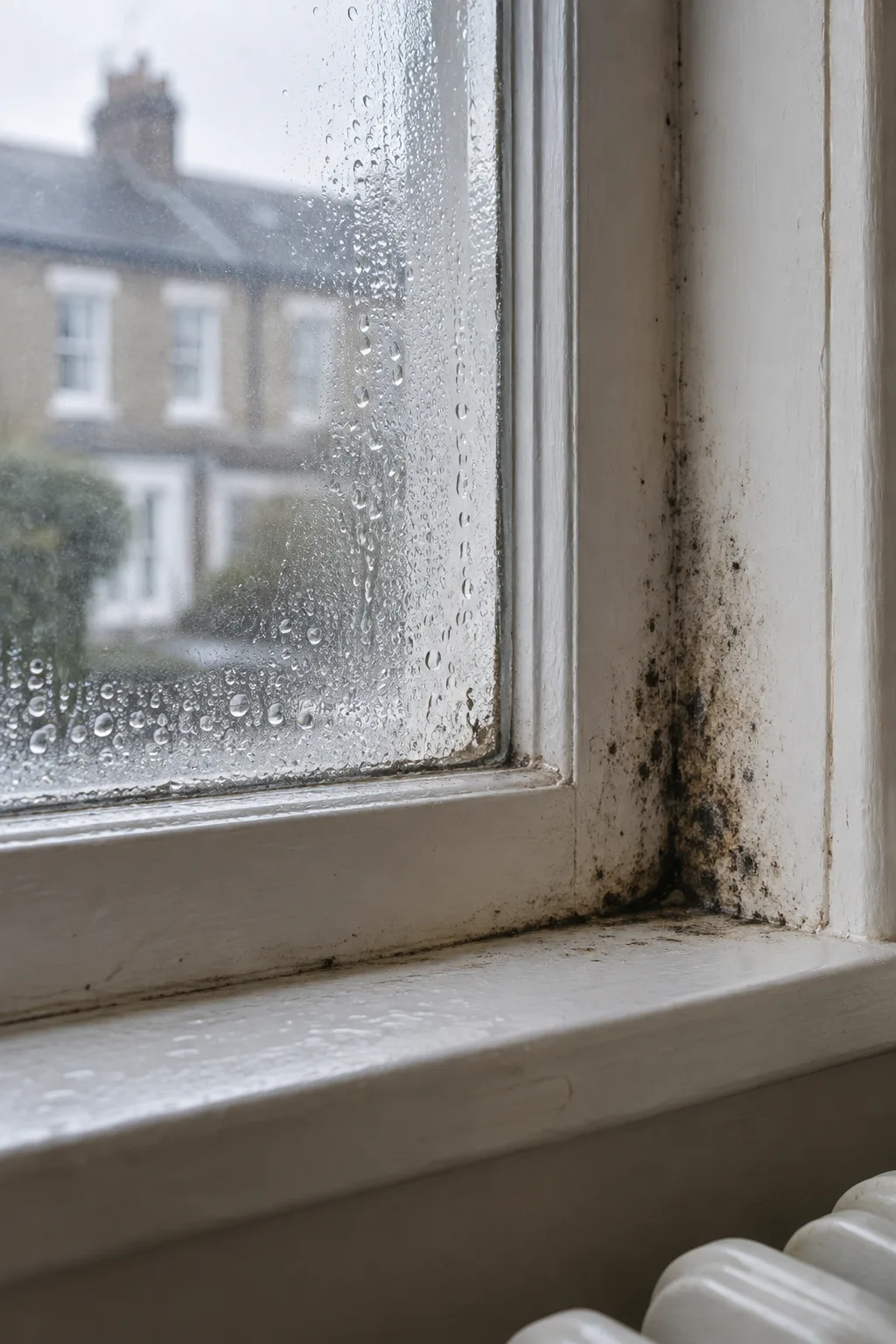
Which part of the bay is affected?
If your Greenwich home has a bay window with damp marks, record the exact position of the damage. Moisture on glass, mould at the side reveal and staining beneath the opening are different observations. A bay can have variations in surface condition and air movement, while external details may offer water routes. Give the timing and position of each symptom across the opening so the investigation can compare glass moisture, wall staining and sheltered corners.
Photograph the complete opening and the surrounding room before cleaning. Include curtains, seating and furniture that normally sit in the bay. Note whether every glazed section behaves similarly or one side develops most of the damage. Describe changes after rain and overnight use separately. That comparison is more useful than simply saying the bay leaks or suffers condensation.
Examine the reveal, glass and adjoining wall
Our window and cold-surface assessment follows the different symptoms across each exposed part of the bay, checking visible seals and the affected adjoining finish. Curtains or fitted furniture can restrict local air movement, but they should not explain away a wall that gets wet after rain. We compare the distribution and ask about earlier repairs. New paint or a lining may conceal the original stain boundary.
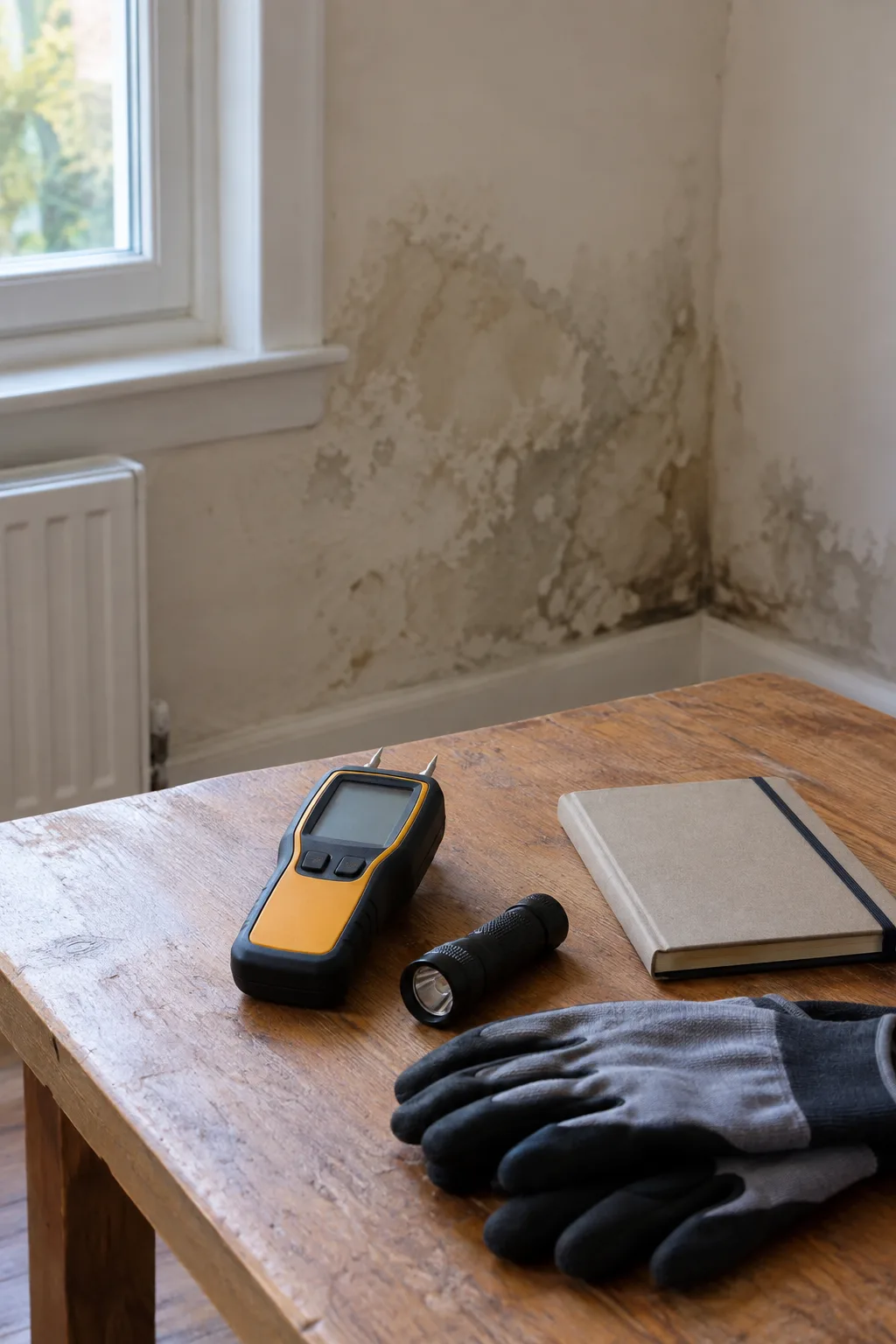
A moisture investigation around the bay helps assess persistent damp beyond the glass. Readings need interpreting with the material, finish and adjacent surfaces. Fixed panelling or inaccessible construction limits what can be established. The findings should name any concealed bay detail relevant to the remaining question and explain which record or access would help check it.
Follow weather-related changes outside where accessible
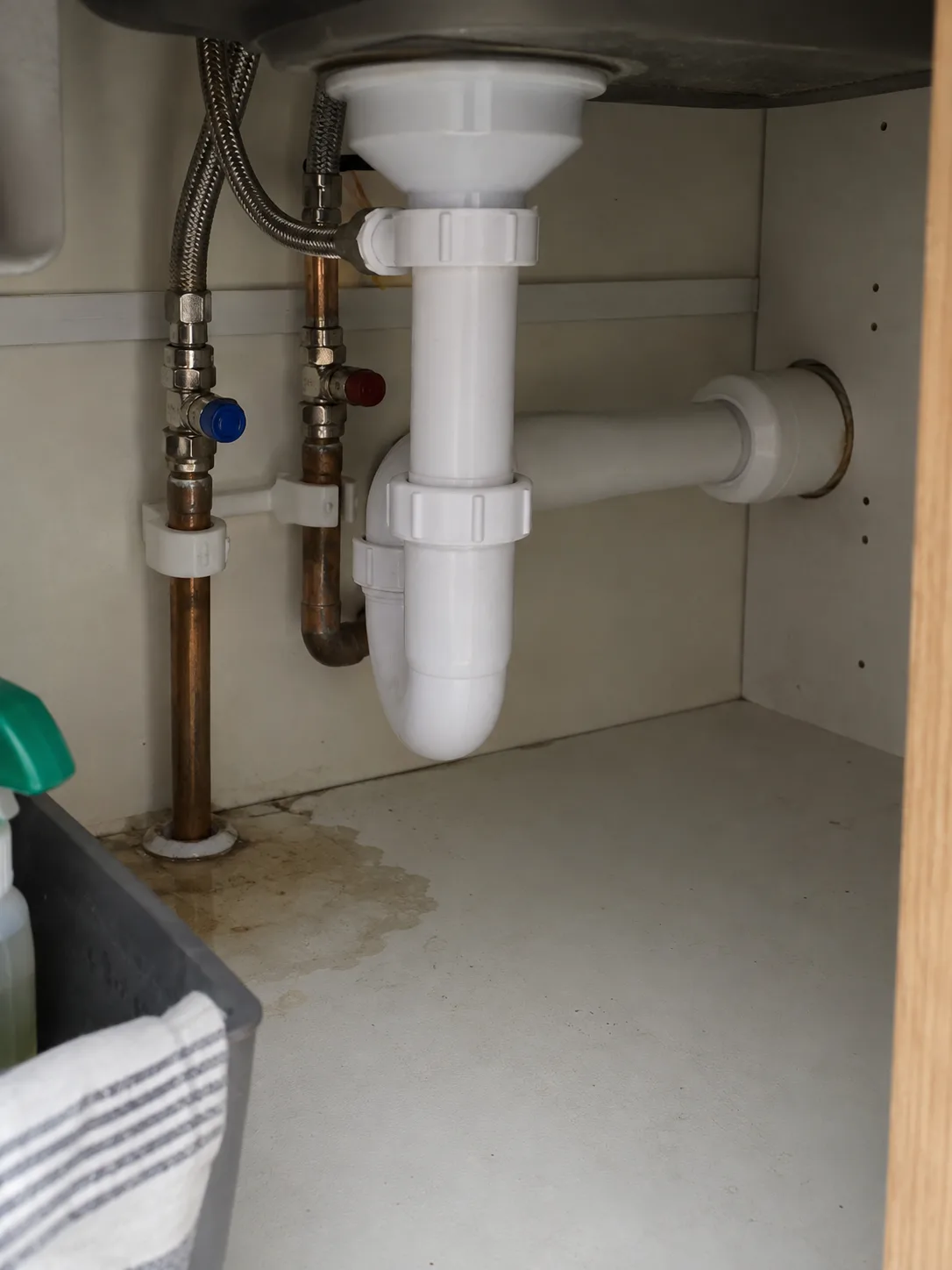
For a rainfall connection, external water ingress checks may consider visible openings, joints and drainage concerns. Some bay details at high level or behind finishes require additional access. A stain need not sit directly below the water entry point. A repair recommendation should explain the observed entry route and how it relates to the timing and position of the damage indoors.
Share records of any sealing, glazing or masonry work previously done. If the damage improved only partly, say how it changed. Retained moisture, an incomplete route assessment and a second source are different possibilities. Repeating the same repair without reviewing those findings may leave the central question unanswered.
The room’s moisture balance still matters
Where water appears overnight or mould is scattered on cooler surfaces, a review of condensation and ventilation considers indoor moisture, heating and air movement. The bay’s local conditions may differ from the centre of the room. Recommendations should fit normal use, and temporary measures introduced after the problem appeared should be identified so the visit has the correct context.
Plan the surface work with its supporting measures
Discuss treatment of the mould-affected finishes with any repair or ventilation work required. A clean surface can look restored while renewed wetting continues. Damaged paint, sound plaster and fixed panelling may need separate consideration. Ask which tasks can proceed and what needs confirming before decoration conceals the evidence.
Compare the same parts of the bay afterwards
After agreed measures, photograph the same opening through ordinary room use and relevant wet weather. Note whether glass moisture, wall staining and growth each improve. They may not respond in the same way, especially where more than one source was involved. New damage should be recorded before additional sealant or paint changes its appearance.
If the bay contains fixed storage or a radiator that prevents access, mention that when booking. Do not remove installations simply to prepare. The initial assessment can explain what remains inaccessible and which further checks have a useful purpose. A defined source question gives the next contractor a useful scope and identifies which concealed part needs attention before the opening is altered.
Where a seat or storage unit is fitted beneath the bay, explain which surfaces it conceals. Its position may affect both access and local airflow. Photograph the usual arrangement before clearing movable items so the inspection retains a record of the sheltered space, its airflow and the surfaces it concealed.
PROPERTY & MOISTURE CHECKS
QUESTIONS BEFORE A VISIT
Useful questions
Does a damp bay need new glazing?
Not automatically. The inspection considers condensation, the accessible opening condition and possible water routes. Replacing glazing may not address wetting elsewhere in the assembly.
Why record which side of the bay gets wet?
Differences across the opening can help guide checks of airflow, surface conditions and local water entry. Record those differences with their timing so the inspection can compare the relevant room conditions and possible water routes.
Can curtains affect the corner reveals?
They can restrict local air movement. We consider their usual position while also examining building-related explanations where the pattern supports further checks.
What if rain changes only the wall below the bay?
Describe that separately from glass condensation. Its timing may guide a closer source check while glass condensation is assessed separately, giving each symptom the attention its pattern warrants.
Should I remove panelling before inspection?
Discuss access first and photograph the original condition. Further removal should answer a defined question, with limitations explained where concealed material remains unseen.
Nearby areas
Get the bay-window damp assessed
Call about your Greenwich opening and explain which surfaces get wet. We can discuss accessible checks before further repairs.