DAMP & MOULD SPECIALIST
Damp and Mould Specialist Lewisham
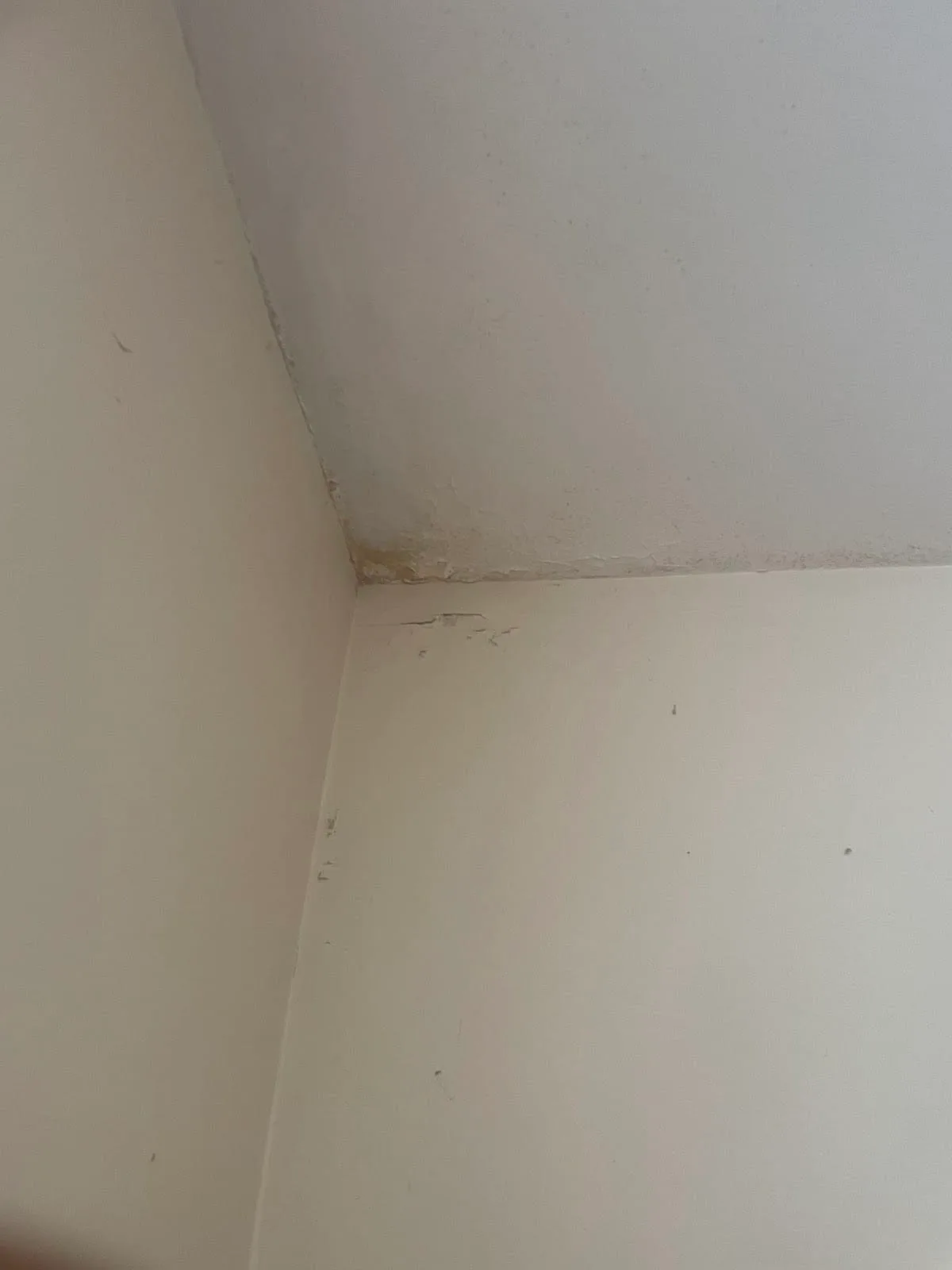
When bedroom damp follows a new en-suite installation, the handover records can clarify what was checked. We compare them with the current surfaces before another contractor closes or decorates the wall.
Separate installation completion from source checks
If a new en-suite has been installed in your Lewisham home and the bedroom wall is now damp, gather the handover information before choosing a repair. An invoice stating that the bathroom is complete may describe the fittings without explaining tests, ventilation setup or concealed connections. Record what is documented and what remains unknown. The sequence deserves investigation, with no assumption that the installer caused every mark.
Identify when the first wetting was noticed relative to installation, first ordinary use and decoration. Keep photographs of the shared wall before tiling or boarding. If the bedroom was marked before the work, include that earlier evidence too. It changes the question from a wholly new symptom to a possible continuing condition.
Ask what each installation record actually covers
A commissioning sheet, plumbing note and decorating invoice answer different questions. Check which component was tested, the date and any recorded access limit. A test of one accessible fitting should not be treated as a check of every concealed connection. If documents use unfamiliar terms, retain them for the relevant contractor instead of interpreting them as a whole-room guarantee.
An assessment of the newly installed en-suite can compare accessible seals, fittings and repeated wetting with that history. Describe panels designed to open and who can provide suitable access. The next check should identify an unresolved connection or wall area, keeping the reason for disturbance clear before finishes are removed.
Connect the bedroom mark to the first-use timeline
Photograph the bedroom side and the corresponding bathroom position. Note whether wetting follows shower use, drainage or a period with no bathing. Record the normal extractor controls and any settings changed at handover. A tiled face can hide a different condition from the painted bedroom side, so the two views should remain distinct in the findings.
A review of post-installation moisture at the shared wall compares accessible readings with the actual materials. Installation photographs may help locate pipe routes but cannot confirm their present condition. Ask which part of the existing evidence supports the next enquiry and which current view is still missing.
Where the concern is repeated surface wetting after bathing, checking the handed-over extraction arrangement can help relate the available controls to the symptoms. Keep this separate from a suspected fitting leak. Before another contractor makes good the bedroom, provide the record of what was installed, what was tested and what the moisture assessment still needs to establish.
Keep concealed fittings in the investigation
We compare accessible moisture patterns and visible damage with the shared wall’s construction. A tiled bathroom face and painted bedroom face may provide different evidence. Measurements must be interpreted with those materials. Recent seal replacement or plumbing work is useful history but does not prove every hidden connection has been checked.
If the findings suggest concealed water, tracing a possible hidden bathroom leak may need agreed access. Identify which panel or fitting requires examination and who will arrange it. The inspection should distinguish a suspected route from a source that has actually been confirmed.

Plan work in both rooms where the evidence calls for it
Treatment of the bedroom mould should reflect the material condition and accessible extent. If the en-suite is repeatedly supplying moisture, that needs its own response alongside treatment. A plumbing repair and a ventilation change have different purposes, even if both are recommended.
Before reinstating finishes, check areas concealed by fitted furniture or bathroom panels. A clean exposed bedroom wall cannot establish the condition of the shared backing. Keep the original photographs and record the source work completed, so a later review can compare those exact bedroom and bathroom positions.
Prepare a connected account of the symptoms
When calling, describe both spaces and explain which marks appeared first. Mention if the wall is shared with another flat or if access to fittings is limited. You do not need to diagnose the issue yourself. A clear timeline and simple room plan help define a useful scope before anyone disturbs the bathroom installation.
If earlier cleaning temporarily removed the bedroom growth, note how soon the surrounding surface became wet again and whether the en-suite arrangement changed. That record helps distinguish a recurring condition from a separate event, without inventing a precise cause from the recurrence alone.
PROPERTY & MOISTURE CHECKS
QUESTIONS BEFORE A VISIT
Useful questions
Does a completion invoice show the en-suite was tested?
Read its actual scope. It may record installation without identifying commissioning, fitting tests or checks behind the shared wall.
What should I request from the installer?
Ask for the fitting layout, any commissioning or testing record and photographs before concealed finishes were closed, identifying the relevant room and date.
Why does the first-use date matter?
It helps compare symptoms noticed during installation with wetting after ordinary bathing. Timing guides the checks while leaving the source to be established.
Should making-good work wait for the assessment?
Discuss the current wall and unresolved source question before covering it. New finishes can remove useful evidence or access.
Can extraction and a fitting leak both need attention?
Yes. The plan should state what was checked and give each supported action its purpose, so one completed task does not imply both questions are resolved.
Nearby areas
Check the en-suite handover against the damp
Call about your Lewisham installation with the work dates, bedroom mark and available testing records. We can discuss the current wall and useful next checks.