DAMP & MOULD SPECIALIST
Damp and Mould Specialist Blackheath
A wall facing a side passage can have awkward external access and confusing indoor signs. We compare the moisture pattern with the accessible building details.
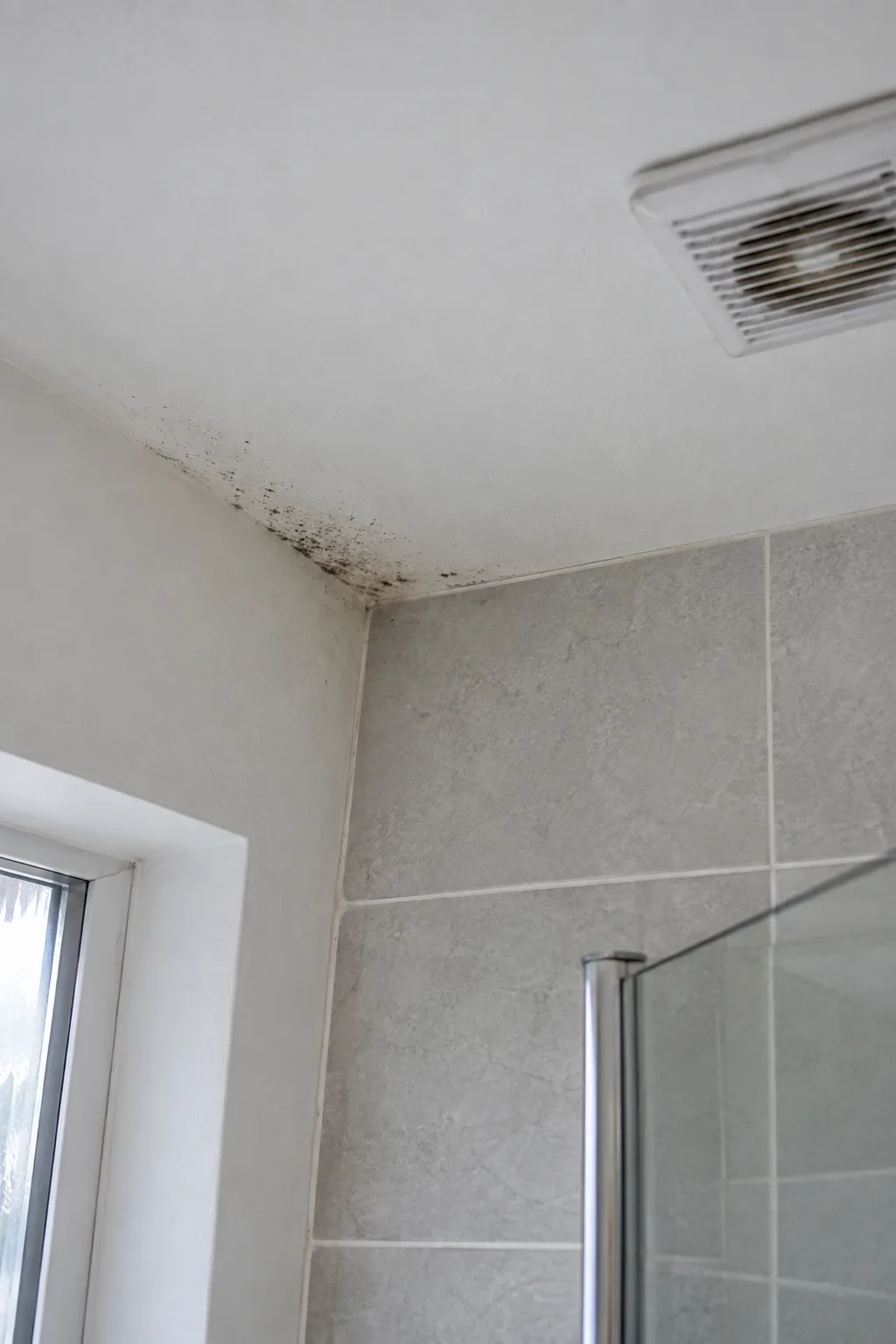
The external setting matters to the wall
If a room in your Blackheath property backs onto a narrow side passage, the space outside deserves consideration. Drainage, external levels and openings may influence moisture routes. Restricted access may also make repairs and inspection harder. None of those features establishes that the passage is causing the damp; the indoor evidence still needs relating to the actual construction.
Tell us whether the passage is covered, whether water stands there and who controls access. Mention later paving, drainage work or altered doors. Photographs taken from a safe accessible position can help explain the setting. Do not enter a confined or difficult space solely to collect inspection evidence.
If the passage serves several properties, clarify which wall face and drain belong to the affected room’s setting. A wet area elsewhere in the shared space may be unrelated. A simple annotated photograph can help a manager understand the precise access needed. That makes a further external enquiry more useful than a general request to inspect the whole passage for damp.
Compare wall-base damage with the window area
A damaged skirting, patch near an opening and mould behind a cabinet may involve different conditions. Record where wetting starts and how it changes after rain or colder weather. Low-level damage alone cannot establish a particular damp type. Look at adjacent finishes as well as the most visible mark so the pattern is not reduced to one measurement point.
Checking accessible passage-side ingress details helps identify where outside defects or drainage concerns warrant closer attention. The visible indoor patch may be away from the point where water entered.
Separate outside water from condensation
An external wall can be cooler than the room’s other surfaces. Furniture against it may restrict air movement, allowing indoor moisture to collect. This can coexist with a drainage or junction issue outside. We compare the indoor conditions with the passage-side evidence, explaining which signs support condensation and which warrant an external enquiry.
A review of the affected room’s moisture conditions is useful where growth follows repeated condensation. It cannot repair a water-entry detail. Recommendations need to state which observations support ventilation changes and which support a separate building enquiry.
An inaccessible exterior needs a clear limit
We assess accessible surfaces and compare relevant readings, considering the material and wall finish. The history of external changes helps frame the enquiry. If the passage cannot be reached, that affects what can be confirmed. An indoor assessment can identify a concern without proving the condition of every external joint or hidden below-ground detail.
Investigating the wall’s moisture pattern can define what access would be useful next. Define what a closer view should answer, such as whether a particular opening relates to the wet patch, before arranging that check.
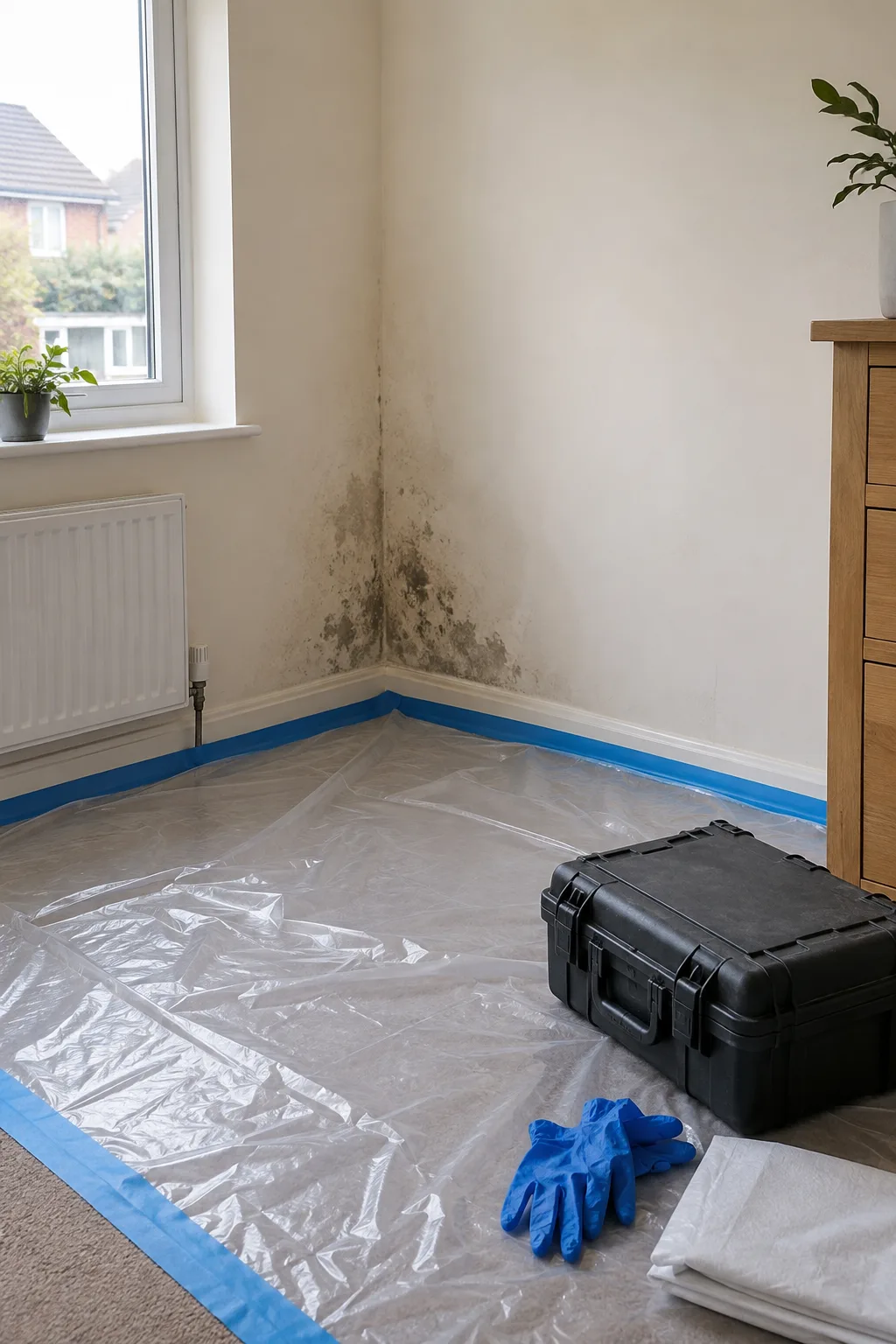
Surface restoration follows the source work
Treatment of affected internal surfaces should be planned with any supported repair recommendation. Removing growth does not change standing water or a failed external detail. Improving ventilation does not resolve every damp wall-base condition. Each action needs a clear purpose based on the findings.
Before new skirting or a wall lining covers the damaged area, consider the underlying material and whether further assessment is needed. Keep a record of drainage or building repairs and the locations checked. A fresh finish can make review harder if the original moisture route remains uncertain.
Arrange access around the actual question
Where a neighbouring owner or managing agent controls the passage, discuss authorised access early. Share the exact affected wall position and a concise history of wetting. That helps whoever arranges the next visit understand why a view is needed. The initial findings should name any unseen wall section or external detail that matters, with a specific question for the next inspection.
Retain photographs taken before cleaning and note any occasions when the patch returned through paint. The recurrence is useful history, but should not be treated as proof of the same unverified cause each time.
PROPERTY & MOISTURE CHECKS
QUESTIONS BEFORE A VISIT
Useful questions
Does a narrow side passage make the wall damp?
Not automatically. Its drainage and details may be relevant, while condensation or another source can also affect the adjoining room.
Is low damage beside the passage rising damp?
The height alone cannot establish that. Accessible materials, external conditions and the moisture pattern need assessing together.
Can you confirm the exterior from inside?
Indoor evidence may suggest further checks, but inaccessible external details cannot be fully assessed without appropriate access.
Should I change the passage paving first?
A source investigation should inform that decision. Altering levels or drainage on a guess may not address the relevant moisture route.
Why inspect behind the cabinet too?
The enclosed wall may have different condensation conditions or reveal more of the damage pattern. It helps distinguish neighbouring mechanisms.
Nearby areas
Discuss the wall beside the passage
Call with your Blackheath address, the wetting pattern and available outside access. We can plan a useful first investigation.