DAMP & MOULD SPECIALIST
Damp and Mould Specialist Peckham
Indoor laundry adds moisture, but it does not explain every damp mark. We inspect the affected room and distinguish practical moisture issues from water entering elsewhere.
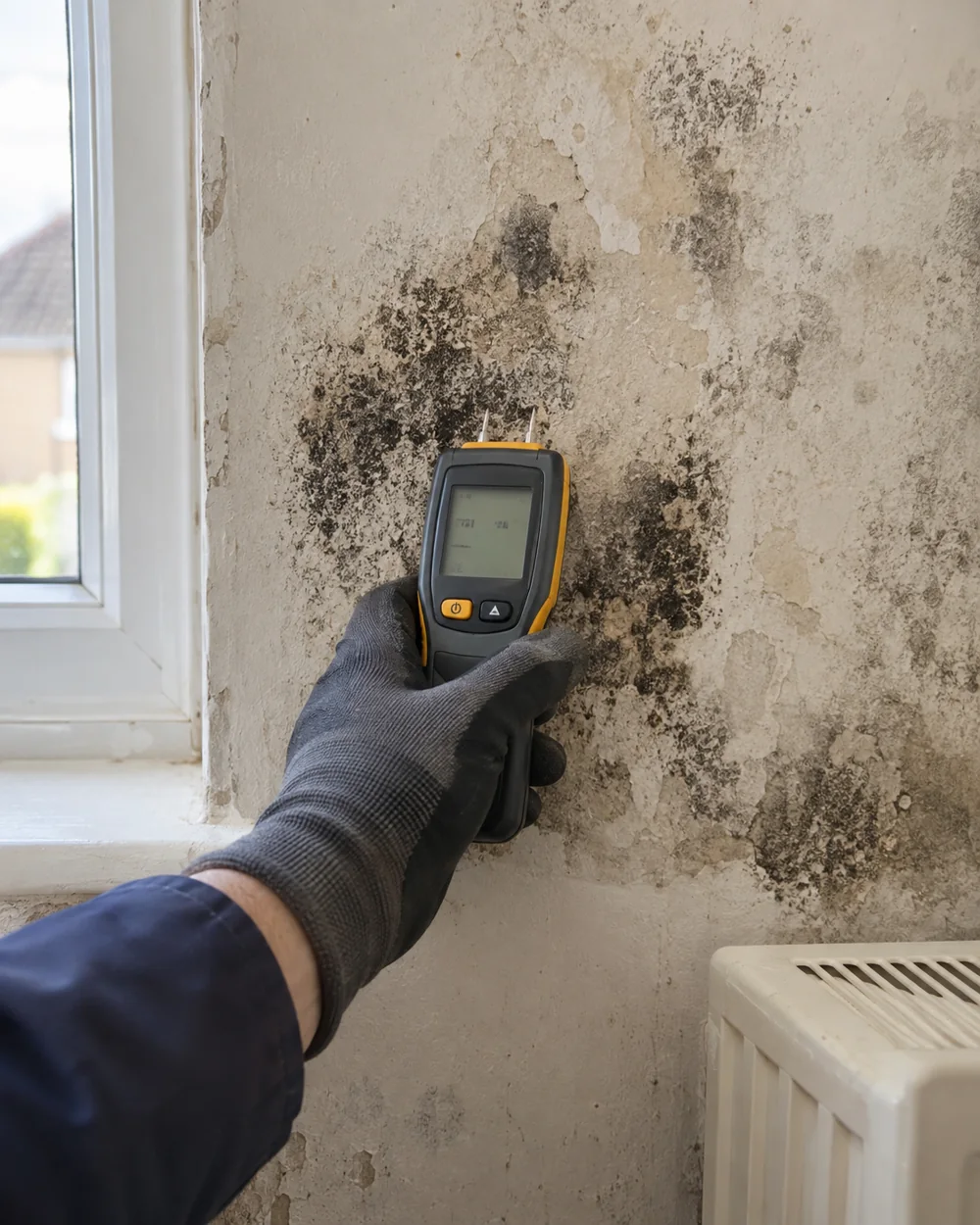
An activity provides context, not a verdict
If you dry washing in a room in your Peckham home and mould has appeared, tell us about that routine without assuming it is the complete cause. Laundry contributes moisture to indoor air, which may settle on cooler surfaces. A building defect or plumbing source can also affect the room. Include the laundry routine and any rain-related or plumbing observations so the inspection can assess indoor moisture alongside possible building sources.
Describe where the clothes stand, how the room is heated and whether doors or ventilation points are usually open. Include the hours when the space is occupied for another purpose. Photograph the room and the affected surfaces before moving equipment. If mould is concentrated on one wall while the rest stays clear, that distribution deserves attention alongside the general moisture production.
Follow moisture beyond the drying rack
A condensation assessment of the room checks how moisture clears during the usual drying routine, including installed ventilation and surfaces where water or growth appears. Look for moisture in the adjoining room and behind furniture too, keeping a record of where the symptoms appear during ordinary laundry use. Recommendations should fit the actual layout and routine. Discuss the installed ventilation provision and any defined wet patch so the recommendations explain the actual change or source check needed in this room.
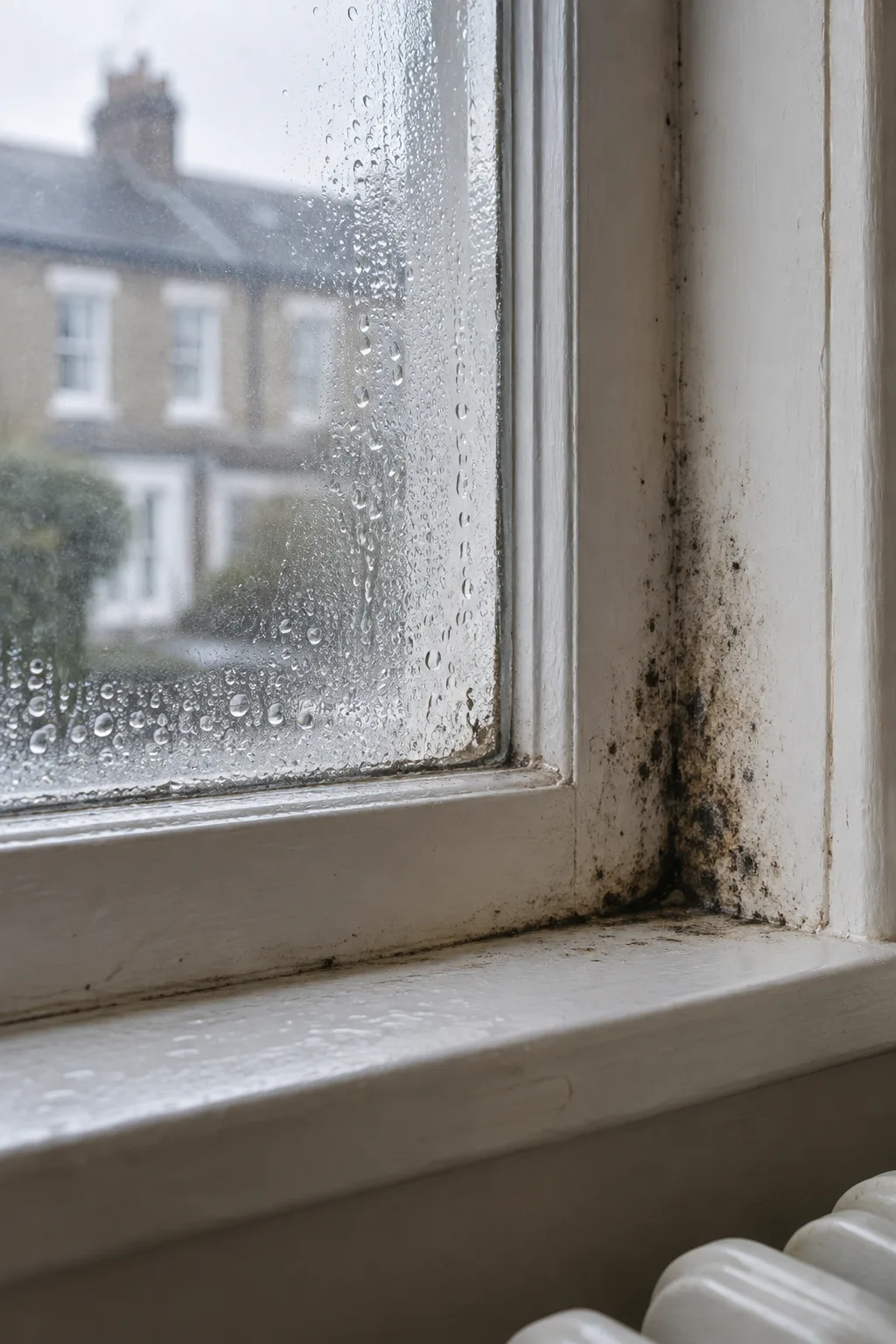
If the room has wet window reveals or sheltered wall corners, cold-surface checks help assess those locations. A comfortable room temperature does not prove that every recess is dry. Tell us about curtains, furniture and fixed storage in their ordinary positions so the assessment retains the context that may change when the room is cleared.
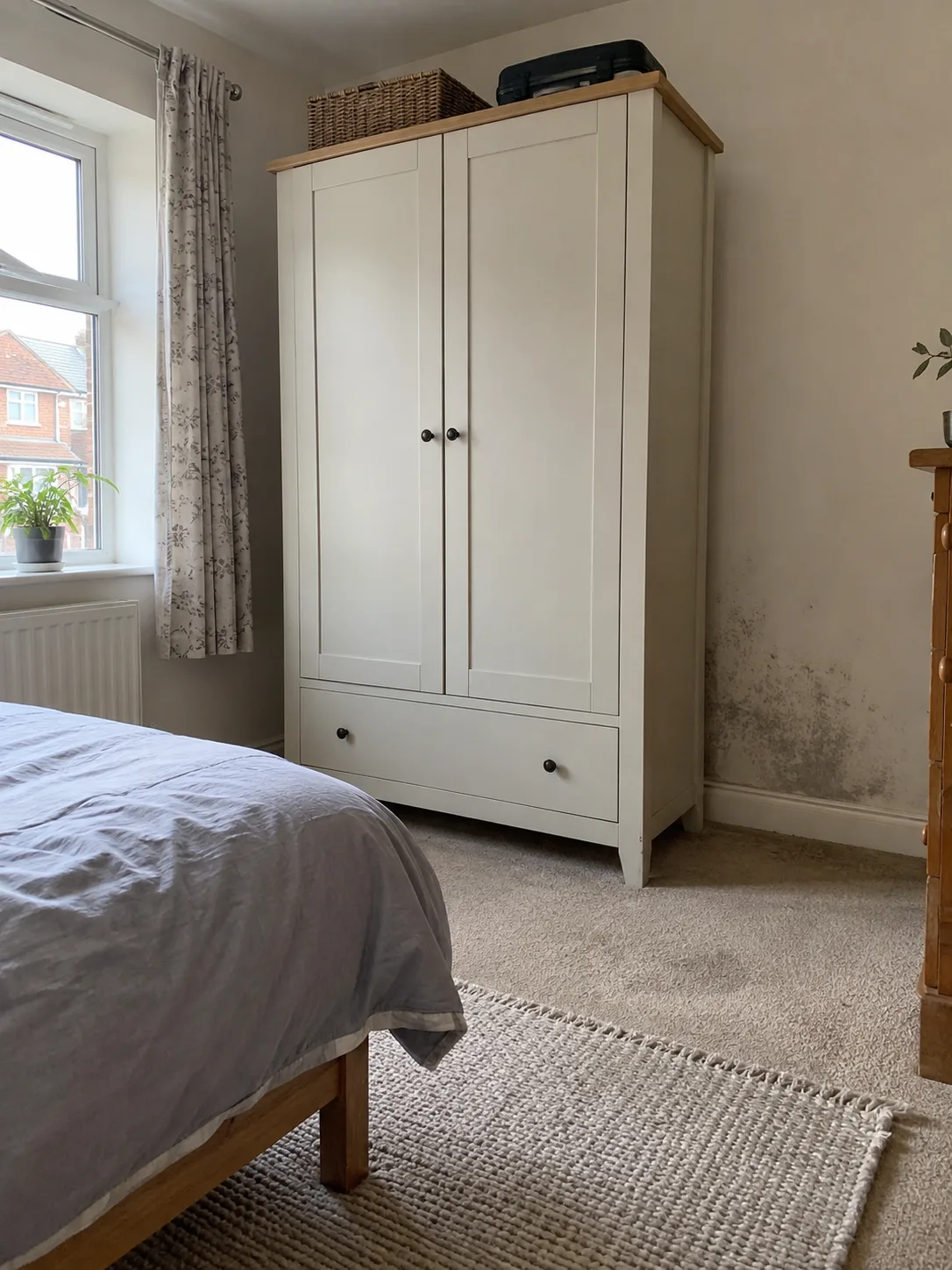
Persistent staining needs its own investigation
A defined patch, damaged plaster or a wall that remains wet while no laundry is drying may justify a wider moisture investigation. Readings need interpreting against material, finish and nearby condition. The presence of laundry should not be used to dismiss evidence for another route. We should say which findings support the explanation and where further checks are needed.
For rain-related changes, external water ingress checks may be relevant where access allows. A stain near a service may need a plumbing-related assessment. Share the history and any repairs already attempted. Where several contributors are found, identify the purpose of each proposed task, including what addresses laundry-related moisture and what repairs a separate water route.
Address the growth with a moisture plan
Discuss treatment of the affected mould alongside the changes supported by inspection. The surface condition matters if paint or plaster has deteriorated. Cleaning does not alter a continuing leak or the room’s ventilation arrangement. Ask which measures reduce repeated wetting and whether any further investigation must happen before the room is decorated.
Be realistic about how the space is used
Explain practical limits on changing the laundry arrangement. That helps make the discussion useful without denying the contribution of indoor moisture. Recommendations should distinguish everyday measures from repairs or ventilation work. If temporary equipment has already changed the room’s condition, tell us when it was introduced and whether wall symptoms improved as well as wet glass.
Compare normal use after the changes
After agreed work, review the same surfaces through the routine that previously produced moisture. Keep photographs and note the position of any return. A dry day without washing is not the same as observing the room through ordinary use. If one sign improves and a defined stain remains, report the difference; the remaining source may require another investigation.
In a rental property, keep observations factual and share them with the person arranging the assessment. The occupant’s routine is useful information, but findings should also describe the property condition and relevant provision. Do not treat a laundry rack in a photograph as an automatic decision about responsibility. The inspection should explain evidence and recommendations, with limitations identified where access prevents confirmation.
PROPERTY & MOISTURE CHECKS
QUESTIONS BEFORE A VISIT
Useful questions
Does drying washing indoors prove it caused the mould?
No. It adds moisture and is relevant context, but other water sources or building conditions may contribute. The inspection should assess the actual pattern.
Why check the adjoining room too?
Moist air may move beyond the drying space and settle elsewhere. Accessible comparisons can help explain the route without assuming every mark has the same cause.
What if the patch stays wet when no washing dries?
Tell us about that timing. It may indicate another source needing investigation, and should not be ignored because the room is also used for laundry.
Can a dehumidifier prove the diagnosis?
Note what improved while it ran and which wall symptoms remained. Those results help the assessment distinguish a change in room moisture from a patch needing another source check.
Should I remove the rack before inspection?
Keep a photograph of its normal position. Clear safe access if needed, while explaining the ordinary arrangement so the visit does not lose useful context.
Nearby areas
Assess the room without assumptions
Call about the Peckham room, the drying routine and the surfaces affected. We can discuss condensation and wider moisture checks.