DAMP & MOULD SPECIALIST
Damp and Mould Specialist Bermondsey
In a flat, the source of a damp mark may sit beyond the affected room. We follow the accessible evidence and explain where further information or access is needed.
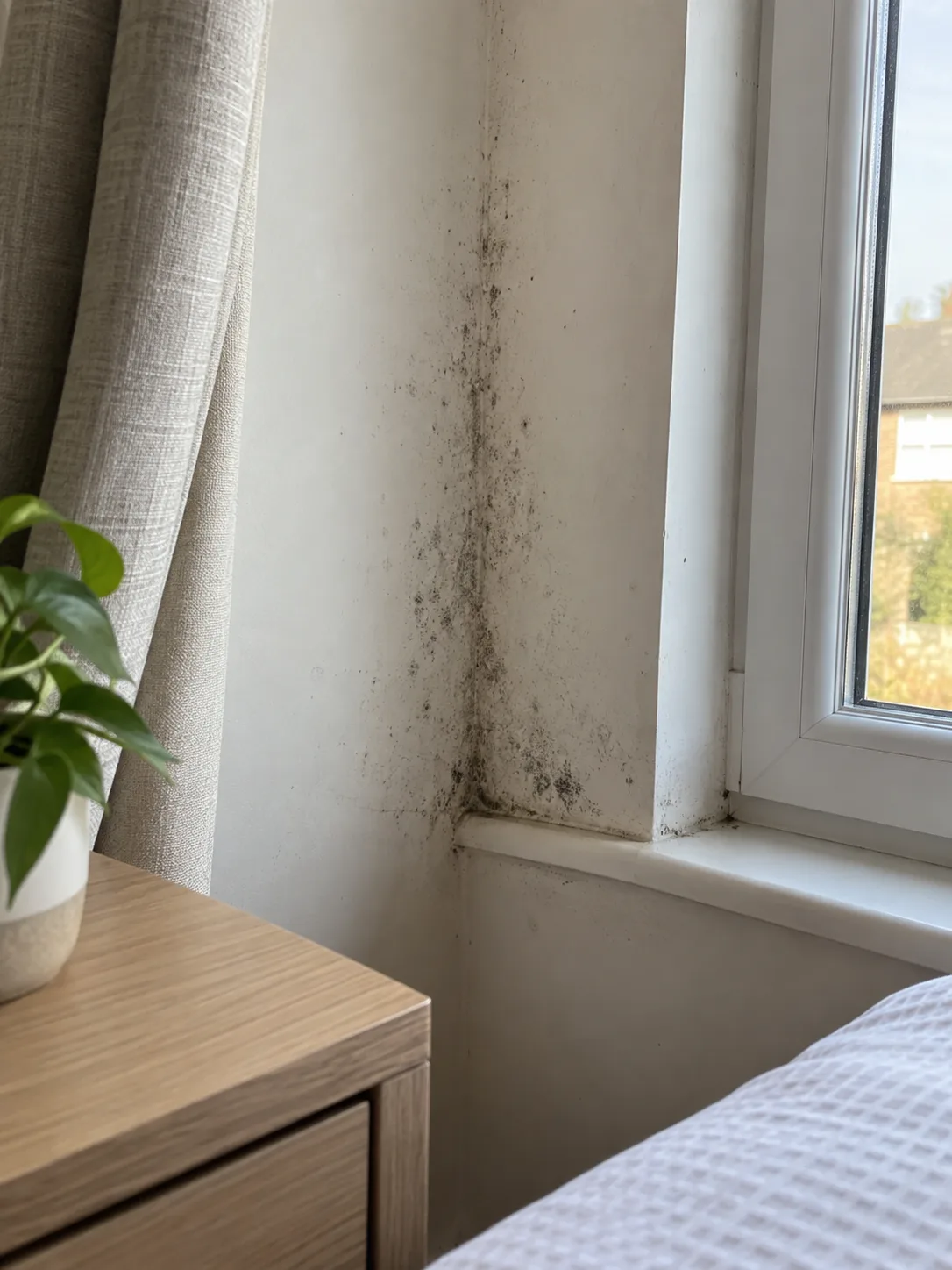
The stain and source may be in different places
If your Bermondsey flat develops a recurring damp patch, note its position relative to known services, external walls and adjoining rooms. Include known fitting routes, any relevant damage above the flat and rain-related changes in the account you supply before the visit. Indoor condensation is another possibility. Record nearby service routes and adjoining spaces so the investigation can identify the relevant source area and who can provide access there.
Take a wide photograph and describe whether the mark changes with rain, heating or use of a bathroom. A close-up can show damage but not the layout. Keep dates of previous repairs and any information supplied by adjoining occupants or a managing agent. Provide those records with the occupant observations so the inspection starts with a clear sequence of symptoms, checks and completed work.
Start with the room that can be inspected
A moisture investigation within the flat connects the occupant’s timing observations with measurements and the damage on exposed wall or ceiling finishes. Materials and coatings affect interpretation. A surface measurement cannot automatically establish the condition of a concealed void or an inaccessible adjoining property. Findings should distinguish observed evidence from likely explanations and the checks still required.
If the wall has recently been decorated, share earlier photographs and the work description. Staining may persist after the original wetting has stopped, while a new finish may hide continuing damage. Explain if the patch disappears temporarily and later returns. That sequence can guide the next checks, but it does not justify a guarantee about a hidden source.
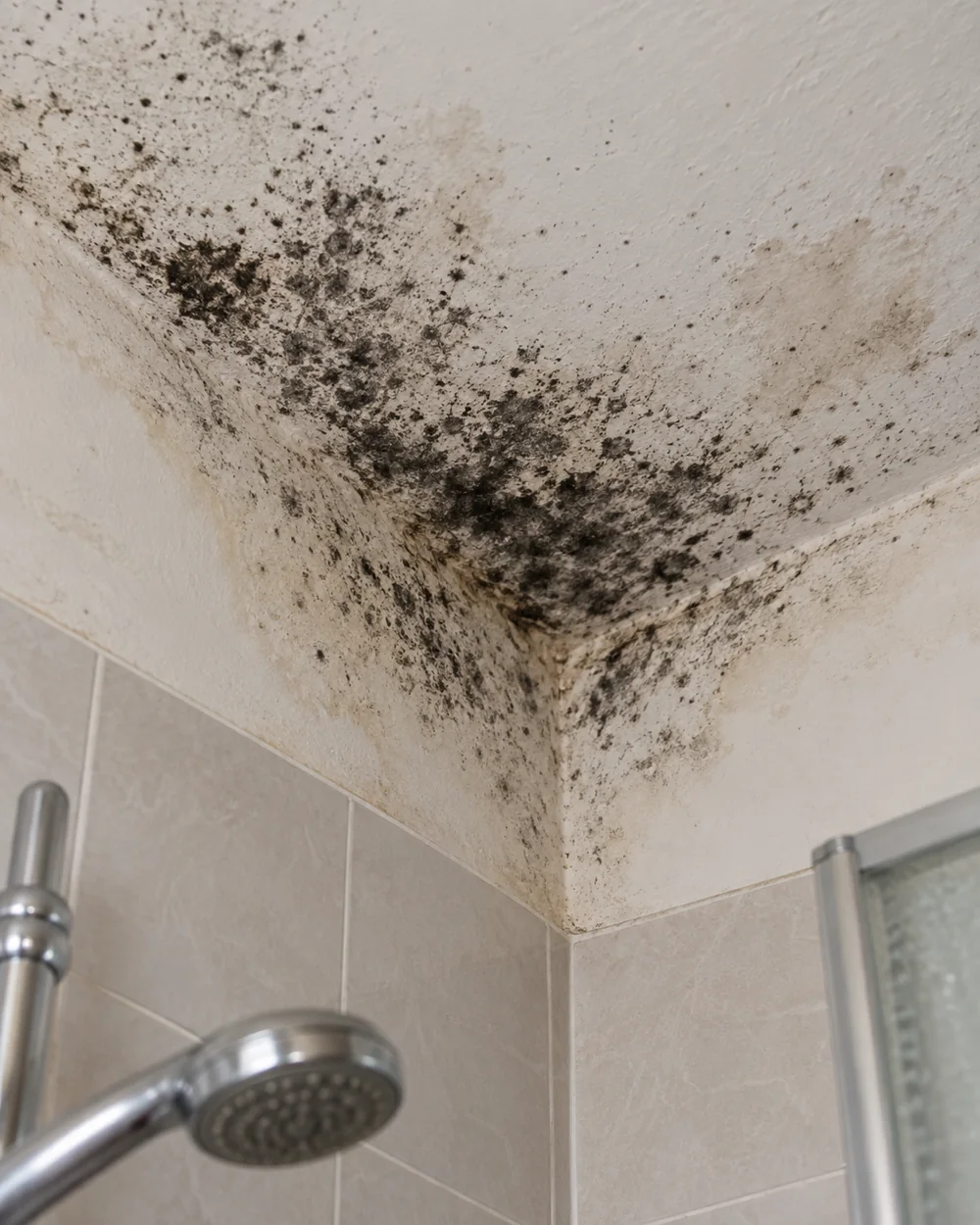
Choose the next investigation from the evidence
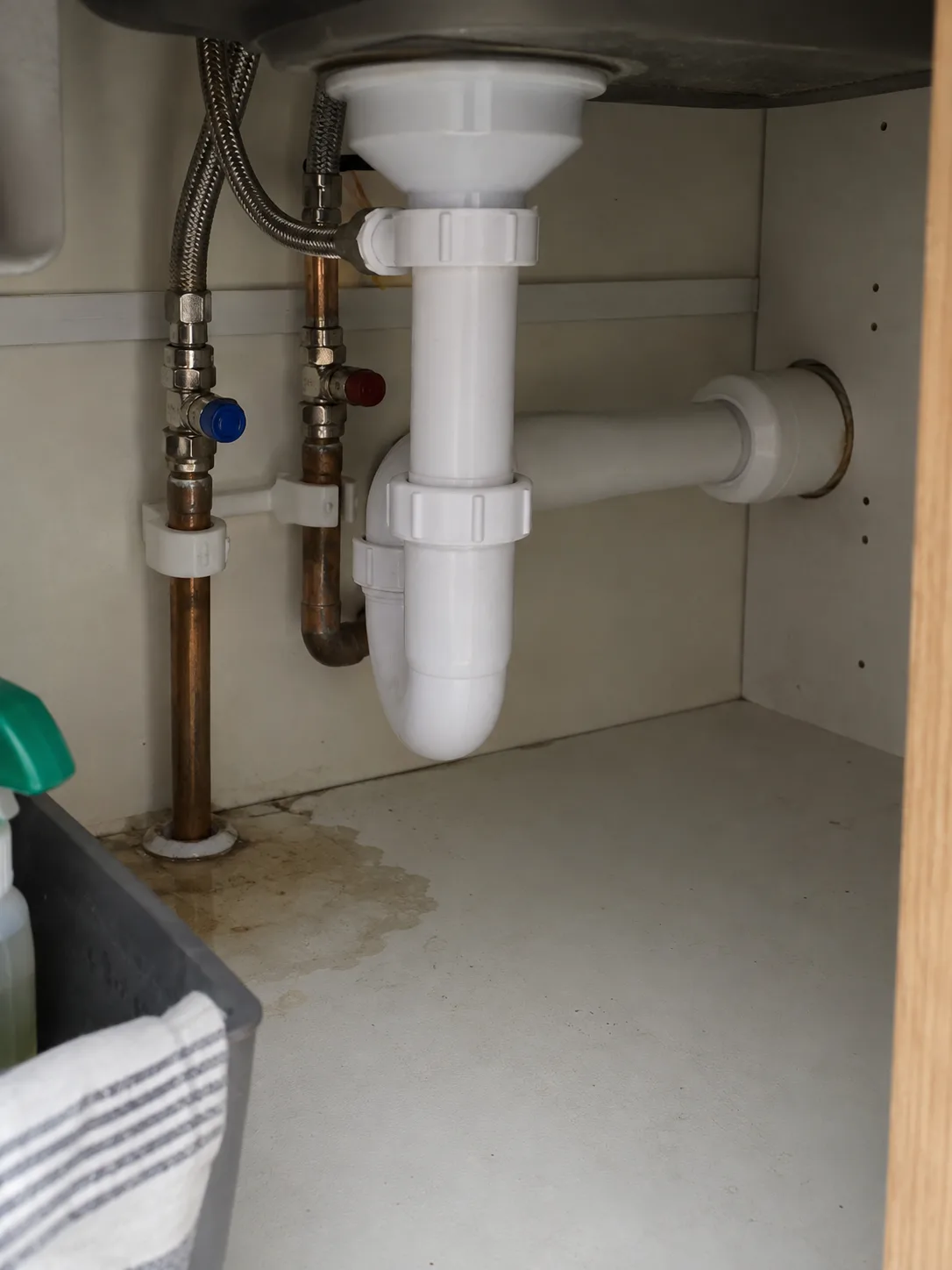
Where plumbing is a plausible contributor, hidden-source checks can narrow the concern. Access to an adjoining fitting may be necessary before confirmation. Equipment supports the investigation but does not see every connection through the construction. Agree which area needs checking and who can arrange access before expecting a complete conclusion about unseen pipework.
For a weather-related patch, assessment of external water routes may compare internal damage with accessible openings, joints and drainage features. Shared or high-level details may require a building manager or another contractor. That is a practical inspection limit, not evidence that the outside has been ruled out because it could not be reached.
Consider the flat’s own moisture balance
Where wet glass, cool corners or scattered mould occur, a ventilation and condensation review considers moisture removal under ordinary occupation. A shared-building concern and indoor condensation can overlap. We should explain which signs each may account for instead of using one cause as a convenient explanation for every affected surface.
Make repair information available to the right people
The practical next step may involve the occupant, landlord, managing agent or a relevant contractor. Keep the findings, photographs and access limitations together. If a written report for the landlord is required, discuss its purpose before the visit. It records the assessment and recommendations; it should not be described as automatically deciding legal responsibility between properties.
Do not finish over an unanswered source question
Once the source is sufficiently understood, arrange the relevant repair and discuss treatment of any affected mould. Replacing the visible finish can hide the symptom without resolving renewed wetting. Keep a record of what each task was intended to achieve and observe the original area afterwards under comparable conditions. New marks deserve attention before another coat of paint covers them.
If access cannot be coordinated immediately, be clear about what the initial visit can provide and what remains for later investigation. That prevents a surface inspection being asked to answer a concealed-source question beyond its scope. A staged plan with defined tasks is more useful than an apparently definite conclusion unsupported by access to the relevant part of the building.
PROPERTY & MOISTURE CHECKS
QUESTIONS BEFORE A VISIT
Useful questions
Can you establish the source without entering the flat above?
The room-side evidence may guide the next task. If confirmation depends on a fitting above, the findings explain the question and adjoining access needed to check it.
Does the report decide which neighbour must pay?
It sets out inspection findings and recommendations. It should not be treated as an automatic legal decision about liability or responsibility.
Which shared-building records help investigate my flat’s stain?
Ask for records of checks to the adjoining source area and any shared feature reasonably connected to the stain. Dates, photographs and the actual repair scope can help distinguish an earlier incident from continuing wetting. Also establish who can arrange access to the relevant area.
Can condensation coexist with water from another flat?
Yes. Record the position and timing of each sign. The inspection can then distinguish room condensation from a separate water route and explain the relevant work for both.
Should I paint while waiting for adjoining access?
Avoid covering useful evidence just to improve appearance. Photograph the condition and discuss next steps, especially if the moisture source remains uncertain.
Nearby areas
Clarify the flat’s damp investigation
Call about the Bermondsey patch and the access available. We can discuss a useful initial scope and any adjoining checks to arrange.