DAMP & MOULD SPECIALIST
Damp and Mould Specialist Whitechapel
The mould returns along grout or silicone after cleaning. Inspect the affected material and its wetting conditions before assuming another clean or new seal will settle the bathroom problem.
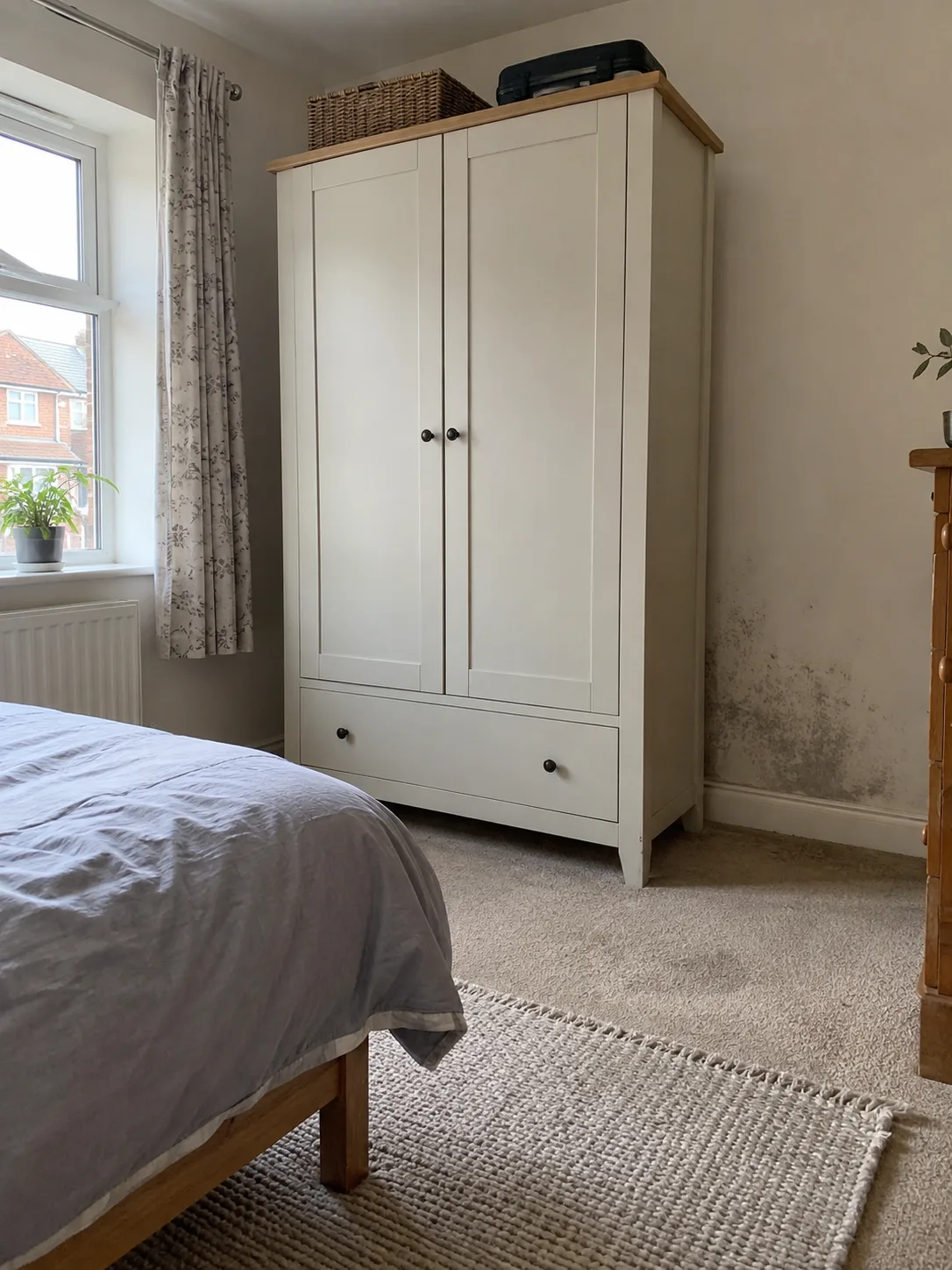
Identify which bathroom material is marked
If mould appears on grout or silicone at your Whitechapel home, photograph the affected joint and a wider view of the tiled area. Note whether marks are confined to one seal, spread across grout lines or sit on nearby painted surfaces too. These materials have different conditions and repair questions. A general report that the tiles are mouldy can miss the exact surface needing assessment.
Tell us about previous cleaning and any joint replacement, with dates and product details if available. The marks may have become less visible without the wetting conditions changing. Keep photographs before another treatment where practical. The inspection should consider the accessible material and surrounding damage without deciding that the darkest joint is the source of water.
Separate growth from a joint that needs repair
A damaged or detached seal may require attention, while visible growth also raises a treatment question. Record any opening, lifting edge or water seen beyond the joint. Its condition should be assessed against the wider pattern before a repair is selected. Replacing silicone changes one surface; it does not establish whether a concealed fitting or the wall backing is dry.
If a joint has already been renewed more than once, explain which section was replaced and what happened afterwards. Did growth return on the new joint, remain in the grout beside it or appear on another wall? Those are different outcomes. The sequence can help the assessment decide which material or source question remains after the earlier work.
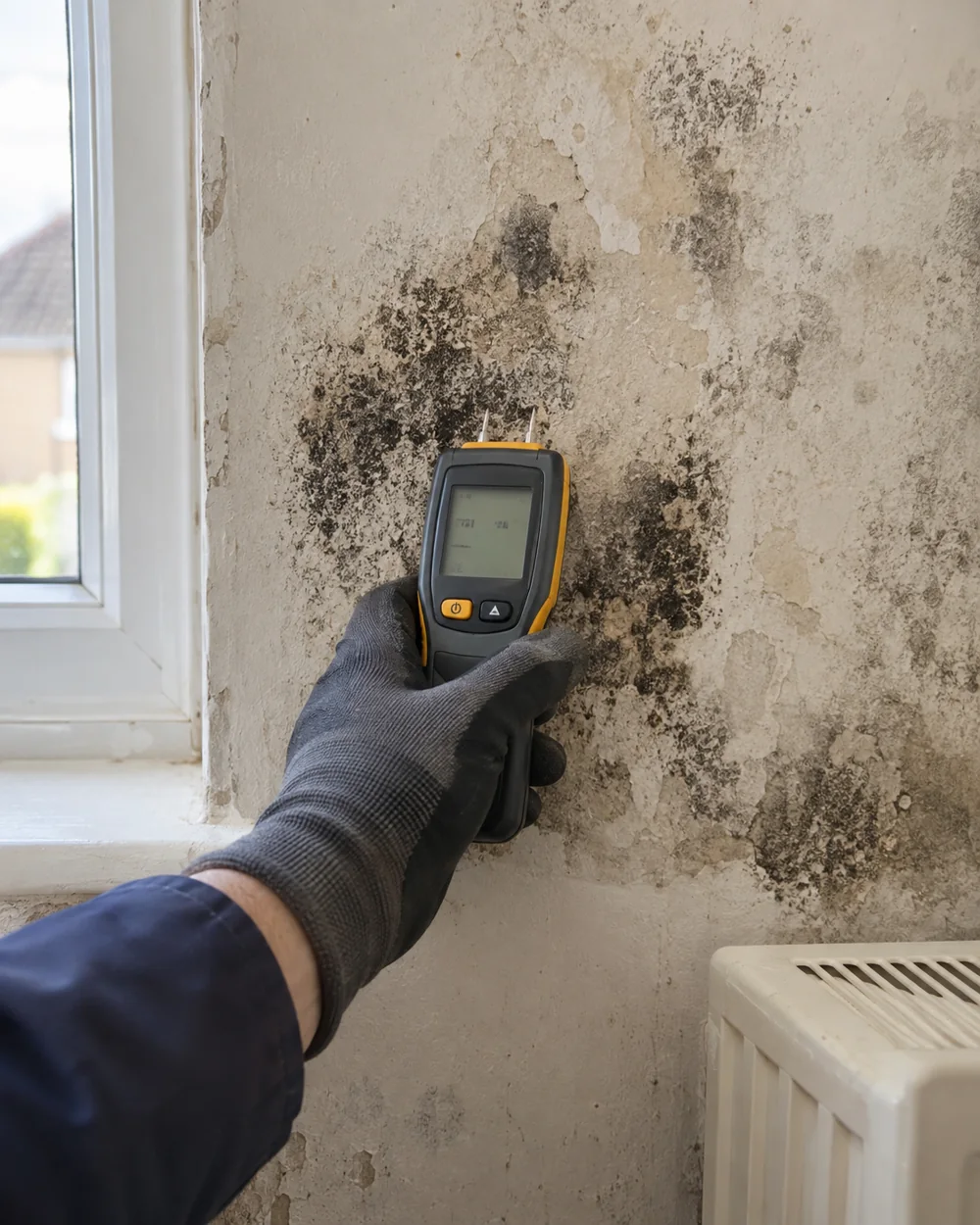
Assess the wetting around the tiled area
Bathroom moisture checks around the affected joints can consider accessible fittings, surface wetting and ordinary bathing use. Note whether the area remains damp between uses and whether water is seen outside the enclosure. These observations help connect the surface pattern with the room. They should be reported without deliberately wetting damaged joints to prove a theory.
Steam and cooler surfaces may contribute to repeated moisture, including beyond the tiled area. A review of the bathroom’s moisture clearance can consider accessible extraction and airflow where relevant. The fact that grout is marked does not by itself identify ineffective ventilation, and better steam clearance would not repair a separate water escape through a fitting.
A damp backing needs a separate source question
Show any staining, damaged finish or damp on the other accessible side of the bathroom wall. A moisture investigation beside the tiled surface can compare those signs with the joint pattern. Tiles and linings can conceal backing materials, so the findings should identify which area was assessed and which hidden condition remains uncertain.
Where evidence points towards concealed plumbing, checks of a possible hidden water source may be appropriate. Discuss any existing access panel and previous plumbing work. Further opening should answer a defined question with an appropriate contractor involved. The position of a marked grout line is not proof that a particular hidden connection leaks.
Give removal, repair and resealing their own roles
Assessment of bathroom mould treatment should identify the affected materials and extent. Ask which surfaces can be treated within the proposed scope and whether a joint or damaged substrate needs separate repair. A treatment booking should not be assumed to include rebuilding tile backing or repairing plumbing. Clear scope helps coordinate those different tasks.
Before resealing or decoration, review the source findings and material condition. Keep records of the section treated, joint replaced and repair completed. Afterwards, observe the same surfaces during normal use and record any return separately. A new seal can look tidy while a neighbouring surface or hidden source still needs attention; the location-based record makes the next enquiry more useful.
PROPERTY & MOISTURE CHECKS
QUESTIONS BEFORE A VISIT
Useful questions
Does black marking on silicone prove the seal leaks?
No. Growth and the seal’s physical condition need separate assessment. Report any visible gap or water outside the joint alongside the marks, without treating colour as a diagnosis.
Why distinguish grout from silicone in the booking?
They are different materials with different surface and repair questions. A clear description helps define the treatment scope and identify whether another task needs arranging.
Should I replace the whole joint before inspection?
Photograph its original condition and discuss the concern first. Earlier replacement may be relevant, but another repair should have a purpose supported by the wetting and material findings.
Can wet backing remain hidden behind clean tiles?
Accessible appearances do not establish every concealed condition. If other signs raise that question, the inspection should identify the backing or source check and the access needed.
What should I record if cleaning helps only some grout lines?
Label the treated areas and note where marks or damp remain. Include ordinary use and earlier joint work so the assessment can compare the different surface outcomes.
Nearby areas
Assess the bathroom joint before replacing it again
Call about the Whitechapel bathroom with the marked materials, previous joint work and wetting pattern. We can discuss treatment and the source or repair questions to address alongside it.