DAMP & MOULD SPECIALIST
Damp and Mould Specialist Rotherhithe
Water retained in a sliding balcony-door track needs its own explanation. We compare the track, room-side floor and surrounding wall before treating every mark as a failed door seal.
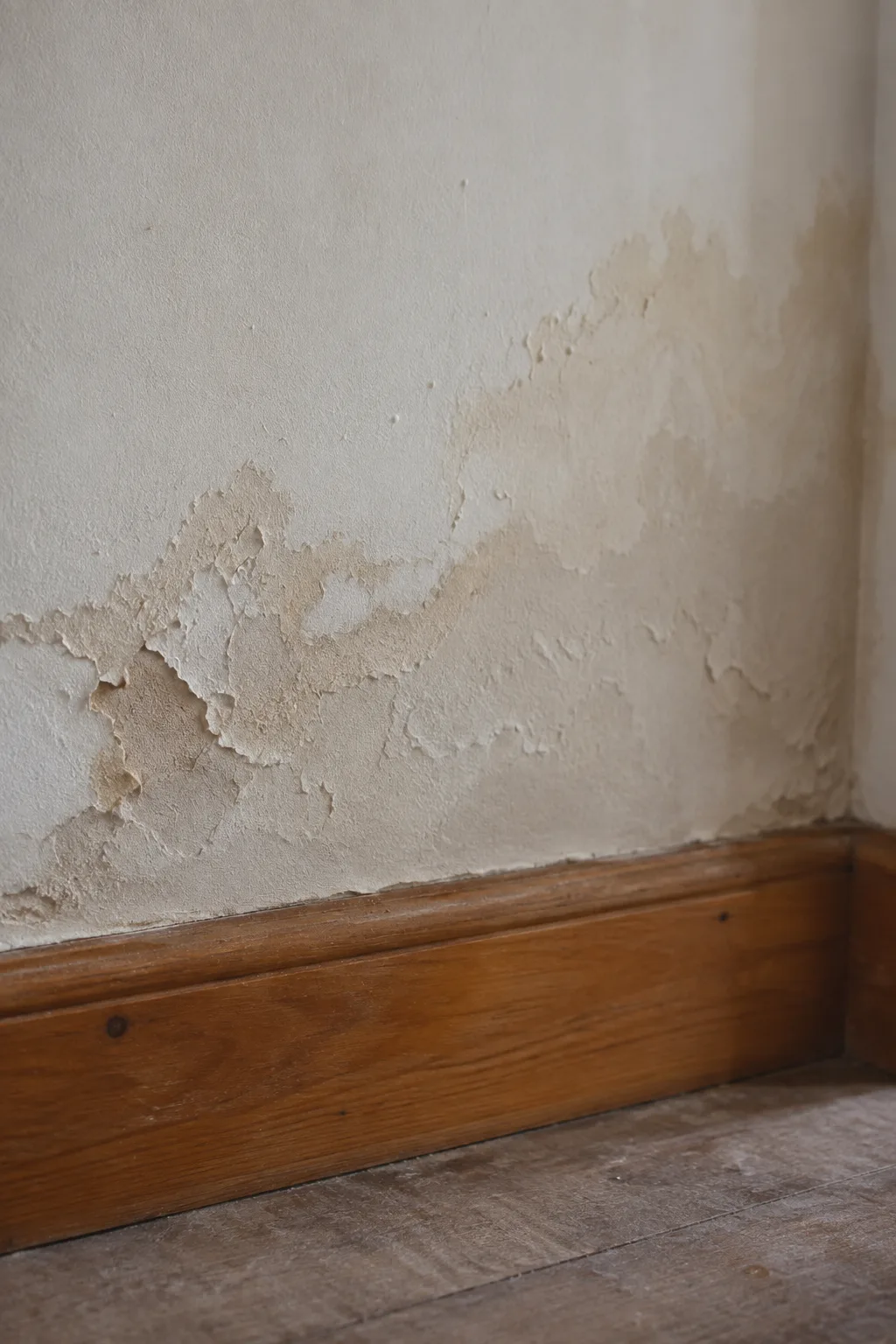
Show where water sits within the sliding opening
If your Rotherhithe balcony doorway has a sliding track that holds water, photograph the position before wiping it. Identify whether it sits towards the balcony, under the moving panel or at the room-side edge. Include the corresponding floor and lower wall. A wet track is a useful observation; it does not establish which component is faulty or whether water has passed into the room.
Tell us whether the water appears during rain, after cleaning the opening or following cold-night condensation on the glass. Note the panel’s ordinary position and any recent fitting work. Installation details may clarify the intended arrangement, with the current accessible condition still needing examination.
Keep track water separate from glass runoff
Droplets running down glazing may collect at a low point, while outside water can reach another part of the same doorway. Record the earliest visible wet position and where moisture travels afterwards. If the glass dries but water remains in the track, note that difference. The amount seen at one point cannot identify its source by itself.
Checking glass condensation beside the sliding door helps interpret one possible contribution. Curtains and normal room conditions matter here. Photograph their ordinary arrangement before clearing access. This enquiry should remain separate from a local wet joint or persistent room-side floor stain.
A drainage question needs the actual fitting information
Find the door operating or installation information if available. It may describe the intended water-management details and access for maintenance. Do not drill openings, remove unfamiliar components or push tools into concealed channels to prepare for an assessment. An appropriate door specialist may need to check a particular component once the moisture enquiry identifies the remaining question.
An investigation of water at the balcony opening can relate the indoor pattern to accessible outside details. Note balcony finishes that conceal the threshold and any permission needed to inspect them. The report should distinguish the view obtained from an assumption about a hidden channel or junction.
A focused check of the room-side track and floor damage considers accessible readings with the materials and previous repairs. Record any seal renewal by its location and date. A repair to one joint should not be described as testing the entire door system. If further fitting or drainage assessment is recommended, ask what result would inform the repair decision before choosing replacement.
Compare the inside evidence with the construction
We assess visible damage and relevant accessible readings, taking materials into account. Door frames, plaster and flooring do not offer identical information. A wet reading close to the threshold cannot establish that a particular external joint has failed. The explanation needs the layout, history and any available outside observations.
A focused assessment of the moisture pattern can distinguish the evidence for condensation from the evidence for ingress. Where both mechanisms remain possible, ask which next check would clarify the wet threshold or reveal, and what evidence that check would add.
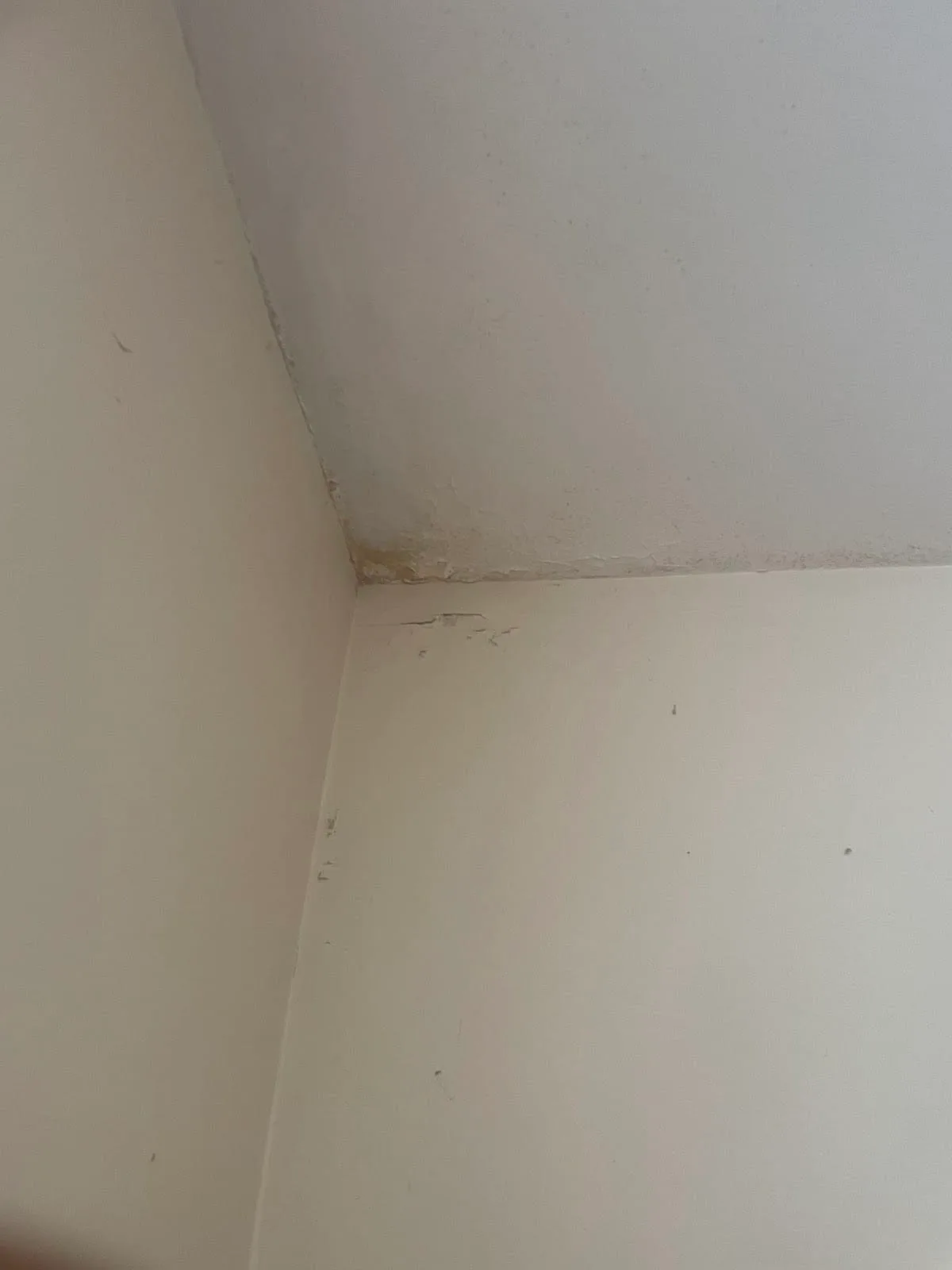
Match surface work to the affected materials
Treatment around the balcony opening may involve more than wiping the visible wall. The condition and access of adjacent finishes matter, including areas normally hidden by curtains. Coordinate any supported outside repair with treatment of the indoor materials, recording the purpose and scope of each task.
Before new flooring or trim conceals the threshold edge, consider whether it needs reassessment after source work. Keep dated photographs and a record of the actual repair. Review any backing or threshold junction not directly examined before new trim conceals it again, identifying the remaining access question.
Define the access before the inspection
Call with the room position, the affected sides of the opening and any building-management restrictions. Explain which balcony surfaces can be reached safely and which are fixed. Information about previous rain-related complaints helps avoid repeating a cosmetic repair without understanding the route. The first visit should leave a specific next step for any concealed detail that accessible checks cannot settle.
If the damp has recently been cleaned, earlier photos remain useful. Tell us exactly which surfaces were treated and whether the same location has become wet since.
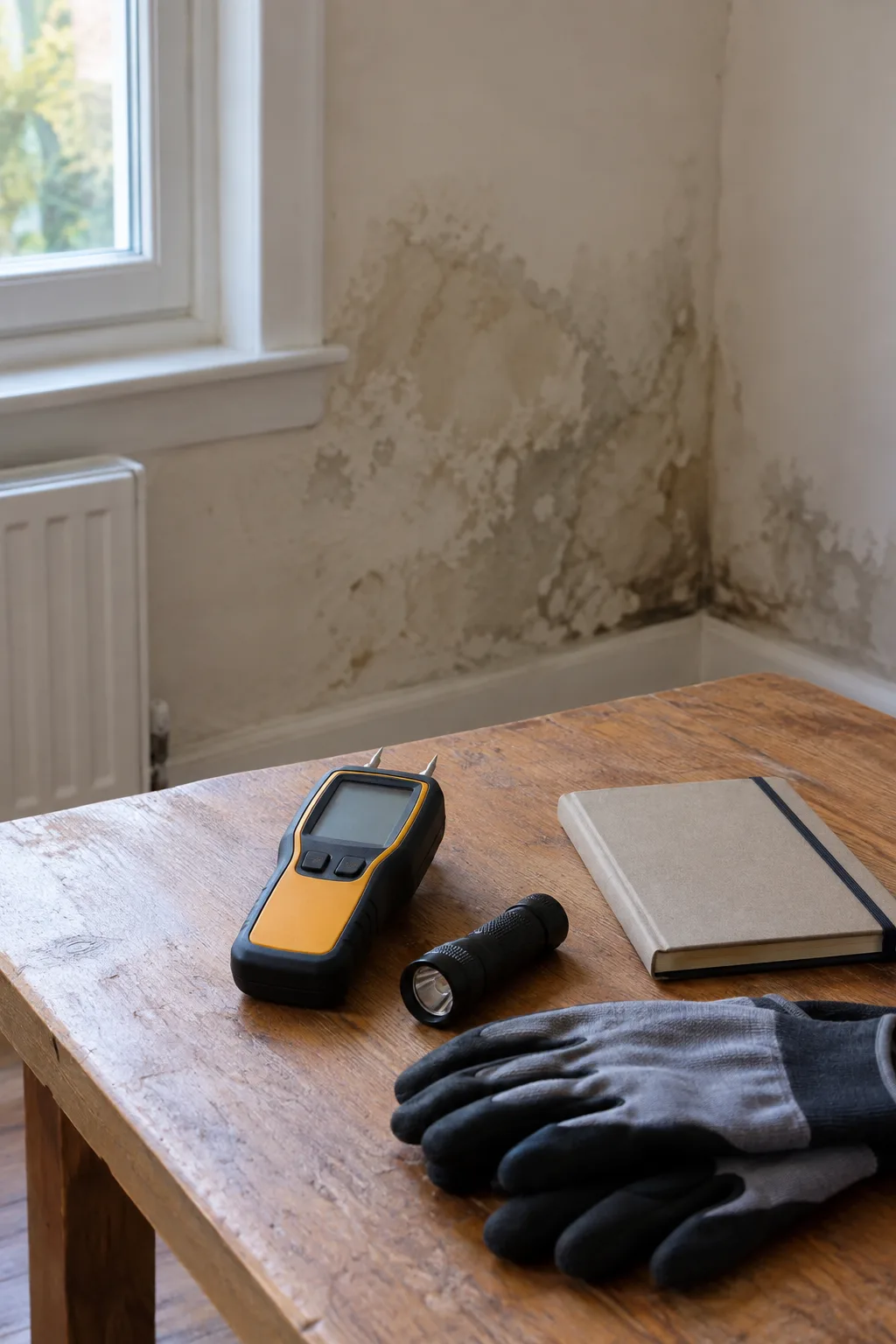
PROPERTY & MOISTURE CHECKS
QUESTIONS BEFORE A VISIT
Useful questions
Is water in the outer track always a defect?
The intended door arrangement and actual wetting need checking. Record where the water sits and whether it reaches room-side materials before identifying a repair.
Should I drill a drain hole myself?
No. Use the installation information and arrange an appropriate fitting check. Altering an unfamiliar channel can obscure the original condition and disturb the system.
Could glass condensation collect in the track?
It may run down to lower parts of the opening. Photograph glass wetting and track water separately so their relationship can be assessed.
What if sealant was already renewed?
Record the exact joint and any checks completed. That history helps focus on the remaining wet position without assuming the whole opening was tested.
When is a door fitter’s visit useful?
When the moisture findings identify a component or drainage question needing closer fitting access. The recommendation should state that purpose and the view unavailable initially.
Nearby areas
Explain the water before changing the sliding door
Call about your Rotherhithe doorway with track photographs, room-side damage and the timing of wetting. We can discuss the opening and any specific fitting check needed.