DAMP & MOULD SPECIALIST
Damp and Mould Specialist Wapping
A repaired leak does not automatically mean the ceiling beneath is ready for decoration. We review the remaining moisture signs and what was actually repaired.
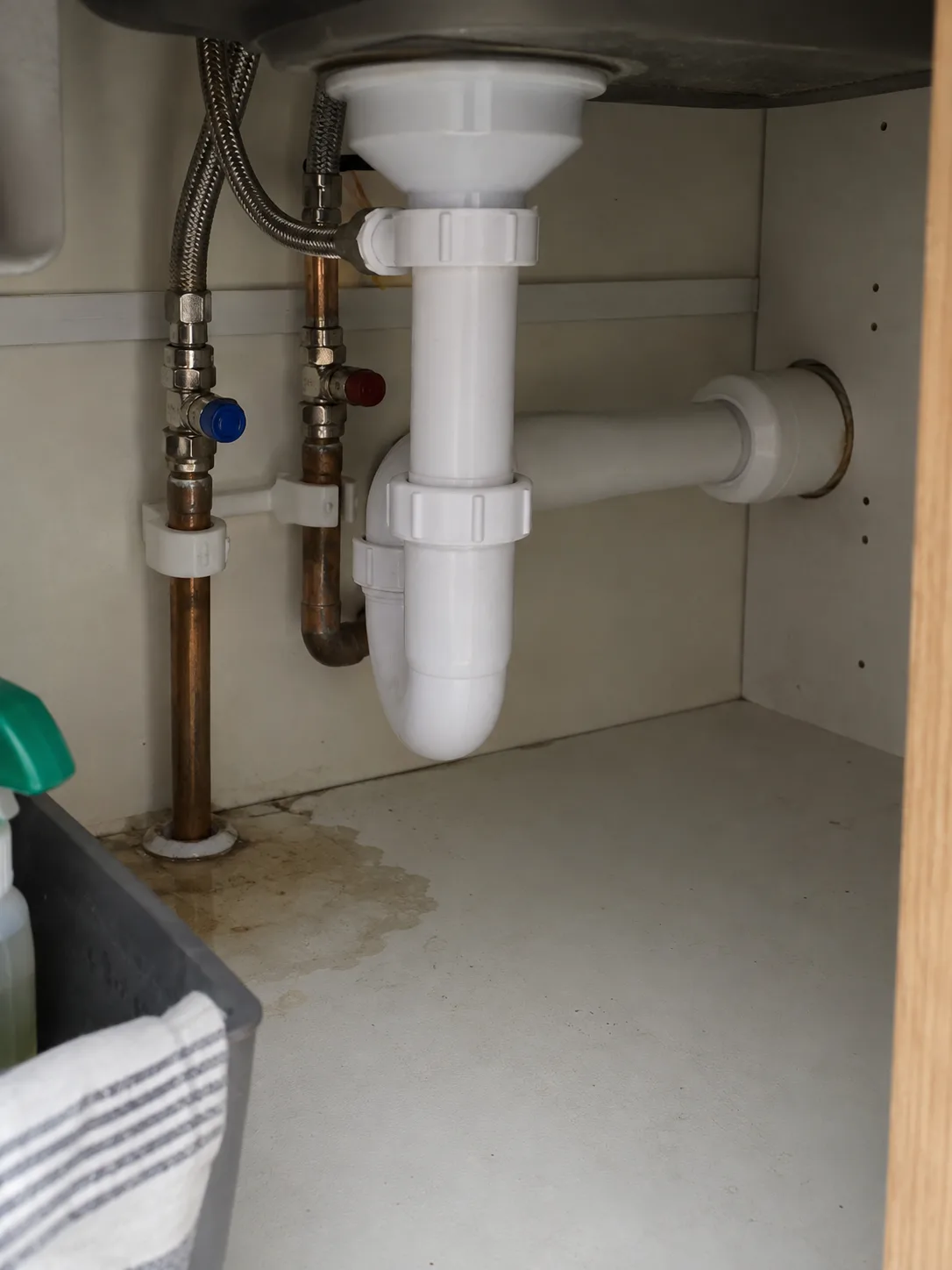
Begin with the repair record
If a ceiling in your Wapping flat remains damp after an upstairs repair, gather the details of the source work. Which fitting was repaired, when was it checked and what access was available? A message saying the leak is fixed may not explain the scope. The remaining stain could reflect affected material, continued entry or another mechanism, so the assessment needs more than the appearance of the paint.
Describe the room above, the location of the first damage and any later changes. Earlier photographs can show whether the present outline is the same or spreading elsewhere. Keep source repair records separate from cleaning and decorating records, because they answer different questions.
Ask whether the upstairs repair involved the suspected source itself or only an accessible fitting nearby. That detail can explain why confirmation remains limited without implying the contractor’s work failed. Keep any testing scope with the repair record, so a subsequent assessment knows what was actually examined and does not repeat unrelated checks simply because the stain remains visible below.
Track changes without assuming ongoing leakage
A stain can remain visible after water entry stops, while new wetting or expanding damage warrants investigation. Record dated changes in the stain boundary, surface wetting and paint condition, so a review can compare the ceiling after the repair. Note whether the patch changes after upstairs bathroom use or rainfall. Use the timing to direct any source confirmation still needed, including authorised access to a relevant concealed fitting above.
A review of the remaining ceiling moisture compares readings and surface condition with the repair history. Material differences and new finishes affect interpretation, so a reading needs explanation in context.
What can be confirmed from the flat below?
The ceiling below may reveal moisture patterns without providing direct access to the source above. If the repair cannot be verified from accessible evidence, further authorised access may be needed. Checking for a continuing concealed water source has a specific purpose and should not be replaced by an assumption that the earlier repair either succeeded or failed.
Coordinate with the upstairs owner or building manager if another visit is recommended. Share the relevant position and timing, keeping the question precise. An inspection of one flat should acknowledge where it cannot establish the state of fittings in another.
Assess the affected finish independently
Paint, plaster and concealed layers may have different conditions following wetting. Identify which concealed layer needs examining if the visible finish leaves its condition unresolved. We inspect what can be reached and explain access limits. Fixed linings or new decoration may prevent direct comparison with the original condition.
Where growth is present, treatment of the affected ceiling and wall surfaces can be discussed with the source review. It does not confirm a repaired pipe is sound or decide the state of inaccessible backing. Those questions need their own evidence.
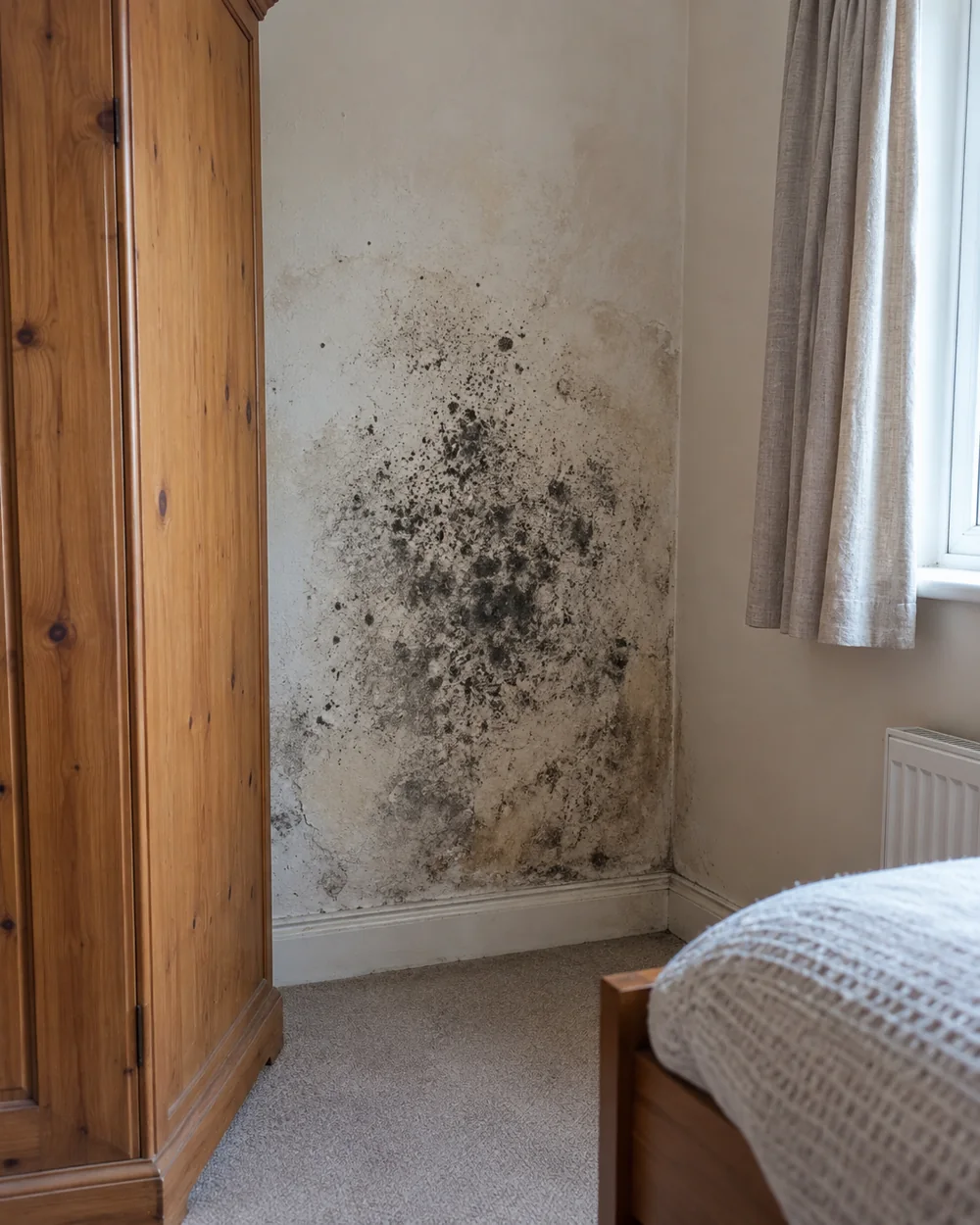
Do not overlook a second moisture mechanism
Indoor condensation may also affect a cool ceiling edge or wall corner. That can coexist with damage from the earlier leak. Assessing the room’s current moisture conditions is useful when the growth pattern suggests repeated surface wetting separate from the original stain.
Recommendations should explain which work addresses residual material damage, which addresses a possible continuing source and which addresses condensation. Combining them into a vague instruction to dry and repaint leaves the owner without a clear sequence or understanding of what remains unconfirmed.
Make decoration the result of the assessment
Before reinstating finishes, ask what has been established about the source and the accessible material condition. Keep photographs of the original location and record any agreed further opening. A new decorative coat may hide a useful indicator if the route is still uncertain. Ask which observation or material check will inform the finishing decision, keeping it linked to the ceiling’s actual condition.
When calling, provide the date of the upstairs work and any available confirmation of its scope. Explain who can arrange further access if needed. A focused review can help define a practical next step without repeating an entire leak investigation unnecessarily or declaring the problem resolved solely because someone attended upstairs.
PROPERTY & MOISTURE CHECKS
QUESTIONS BEFORE A VISIT
Useful questions
Does a remaining stain mean the upstairs repair failed?
Not necessarily. Staining can persist, while new moisture needs investigation. The repair scope and current material condition should be considered together.
Can the ceiling be painted as soon as the pipe is repaired?
The affected materials may still need assessment. Repairing the source does not automatically establish that finishes are ready for reinstatement.
Why request the repair details?
They clarify which source was addressed and what was checked. That helps distinguish a source repair from cosmetic work or an unverified assurance.
Could mould now have a different cause from the original leak?
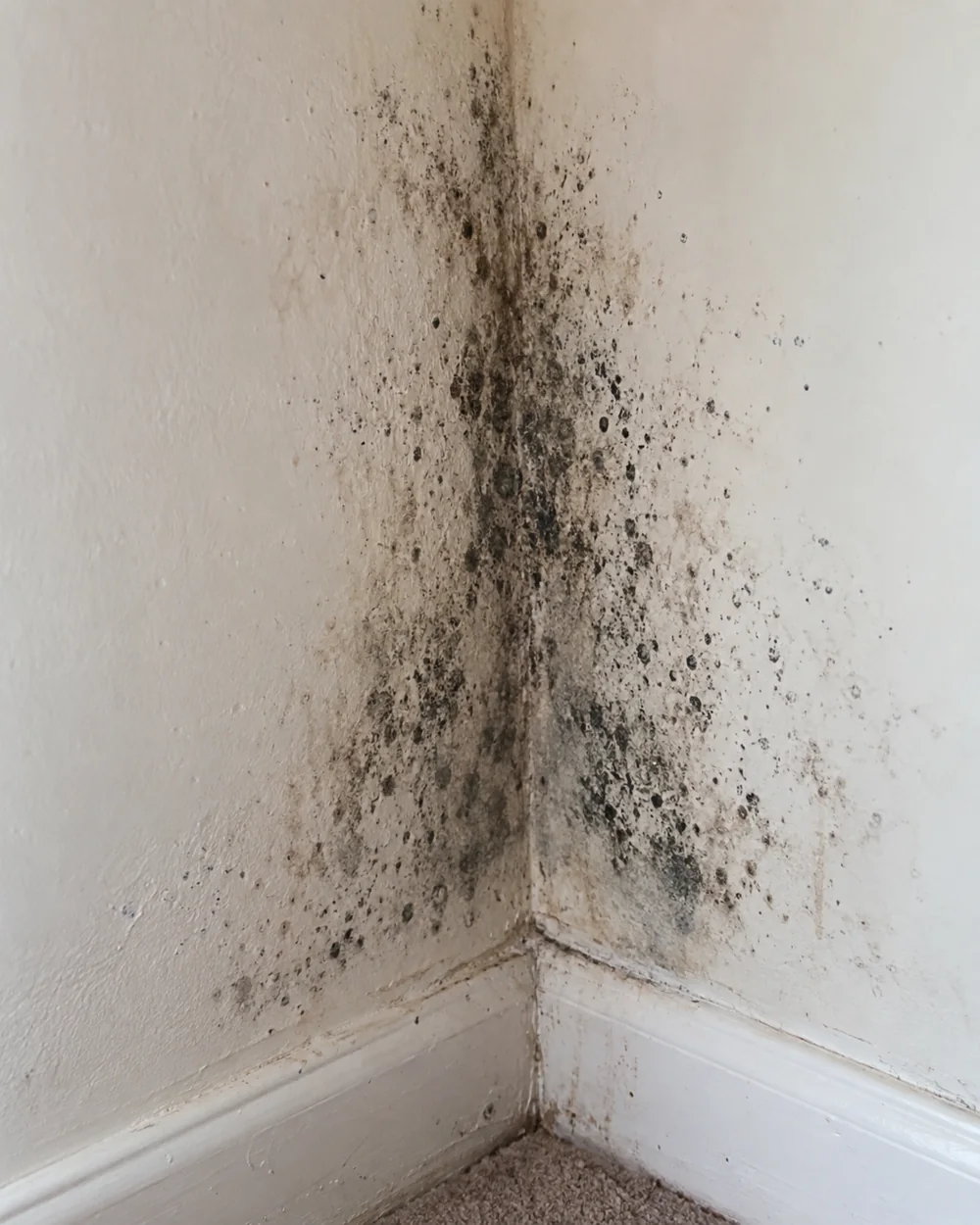
Yes. Condensation or another moisture route can coexist with earlier damage. Compare the current growth with the original leak outline and the room’s present conditions.
Will another upstairs visit always be needed?
It depends on accessible evidence and uncertainty. If source confirmation requires access above, the findings should explain the specific reason.
Nearby areas
Review the damp before reinstating the ceiling
Call about your Wapping flat with the upstairs repair information and remaining signs. We can discuss a focused follow-up assessment.