DAMP & MOULD SPECIALIST
Damp and Mould Specialist Bethnal Green
Taking up a floor finish can reveal damage at the wall edge. Keep the exposed condition documented and investigate the moisture question before the replacement covers it again.
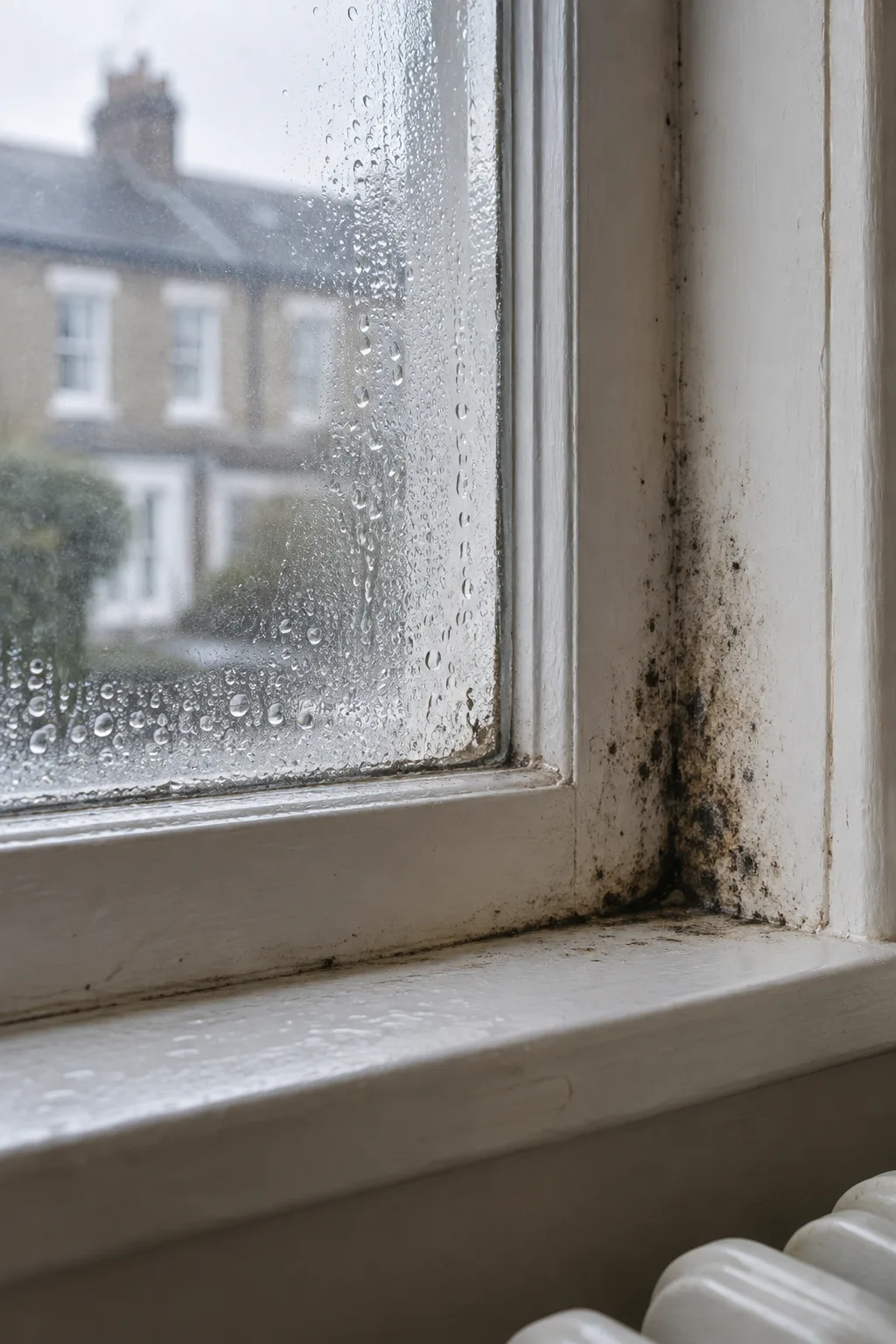
Use the flooring work to preserve the evidence
If flooring work at your Bethnal Green home reveals mould or damp skirting, photograph the wall junction and the newly accessible area. Include the surrounding room, not just a close view of one board. Note what the flooring contractor has actually observed and which materials remain concealed. Their discovery can direct the inspection without identifying the source by itself.
A moisture assessment of the wall and floor edge can consider accessible readings, material condition and the history. Explain that replacement flooring is planned and what access will be lost. The purpose is to clarify the source and repair questions before a new finish makes them difficult to revisit.
Be clear about the assessment’s boundaries
A damp visit should not be assumed to provide a complete structural or flooring survey. Discuss which accessible moisture concerns are included and whether another contractor needs to assess damaged components. Wall finishes, underlays or fixed units may restrict observation. Limitations should be recorded so an unseen void is not represented as fully inspected.
Tell us about earlier leaks, floor repairs or changes to the room. Photographs taken during previous work can show concealed routes or construction, but not its current state. If further opening is proposed, ask what specific uncertainty it would answer. Do not lift more materials simply to make the investigation look extensive without a reasoned access plan.
Ask the flooring contractor to distinguish surface damage from anything they believe needs a separate specialist assessment. Their photographs can preserve the condition while access is open. Keep that information with the moisture findings, making it clear which observations come from each visit and which concealed areas remained outside the scope before the replacement was installed.
Low damage does not name the damp type
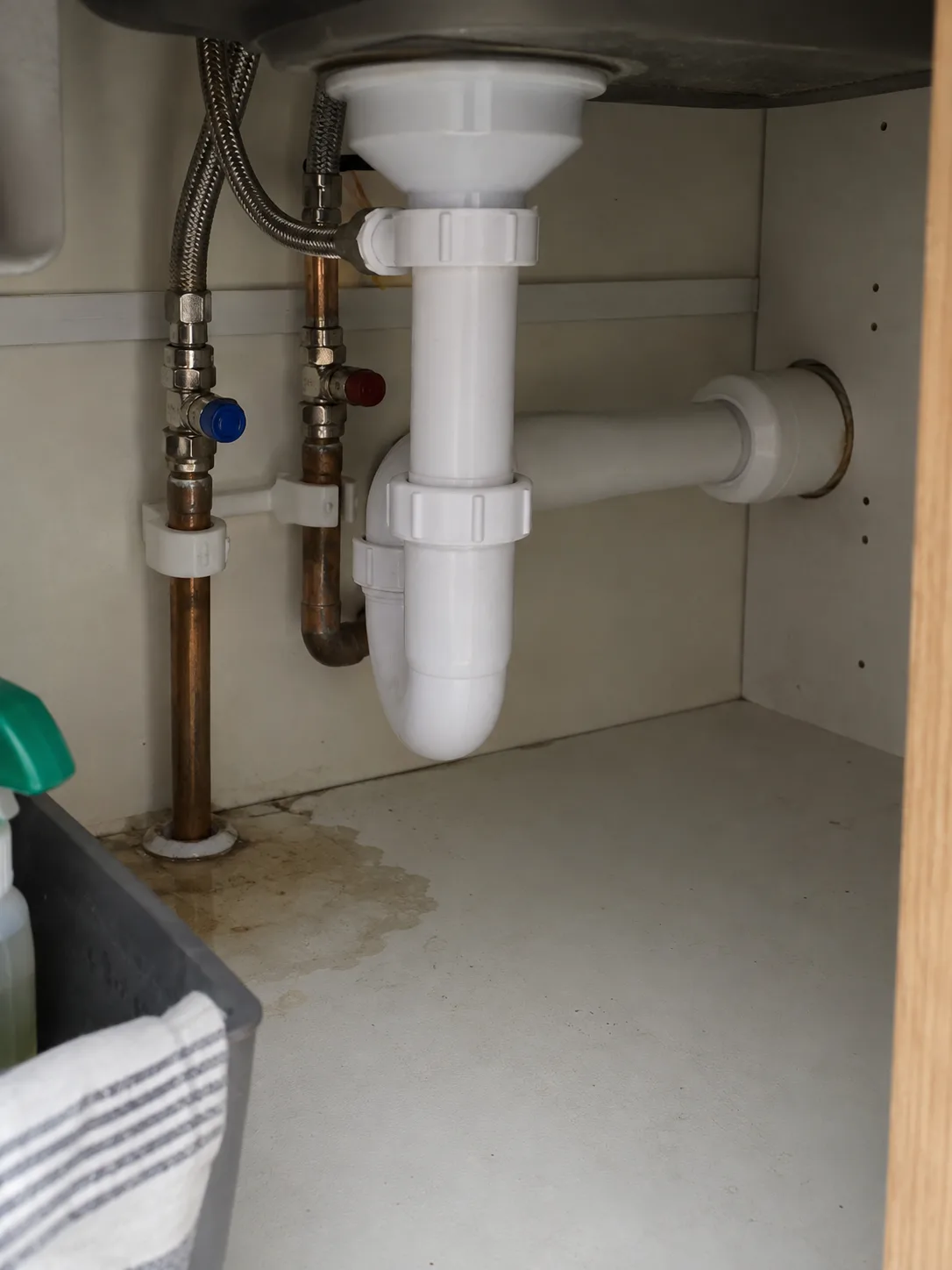
A damp skirting board or low wall mark can have several explanations. Plumbing, outside water and local surface conditions need consideration against the actual arrangement. Checks for a hidden water source near the floor may be relevant if moisture persists or a pipe route is suspected, with any confirmation limits explained.
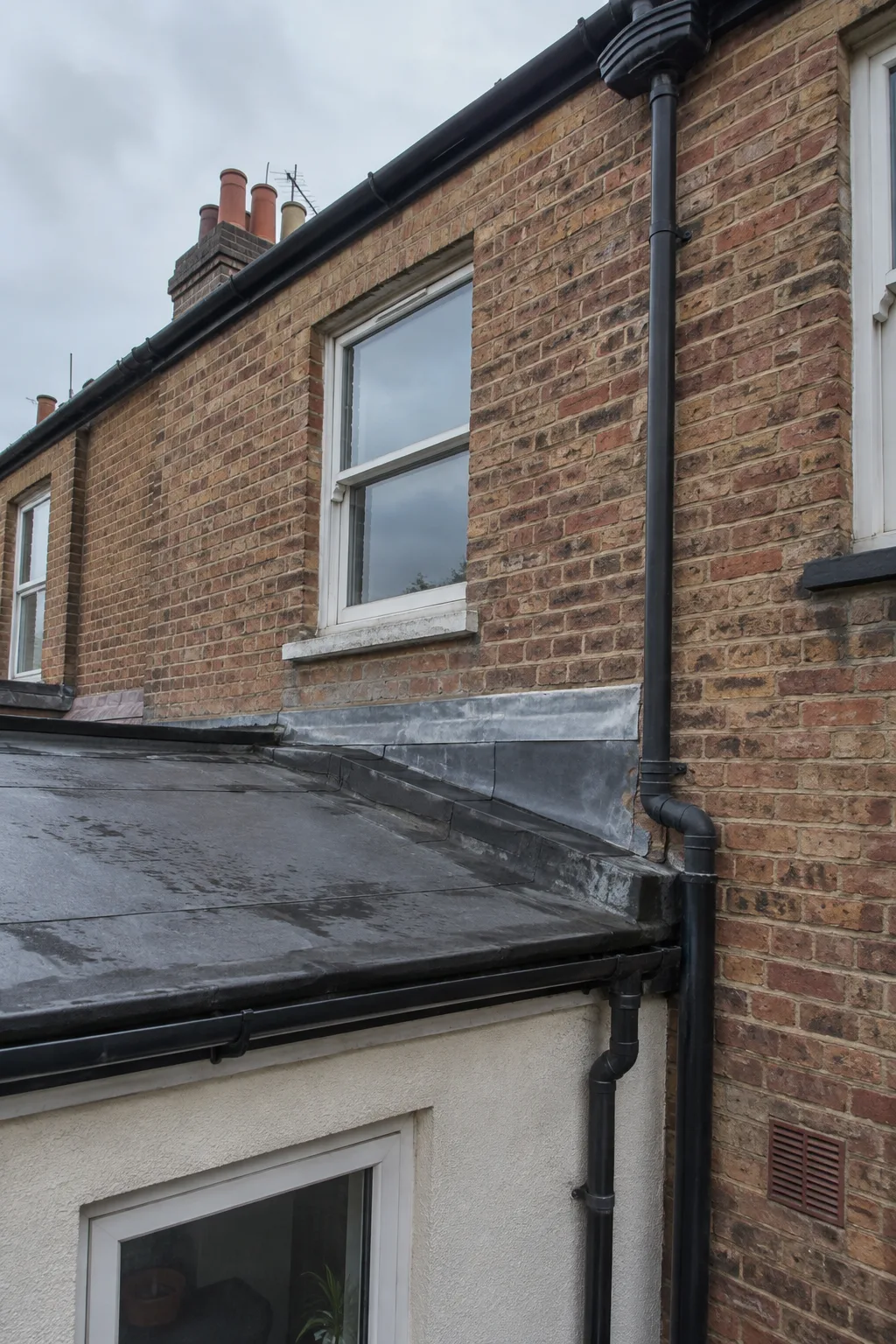
If rain-related change or an outside junction corresponds with the damage, assessment of accessible external details can help compare the evidence. A stain’s height alone should not select a treatment. Ask which observations support the proposed route and what remains uncertain behind the wall or below an inaccessible finish.
Separate damaged materials from a continuing source
Swelling, staining or a musty smell may reflect an earlier event, ongoing wetting or a combination. Keep dates of known leaks and repairs. Record fresh change separately from old damage. Report new water or an expanding patch promptly to the person arranging repairs. Tell the flooring contractor about the change so the installation sequence can account for it.
Furniture positions and room conditions may matter too, especially if growth was found under storage at the edge. Explain the normal arrangement before the works began. Moving everything out can change airflow and temperature locally. The inspection needs that context so the newly open room is not mistaken for its usual occupied condition.
Coordinate treatment and the new floor sequence
Treatment of mould on accessible wall-edge surfaces can be discussed once the extent and materials are assessed. Confirm what is included and what damaged components require a separate decision. Surface treatment does not repair a concealed pipe or establish whether a floor system is suitable to cover again.
Share the moisture findings with the flooring contractor and ask what must be reviewed before installation proceeds. Keep photographs of exposed areas and completed source work. A fixed drying interval cannot replace assessment of affected materials. If the junction later becomes marked, the record can guide the next enquiry and distinguish a new issue from work that was never confirmed complete.
PROPERTY & MOISTURE CHECKS
QUESTIONS BEFORE A VISIT
Useful questions
Does swollen skirting always mean moisture rises from the ground?
No. Position and damage alone cannot identify the source. Plumbing, external routes and surface conditions need consideration with the materials and history.
Does a damp assessment include the whole floor structure?
Confirm the scope when booking. Accessible moisture concerns can be investigated, while structural or specialist flooring questions may need a separate assessment.
Should the flooring installer wait for the findings?
Discuss the exposed condition before covering it. Address the source questions and damaged materials in the work sequence. Confirm the relevant findings before the replacement covers the affected junction.
Are photographs of lifted areas worth keeping?
Yes. They preserve information that may disappear after installation and help show what was visible, opened or repaired at each stage.
What if the damage was from an old repaired leak?
Provide the repair history. The assessment can compare residual material condition with current moisture evidence. Share the repair details and any new change separately from the original stain.
Nearby areas
Answer the moisture question while the junction is visible
Call with the Bethnal Green property details and what the flooring work exposed. Tell us which materials remain accessible so the inspection can support the next installation decision.