DAMP & MOULD SPECIALIST
Damp and Mould Specialist Dalston
A stain on an internal shared wall can leave the water source outside your view. Start with your own evidence and arrange the access that may be needed to check the other side.
Map what is known on either side
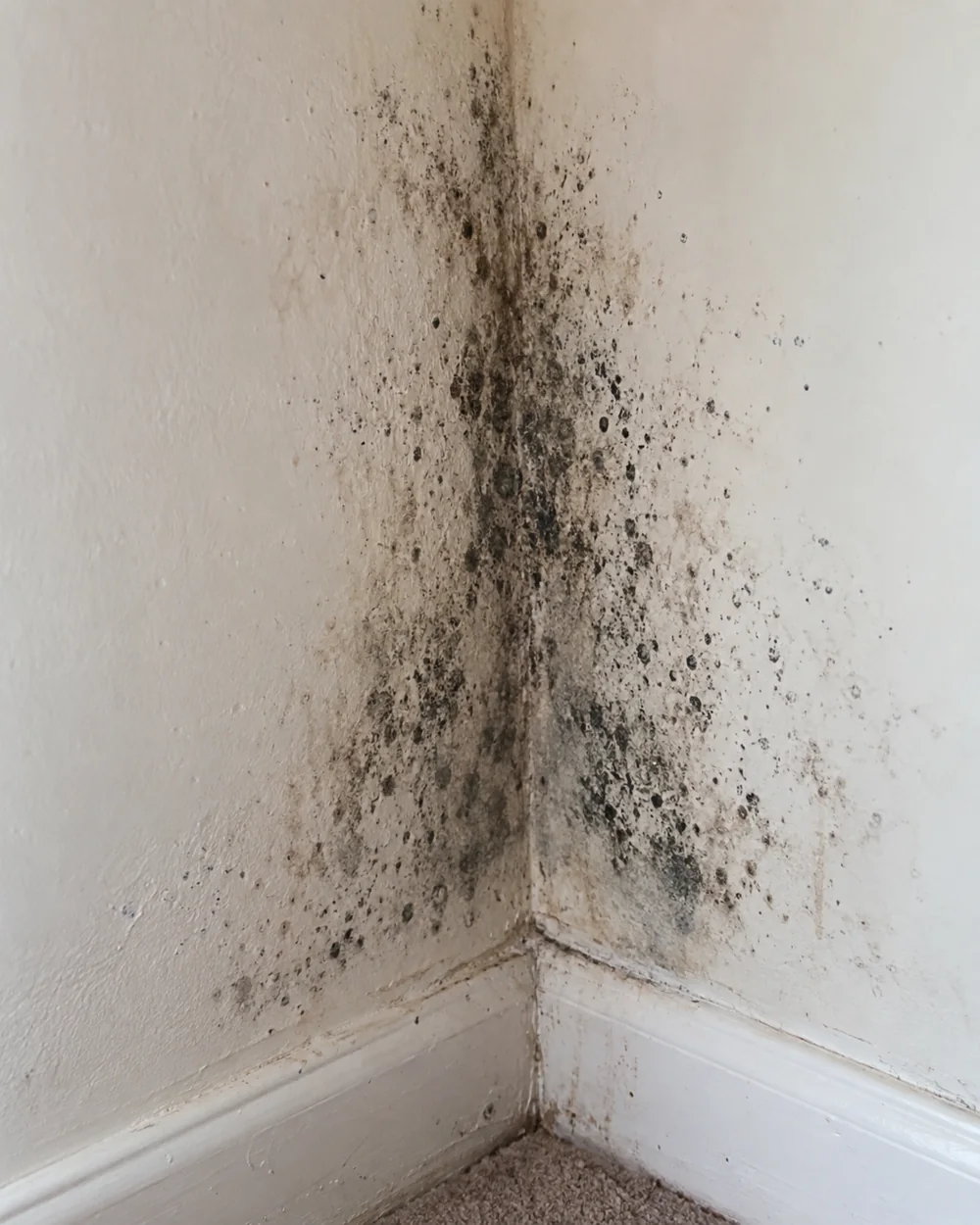
If an internal wall at your Dalston property is damp, note what lies on your side and any adjoining room arrangement you genuinely know. Do not guess hidden pipe routes or the neighbour’s layout. Photograph the complete stain and nearby fixtures. The position gives the inspection a starting point, but it does not establish that another property is responsible.
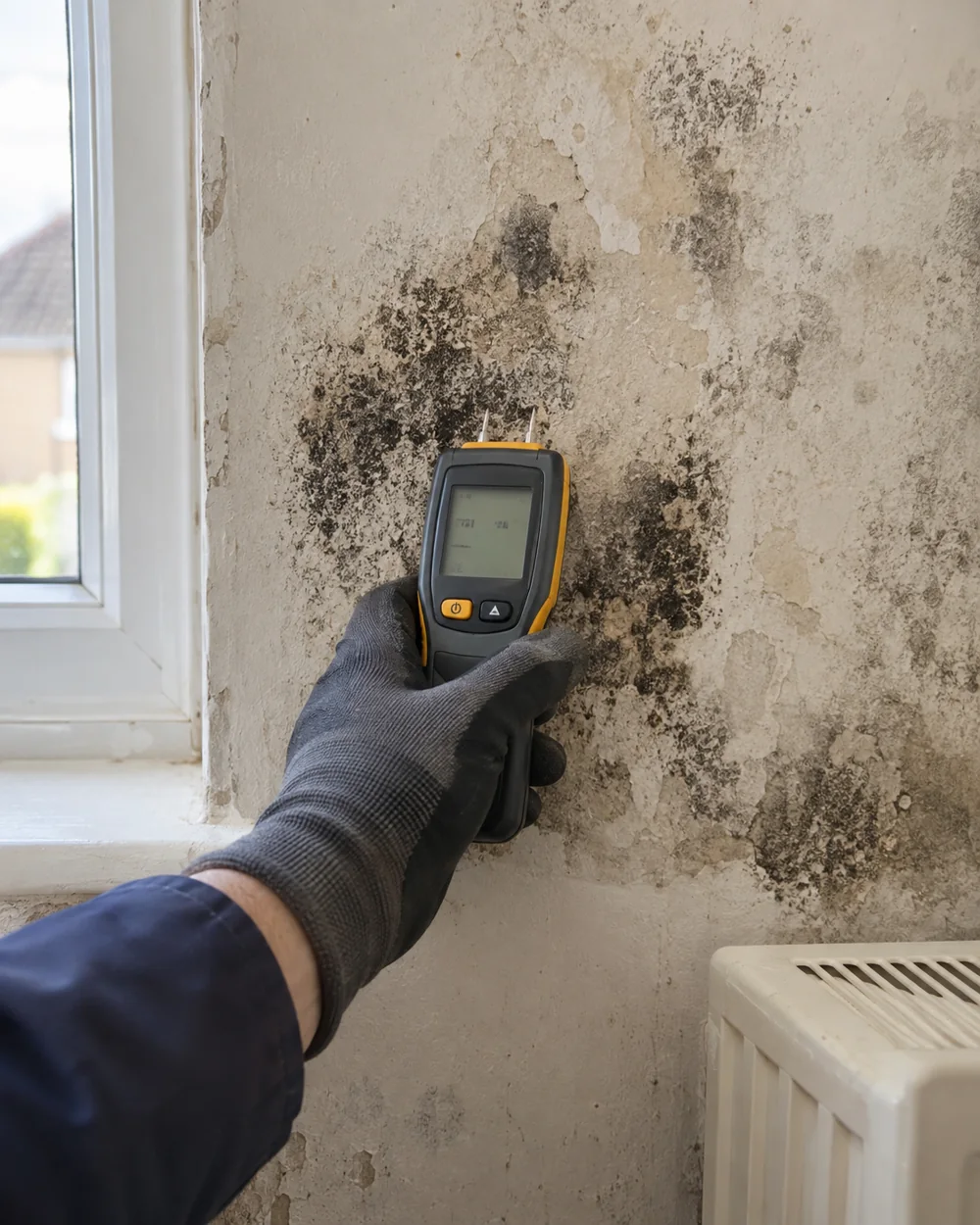
An investigation of moisture on the shared wall can compare accessible surfaces and the damage history. Tell us when the mark appeared, whether it changes and what repairs have been tried. Ask which source possibilities the observations support and which require information or entry beyond your own rooms.
Agree the additional access, do not assume it
If the other face of the wall may be relevant, clarify who can contact the adjoining occupant or property representative. A visit to your home does not include automatic permission to inspect somewhere else. The report should state unavailable areas and explain why they matter. It should not imply a hidden source has been ruled out without the relevant checks.
In a rental, a landlord assessment recording the access limits can help organise the next steps. Explain the intended use of the findings before booking. The report describes the inspection and recommendations; it does not automatically determine responsibility between occupiers, owners or other parties.
If adjoining access becomes available after the first visit, keep the findings and photographs from that check with the original record. The additional observations may confirm a route, weaken an earlier possibility or identify another question. Updating the evidence is more useful than treating the first provisional explanation as settled simply because it was written down.
Trace the moisture across the shared wall
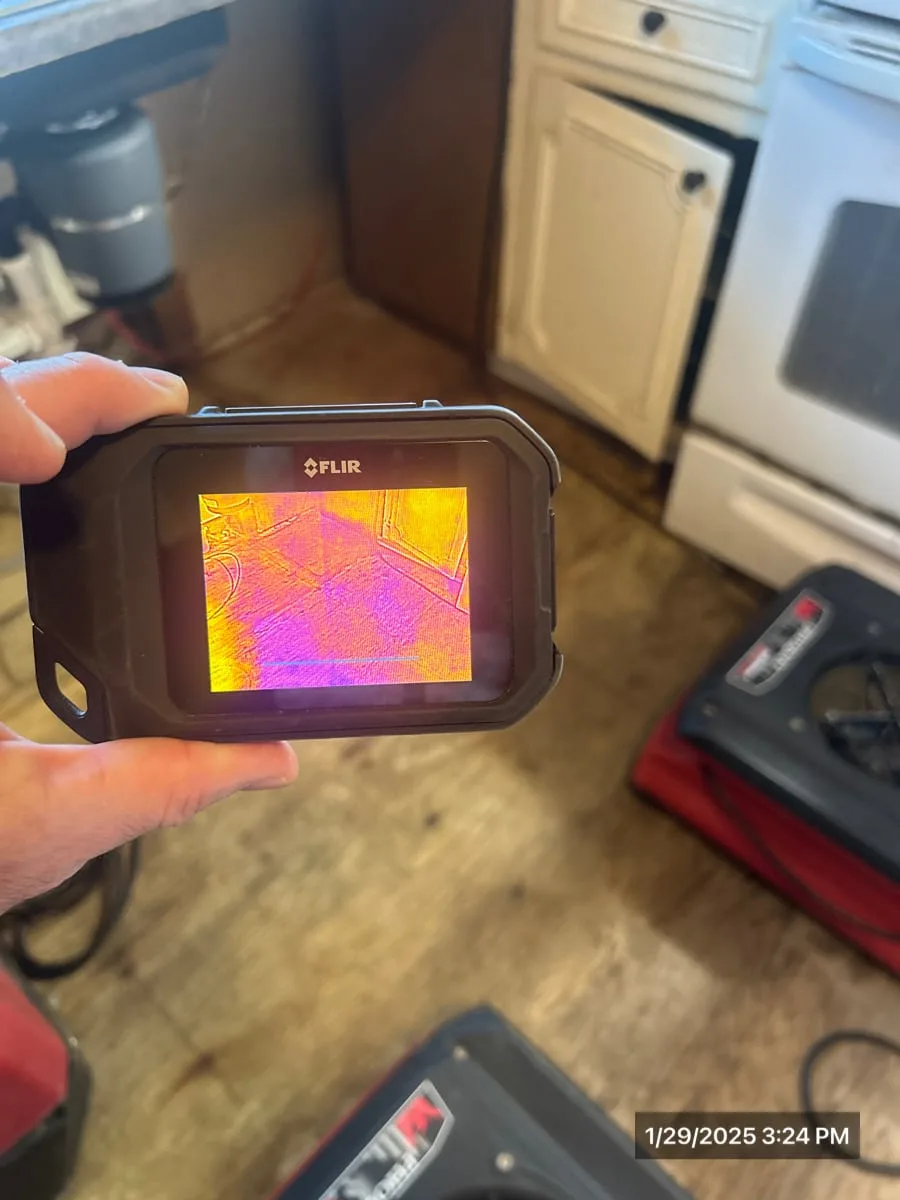
A wall can be affected by concealed plumbing, moisture travelling through construction or room conditions on an accessible face. Checks for an unseen water source may be relevant if the patch is persistent or expanding. Equipment helps direct enquiry, while further access can still be necessary to confirm a hidden fitting.
Record normal observations such as changes after bathing, heating or rain without treating them as proof. A source may be some distance from the visible patch. The inspection should describe what is observed separately from the proposed explanation. That distinction is particularly useful when another property contact needs to decide which checks they can arrange.
Report fresh change while access is being organised
New water, spreading staining or lifting material should be reported promptly to the person arranging repairs. Waiting for adjoining access should not make a developing issue invisible. Photograph changes from the same position and keep the messages or repair dates. Describe the material condition as well as the patch colour so the inspection can consider whether finishes need separate attention.
If cleaning or decorating has already altered the surface, share earlier images and product details. A recently renewed wall may hide the original outline. An old stain remaining after repair is also possible. The history helps interpret present evidence without either assuming continued leakage or dismissing a new change because the wall was marked before.
Treatment cannot settle an inaccessible source
Treatment of mould on your accessible wall can be considered after the extent and surface condition are assessed. It does not confirm what is happening on the other side or repair concealed plumbing. Ask which source question remains and how any treatment should be coordinated with further investigation.
Keep the findings and subsequent access observations together. If another contractor opens a relevant area, photographs and repair details can help connect that work to the stain. Before finishing, discuss material condition and uncertainty. Ask for a supported next step that identifies the access or check needed. Keep attribution tied to confirmed evidence from the relevant areas.
PROPERTY & MOISTURE CHECKS
QUESTIONS BEFORE A VISIT
Useful questions
Does a shared-wall stain prove the neighbour has a leak?
No. The source must be assessed against the pattern and available evidence. Position alone should not be used to assign responsibility to an adjoining occupier.
Can the other side be assessed without permission?
No. Arrange any required access through the appropriate contact. Findings from your accessible wall should clearly state where the adjoining area was not examined.
What if I do not know the adjoining room layout?
Say that it is unknown. The inspection can identify whether that information matters and what further access might answer the specific moisture question.
Can a report help coordinate two properties?
Relevant observations and limitations can make the next checks clearer. Agree its purpose and recipients when booking, while recognising it is not an automatic legal decision.
Should mould treatment wait for every source question?
Discuss the sequence and current condition. Surface work may be considered within scope, but unresolved wetting needs its own plan so treatment does not conceal the remaining investigation.
Nearby areas
Arrange an investigation with honest access limits
Call about the Dalston shared wall and tell us which rooms can be inspected. Describe the changes and any adjoining contact so the visit can lead to a practical source-check plan.