DAMP & MOULD SPECIALIST
Damp and Mould Specialist Homerton
A wet threshold can involve water entering at the opening or moisture collecting inside. We compare the accessible evidence before recommending which route needs attention.
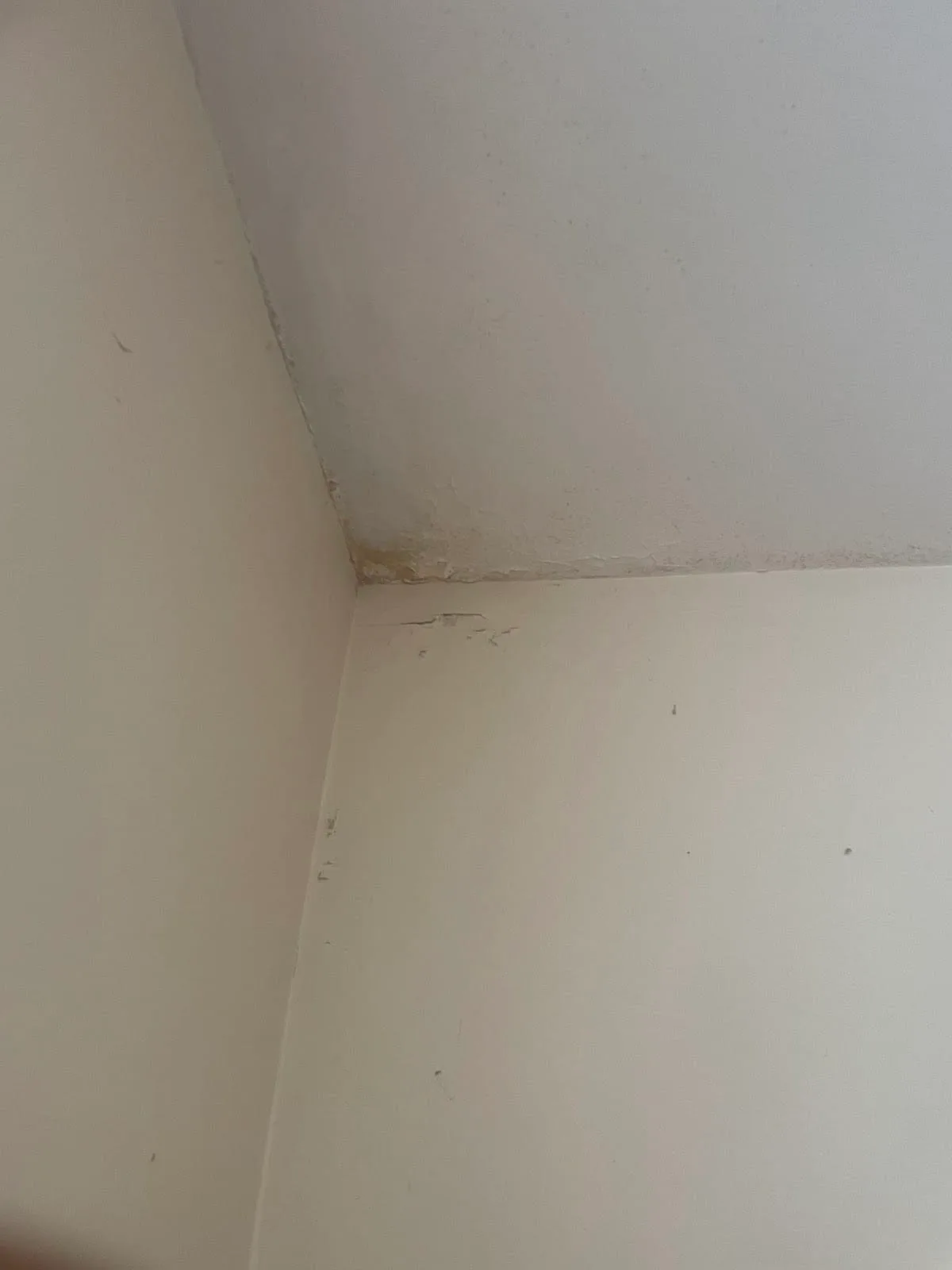
The floor edge gets wet beside the opening
If your Homerton property has a balcony door with damp at the floor edge, record where the wetting is visible. Water on the interior glass, a dark patch beside the frame and a swollen floor finish are separate observations. Outside water may be relevant, but condensation or another nearby source can create similar symptoms. The opening’s position guides the investigation without establishing that a particular seal is responsible.
Photograph the complete door, exposed threshold and adjacent wall before cleaning or applying new sealant, keeping any wet floor-edge boundary visible in the room view. Note whether wetting follows rain, appears overnight or varies with another activity. Include any work to the door, flooring or balcony area that preceded the marks. A new finish may conceal an earlier route, so photographs taken before replacement can be useful.
Compare the weather pattern with accessible details
Our checks for external water entry compare the internal symptoms with visible opening and drainage features where access permits. Water can travel before appearing inside, and the entry point need not be at the darkest part of the threshold. The repair decision should explain the observed entry route, its relationship to the weather history and the joint or other feature needing attention.
A balcony assembly can contain concealed details that are not available to an ordinary surface inspection. We explain which areas have been checked and which require further information or access. If a managing agent controls the external area, clarify who can provide records and arrange appropriate attention. An inaccessible detail should not be described as ruled out just because no defect was visible from the room.
Assess the floor and wall, not only the frame
A moisture investigation around the threshold compares accessible materials and damage with nearby areas. Readings need interpretation against finishes and condition. A check at the floor surface cannot automatically establish the state beneath a sealed covering. Explain when any flooring was replaced and whether marks were covered, with photographs of earlier damage where available.
If damp continues during a dry spell or follows use of a fitting, hidden water-source checks may be relevant. The presence of a balcony door does not exclude a service-related route nearby. Equipment supports the investigation but may not confirm a concealed source without access. Further checks should answer a specific question before the finish is opened.
Glass moisture may have a different explanation
For water appearing inside the glass overnight or mould at a cooler reveal, a review of condensation and airflow considers indoor moisture, heating and ventilation. Curtains or furnishings can affect the local recess. Those observations should not be used to dismiss a defined rain-related stain. The same opening can display more than one issue, with separate tasks needed for each contribution.
Treat affected surfaces after the wetting is understood
Where growth is present, discuss mould treatment alongside the relevant repair or moisture measures. The wall and floor finishes may need different assessment. A surface clean does not repair concealed drainage or confirm that an opening is sound. Ask which tasks can proceed, which require another contractor and what must be established before new interior finishes cover the area.
Keep the access and repair record clear
Tell us what can be reached safely on the balcony and which fixtures are fixed in place. Do not dismantle the door or floor merely to prepare. Initial findings can identify the concealed detail central to the concern and explain what opening or external inspection would help answer the question. Keep the earlier repair description and date, noting the exact joint, opening or drainage feature addressed and which indoor symptoms changed after that work.
Observe the opening in the original conditions
After agreed work, compare wet-weather changes separately from overnight glass moisture. Photograph the same threshold and wall positions. Include observations during relevant rain or overnight room use, since those conditions may be absent when the opening is inspected on a dry afternoon. Preserve renewed marks before another coating changes them, and keep work dates so a later review can interpret the sequence.
If the property is rented, share the occupant’s timing observations with the person arranging repairs. A daytime visit may not reproduce either heavy rain or the overnight room conditions. Clear reporting of those observations helps the inspection use the available evidence without presenting a single visit as proof about every concealed part of the opening.
PROPERTY & MOISTURE CHECKS
QUESTIONS BEFORE A VISIT
Useful questions
Does a wet balcony threshold prove an external seal failed?
No. That is one possibility, but glass condensation and other water sources may be relevant. The pattern and timing help decide which checks are needed.
Can you assess the whole balcony construction from inside?
Not in every case. The findings should identify the room-side surfaces examined and any balcony layer or external feature requiring a separate check, with the purpose and access arrangement clearly explained.
Why record rainfall and overnight wetting separately?
They may relate to different contributions. Separating them helps avoid expecting one external repair or ventilation change to address every symptom around the opening.
Should I replace swollen flooring before the visit?
Photograph the original damage and discuss the moisture concern first. Replacement can conceal useful evidence while leaving renewed wetting or the concealed material condition unanswered.
What information should the managing agent supply?
Relevant repair descriptions, dates and access arrangements may help. A clear account of the area actually inspected is more useful than a broad assurance about the whole balcony.
Nearby areas
Check the threshold before replacing the floor
Call about the Homerton opening, wetting pattern and available access. We can discuss a focused assessment of the affected materials.