DAMP & MOULD SPECIALIST
Damp and Mould Specialist Hackney
New wet-applied plaster introduces a material question as well as a moisture-source question. We assess the current wall and work history before a finishing decision is based only on colour or a spot reading.
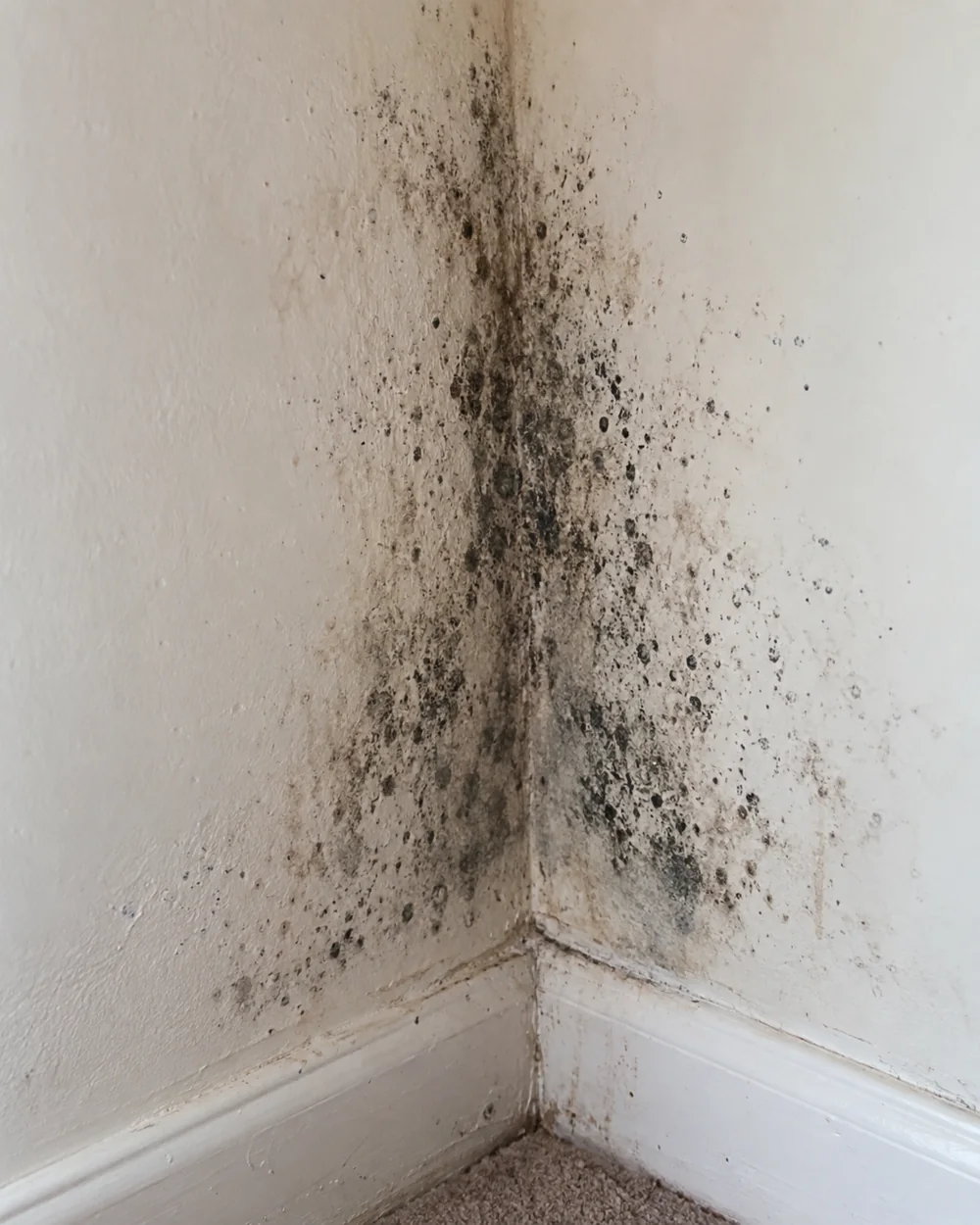
Confirm whether the wall received plaster or a new board
If a recently finished wall in your Hackney home remains damp, identify the work accurately. Wet-applied plaster on an existing surface differs from a new board that conceals it. Record the application dates, known products and preparation work. Those details help interpret the current finish without assuming the refurbishment caused every moisture concern.
Keep the contractor’s instructions and photographs of the wall before finishing. Identify any earlier damp patch and source repair. If there was no previous complaint, state that rather than inventing one from the new colour variation. The current wall still needs assessing on its own evidence.
Use observations over time before choosing the coating
Photograph the same wall from a similar position as its appearance changes. Distinguish a colour difference from visible wetting, peeling or new growth. Note heating and ventilation changes during the work and when the room returned to ordinary use. A single photograph can show an area worth checking but cannot establish a drying trend.
A material-aware assessment of the newly plastered wall compares accessible readings with the finish and relevant construction. Ask what those measurements can say about the present surface. A number should not become a generic instruction to paint, strip or wait a fixed number of days without that context.
Keep new-material moisture distinct from another supply
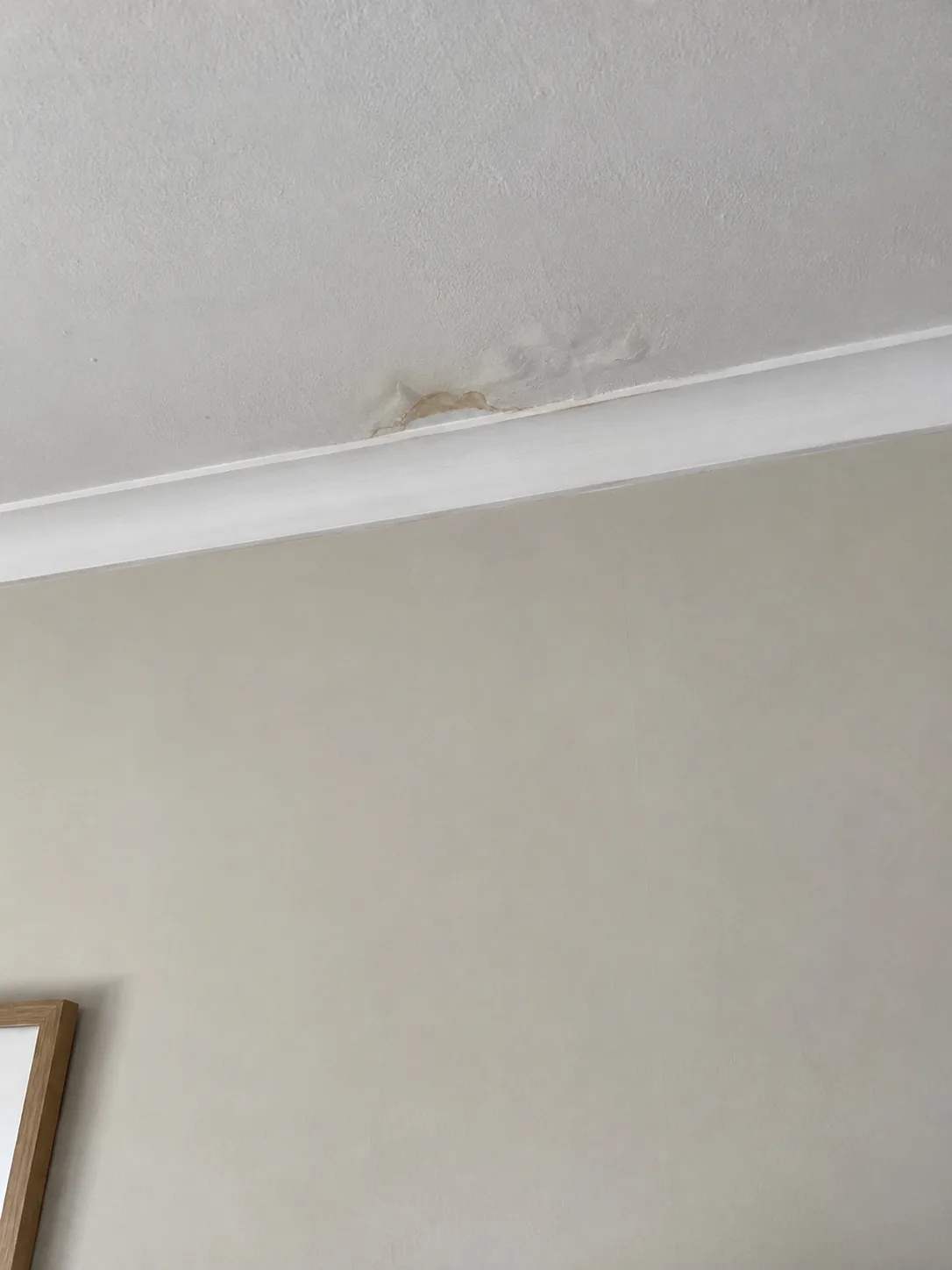
Wet-applied materials are relevant to the work history. A patch expanding after rain or fitting use raises a separate source question that should remain in the investigation. Identify its exact position and whether it matches older damage. A freshly plastered whole wall can contain a local concern that deserves a targeted check.
Where evidence points towards a fitting, an enquiry into a possible continuing water source has a different purpose from reviewing the finish. The findings should explain which source is supported and what further view is needed. Installation records can help locate concealed routes without confirming their present condition.
Checking room moisture conditions during the finishing period can also be relevant, especially if extraction or heating was interrupted. Explain the ordinary arrangement and any temporary measures. The plan should connect each recommendation to the wall and room observed, with no invented universal drying period. Before coating, agree which current material observation or further source check will inform readiness for the next finish.
Keep plumbing and external details in the picture
Where water-related fittings were altered, checking a possible concealed connection issue may be appropriate. A new installation can hide the source from view just as an older one can. Share any pressure tests, repair notes or access details if available, without treating them as proof about areas outside their scope.
Rain-sensitive marks raise another question about outside routes. The assessment should identify which possibilities are supported and which require additional access. Avoid opening all new finishes before a specific investigation question has been defined.
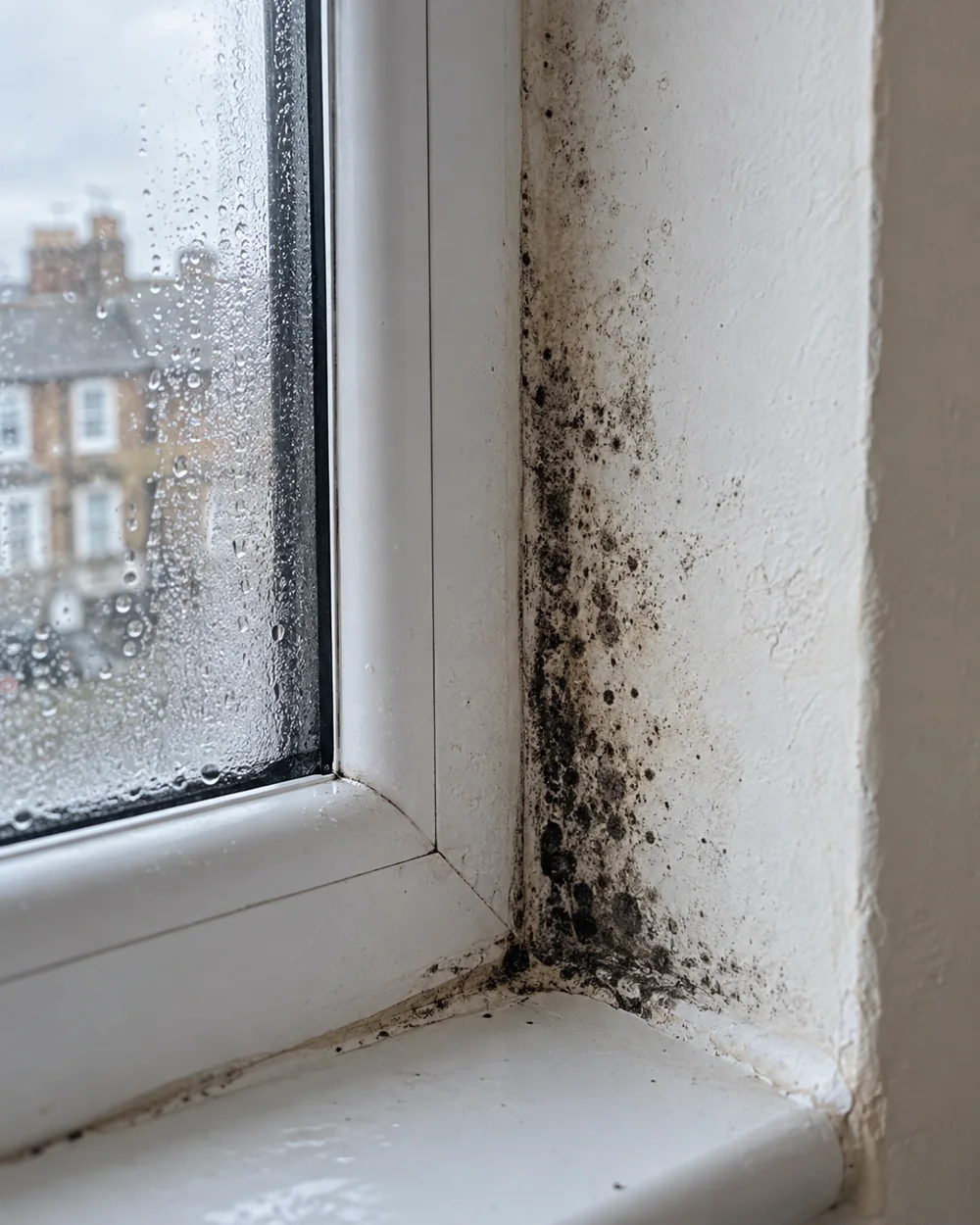
Do not repeat finishing work without understanding the wetting
Treatment of mould on the new surfaces should consider material condition and extent alongside the cause. It cannot establish that hidden backing is sound, repair a fitting or alter an external detail. Another coat of paint may improve appearance while making the moisture pattern less visible.
Before redecoration, ask what has been confirmed about the original source and the present finish. Retain access to areas that need further examination. If another contractor removes a panel or lining, photograph the newly exposed surface before reinstatement so the evidence is not lost in the next repair.
Keep a record that connects the old and new work
A useful record links the original symptoms, refurbishment stages and current marks. Keep photographs dated and located by room, with notes identifying the fitting, surface or building detail that was repaired. This helps a subsequent assessment distinguish an unresolved issue from a new one. The first visit should provide clear findings and a practical next check for any uncertainty created by concealed or recently changed construction.
Call before further cosmetic work if the same area is repeatedly wet. A defined assessment can prevent another round of decoration being mistaken for a source repair.
PROPERTY & MOISTURE CHECKS
QUESTIONS BEFORE A VISIT
Useful questions
Does a darker patch on new plaster prove a leak?
Not by itself. Its change over time, current material condition and any relationship to rain or fitting use need assessing together.
Can I use one meter reading to decide when to paint?
A reading needs the tested material and construction considered. Discuss what it establishes about the actual surface and which other observations matter.
Why distinguish wet plaster from new plasterboard?
They create different material and access questions. A board may hide the previous surface, while a wet-applied finish changes evidence at the exposed wall.
Should I expect a fixed drying period?
The product information and actual wall conditions matter. A generic period cannot confirm that the surface or concealed backing is ready.
What record helps the decorator make the next decision?
Keep the application dates, product information, repeated photographs and source findings together, including any material or area still needing assessment.
Nearby areas
Assess the new finish before adding another layer
Call about your Hackney wall with the plastering dates, product information and any changing wet patch. We can discuss the material and source checks needed.