DAMP & MOULD SPECIALIST
Damp and Mould Specialist Leyton
The kitchen back door can be exposed to indoor steam and outside weather. Investigate which surfaces get wet and when before deciding that the opening needs replacing.
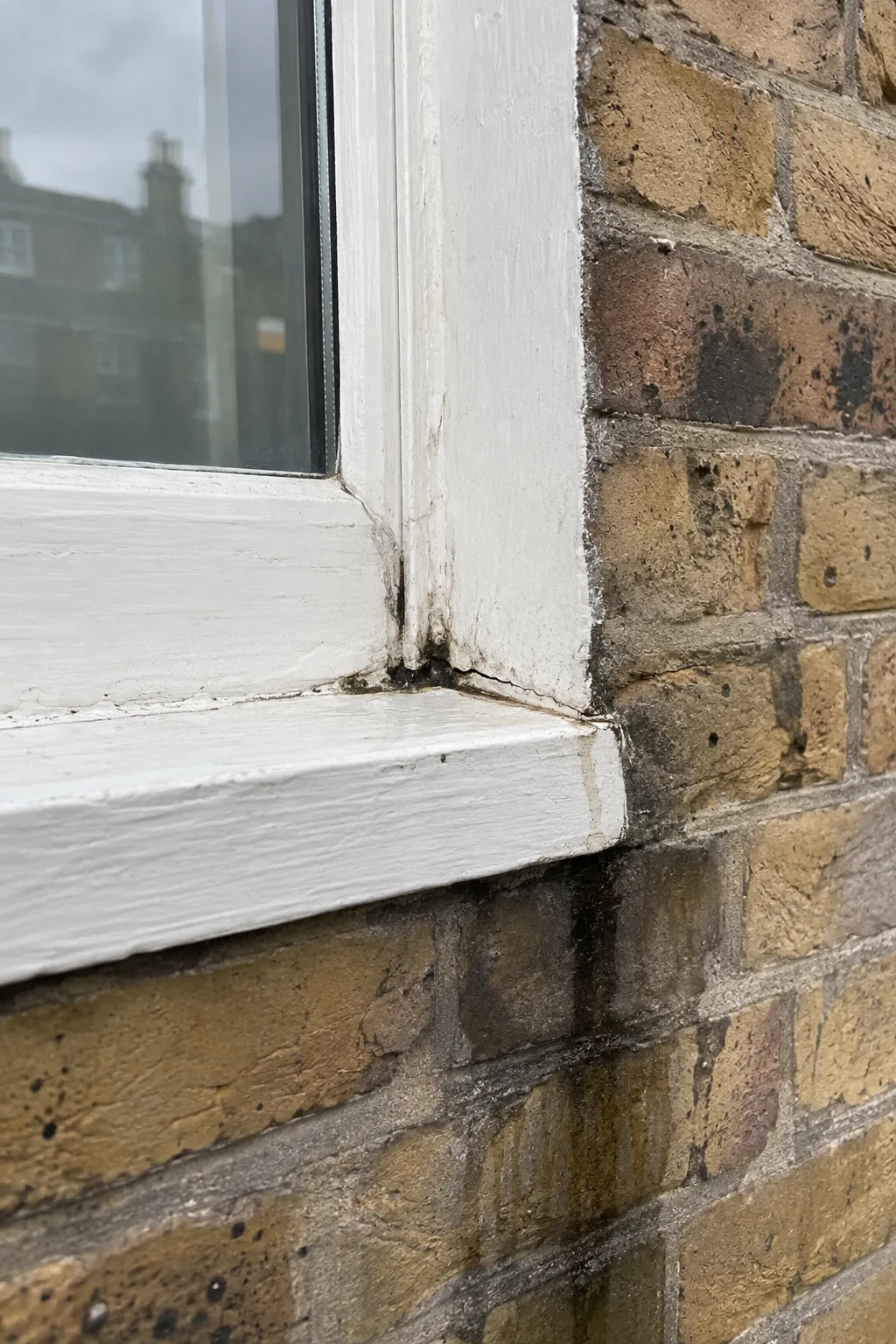
Start with the reveal and threshold pattern
If mould forms around a kitchen back door at your Leyton home, photograph the reveal, frame and floor junction with a view showing the kitchen layout. Note whether water appears on the glass or in the wall material. Those observations can direct different checks. The opening’s location alone cannot establish whether the moisture comes from inside or outside.
An assessment of the door reveal and colder surfaces can consider the growth pattern and local conditions. Tell us how the door area is used, including curtains, blinds or nearby storage. If these have been removed, show their original position so the newly open surface is not mistaken for its normal arrangement.
Cooking moisture needs somewhere to leave
Steam from cooking can add moisture to the room, and cooler surfaces near an outside opening may become wet. A review of kitchen moisture conditions can consider accessible extraction and air routes alongside fittings and other sources. A fan running does not by itself show how well the room clears after use.
Record whether wetting follows cooking, appears overnight or occurs without kitchen activity. Heating and airflow can influence the picture too. Explain any recent change to appliances or layout. Ask the inspection to connect those details with the affected surface evidence. The kitchen location provides context, with the cause supported by the moisture pattern and checks.
Rain changes need a separate outside enquiry
If the mark expands after rain or fresh water appears near the threshold, checks of accessible back-door water entry may be relevant. Visible exterior details can be compared with indoor damage. Hidden junctions or restricted access may require further examination before an exact route can be confirmed.
Keep records of repairs to the opening and nearby outside surfaces. Tell us what the contractor actually changed. A new seal may address one detail while leaving another uncertain, and old staining can persist after a repair. Ordinary observations and contextual photographs help distinguish those possibilities without dismantling the frame or disturbing external materials yourself.
Use access to both sides where it is available
Make the inside reveal visible where practical and clarify whether the outside face can be reached. Stored items, fixed furniture or a covered corner may restrict inspection. The findings should state those limits. If opening-up is recommended, ask which question it would answer and who should arrange it. Agree a targeted access plan before any doorway materials are disturbed.
Mention plumbing close to the affected wall and damp in adjoining areas. The door may be the most noticeable feature without being the only relevant one. Accessible measurements need interpretation with materials and the pattern. If a separate damp patch does not fit the opening explanation, the assessment should preserve that distinction and identify the next source check.
If the back door is regularly used while cooking, describe that pattern along with the extraction arrangements. An opening during use may change conditions temporarily without representing the closed room overnight. Recording both situations helps the inspector interpret wetting at the reveal and avoids selecting a ventilation measure from a single moment in the kitchen.
Choose surface treatment after the opening question
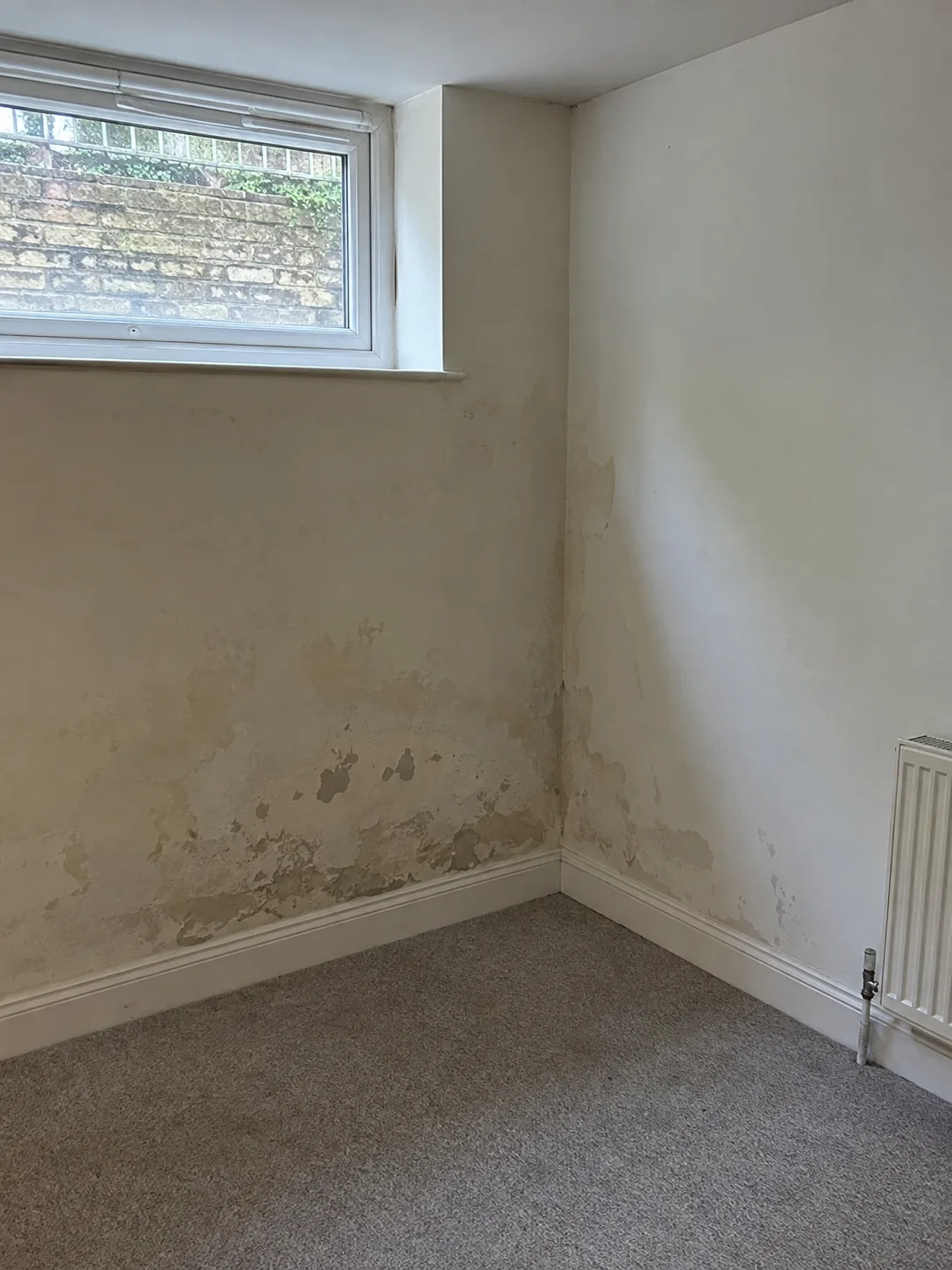
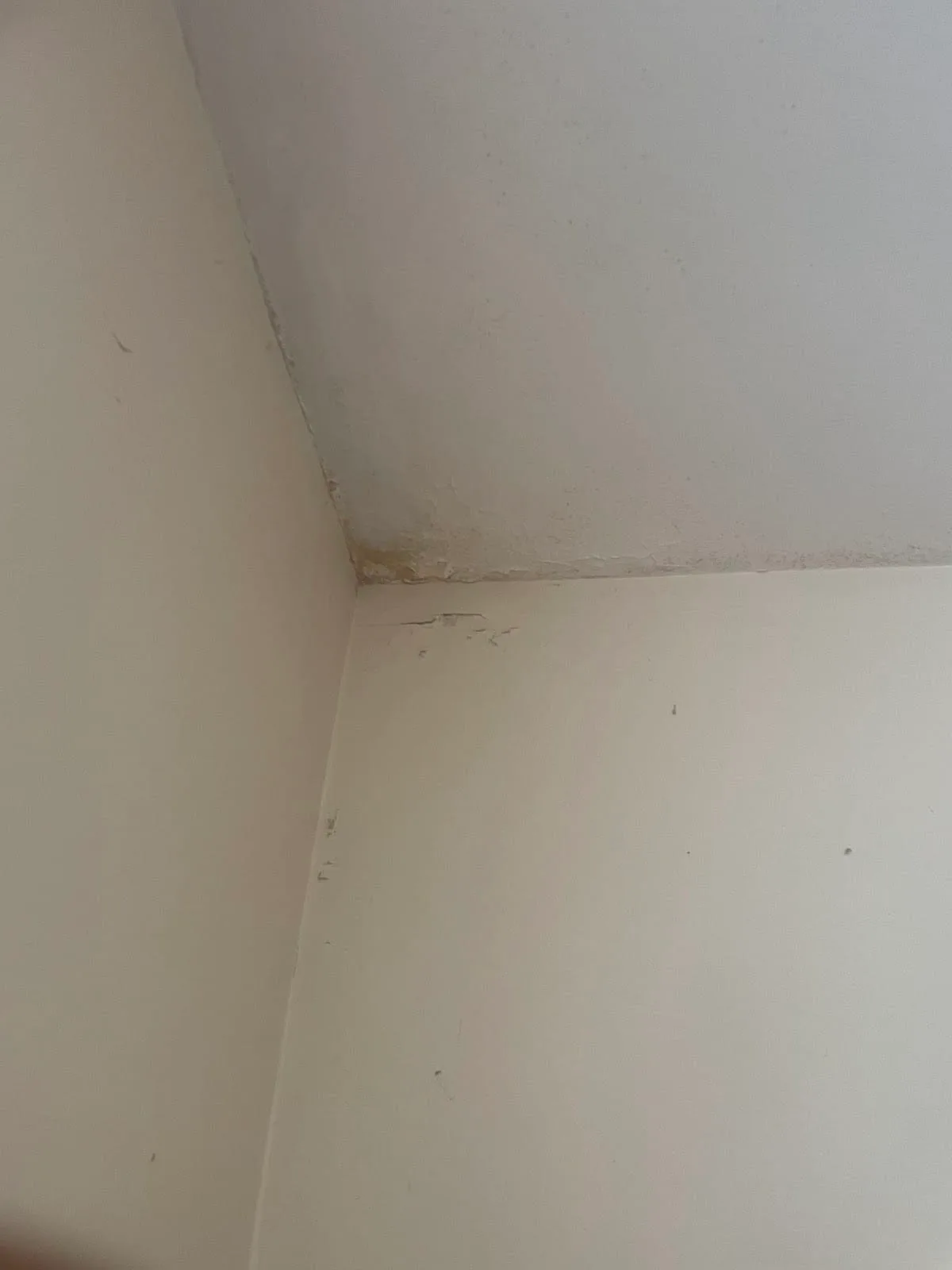
Mould treatment around the kitchen doorway can be assessed with the extent and finish condition. Growth removal does not correct an external defect or establish that cooking moisture is managed. Damaged plaster, paint or skirting may need their own repair decision. Ask how each recommendation relates to the observed surfaces.
Before purchasing a replacement door or redecorating, review what has been confirmed and what remains uncertain. Keep photographs of repairs and the exposed condition. If mould returns, describe where it begins and whether weather or ordinary kitchen use relates to the change. Use that record to guide the next investigation, showing which repairs and treatment were completed and where the new evidence appears.
PROPERTY & MOISTURE CHECKS
QUESTIONS BEFORE A VISIT
Useful questions
Does kitchen mould at a back door always come from cooking?
No. Indoor moisture may contribute, but outside entry, plumbing and the surface arrangement need consideration where the observations support them.
Can wet glass and damp plaster have different explanations?
They can. Their materials, temperatures and water exposure differ, so describe each observation separately instead of treating the whole opening as one wet surface.
Should I replace the back door straight away?
First establish which issue the replacement would address. Room ventilation or another external detail may remain unresolved if the door is changed without a supported source explanation.
What should I record after normal cooking?
Note which surfaces become wet and how that differs from overnight or rain-related observations. Do not deliberately add moisture to create a test.
Can outside and indoor moisture affect the same reveal?
Yes. The inspection may need to distinguish separate contributions and recommend different measures for source work and room conditions.
Nearby areas
Check both sides of the kitchen opening
Call about the Leyton back-door area with the wetting pattern and repair history. We can discuss the assessment needed before treatment, decoration or replacement work.