DAMP & MOULD SPECIALIST
Damp and Mould Specialist Leytonstone
A detached room can have different conditions from the house beside it. Investigate that separate space on its own evidence before choosing another lining or surface treatment.
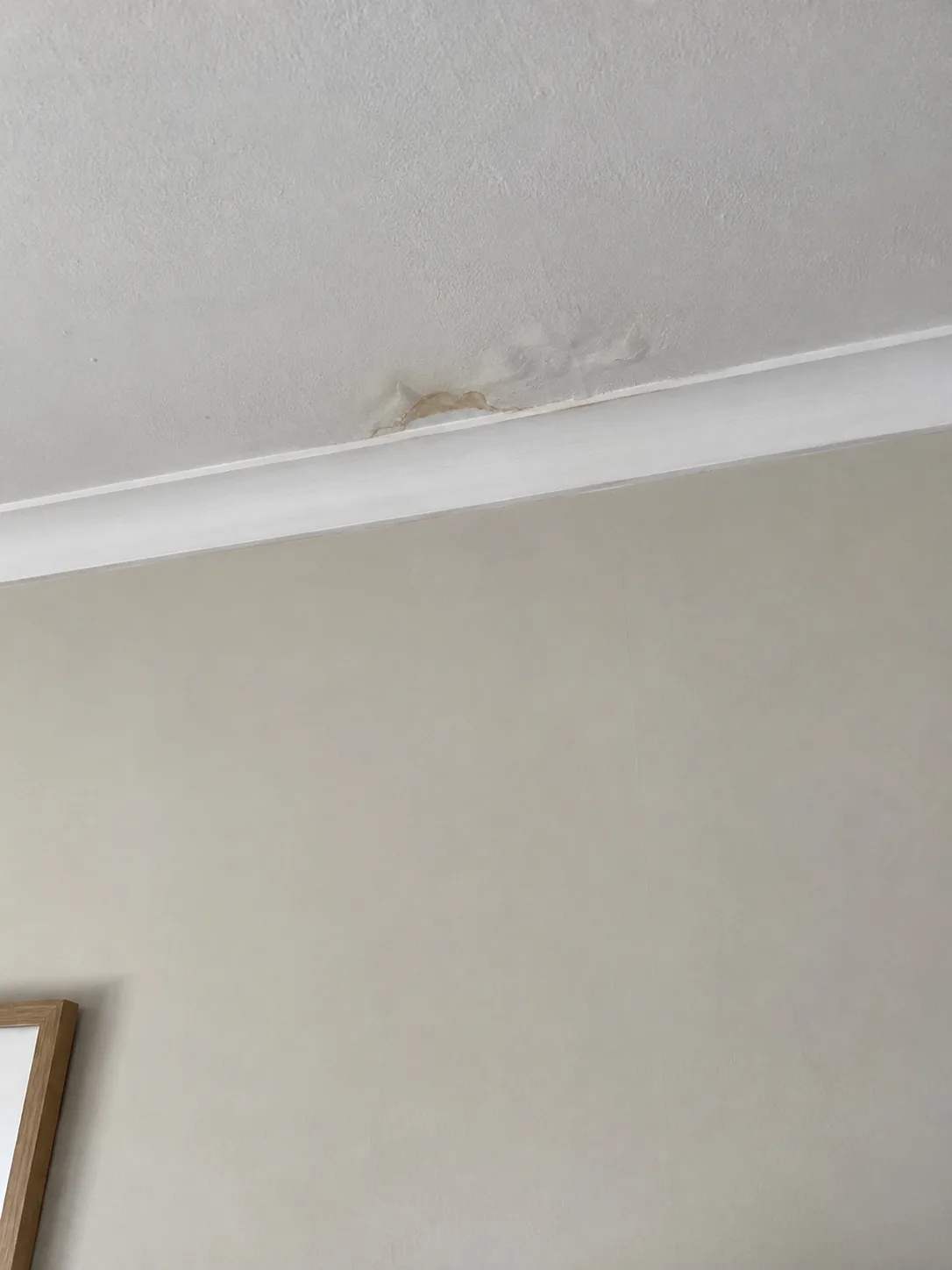
The house is clear, but the detached room is marked
If a detached garage or store at your Leytonstone property has been converted into a room and develops damp, describe the separation from the main home. Note how the room is heated, ventilated and used. The house looking dry does not establish the condition of another building. Its outside surfaces and daily routine may present different moisture questions.
Photograph the complete room, affected surfaces and accessible outside setting. Include which walls are exposed to weather and what sits next to them where visible. Tell us when the conversion and regular use began. These details guide the assessment without assuming hidden construction or declaring that the conversion caused every mark.
Record the detached room’s ordinary routine
Explain how often the room is occupied and what happens between visits. Heating, closed doors, storage and moisture-producing activities can affect its surfaces differently from the main home. A ventilation review for the separate room can consider accessible provision and cold areas against that routine. Recommendations should fit the space as it is actually used.
If portable equipment or a new heating arrangement has been introduced since the marks appeared, note the change and its result. The inspection day may show different conditions from the period when the room was closed or cooler. Keep photographs of the normal furniture layout before clearing access, particularly where growth is concealed behind storage.
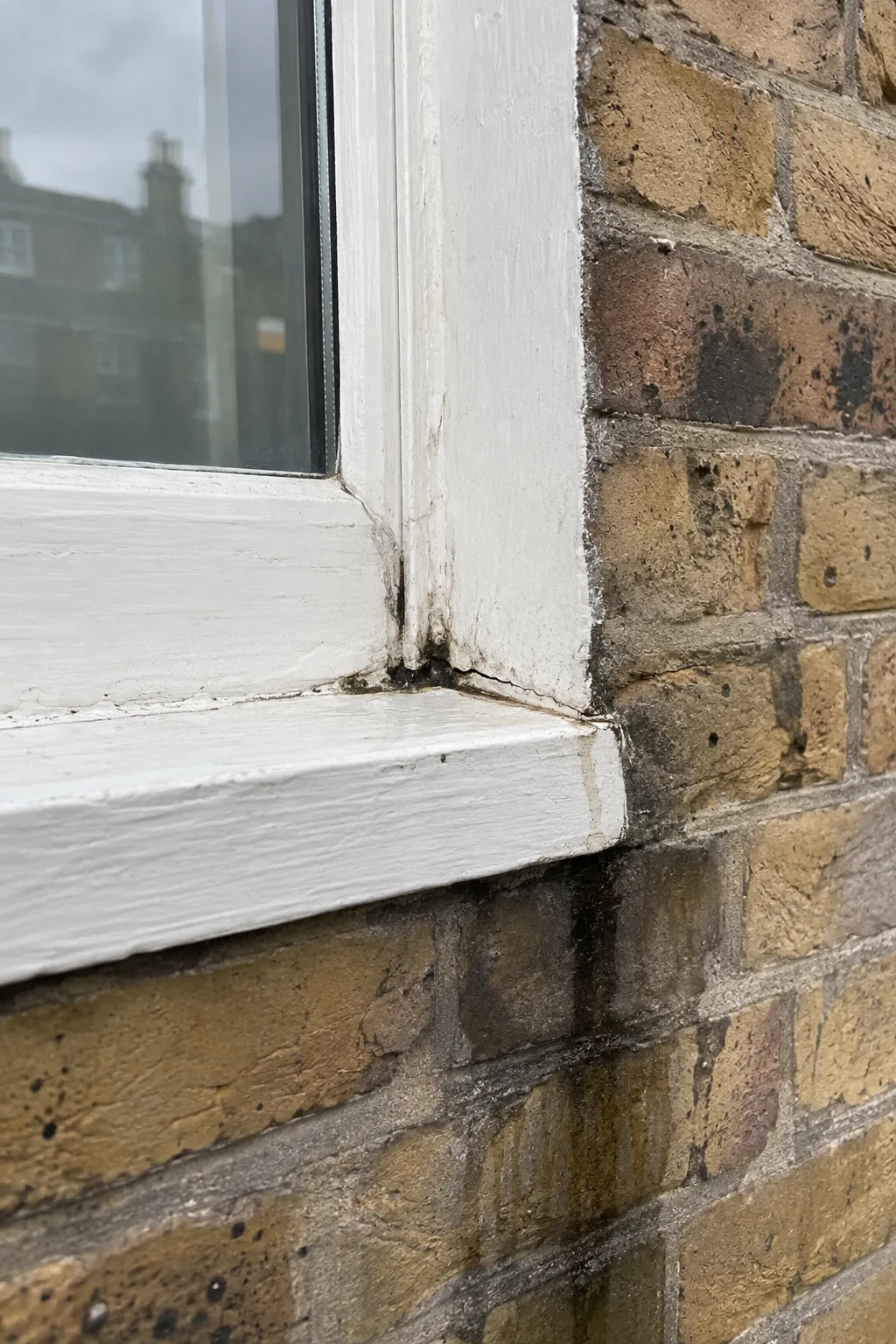
Compare weather observations with the outside boundaries
Record whether damage changes after rain and which wall or opening is affected. Checks of accessible external water routes can compare those signs with visible openings, joints and drainage surroundings. A detached building has its own boundaries to examine. A conspicuous outside feature should only inform a repair when the evidence supports a connection with the indoor wetting.
Tell us about paving, roofing or opening repairs already carried out around this room. Keep the work scope and photographs where available. A repair to the main house may not concern the detached room’s moisture route. If an outside detail cannot be reached or a construction layer remains concealed, the findings should identify the particular question and suitable further check.
Use the available construction information carefully
A moisture investigation of the detached conversion can compare accessible materials and readings with the damage history. Plans or conversion photographs may explain the intended arrangement and services. They do not show every present hidden condition. A new lining can restrict observation of the original wall or floor, and those limits belong in the findings.
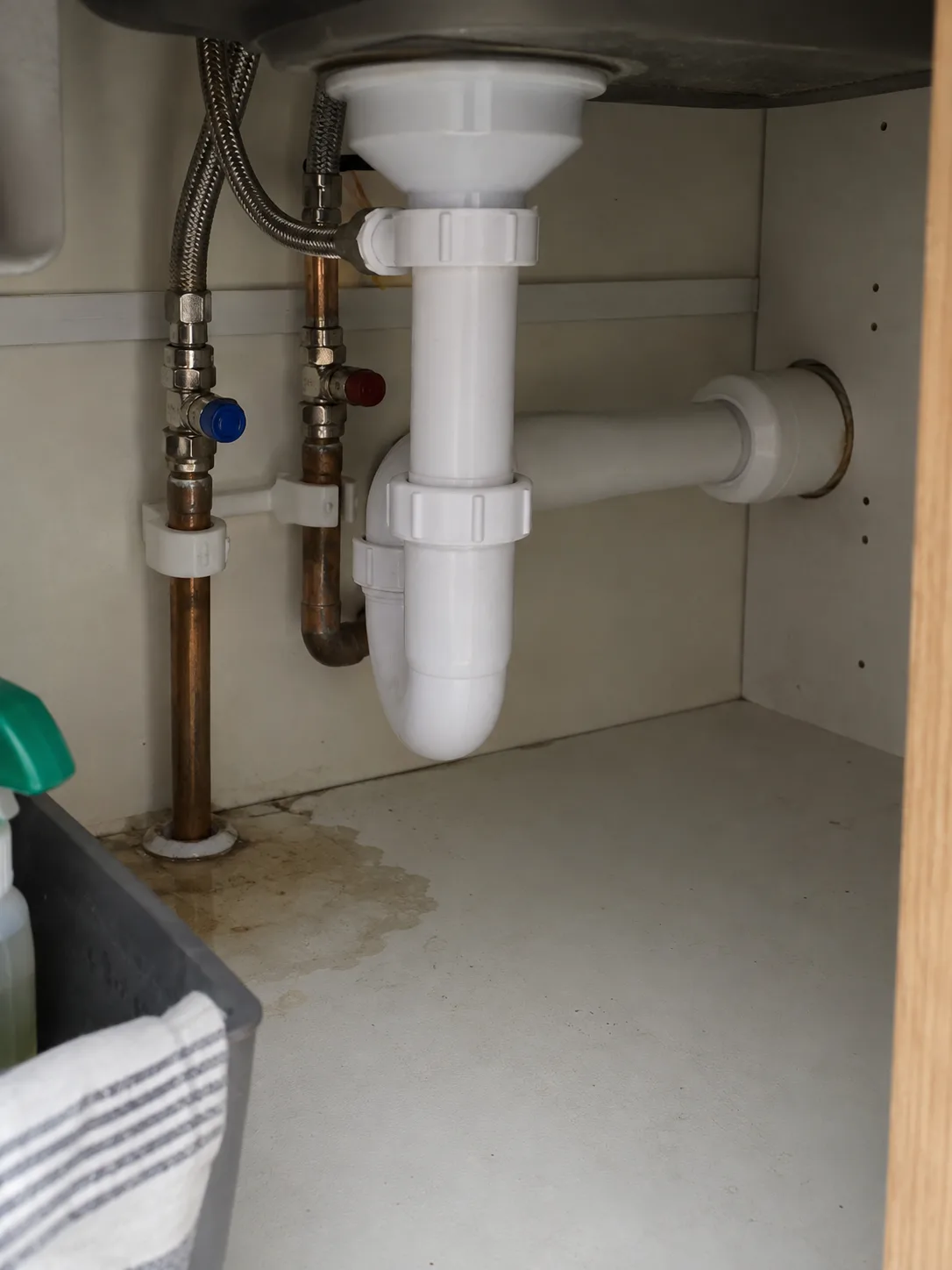
Show a distinct stain separately from scattered mould at a window or cold corner. Checks of the room’s colder surfaces can help interpret the latter pattern while another source is considered for the stain. If plumbing exists, describe only the routes and checks genuinely known. One diagnosis should not be applied automatically to every surface in the building.
Agree the moisture work before relining
Where growth is present, treatment of the affected room surfaces can be discussed with their condition and extent. Confirm which materials are included and whether damage needs a separate repair. A clean face does not establish concealed construction, and a new lining would hide the original surface. Source measures and material decisions should inform the finishing plan.
Keep the assessment, completed repair scopes and photographs together before the room is closed up or refurnished. Ask what should be reviewed under normal use and relevant weather afterwards. If one symptom improves while another remains, record that difference. The next enquiry can then focus on the detached room’s unresolved question with evidence of what was actually examined and addressed.
PROPERTY & MOISTURE CHECKS
QUESTIONS BEFORE A VISIT
Useful questions
Can the main house be dry while a detached room has mould?
Yes. The buildings can differ in exposure, heating, ventilation and use. The separate room needs assessment against its own surfaces and moisture history.
Should I use the same ventilation advice in both buildings?
Discuss the actual provision and routine of the detached space. Measures suitable for the main home should not be assumed to answer another building’s moisture question without assessment.
Does the damp survey certify the whole conversion?
No. It investigates moisture concerns within an agreed scope. Any wider construction question should be identified separately with the appropriate additional assessment arranged where needed.
Are garden-side repair photographs useful?
They can show which external detail was exposed or repaired and when. Keep them with indoor changes so the assessment can examine the relationship without assuming every outside task addressed the damp.
What should I check before fitting another wall lining?
Clarify the moisture source, accessible material condition and remaining concealed questions. Share the findings with the contractor so the next covering follows the repair and assessment decisions.
Nearby areas
Assess the separate room on its own evidence
Call about the Leytonstone detached space with its use, heating and weather-related observations. We can discuss the checks needed before another finish or lining is chosen.