DAMP & MOULD SPECIALIST
Damp and Mould Specialist Stratford
A ventilation service record can explain what was maintained without proving why a wall remains wet. We compare the recorded work, present controls and mould pattern before another system alteration.
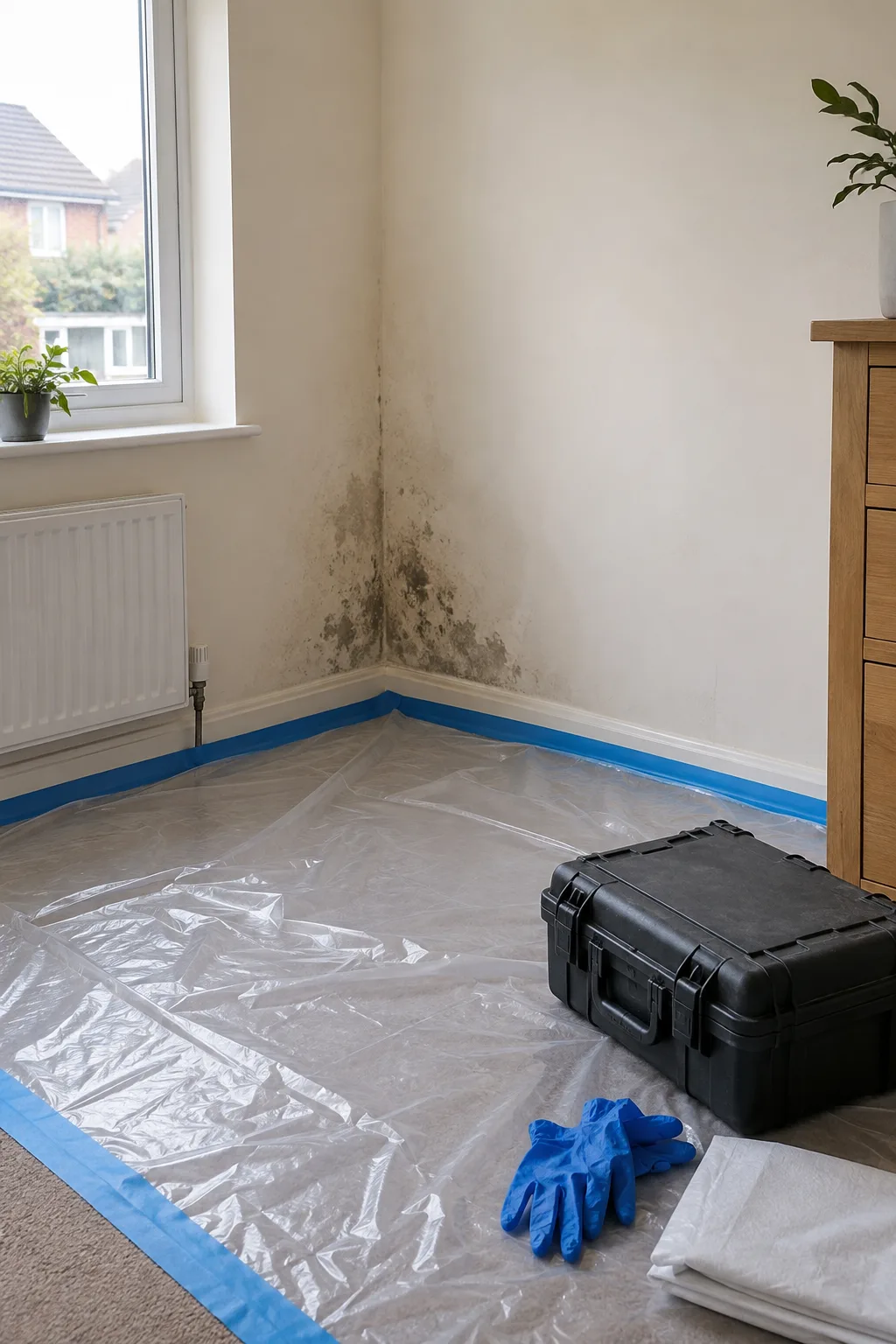
Identify what the recent service included
If mould persists in your Stratford flat after mechanical ventilation was serviced, start with the actual work record. A filter change, control adjustment and airflow test are different tasks. Note which equipment was visited, the date and any measurements recorded. A service invoice should not be read as a moisture assessment of every room unless that was part of its stated scope.
Tell us what prompted the service and whether the affected marks were documented beforehand. Keep photographs of the original wet positions. If the record lists a component needing further attention, include that recommendation. This helps us avoid repeating a maintenance task while the particular room concern remains unexplained.
Compare the settings before and after the visit
Record any control or mode change made during servicing and the setting normally used now. Keep the operating instructions if available. Do not choose unfamiliar settings to produce a special inspection result or dismantle the equipment to identify a mode. A clear account of normal operation is useful evidence.
A review of the current ventilation and wetting pattern can connect the available controls with the affected spaces. If a separate system test is needed, the recommendation should state what it will measure and why. A labelled mode and a running motor do not establish the actual airflow throughout a concealed route.
Decide what improved and what did not
Compare the same positions since the service. Perhaps bathroom droplets now clear while a bedroom corner remains marked, or a persistent stain has not changed at all. Record those differences with dates and relevant ordinary use. They help separate a possible improvement in moisture removal from a wall or fitting concern that still needs its own enquiry.
Assessing the surfaces still wet after ventilation work compares accessible readings with materials, room layout and history. A low reading on one aired surface cannot speak for a hidden backing elsewhere. Identify any cupboard, ceiling panel or fixed lining that restricts the view.
Where the remaining stain lies near a fitting, checking a separate concealed water source may be appropriate. Keep that purpose distinct from servicing ventilation equipment. The useful next action follows the unresolved sign: a component test, a fitting enquiry or material assessment. Another general service visit should not be selected simply because mould is still visible.
Measurements must stay connected to the affected surfaces
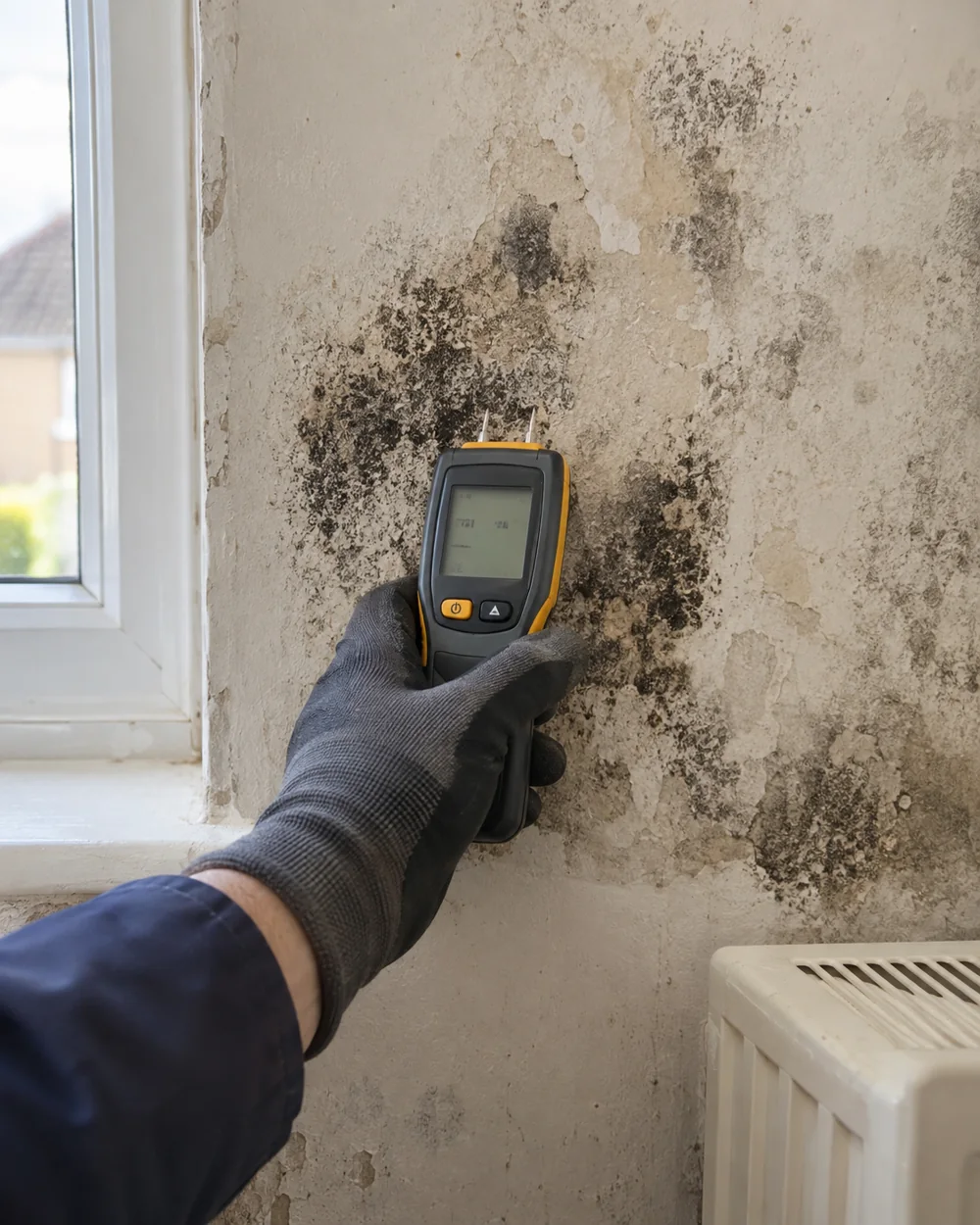
We inspect accessible damage and compare relevant readings with materials and room layout. A high wall reading does not tell us the ventilation is faulty, and a low spot reading does not exclude intermittent condensation. Photos taken during ordinary wetting can provide context missing on the day. The explanation should distinguish observations from assumptions about hidden equipment.
For an unclear moisture route, a focused investigation of the affected areas can identify next checks. The next check may involve a fitting, an external detail or another view of a concealed area, selected to answer the remaining moisture question.
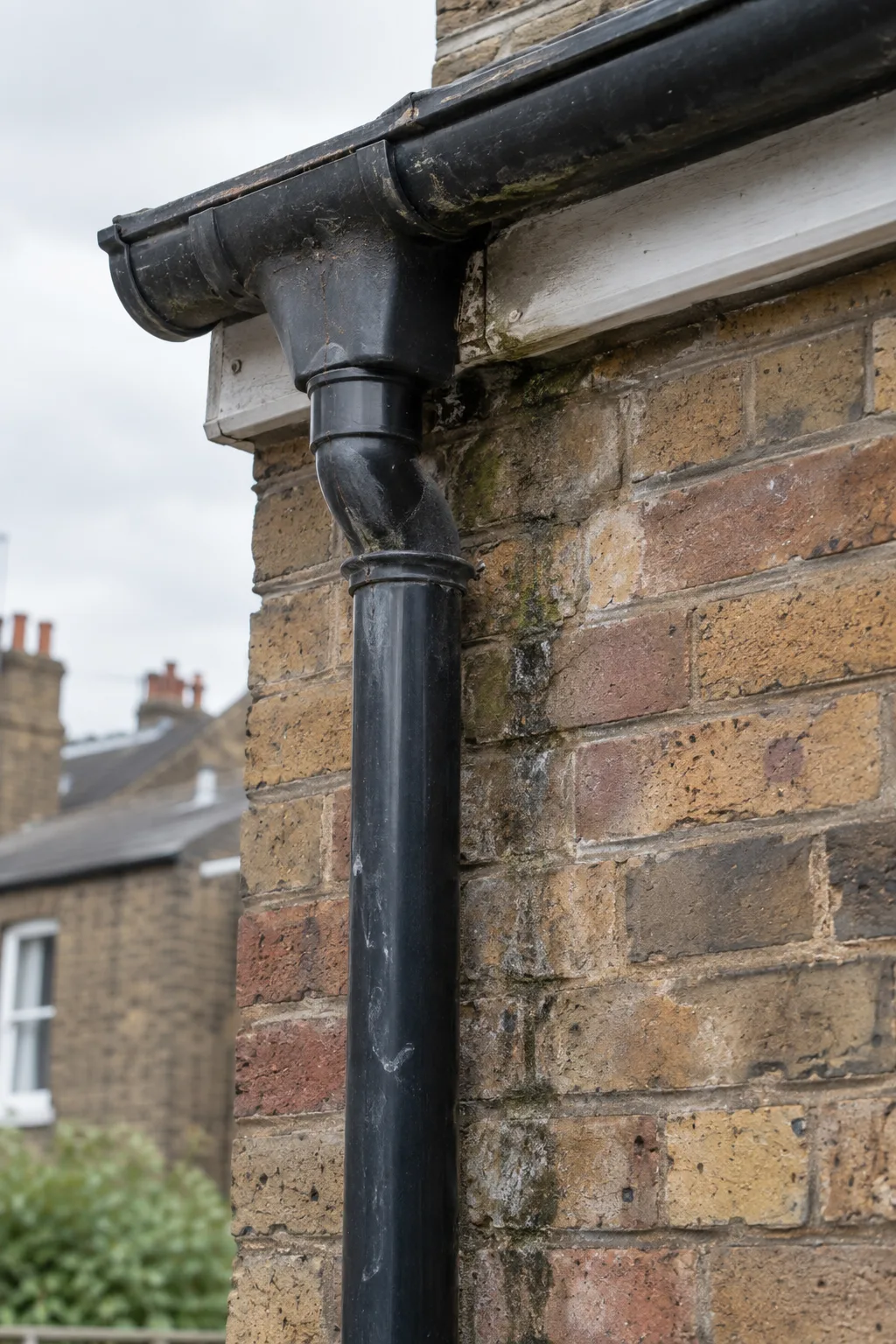
Keep a plumbing source in the enquiry
Moisture near a bathroom wall or appliance connection may require checks for a concealed water source. Ventilation cannot repair leakage. The presence of wet windows elsewhere should not be used to dismiss a separate persistent stain as another condensation symptom.
Where confirmation requires a panel or access through another property, the findings should explain why. Arrange authorised access and record any part that remains unexamined. This helps avoid a confident diagnosis based on the condition of only one visible surface.
Coordinate treatment with the supported source work
Treatment of the flat’s mould-affected finishes should account for material condition and accessible extent. Ventilation work, leak repair and surface treatment have different roles. The plan needs to show which finding each proposed action addresses, especially where several rooms are involved.
Before reinstatement, keep the original wet areas accessible where practical and retain dated photographs. Record system changes and source repairs separately from cleaning. Name any concealed surface or component still requiring a check before finishes close the area again. Call with the equipment information, affected rooms and any maintenance history so the initial inspection can be planned around useful evidence.
PROPERTY & MOISTURE CHECKS
QUESTIONS BEFORE A VISIT
Useful questions
Does a service invoice prove the flat’s moisture problem is resolved?
It records the stated work. Check whether the service included relevant testing and room assessment before treating it as confirmation about every damp surface.
What should I bring from the service visit?
The work scope, any recorded measurements, recommended further tasks and control changes help relate the visit to current wetting.
Should I return every setting to its old position?
Use the operating information and explain any changes. Further adjustments should have a reason linked to the system and current findings.
Can one room improve while another stays damp?
Yes. Record each original position separately. Better moisture removal in one space does not repair a separate source or assess hidden material elsewhere.
Will a moisture inspection repeat the ventilation service?
Confirm the scope before booking. Surface moisture assessment and equipment servicing have different jobs; a specific additional system test may be recommended.
Nearby areas
Review what remains after the ventilation work
Call about your Stratford flat with the service record, normal settings and the locations still wet. We can discuss a focused next assessment.