DAMP & MOULD SPECIALIST
Damp and Mould Specialist Bow
Mould appearing beside new fitted cupboards needs a check of what the installation changed. We assess the accessible wall and ventilation point before you arrange alterations to the joinery.
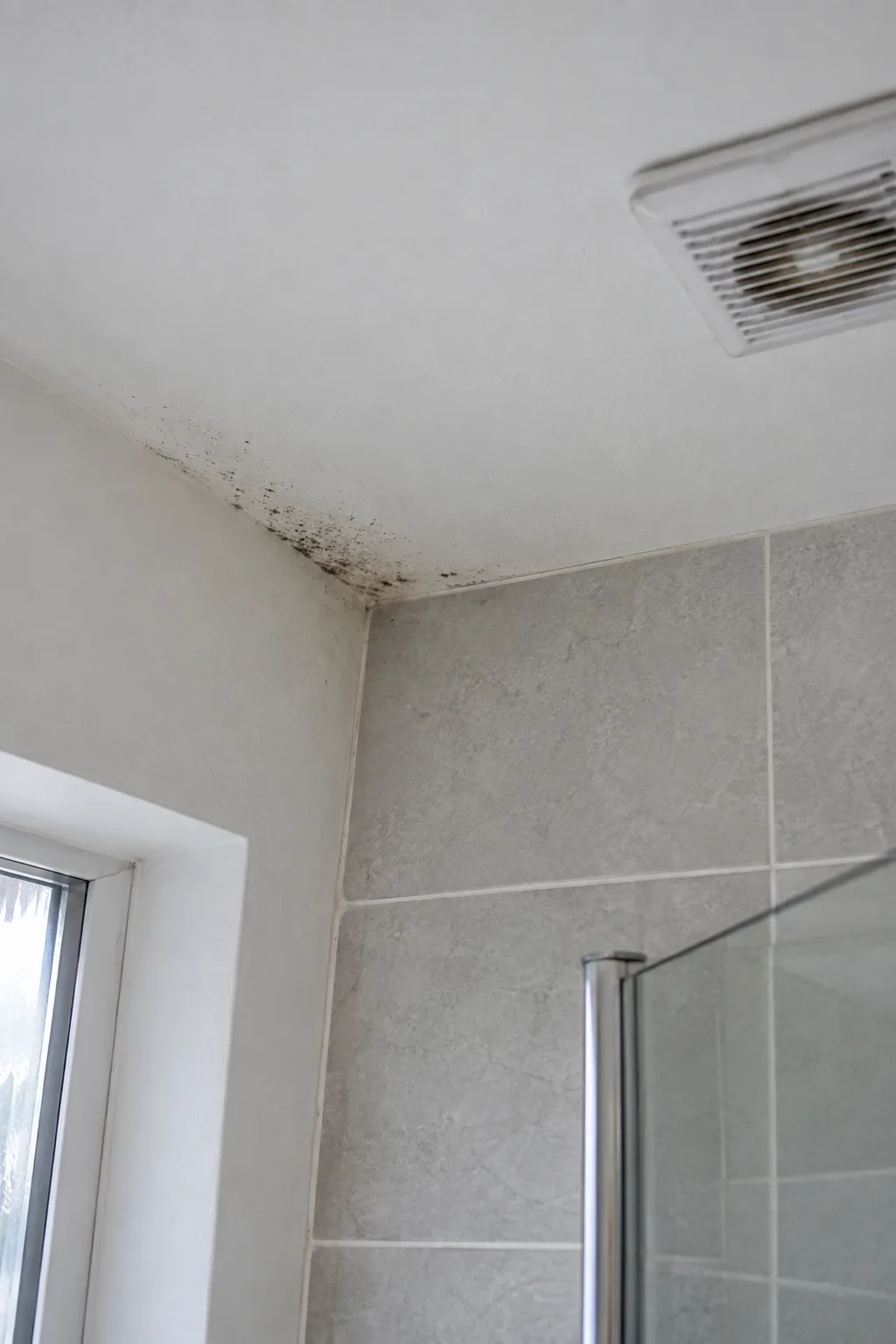
Start with the wall before and after fitting
If mould appeared in your Bow home after a fitted cupboard was installed, describe the original wall and the layout now in front of it. A ventilation point may have become enclosed, a shelf may obstruct its face, or the wall may simply have less room for air movement. The installation date gives a useful starting point for investigation. It does not establish that the joinery caused every damp mark in the room.
Find any photographs taken before the cupboard went in. Include the original grille, window and wall if they are visible. A drawing from the fitter may show an intended opening that cannot be seen from the room today. Keep that information available and explain which cupboard sections open normally. These records can help define access without asking you to dismantle fitted furniture on speculation.
Look at the opening that is actually available
A check of condensation and the ventilation arrangement considers the visible point and its relationship to the cupboard. A gap in a door does not necessarily connect to the original outlet, and an opening on a drawing does not show its present condition. We explain what can be inspected from the room and what requires confirmation behind a panel.
Tell us if the joinery covers a passive air opening, an extraction grille or a point whose purpose is unknown. We can use the accessible arrangement and available records to identify the question needing further attention. Avoid cutting a new hole or removing a grille before its role is established. Any alteration should have a defined purpose and the appropriate person to carry it out.
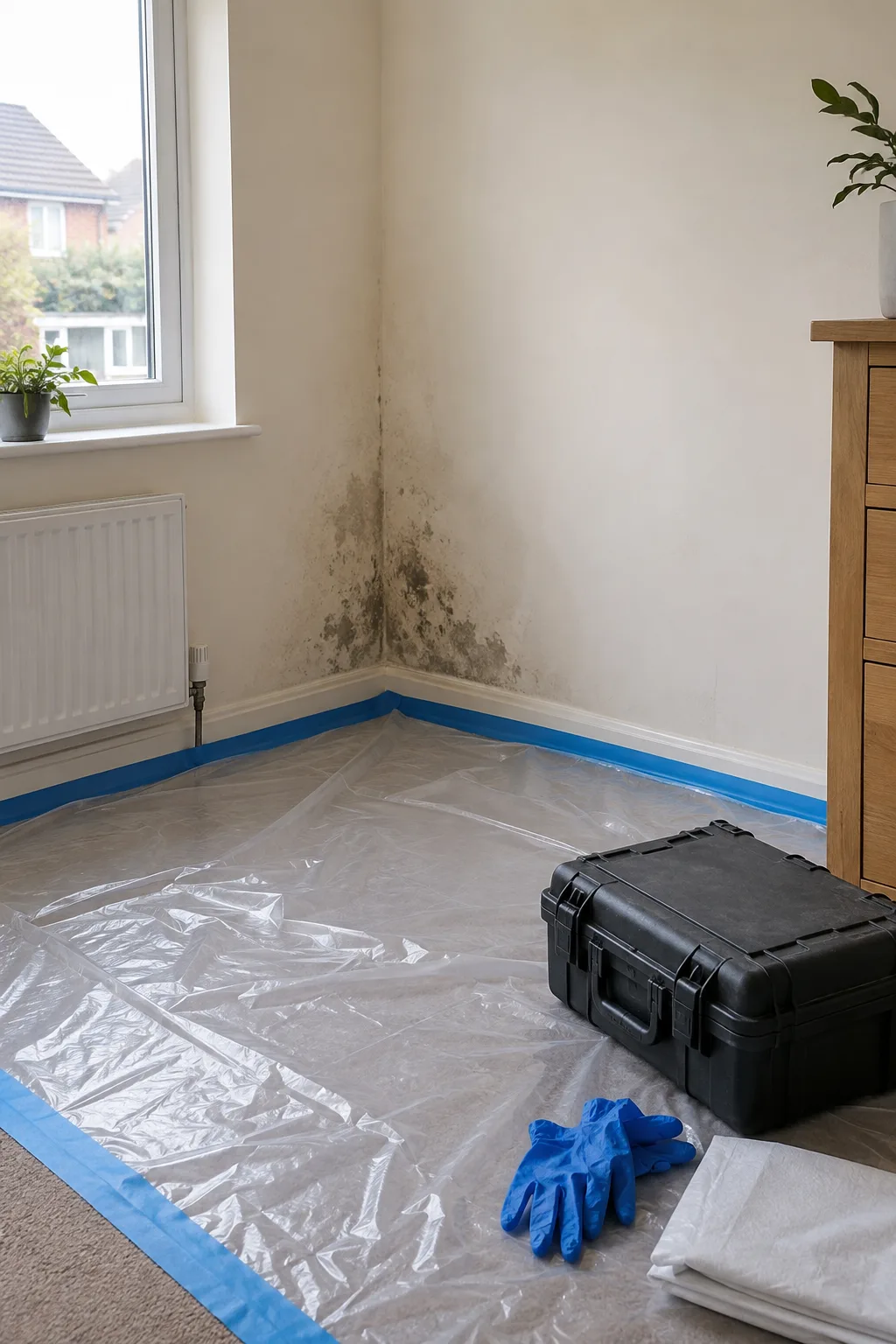
Compare the enclosed wall with the room
Our assessment of sheltered walls and cold surfaces compares growth inside the cupboard with accessible surfaces outside it. Note whether items pressed against the back are affected, whether the lower edge has a stain, and whether the wall above the joinery remains clear. This detail helps separate a local enclosed condition from a wider room problem.
Explain what the cupboard stores and when the marks are visible. Wet coats or recently dried laundry can add useful context, but stored belongings should not become an automatic explanation. If the wall has a defined damp patch, include its position relative to plumbing or the outside of the building. Different signs in one cupboard can require different checks.
Investigate a persistent patch before changing the cupboard
A moisture investigation around the affected cupboard considers surface condition and the pattern of available readings. New lining boards and a closed backing can limit the surfaces we can examine. The findings should name the accessible material and explain any uncertainty about the wall behind it, so an opening can be planned around a specific question.
Mention a stain that changes after rain or use of a nearby fitting. Those observations can point towards an additional source requiring its own investigation. Moving air through the cupboard may improve its local conditions while leaving that wetting route unresolved. Agree which evidence a proposed alteration should address, and which patch needs checking independently.
Plan treatment around the surfaces you can reach
Discuss mould removal and surface treatment once the affected extent and access are understood. A visible strip beside the door may be only part of the growth. Sound paint, swollen board and damaged plaster need their condition assessed individually. Cleaning the visible strip cannot establish the state of the covered wall.
Ask the fitter which panels are intended to be removable if additional access is needed. Share that answer when booking, including any limitations. The inspection can then distinguish the initial visible checks from work requiring a planned opening. Keep photographs before treatment so the original boundary remains available for comparison after the surface looks cleaner.
Check the original enclosed area after agreed work
Record the cupboard arrangement after an agreed alteration and observe the previously affected surfaces during ordinary room use. Note a change in the wall, the stored contents and any remaining defined patch. This makes a follow-up discussion more useful than reporting only that a new opening was made. Keep the purpose of each task clear: access, airflow changes, source repairs and treatment answer different parts of the problem.
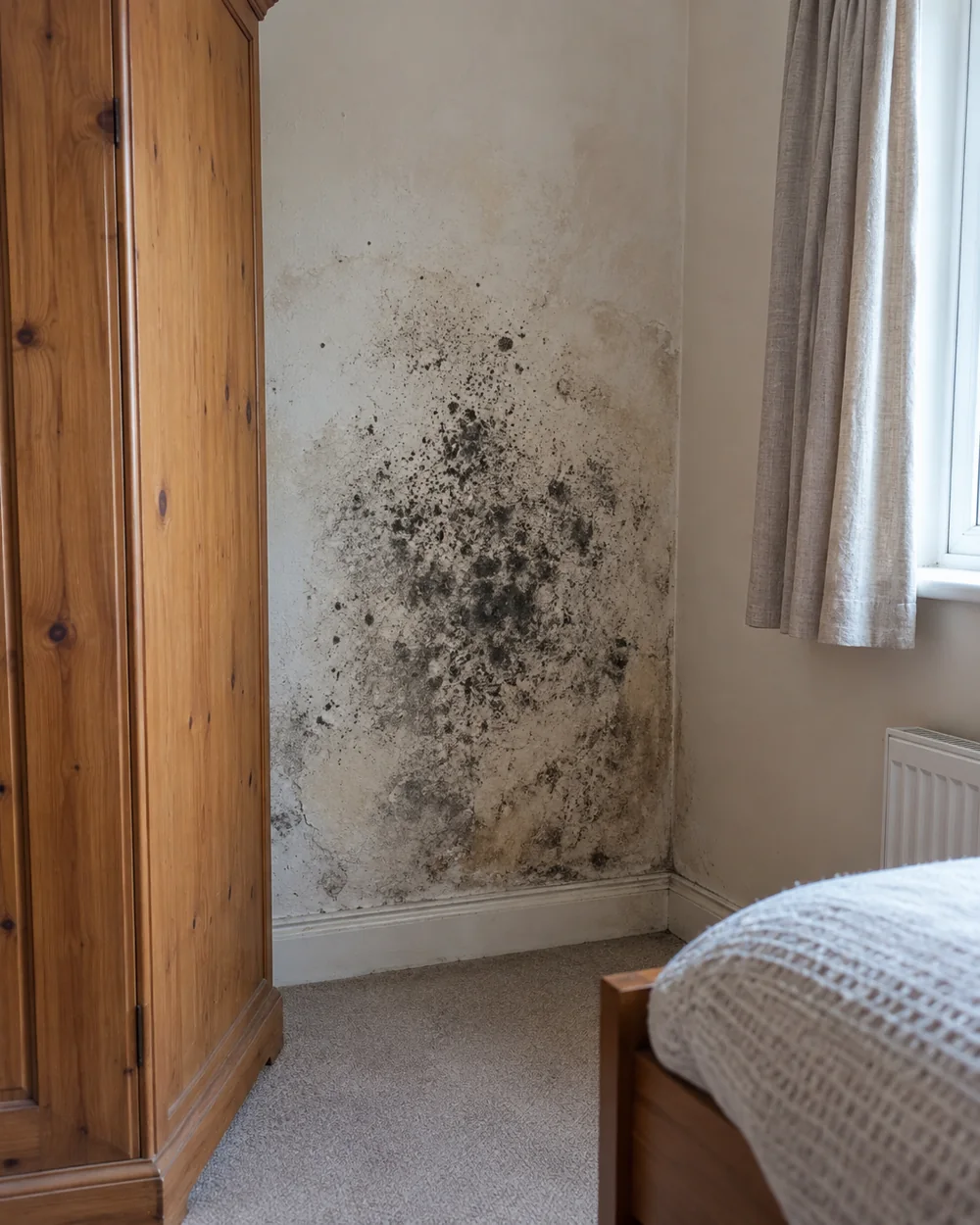
PROPERTY & MOISTURE CHECKS
QUESTIONS BEFORE A VISIT
Useful questions
Should I ask the fitter to remove the entire cupboard?
Start with the original layout, photographs and accessible openings. The inspection can identify the part needing a closer view. Ask the fitter about removable panels so any opening is planned around that question.
Is a slot in the cupboard door enough for the old vent?
Its size and position alone do not confirm the route. The assessment considers how the slot relates to the actual ventilation point and explains what remains concealed.
Why are the contents mouldy when the exposed wall looks clear?
Conditions within an enclosed cupboard can differ from the room. Include affected belongings and accessible backing in the enquiry so the local pattern can be compared.
What if there is a brown stain behind the lower shelf?
Photograph its position and describe changes after weather or fitting use. A defined stain deserves investigation alongside the enclosed airflow conditions.
Can the visible edge be treated before a panel is opened?
Discuss the accessible surface and the suspected extent first. Treatment of an edge may be limited if growth or damaged material continues behind the backing.
Nearby areas
Plan the cupboard check before arranging alterations
Call about the Bow cupboard, the original ventilation point and the marks you can see. We can discuss accessible checks and the information needed from your fitter.