DAMP & MOULD SPECIALIST
Damp and Mould Specialist Stepney
A closed space under the stairs can hide growth until belongings are moved. Its shape and storage matter, but the surrounding walls and possible water sources need attention too.
Make the cupboard’s layout clear
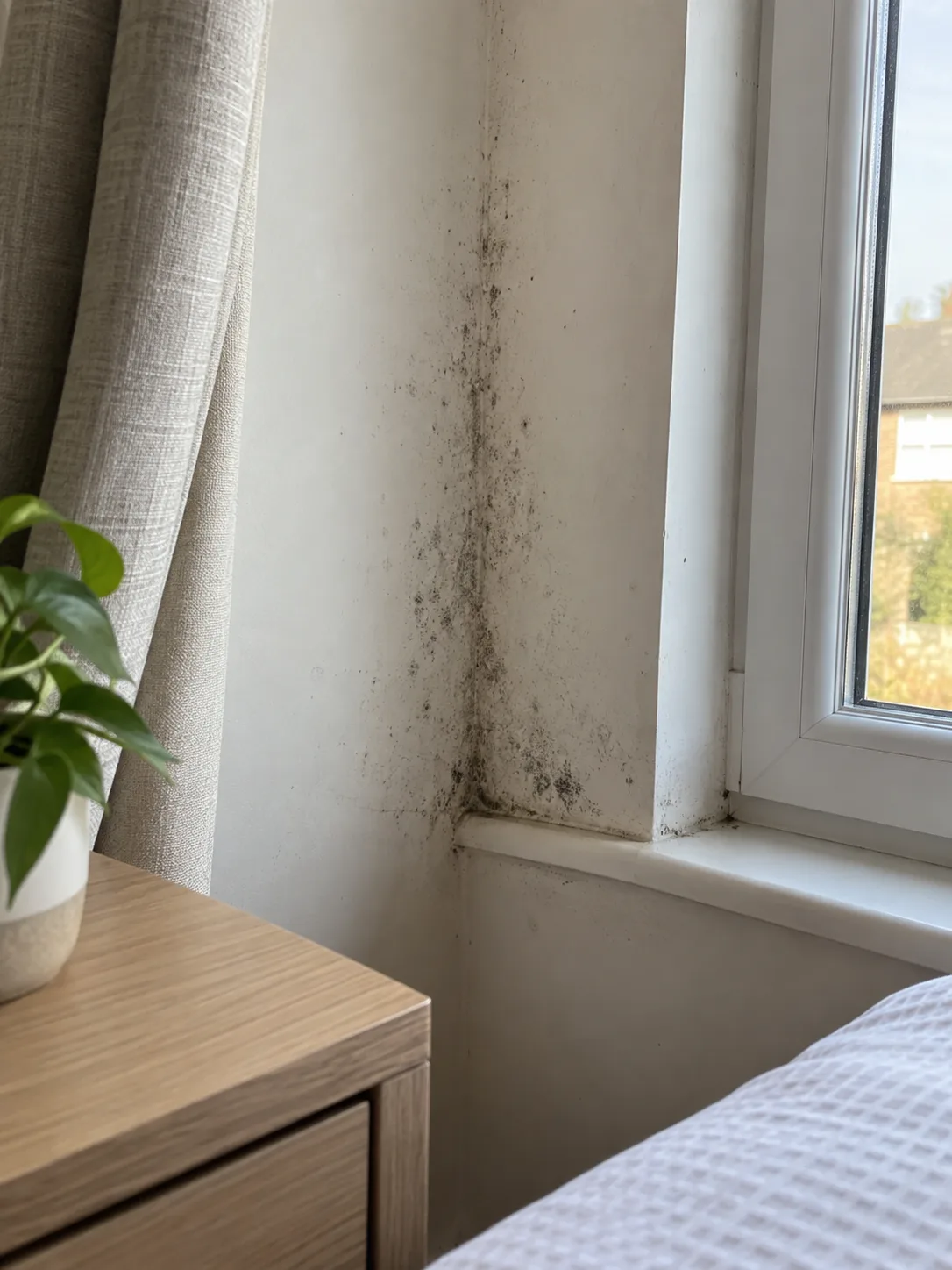
If you discover mould under the stairs at your Stepney home, photograph the whole space with its wall, floor and stair underside visible where accessible. Note which surfaces are affected and what is normally stored there. A smell alone cannot establish a cause. The inspection needs to distinguish marks on fixed surfaces from the condition of stored items.
An investigation of under-stair moisture can consider accessible materials and the pattern with the history. Tell us about adjoining bathrooms, kitchens or known services without guessing concealed routes. The cupboard’s location provides context; it should not be used as a reason to assume every enclosed space has the same problem.
Restricted circulation is one possibility
Stored items and a closed door can limit air movement. Cooler surfaces may remain damp when indoor air contains moisture. A review of cupboard and hallway airflow can consider these conditions together with heating and moisture production elsewhere. Describe how the cupboard and surrounding rooms are used. Ask any proposed ventilation measure to explain its purpose against that arrangement and the findings.
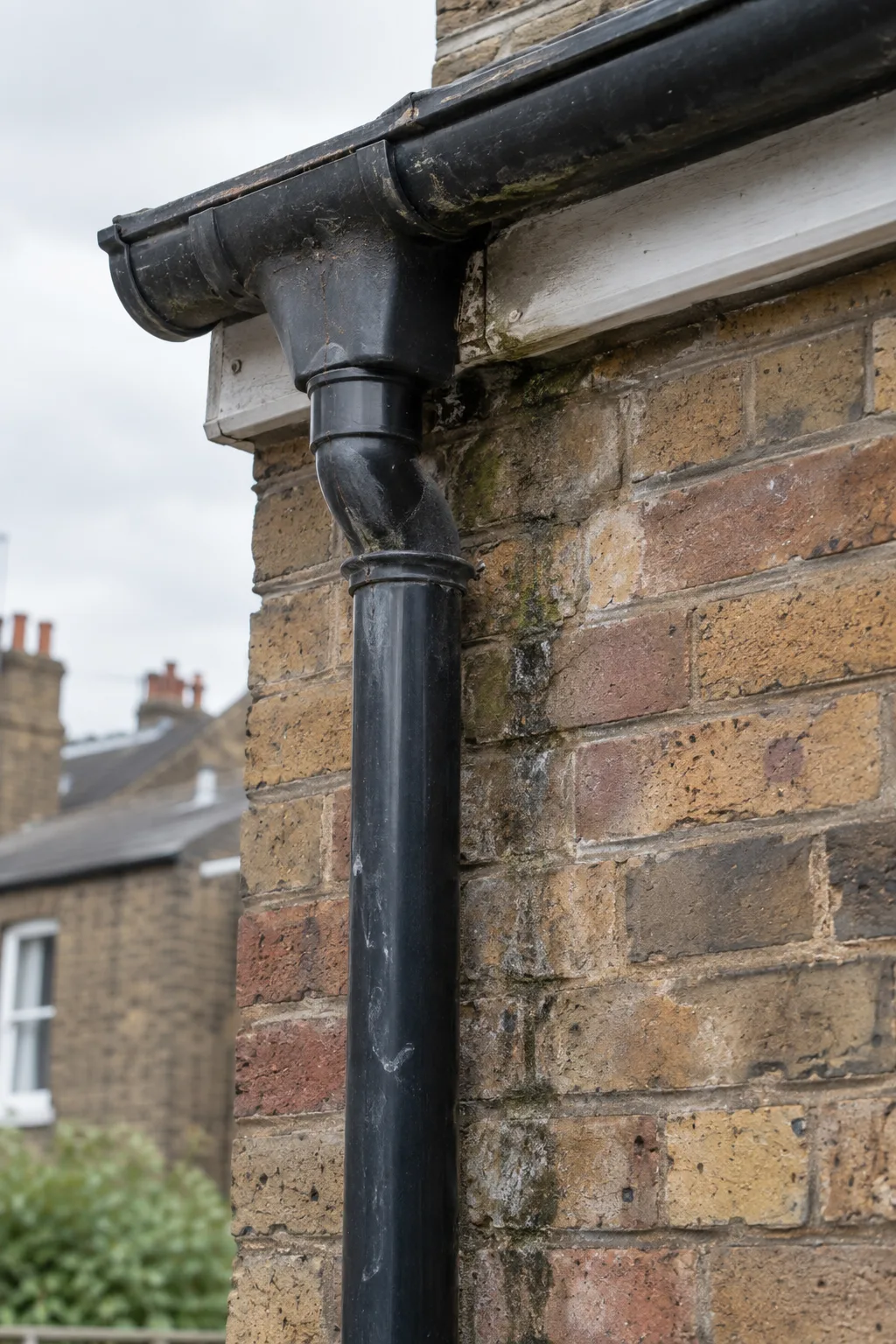
If a pipe route or wet room is nearby, checks for hidden water beside the cupboard may also be relevant. Persistent staining, swelling or damage beyond the storage outline deserves consideration. Accessible inspection can guide further access, but concealed services may need examination by another appropriate contractor to confirm their condition.
Keep the original arrangement on record
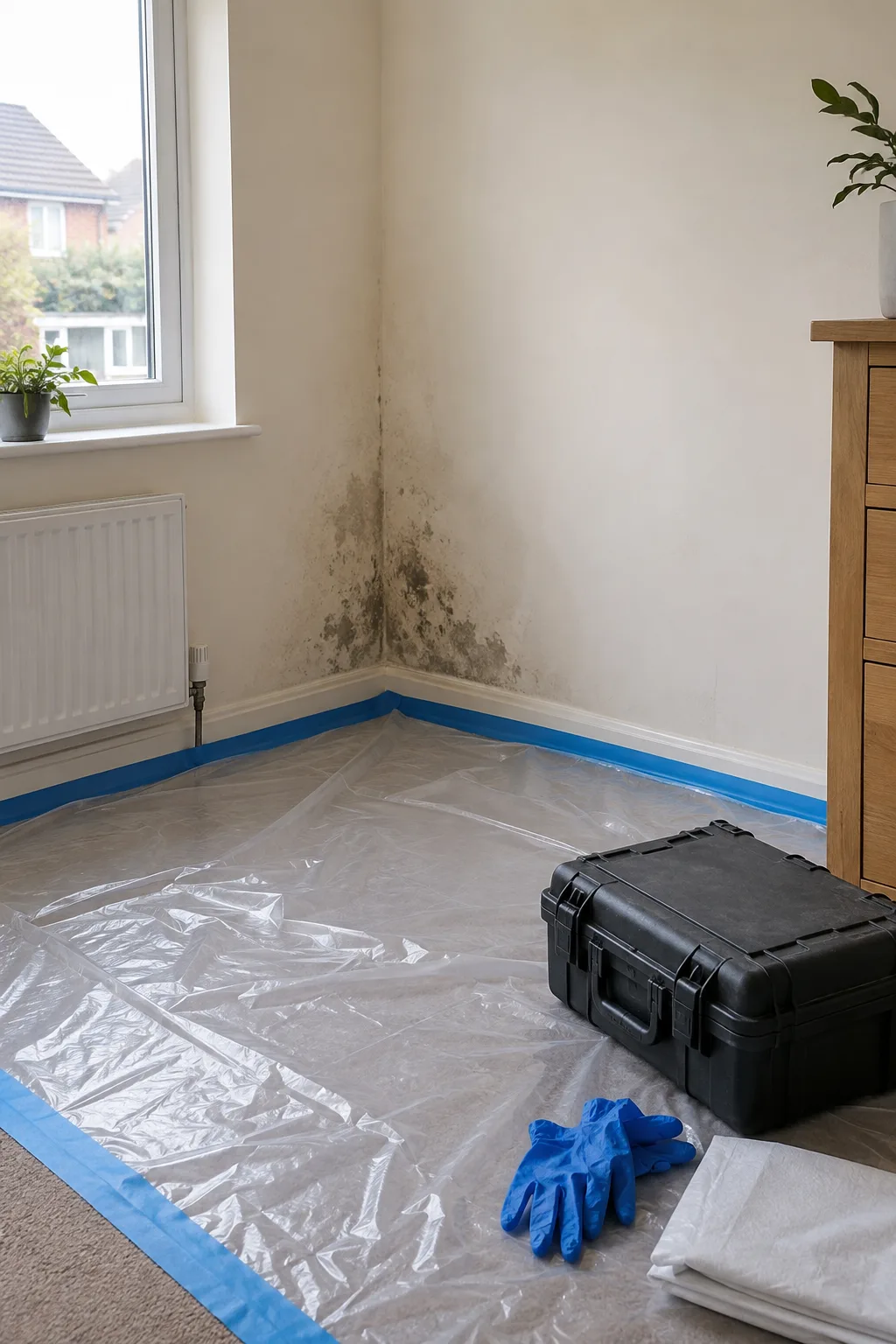
Remove loose belongings enough to show the affected surfaces where practical, keeping a photograph of their previous position. Do not force fixed panels away or disturb damaged materials. The space may look and behave differently when emptied, so tell the inspector how tightly it was stored and whether the door was usually shut.
If a recent clear-out exposed the marks, state when the wall was last seen. Keep discovery date separate from any known earlier moisture history. Earlier images, cleaning details and repair dates can help. Fresh water or spreading damage needs reporting promptly to the person arranging repairs. A cupboard clean should not become the only response to a possible active source.
Fixed joinery can leave an honest limit
A fitted back or stair lining may conceal the underlying wall. Explain which parts are removable and what permission exists for further checks. An accessible reading does not establish the condition of every hidden surface. If opening-up is needed, ask the recommendation to identify the area and question. Agree the appropriate access before fixed cupboard parts are disturbed.
Tell us if new storage is planned. The inspection can inform what needs addressing before the space closes again, while a joiner may need the findings for material and access decisions. A new panel can improve appearance and still leave moisture unanswered behind it. Keep the source assessment separate from the furniture replacement choice.
Where the cupboard contains an accessible service hatch, explain its purpose and who can open it appropriately. The hatch may help a targeted check, but it does not mean every hidden wall face is visible. Clarifying that access before booking helps the inspection distinguish a reachable surface from a concealed source still requiring another contractor.
Agree the surface work and the moisture measures
Mould treatment inside the cupboard can address suitable surfaces after extent and materials are assessed. Confirm the preparation and scope; the condition of every stored item should not be assumed included. Any damaged finish or joinery may require separate attention, and treatment does not repair a water source or change the cupboard’s airflow automatically.
Ask what source checks or room measures should accompany treatment and what remains uncertain. Keep photographs and repair records before refitting. Afterwards, compare the same surfaces if a smell or mark returns. A clear history helps direct follow-up to the remaining wall question. Record the condition when storage is emptied and compare it with the completed work.
PROPERTY & MOISTURE CHECKS
QUESTIONS BEFORE A VISIT
Useful questions
Does mustiness under the stairs prove a leaking pipe?
No. The smell and location are clues, but accessible surface conditions, room moisture and possible water routes need assessment before identifying a source.
Should I empty everything before inspection?
Discuss the preparation. Making affected surfaces visible is useful, with photographs of the normal storage arrangement. Fixed linings should not be removed without an agreed reason.
Can the stair underside be part of the mould scope?
Describe every affected material when calling. The treatment scope depends on assessment of the surface, extent and access, so do not assume all cupboard components are included.
Would fitting a vent settle the problem?
Improved airflow may be relevant, but a vent cannot repair concealed water or resolve every cold-surface condition. The proposed measure should follow the findings.
What if I am fitting new under-stair cabinets?
Investigate the moisture and material condition before covering the area. Share relevant findings with the joiner so source work and access are considered in the refit.
Nearby areas
Understand the cupboard before closing it up again
Call about the Stepney space with the affected surfaces, nearby rooms and planned storage work. We can discuss an assessment of the hidden-corner moisture and practical treatment scope.