DAMP & MOULD SPECIALIST
Damp and Mould Specialist Stoke Newington
The plaster is deteriorating and replacement is being considered. Assess the affected material and any continuing moisture before the new finish removes the visible evidence.
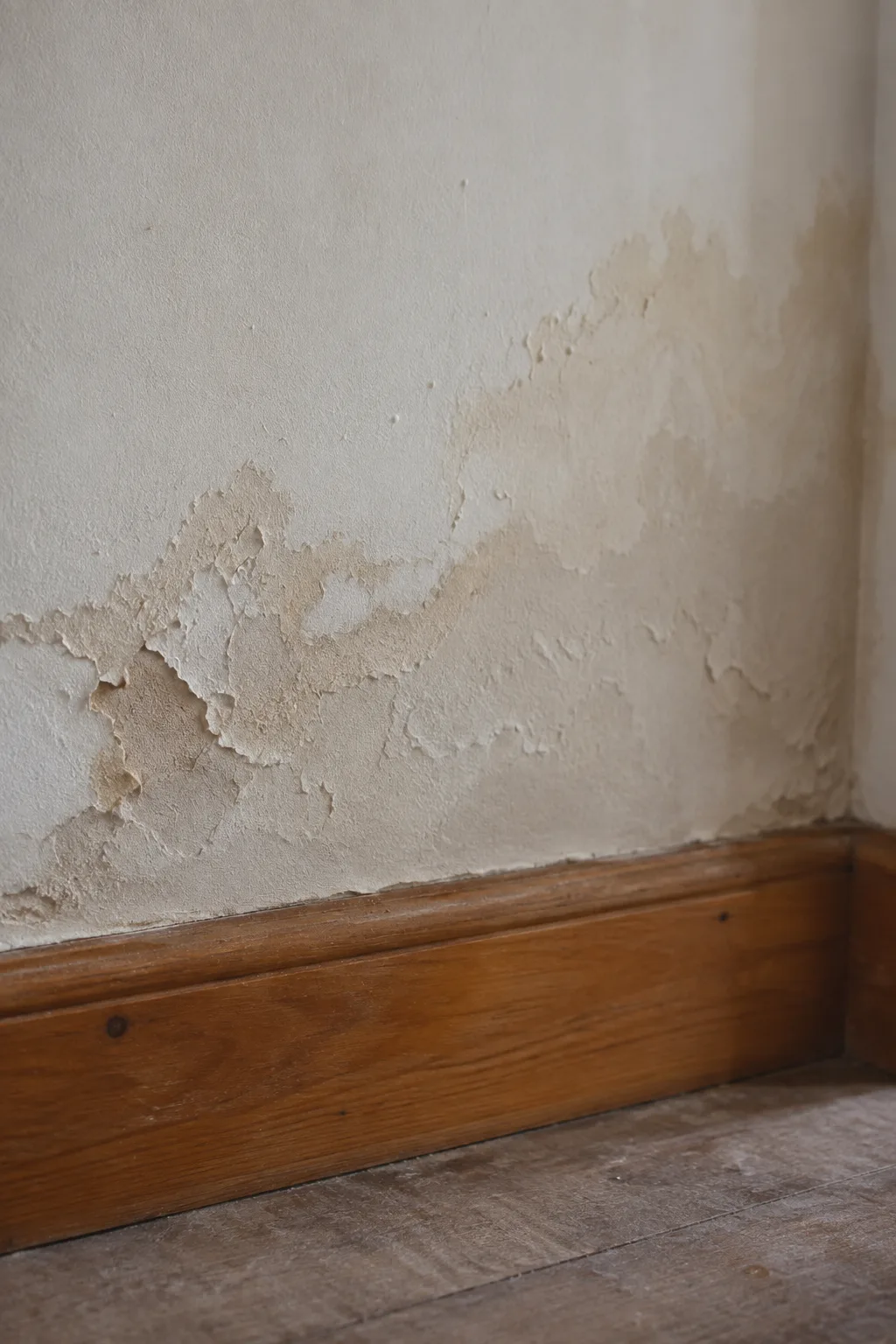
The wall is damaged, but what is still happening?
If plaster in your Stoke Newington home is flaking or powdering, describe where the material is changing now and whether the affected area is spreading. Keep earlier repair details, but make the current deterioration the inspection question. Damage can remain after wetting stops, while renewed moisture can affect a replacement finish. The assessment should explain what the visible material condition and accessible moisture evidence support before replastering.
Photograph the whole wall before scraping or sanding it. Include the boundary of staining, any visible deposits and the position of mould. Tell us about earlier leaks, external repairs, linings and decoration. Keep the actual work description where possible. ‘The wall was treated’ does not explain whether the source was investigated, a finish replaced or a coating simply applied.
Interpret readings with the material
A moisture investigation of damaged plaster starts with the exposed deterioration, checking readings across the affected finish and relating them to its repair history. Material, salts and finishes can affect interpretation, so a meter number should not stand alone as the diagnosis. The findings need to explain the pattern and the support for any proposed source, including uncertainty where construction remains concealed.
We ask whether the stain is stable, expands after rain or changes during use of a fitting. Old discolouration and new wetting are different questions. If the wall was recently coated or replastered, share dates and earlier photographs. New finishes may conceal useful evidence, while inaccessible layers limit what can be established from the visible face.
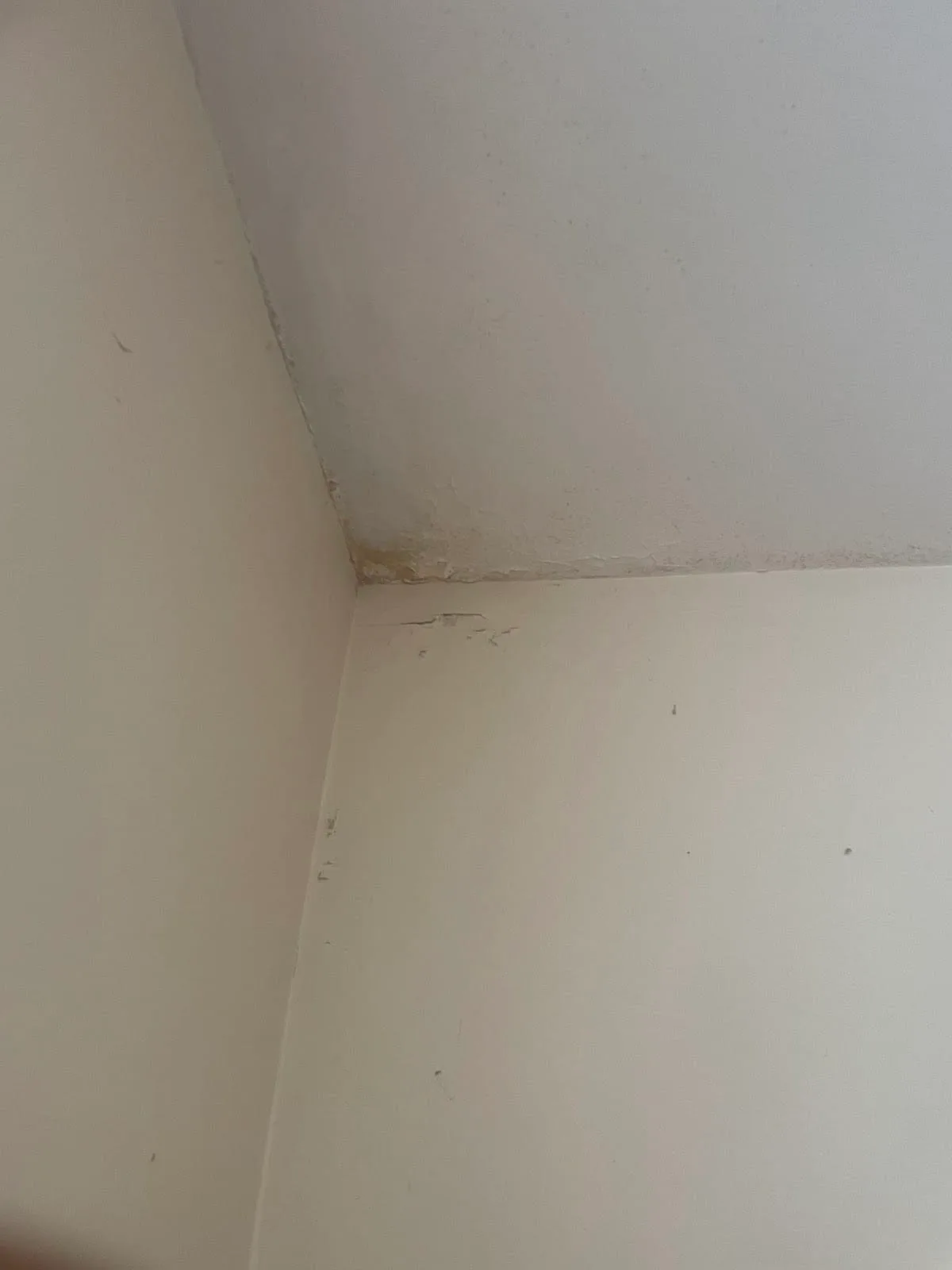
Look for the route that fits the sequence
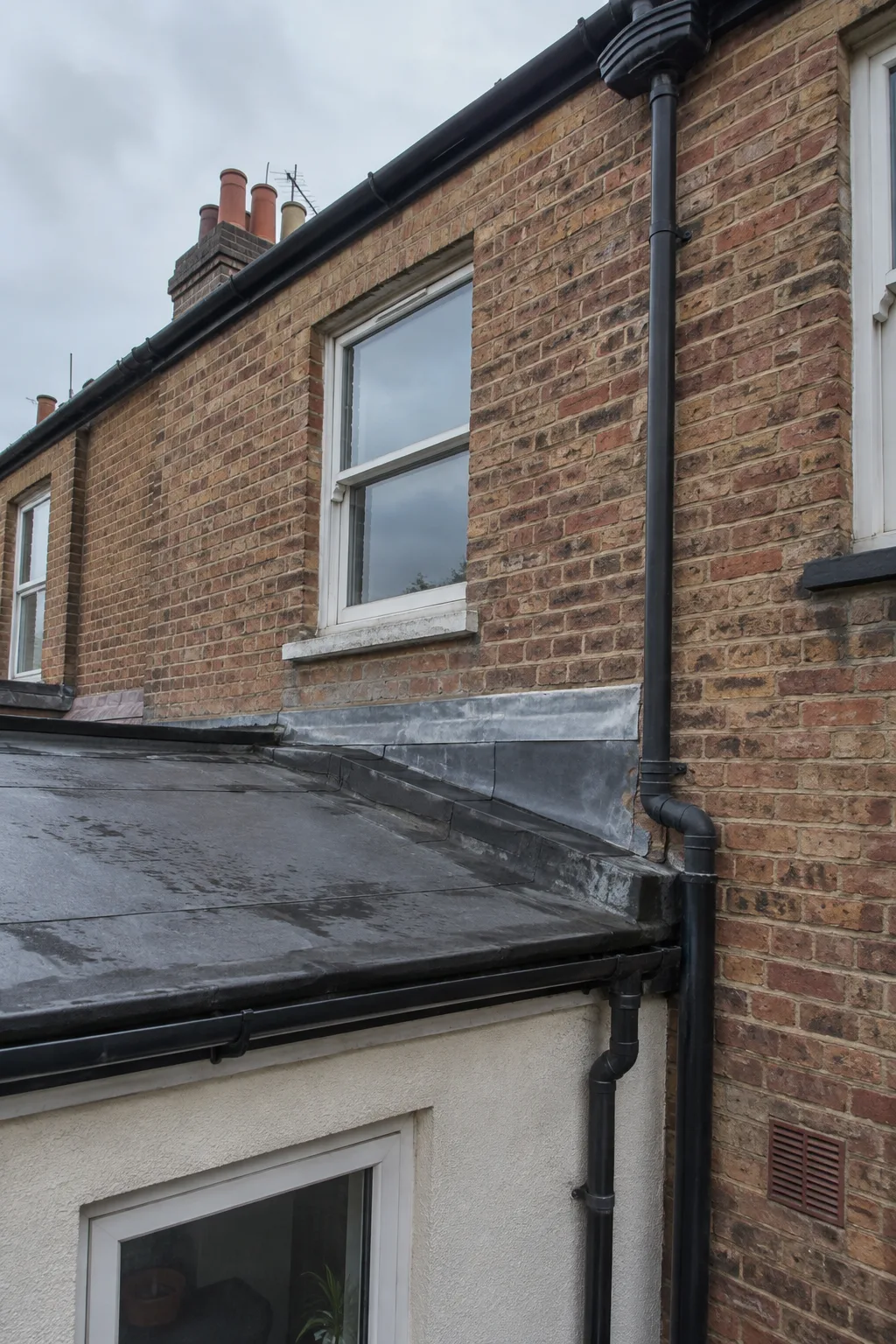
Where weather changes are reported, checks for external water entry may compare indoor damage with accessible openings, joints and drainage concerns. A conspicuous outside defect is not automatically responsible. The proposed repair needs a reasonable connection to the pattern and timing. High-level or concealed features may require closer access that an initial visit cannot provide.
For damp associated with a service route, investigation of concealed water sources can help guide the next checks. Measurements support the investigation without guaranteeing confirmation through a finished wall. If opening up is needed, it should answer a defined question. A repaired fitting and the remaining damaged plaster should be recorded as separate matters.
Mould may have a different contribution
Scattered mould in a sheltered corner may involve condensation even where another part of the wall shows old water damage. A review of condensation conditions considers ventilation, heating, moisture production and cool surfaces. It should not be used to dismiss a defined patch linked to rain or plumbing. More than one issue can exist, and their relevant tasks should be distinguished.
Do not let a new finish substitute for diagnosis
Discuss treatment of affected mould alongside repairs or moisture measures supported by inspection. The plaster condition may need separate assessment before decoration. Replacing the visible finish can remove damage while leaving renewed wetting untouched. Ask which work addresses the source, which addresses the surface and what remains dependent on further checks.
Make the earlier work understandable
Gather invoices, photographs and any report, noting their dates and the areas covered. An earlier treatment might relate to a different issue from the current mark. If information is missing, state that openly. Current observations still matter, and no historic repair should be treated as a guarantee that later moisture cannot develop in or beside the same wall.
Follow changes before another decorative layer
After agreed work, compare the original wall under normal use and relevant weather. Photograph new changes before covering them. Record a stable old mark separately from a growing boundary: the first may require advice on the finish, while the second may guide a new source check. Drying and readiness for decoration depend on the materials and conditions, so avoid a fixed timetable based only on the date of treatment.
If the area has fixed furniture or a lining, tell us about access before booking. Do not remove large sections merely to prepare. Initial findings can identify what additional access would usefully establish, which makes further work more focused and keeps an accessible-surface inspection from being mistaken for a complete assessment of concealed layers.
PROPERTY & MOISTURE CHECKS
QUESTIONS BEFORE A VISIT
Useful questions
Does powdering plaster prove the wall is currently wet?
Not by itself. Earlier moisture can leave damage, while current wetting may also be present. The inspection considers history, changes and accessible readings together.
Can deposits affect a moisture meter reading?
Some materials and salts can affect interpretation. Ask how the measurements fit the affected material, visible condition and changes across the wall, including what evidence supports the recommended source check.
Should I scrape the wall clean before inspection?
Preserve photographs and discuss preparation. Removing the surface can erase useful evidence, especially where earlier repairs have already altered the original pattern.
Why separate scattered mould from a defined stain?
They may have different contributions. Condensation can coexist with earlier or ongoing water damage, and the proposed tasks should address the relevant findings separately.
Does a historic damp treatment rule out a new leak?
No. Its scope may concern another source, and new routes can develop. Share the earlier record so it can be assessed against the current damage.
Nearby areas
Get the wall condition properly explained
Call about the Stoke Newington plaster, visible marks and previous work. We can discuss moisture checks before another finish is chosen.