DAMP & MOULD SPECIALIST
Damp and Mould Specialist Finsbury Park
An inspection cannot speak for bedrooms that were never entered. If access to your shared home is incomplete, we help plan useful visits and keep each room’s evidence clearly recorded.
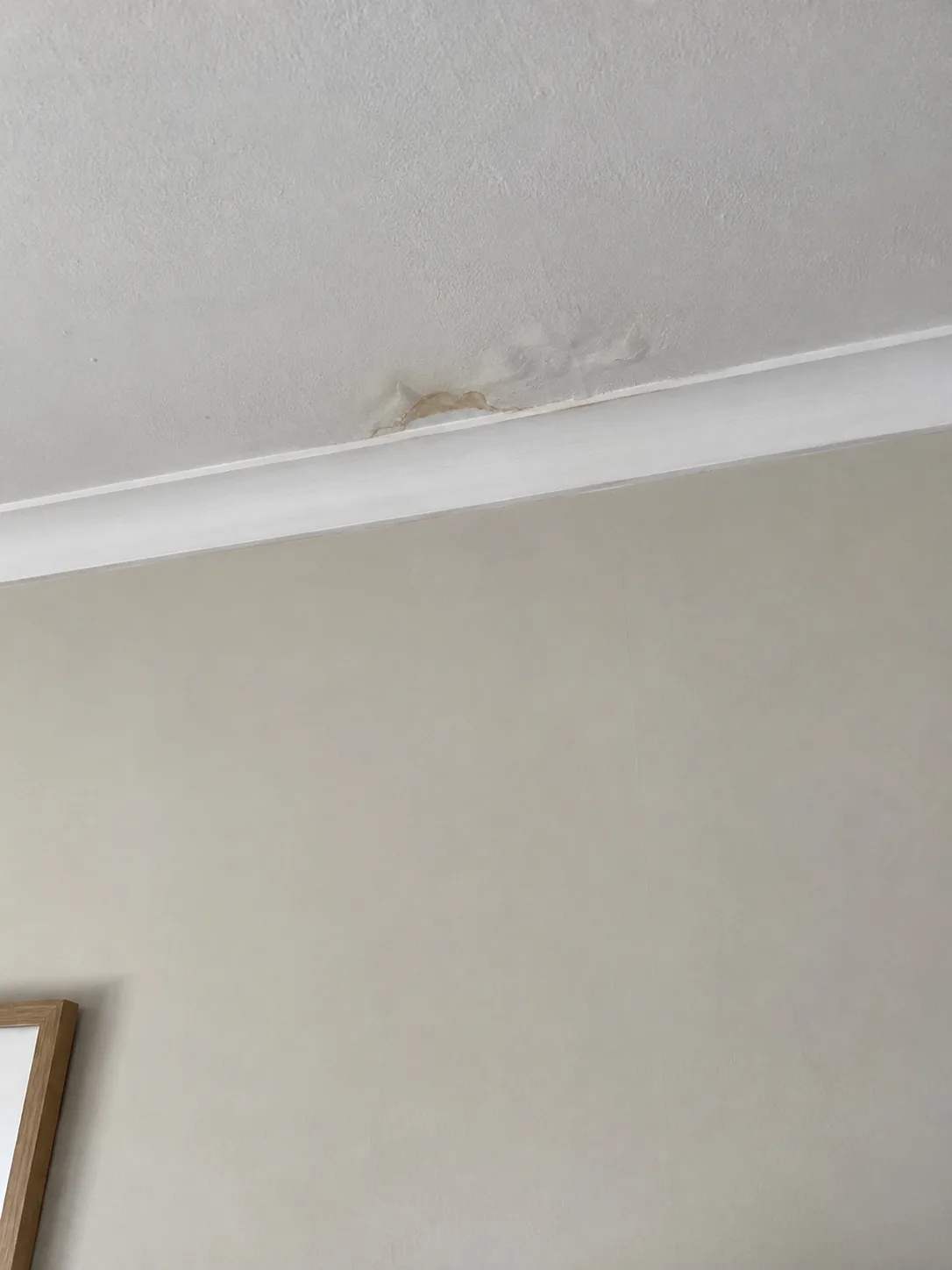
List the rooms that can be entered
If mould has been reported in a Finsbury Park shared home but some bedrooms are unavailable, settle the access plan before booking. Identify the affected rooms, who can arrange entry and any dates already agreed. State which parts of the property will remain closed. A visit can still provide useful findings, but its conclusions must reflect the rooms actually seen.
Keep personal information out of shared photographs where practical. Occupants can describe the location of marks and normal wetting without being expected to diagnose the source. A simple room label and dated account help organise the evidence. Describe any communal spaces relevant to those bedrooms, including bathrooms, kitchens and service cupboards.
Photographs support the history without replacing entry
A photograph may show a corner that was marked before cleaning. It cannot show the current moisture condition of every surface or provide the same view as entering the room. Label it with the date and room, and make clear who supplied the account. Record when a room was cleaned, redecorated or rearranged since the image was taken.
A report for a shared home with staged room access should distinguish direct observations from supplied photographs and unresolved enquiries. Discuss its intended use beforehand. It should provide property findings within the agreed scope, with no automatic allocation of responsibility between occupants and owner.
Give the first visit a defined job
Consider which available spaces can answer a useful question now. Access to a shared bathroom may allow an initial review of its moisture conditions while an affected bedroom remains unavailable. Another accessible room may reveal a separate stain requiring investigation. Those observations can guide the next stage, but they should not be presented as findings about the unseen bedroom.
A focused moisture investigation within the available rooms compares damage and relevant readings with materials and history. Ask which conclusion is limited by missing entry and what the next visit would add. This avoids repeating a general inspection without resolving the access gap that mattered the first time.
Plan comparable evidence for a later room visit
When another bedroom becomes available, record its present furniture, controls and visible surfaces. Ask about changes since the earlier complaint. A later visit may take place under different weather, heating or occupancy conditions, so the comparison needs that context. Do not assume a cleaner room or lower spot reading proves that its earlier problem was less significant.
A check of the newly accessible bedroom surfaces can include the window, enclosed furniture edges and the original reported position. If fitted items still conceal part of the wall, retain that limit in the findings. Entry to the room does not necessarily provide entry to every backing or concealed service.
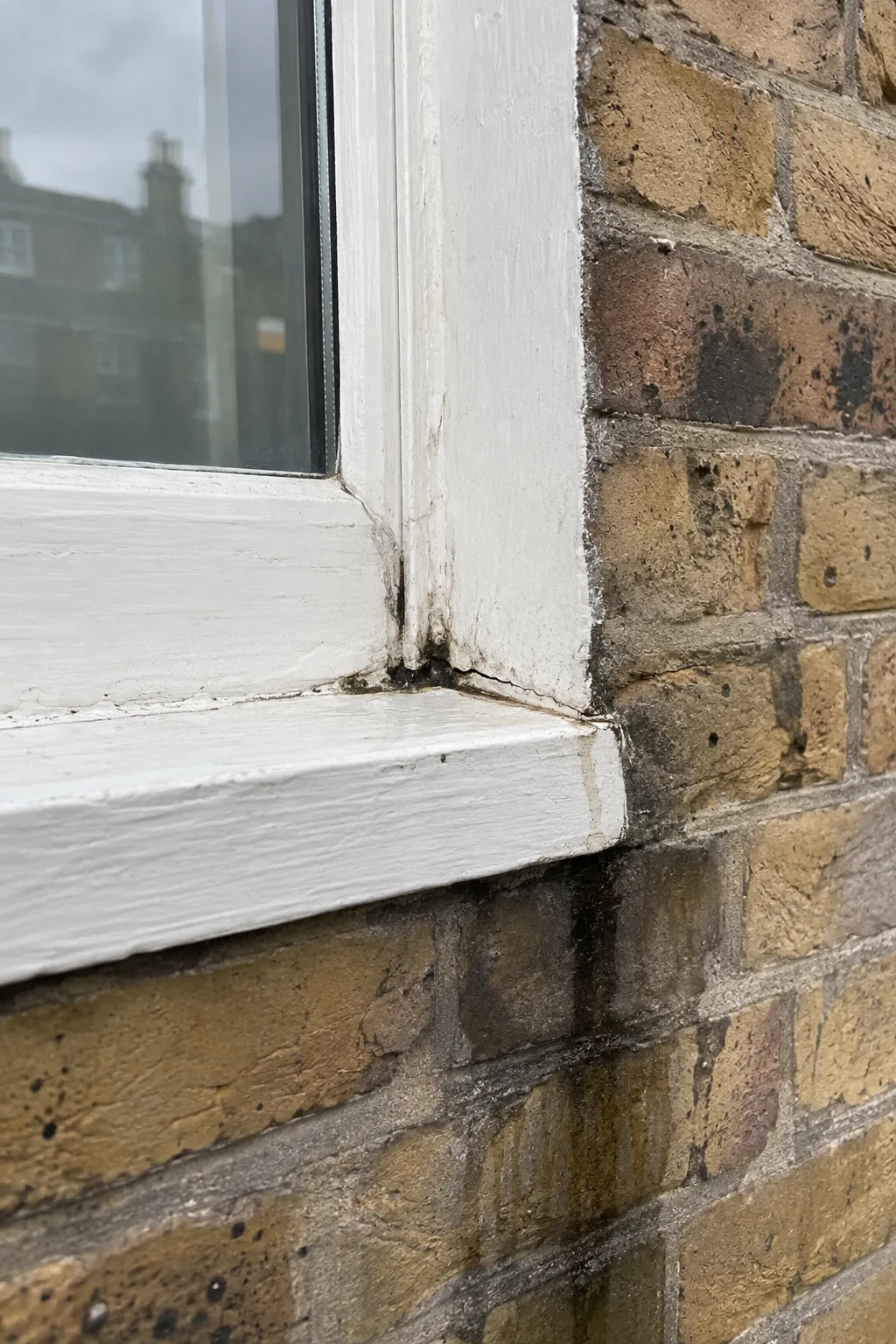
Keep shared ventilation findings within their reach
Information about the communal kitchen or bathroom can help explain a possible wider moisture contribution. The available controls, outlets and normal operation matter. A working fan in one room does not establish how moisture affects each bedroom, especially where doors, furniture and cooler surfaces differ.
A review of the shared ventilation provision should say what was checked and which bedroom connections remain unexamined. A separate persistent stain may justify a plumbing or outside-source enquiry. Give each next action a location and purpose, so an equipment change in a communal room is not recorded as resolution of every complaint.
Separate completed work from rooms awaiting assessment
Treatment in the rooms that have been assessed can be planned around their surfaces and supported moisture findings. Explain which bedrooms are included and which remain outside that treatment scope. A completion record should not imply unseen materials were checked or treated.
Coordinate further access with the person authorised to arrange it. Keep photographs and repair details by room, alongside any specific concealed-source question. Before reinstating finishes, review the condition and extent within the actual view obtained. Outstanding access should remain visible in the record until it is resolved.
Make the staged report easy to use
Ask for a clear list of observed rooms, relevant supplied history, findings and next checks. If a later visit adds evidence, connect it to the earlier scope and date. Keep room labels consistent. The resulting record should allow someone new to the property to understand which task was completed and why another still remains.
When calling, explain access restrictions early and describe the most important unresolved moisture concern. There is no need to promise entry that has not been arranged. A realistic first scope and a defined follow-up can be more useful than expecting one appointment to provide conclusions about the entire house.
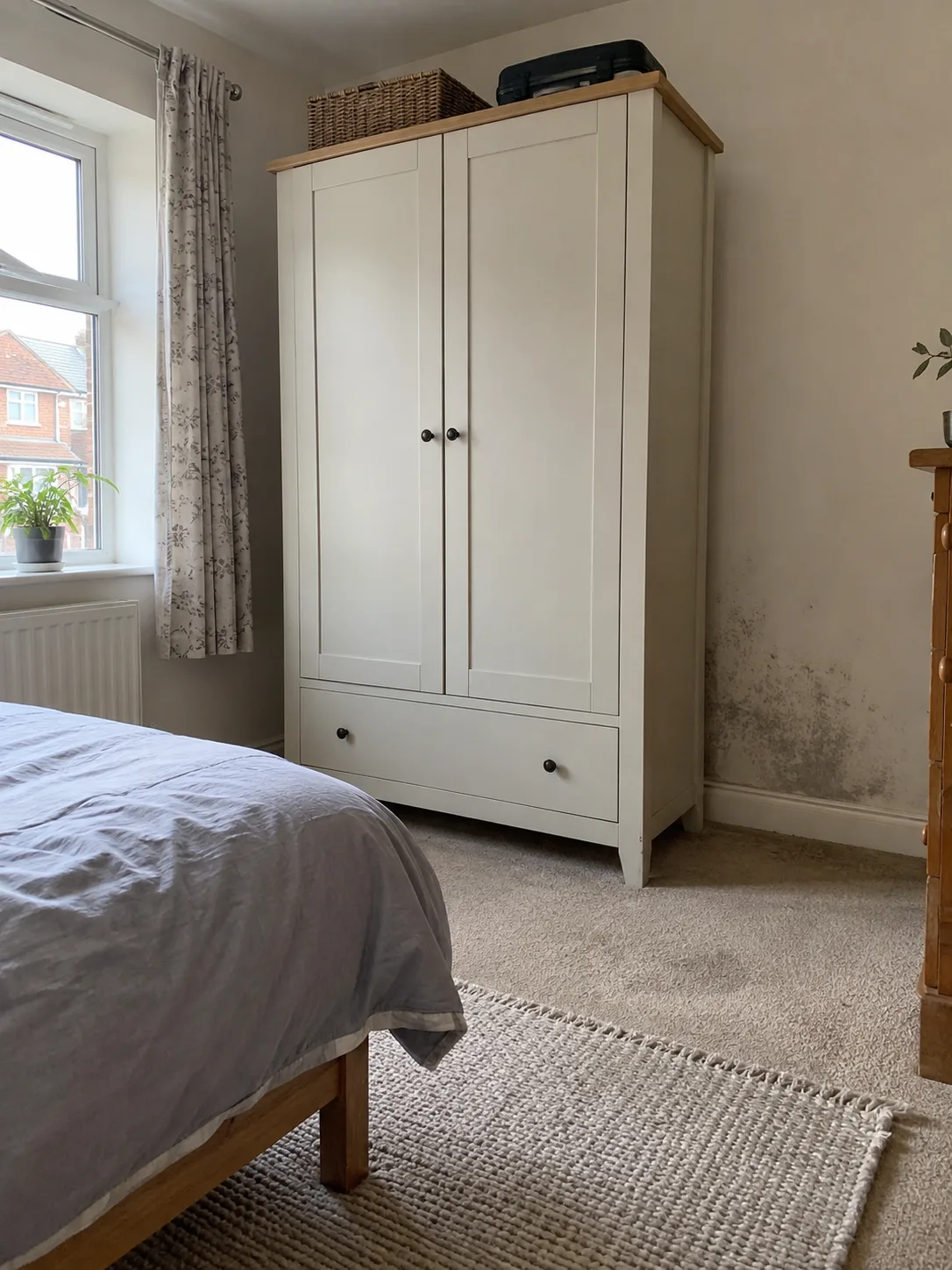
PROPERTY & MOISTURE CHECKS
QUESTIONS BEFORE A VISIT
Useful questions
Can you inspect if one bedroom is unavailable?
Discuss the available rooms and purpose first. Useful findings may be possible, with conclusions about the closed bedroom limited until appropriate access is arranged.
Can an occupant’s photograph stand in for a room inspection?
It can support the reported history. It does not establish current readings, concealed conditions or every source within the room.
Should unavailable bedrooms appear as clear in the report?
No. They should be identified as unexamined where relevant, with the specific outstanding question or access requirement recorded.
Can communal ventilation be reviewed at the first visit?
That may form part of the agreed scope. Its findings should be kept distinct from conclusions requiring access to an affected bedroom.
How should later visits be recorded?
Keep their dates, room labels and new observations linked to the first scope. Note changes in conditions and explain which earlier uncertainty the visit resolves.
Nearby areas
Arrange the access the mould report needs
Call about your Finsbury Park shared home with the affected room list and entry already agreed. We can discuss a useful staged inspection.