DAMP & MOULD SPECIALIST
Damp and Mould Specialist Holloway
The radiator is temporarily out and the wall behind it is now visible. Use that access to investigate any damp or damaged finish before the new unit and decoration close the area again.
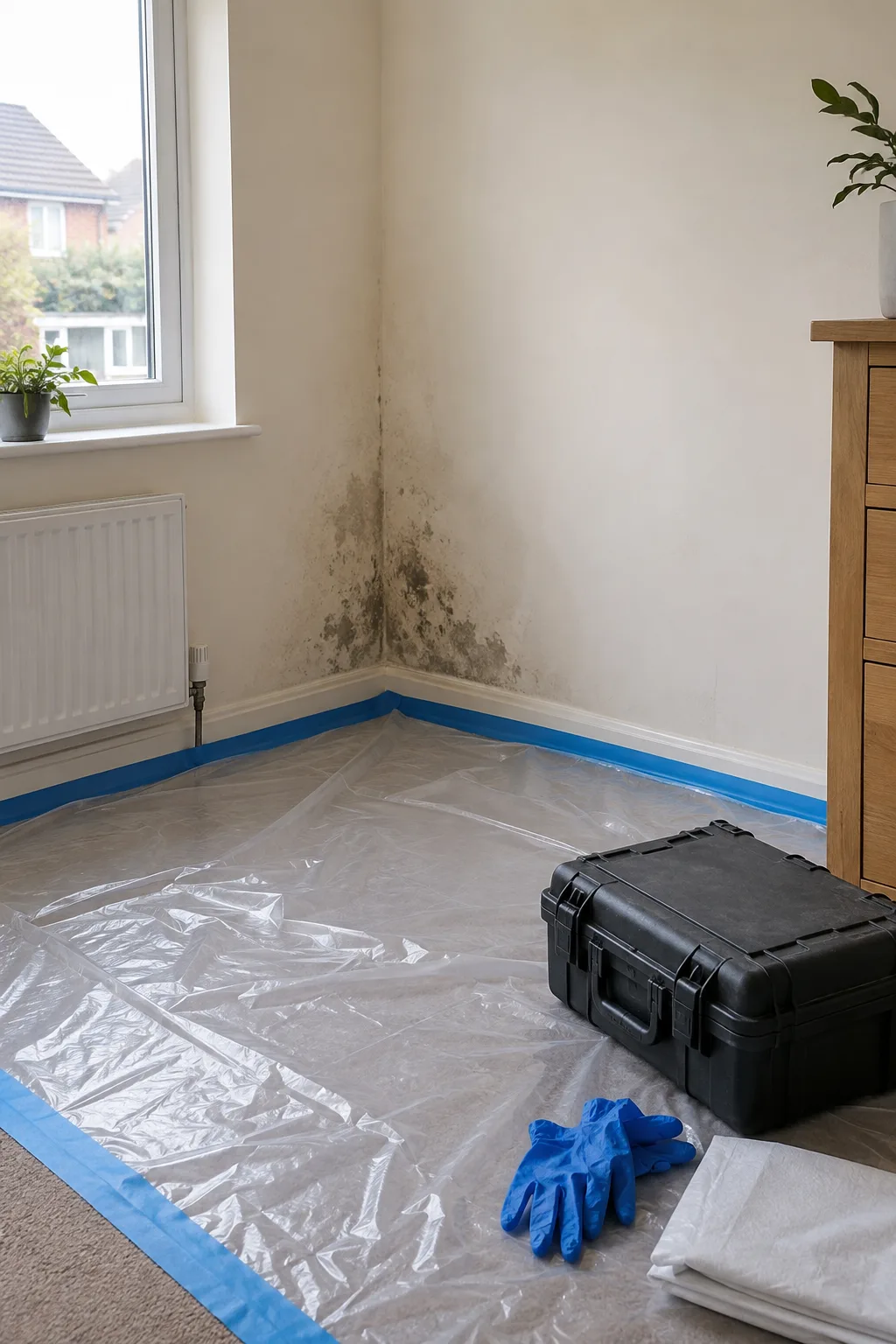
Record the wall while it can be seen
If heating work in your Holloway home exposes a damp wall behind a removed radiator, photograph the complete surface and its floor junction. Identify staining, growth, lifting paint or damaged plaster separately. The newly exposed view may show a concern that developed earlier. Discovery during fitting work does not establish when the moisture began or what caused it.
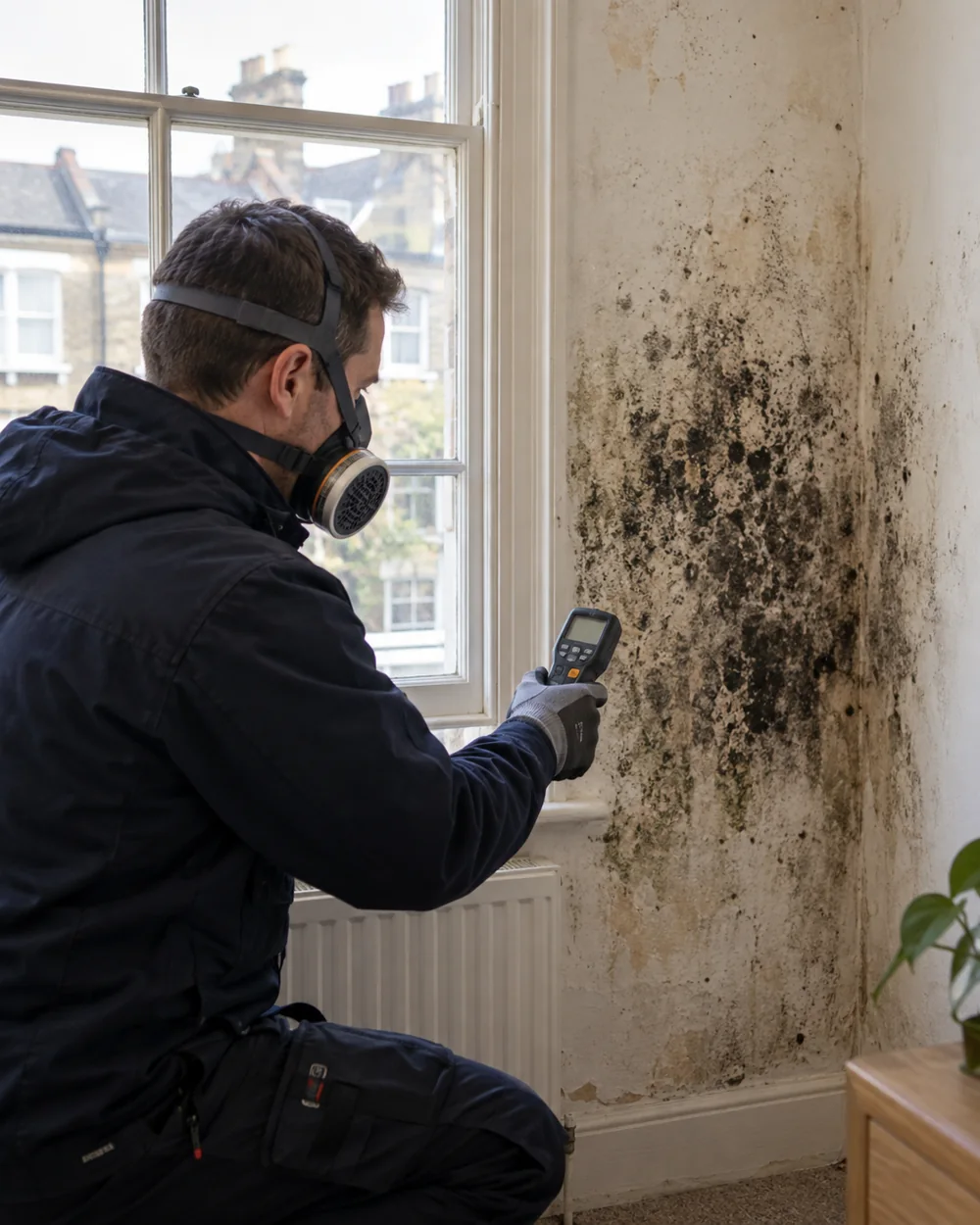
A moisture assessment of the exposed radiator wall can examine that surface with its history. Explain the planned refitting stage and what will become covered. This defines a useful inspection decision without assuming the fitting schedule determines whether the material is ready.
Keep equipment work and wall evidence in separate records
Ask the heating contractor what was removed, what connections were examined and which work remains planned. Keep any source finding with its location and date. A radiator replacement can be routine equipment work or part of a moisture repair; those histories need distinguishing before conclusions are drawn from the exposed wall.
Do not disconnect, move or adjust heating fittings to improve inspection access. Describe work already carried out by the appropriate contractor and the surface now available. If another view is needed, agree its purpose and who will provide it. Any useful evidence from exposed pipe routes should be photographed before they are concealed again.
Compare the mark with the known pipe position
A damaged area near a pipe exit provides a location to investigate. The source may still be another fitting, outside water or room moisture. Record where wetting first appeared and any change during ordinary heating use before removal. Checks of a possible concealed heating water route may help where the evidence points that way.
An accessible connection seen dry at one visit leaves intermittent or concealed routes as questions to assess. The inspection should identify the particular missing view or contractor’s check needed for confirmation. A temperature pattern and a wall reading can guide attention, but require interpretation with the material and equipment-work history.
The room now has a different heating arrangement
Removing the radiator may temporarily change the room’s temperature and use. Tell us whether you moved furniture, stopped occupying the room or introduced portable equipment. Current observations need that context. The inspection can compare the exposed material while recognising that it may not reflect the room’s normal heated arrangement.
A review of the room’s moisture conditions may be relevant if growth also occurs at cooler corners or reveals. Keep that pattern separate from a distinct stain beside a fitting. Heating work does not automatically explain every mark on the wall, and restored warmth will not repair an unrelated water source.
Assess the old backing finish before making good
Paint and plaster behind a radiator may have had little recent visibility. Share earlier leak, decorating or fitting records if available. Note any loose finish without scraping it away to prepare for the visit. The material condition helps define what source work, preparation or further assessment belongs in the plan.
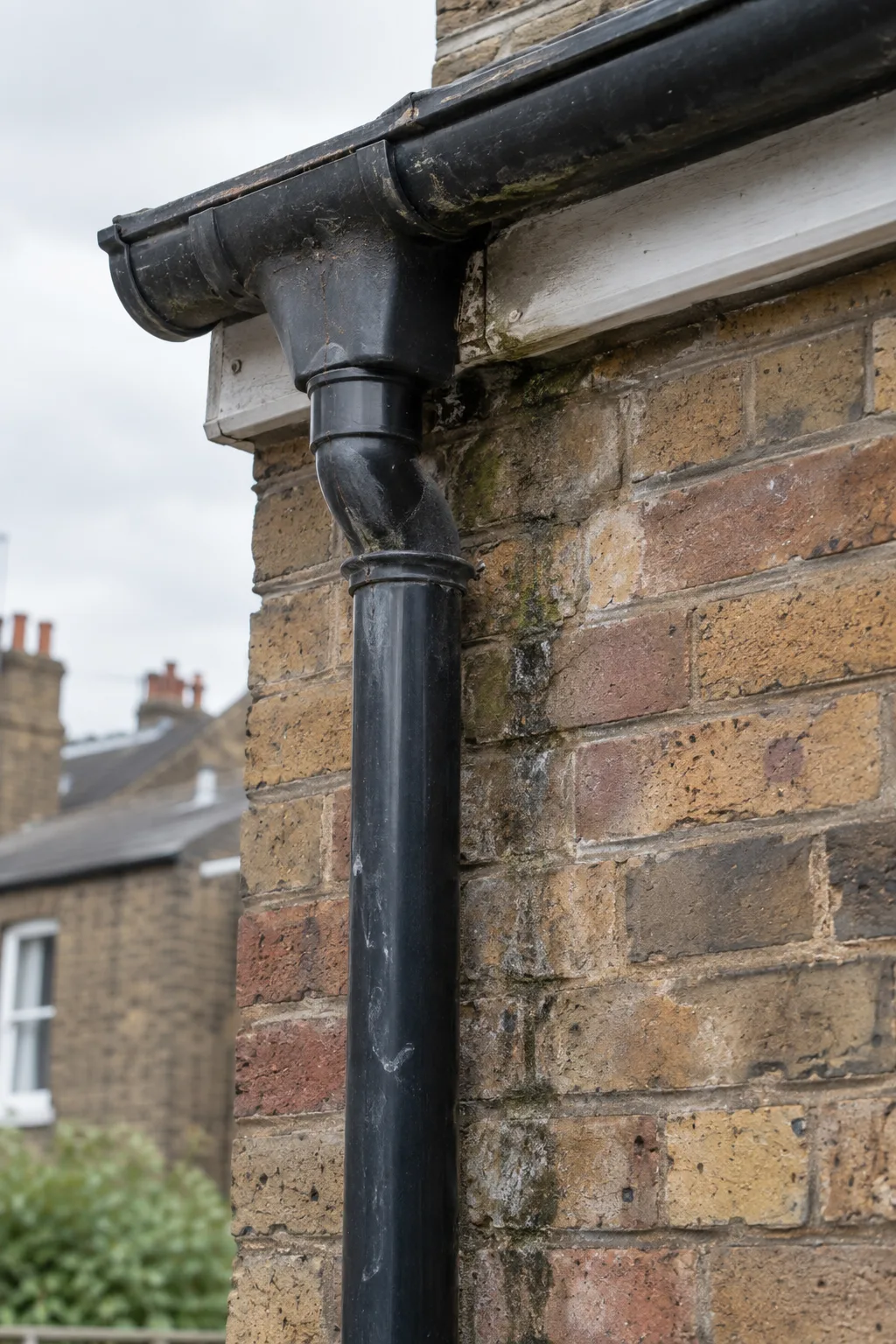
If the damage lies on an outside wall and changes with rain, checks of relevant external water-entry details may be needed. A nearby radiator should not narrow the enquiry too soon. State any outside access limit and identify the specific detail that another view could help assess.
Coordinate the wall decisions with the replacement installation
Treatment of mould on the exposed wall should identify the extent, materials and access included. It does not test or repair heating equipment. Source work, damaged-finish repair and fitting installation each have a different purpose, and the sequence should reflect the findings.
Before the replacement is fitted, keep photographs of the wall and completed source work. Ask what material condition was established and which question remains open. Share relevant information with the heating contractor and decorator. If the area later becomes marked, that record shows what was visible and checked while access was available.
PROPERTY & MOISTURE CHECKS
QUESTIONS BEFORE A VISIT
Useful questions
Does damp exposed by radiator removal mean the radiator leaked?
Not automatically. It reveals a surface needing assessment. The fitting history, pattern and other possible sources must be considered before attributing the damage.
Should the radiator be removed solely for inspection?
Discuss access first. This assessment can use removal already arranged for appropriate heating work; any extra equipment alteration needs a defined purpose and suitable contractor.
Why photograph the wall before the replacement is installed?
It preserves damage and accessible routes that may become hidden again. Keep the date and location with the source findings and fitting-work record.
Can current readings change while the room has no radiator?
Temporary room conditions can affect observations. Describe heating, use and portable equipment changes so the exposed surface can be interpreted in context.
What should be agreed before the replacement conceals the wall?
The source findings, affected material condition and any further view still needed. Coordinate those decisions with preparation and installation rather than relying on the fitting date alone.
Nearby areas
Use the exposed wall before the new unit goes in
Call about your Holloway wall with the heating-work stage and visible damage. We can discuss a focused assessment and the information needed before refitting.