DAMP & MOULD SPECIALIST
Damp and Mould Specialist Camden Town
Moisture produced on one level can affect surfaces elsewhere. A split-level flat needs an inspection that follows the layout without assuming every upstairs mark came from downstairs.
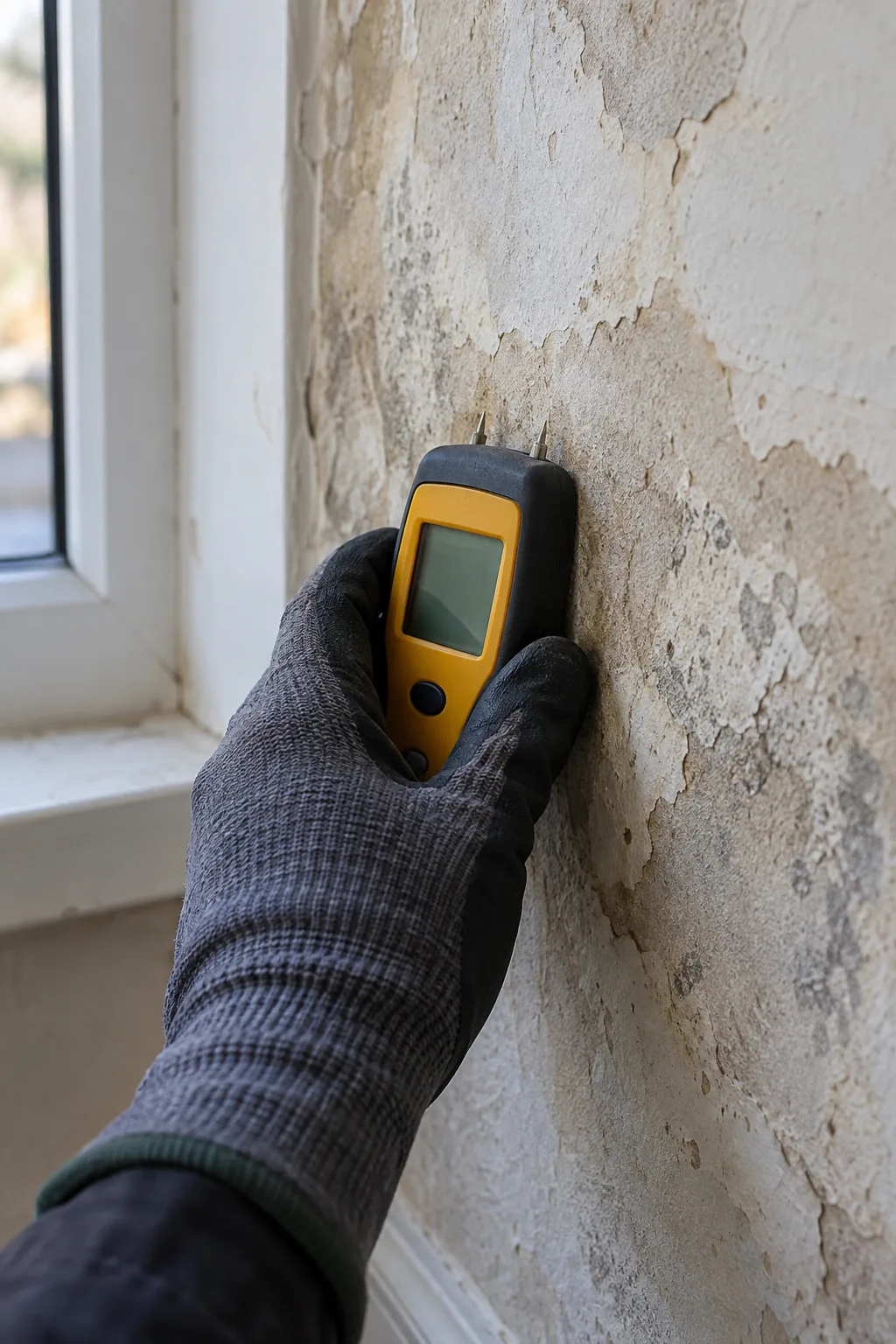
Map the levels and the affected surfaces
For a Camden Town split-level flat with mould, describe where cooking, bathing and sleeping take place. Mark the stairs, doors and affected corners on a simple sketch. Note whether the rooms stay open to one another. The layout gives the inspection a practical starting point, particularly when the visible damage is some distance from an obvious moisture-producing activity.
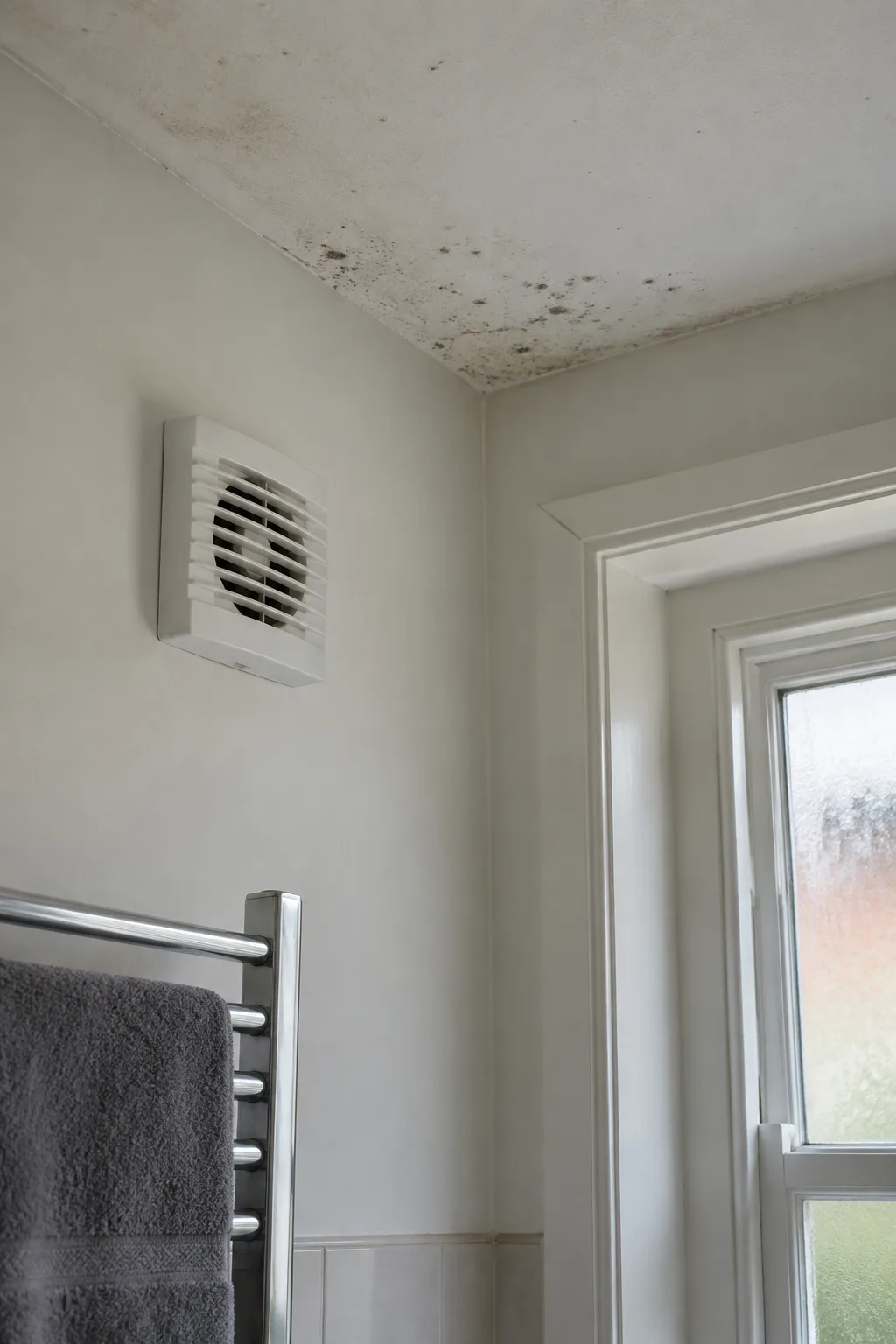
A ventilation assessment across the flat’s levels can consider extraction, air routes and room conditions. Include every affected space in the booking discussion and photographs. The distribution across levels can provide useful evidence alongside the worst wall. Different surface temperatures can influence where moisture settles, while separate water sources may still need their own investigation.
The journey of moist air is only part of the story
Cooking can introduce moisture indoors, and open stair connections can allow air movement between spaces. That does not establish the cause of an isolated upstairs stain. A check of kitchen moisture removal can consider the provision and accessible operation of extraction alongside the actual cooking pattern. A working switch does not show the complete arrangement is effective.
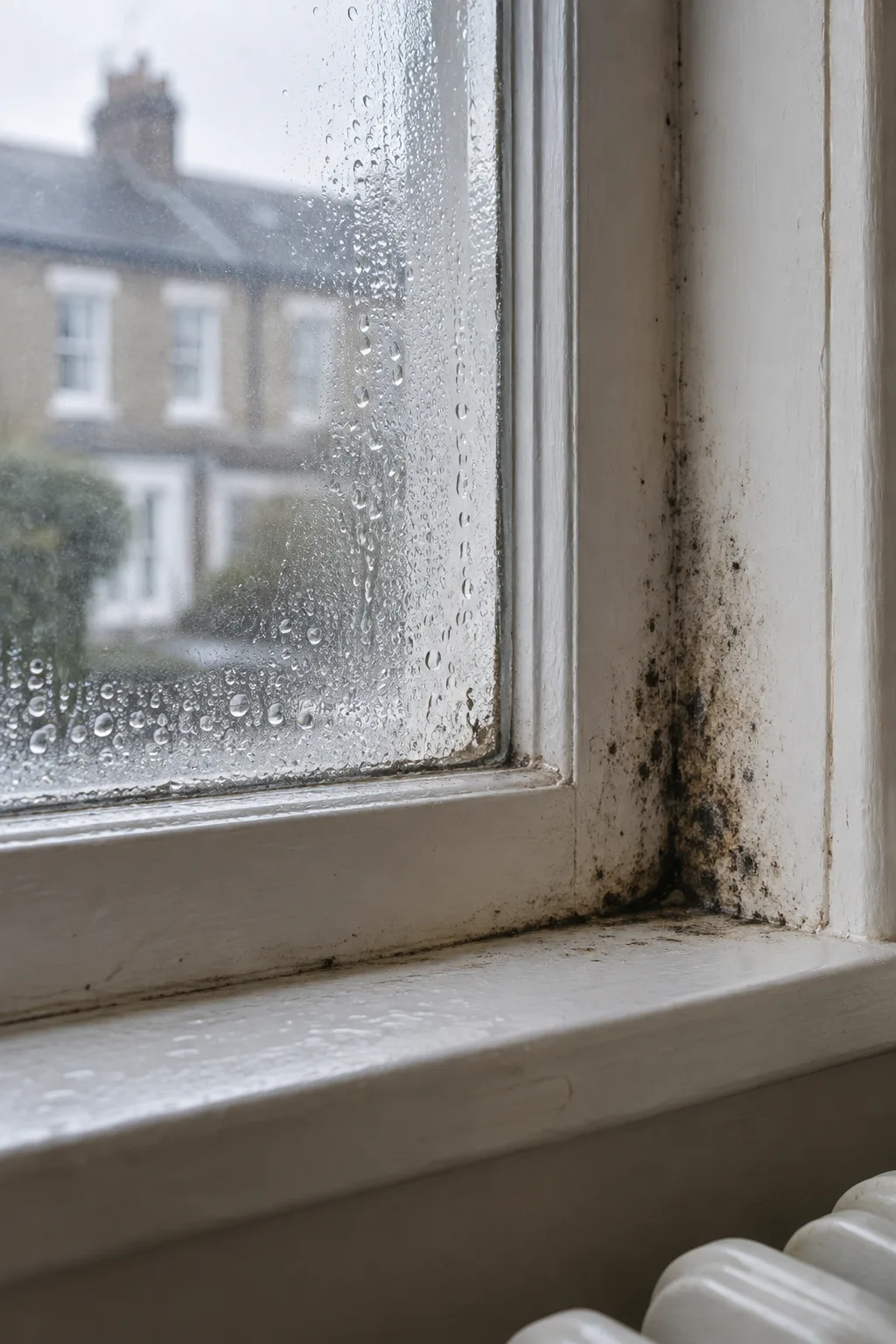
Bedrooms or higher spaces may have cooler surfaces and different ventilation. Tell us whether windows become wet after cooking, overnight or independently of use. The timing helps interpret the layout. Avoid attributing growth to one household activity without checking the affected surface and any plumbing or external detail nearby.
Keep distinct damp patches separate
A ceiling stain beneath a bathroom or damage beside an outside opening needs more than a general airflow explanation. Investigation of individual moisture patterns can compare readings and material condition in those locations. Ask why the proposed source fits that particular patch. Keep its evidence distinct from the condensation observations in other parts of the flat.
Report fresh water, spreading damage or bubbling finishes promptly to the person arranging repairs. Record the location and ordinary observations; there is no need to create a test by deliberately producing extra steam. Previous photographs can show whether the pattern has changed after furniture, ventilation or heating alterations.
Access and controls may differ by level
Clarify which rooms and service areas are accessible and whether any ventilation parts are concealed or shared. Fixed furniture can hide a corner on one level even when the rest of the home is open. The inspection should record those limitations and explain what further access would help answer a specific question.
Tell us if the flat’s layout was recently altered or doors were removed. Available plans or work photographs may help explain air paths and hidden services. They do not confirm the present condition of concealed components. Recommendations should fit the actual arrangement and identify which contractor may need to examine something outside the damp assessment’s scope.
If each level has separate heating controls, explain their normal settings and periods of use without trying to create identical conditions before inspection. Differences are relevant to the actual home. Note the separating doors and extraction controls normally used. The inspector can then discuss measures for the actual air route and occupied arrangement.
Coordinate surface treatment with the findings
Mould treatment within the affected rooms can address visible growth after surfaces and extent are assessed. It should be paired with relevant moisture measures or source repairs. Treating the upstairs wall does not establish whether kitchen extraction is adequate, while changing extraction does not automatically restore damaged plaster elsewhere.
Ask for a clear order of work and the remaining uncertainties. Before finishing, keep photographs of exposed surfaces and completed repairs. Afterwards, compare the same locations with the earlier record. If growth returns on only one level, record its location and the work completed there. That difference helps focus the next enquiry on the relevant room and conditions.
PROPERTY & MOISTURE CHECKS
QUESTIONS BEFORE A VISIT
Useful questions
Can cooking downstairs affect an upstairs room?
Moist air can move between connected spaces and settle on cooler surfaces. The layout matters, but the affected room still needs assessment for other possible sources.
Should every level be included in the visit?
Discuss the affected areas and scope when booking. Comparing relevant rooms can help explain the pattern, while inaccessible spaces should be recorded as limitations.
Does an open staircase prove condensation?
No. It describes an air route, not the cause of every stain. The history, surfaces and accessible moisture evidence need consideration together.
How should I label photographs in a split-level flat?
State the room, level and nearby feature, with a wider view locating the mark. This prevents similar-looking patches in different spaces being treated as one observation.
Will changing kitchen extraction address all mould?
Only the findings can support that conclusion. Other room conditions or a separate water source may need attention, so ask how each recommendation relates to each affected area.
Nearby areas
Let the layout guide the moisture assessment
Call with the Camden Town address and a description of the levels, extraction and marked rooms. We can discuss the connected-room checks and any separate damp concerns.