DAMP & MOULD SPECIALIST
Damp and Mould Specialist Belsize Park
A lined wall may look tidy while telling you little about the surface behind it. Before purchase, decide which moisture question can be checked and which access is missing.
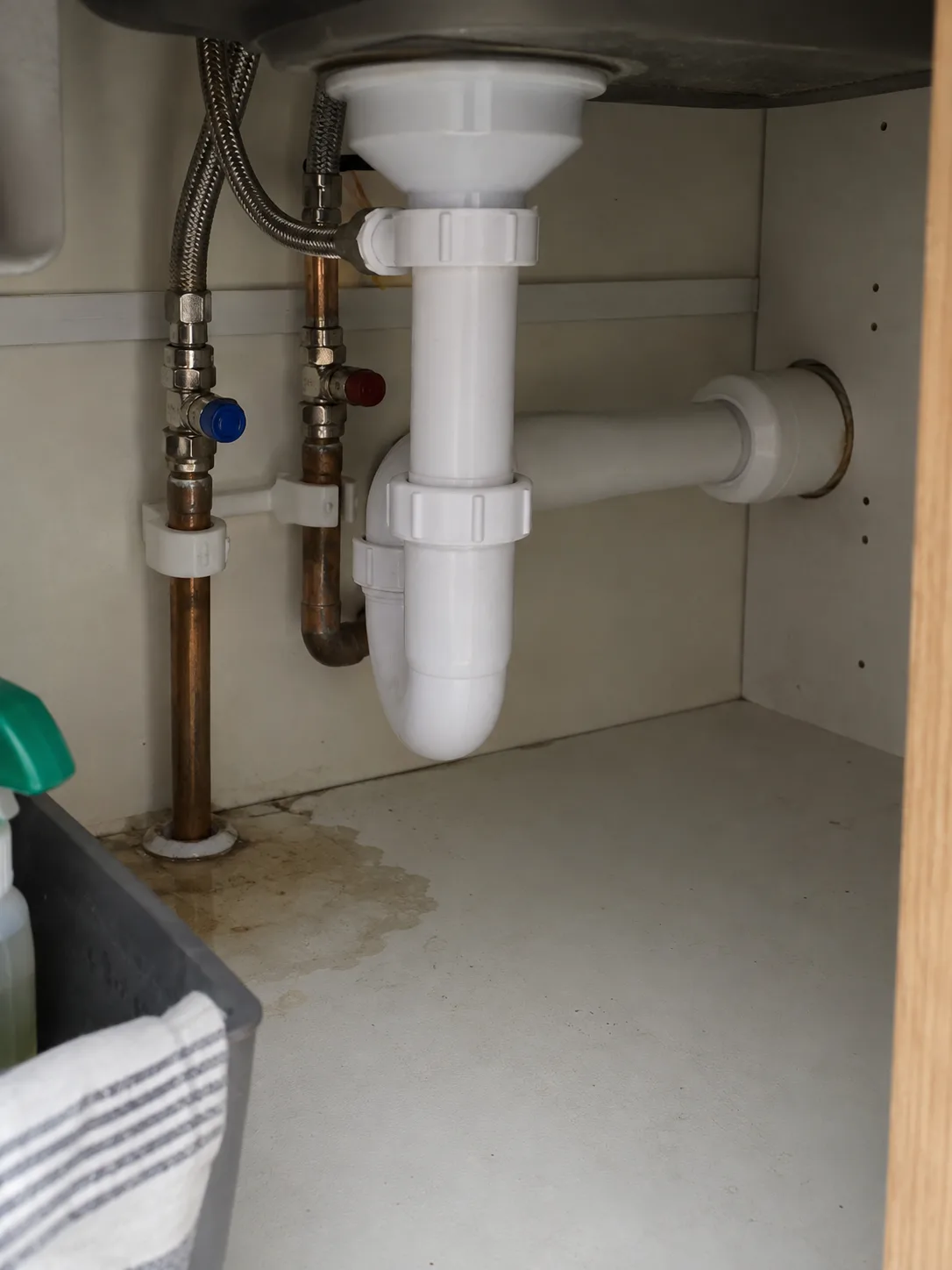
Ask what the lining was intended to do
If a wall lining at a Belsize Park property raises questions during a viewing, record the location and any signs visible around its edges. Ask for available details of when and why it was installed. The lining itself does not prove a damp problem, but it may restrict direct observation of the original surface and materials.
A pre-purchase assessment of the moisture concern can consider accessible signs and the information provided. Share any relevant question from a building survey. Be clear that the result may include limitations; a clean outer face cannot be used to confirm every hidden part of a wall is unaffected.
Agree access before expecting a conclusive answer
The seller’s permission for inspection may not include opening the lining. Clarify the access arrangement through the seller or agent beforehand. Agree whether any targeted opening is permitted and who can arrange it appropriately. If edges, adjoining rooms or outside details are accessible, they may provide useful observations, but they are not a direct view of everything concealed.
A focused investigation of accessible wall moisture can identify where further entry would answer a specific question. Any opening-up recommendation should explain its purpose. Decide how unresolved uncertainty will be handled before relying on the findings in a purchase decision, instead of overlooking the access limits because the room looks recently finished.
Ask if the lining installation came with records of source checks or only an invoice for finishing work. Those documents answer different questions. A repair note identifying an examined water route is useful evidence; a decoration description alone should not be treated as proof that moisture was investigated or that all concealed surfaces were found dry.
A lining does not name the original source
If the seller describes earlier damp, ask what was found and which source work was completed. A record of replacing a finish is different from documentation of a repaired leak or external defect. Checks of relevant external wall details may be useful where location and history suggest outside water, subject to available access.
Room conditions remain relevant too. Closed spaces, cold surfaces and ventilation can influence present moisture even if an older issue was repaired. The inspector should interpret accessible evidence with the property’s current use and the earlier history. Neither a new lining nor a single reading establishes the condition of the concealed construction on its own.
Look for evidence around the edges
Tell us about peeling paint, damp skirting, staining at a ceiling junction or mustiness in adjacent storage. These observations can direct checks without proving a hidden problem. Photograph a wider view so the relationship to windows, plumbing and the lined area is clear. Do not disturb coverings during a viewing without permission.
If fresh decoration followed the lining, ask for photographs taken before that work where available. Missing records do not automatically indicate a defect. They do, however, leave part of the history uncertain. Ask the assessment to state the missing history and its effect on the findings. Current evidence can still guide the next purchase enquiry.
Do not accept a surface clean as the full answer
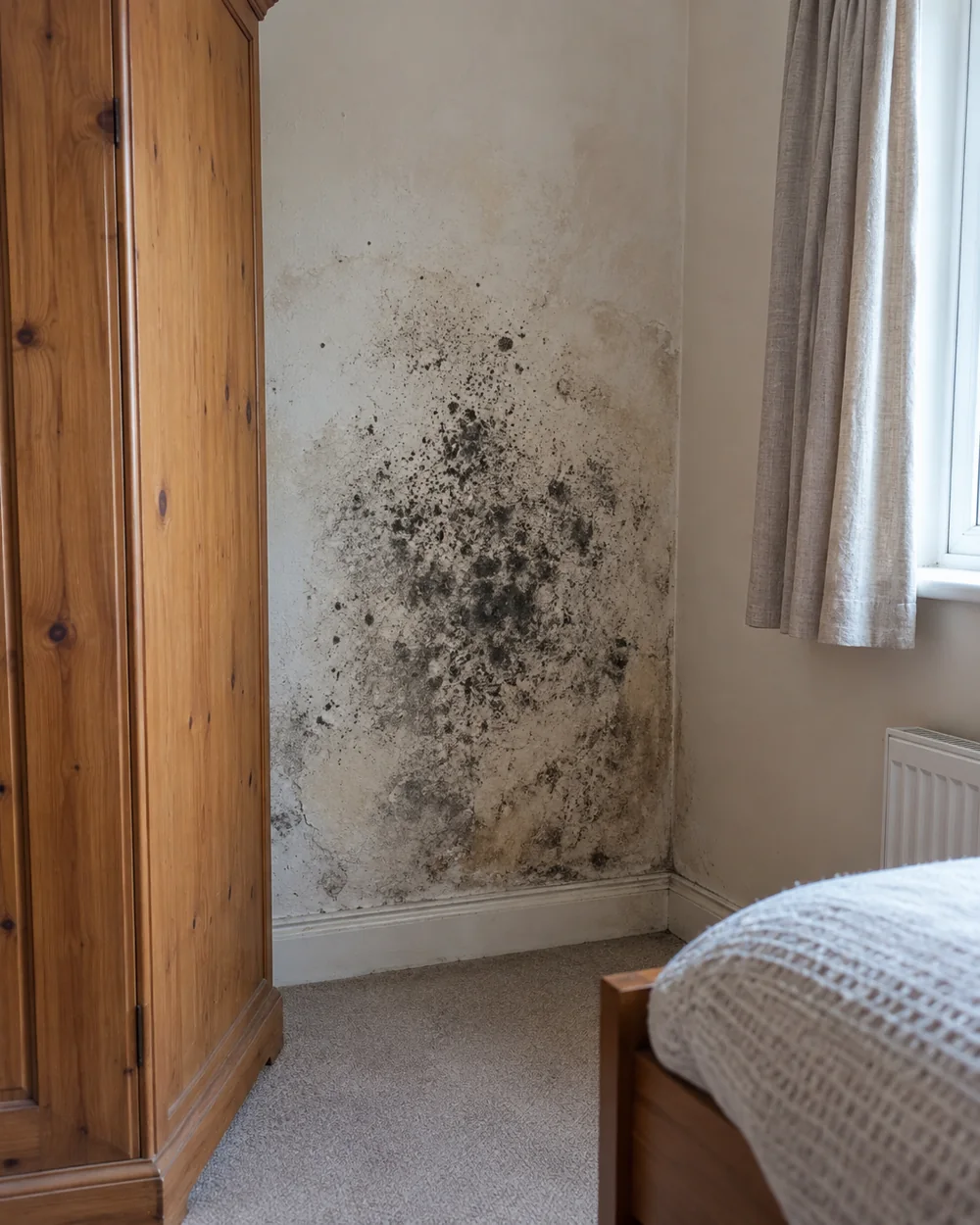
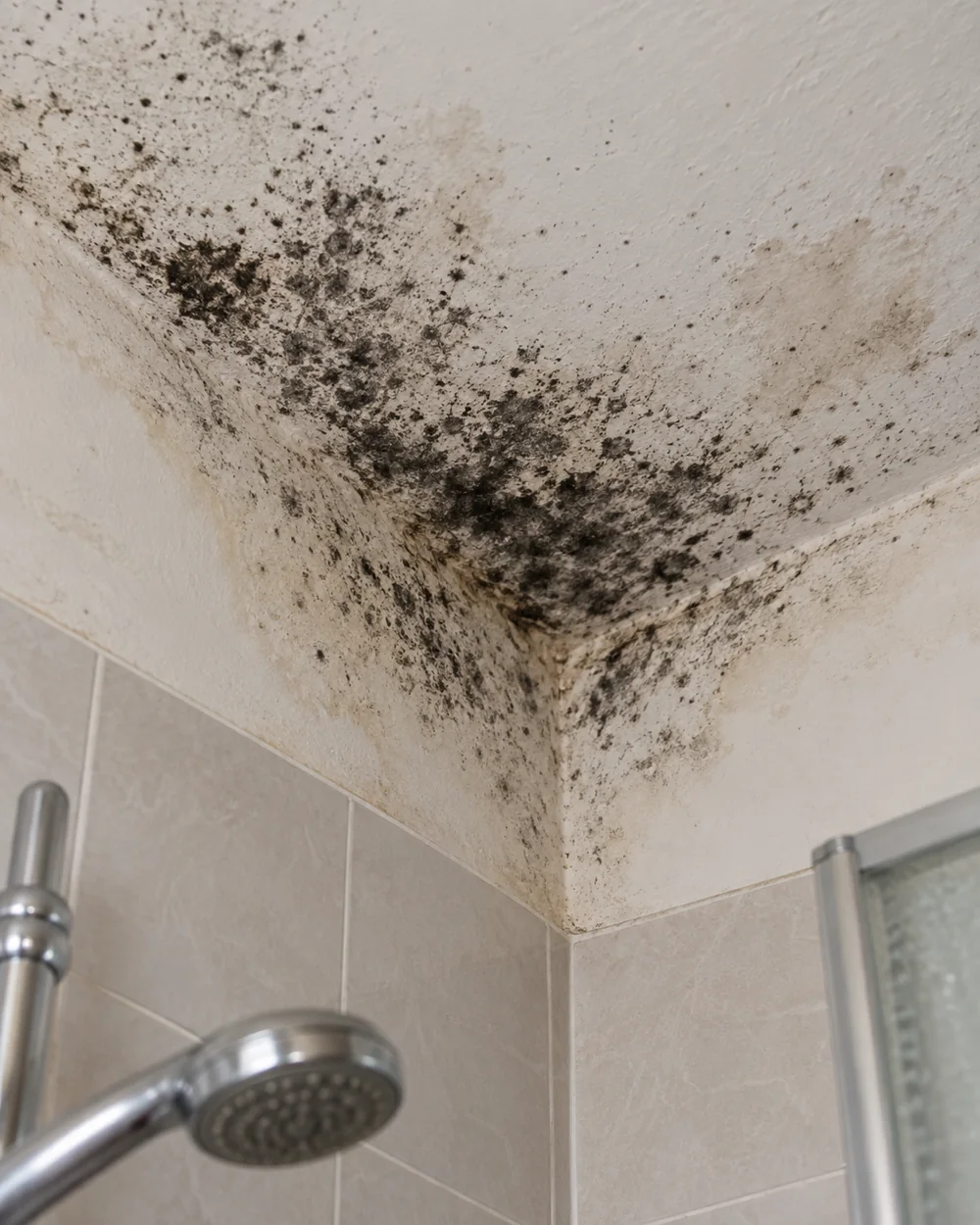
Where visible mould exists, assessment of treatment requirements can consider the accessible material and extent. A seller’s offer to clean it should not be confused with resolving the moisture question behind the lining. Source checks, any material repair and surface treatment may be different parts of the required plan.
Ask the inspector to separate confirmed observations, likely explanations and further enquiries. A focused damp survey does not replace a full building survey or make the purchase decision for you. Its value is clearer moisture information and a reasoned account of remaining limits. Share those questions with the seller and your advisers before committing to assumptions about hidden surfaces.
PROPERTY & MOISTURE CHECKS
QUESTIONS BEFORE A VISIT
Useful questions
Does a wall lining mean damp was concealed deliberately?
No. A lining can have different purposes. Ask for the installation history and assess the available signs without making an unsupported claim about why it was fitted.
Can the inspector remove it during a viewing?
Only with appropriate agreement and scope. Inspection access does not automatically authorise opening construction, so discuss any need for targeted entry with the seller beforehand.
Are readings on the lining enough to assess the original wall?
They need interpretation with the material and accessible conditions. They cannot provide a complete account of concealed construction simply because the outer face can be measured.
What if no old repair records exist?
Record that gap and rely on current accessible evidence. The missing history may limit certainty, but it should not be replaced with an invented source explanation.
Can the survey settle my purchase decision?
It provides moisture-related findings within scope. Your decision may also require wider survey information, repair enquiries and advice about any unresolved access or construction questions.
Nearby areas
Clarify the hidden-wall question before buying
Call with the Belsize Park address, the lining location and the access the seller permits. We can discuss a focused survey that states the evidence and limits clearly.