DAMP & MOULD SPECIALIST
Damp and Mould Specialist Hampstead
A lined wall can hide the original masonry and the condition of its backing. We examine accessible signs and explain what needs confirming before finishes are replaced.
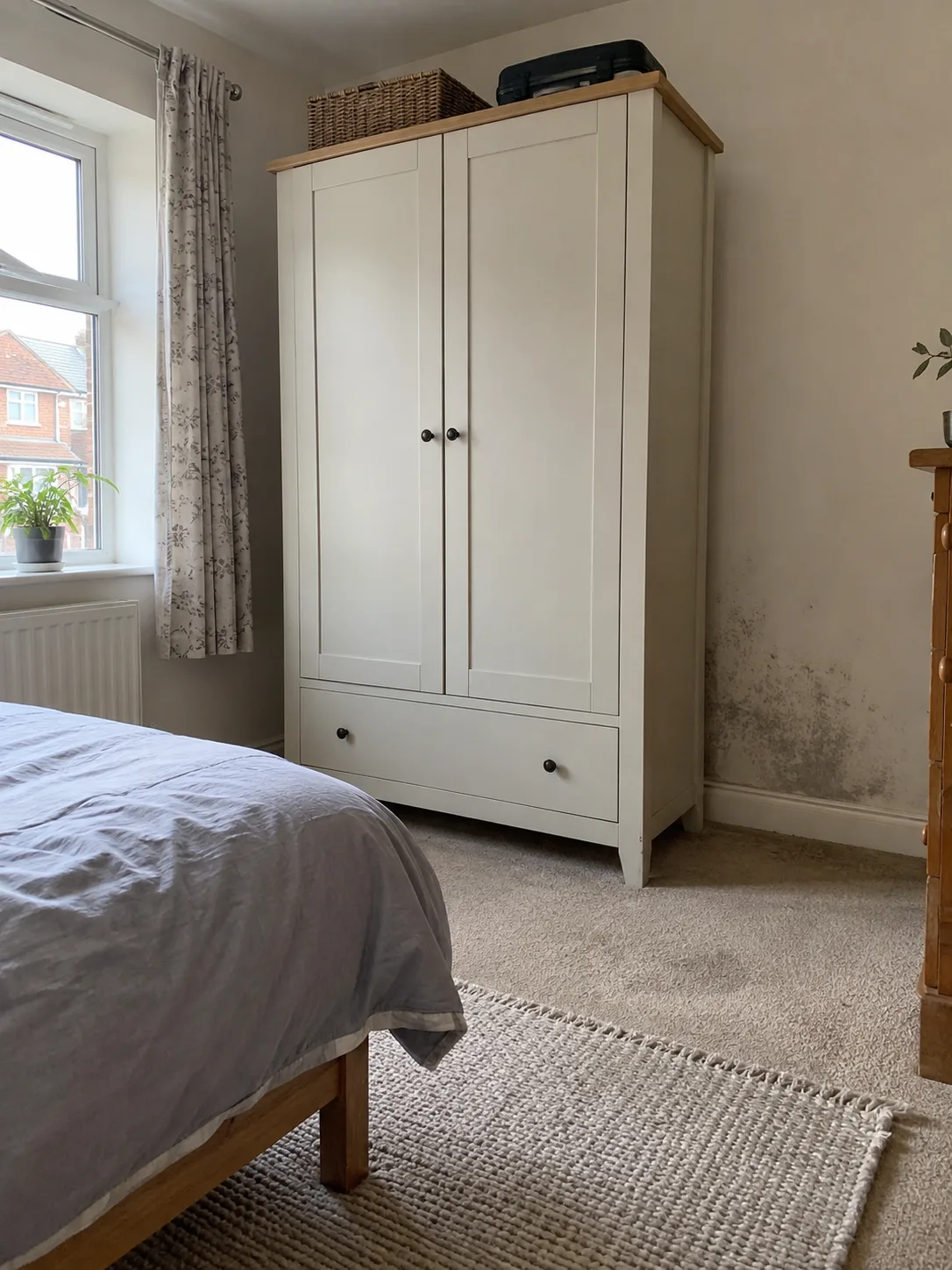
The visible lining is only one layer
If a lower-ground room in your Hampstead property has a wall lining or boxed-out surface, the finished face may not reveal the condition behind it. Mould at the edges, a smell or damaged paint can raise questions about concealed moisture. That does not prove a failed waterproofing system or establish that the original wall is wet. The investigation needs the known construction and alteration history.
Tell us what lining was installed, when it was fitted and whether any drawings or records remain. An accessible inspection opening may be useful, but do not cut into an unfamiliar system before its purpose and permissions are understood. Mention plumbing and adjacent rooms as well as external ground conditions.
An existing inspection panel may have been provided for a particular service or system detail. Establish its intended use before opening it. A view through that panel can help at one location, but cannot be treated as access to the entire cavity. Keep any findings tied to the actual visible area and note the surfaces that remain hidden behind the lining.
Edges and junctions provide different clues
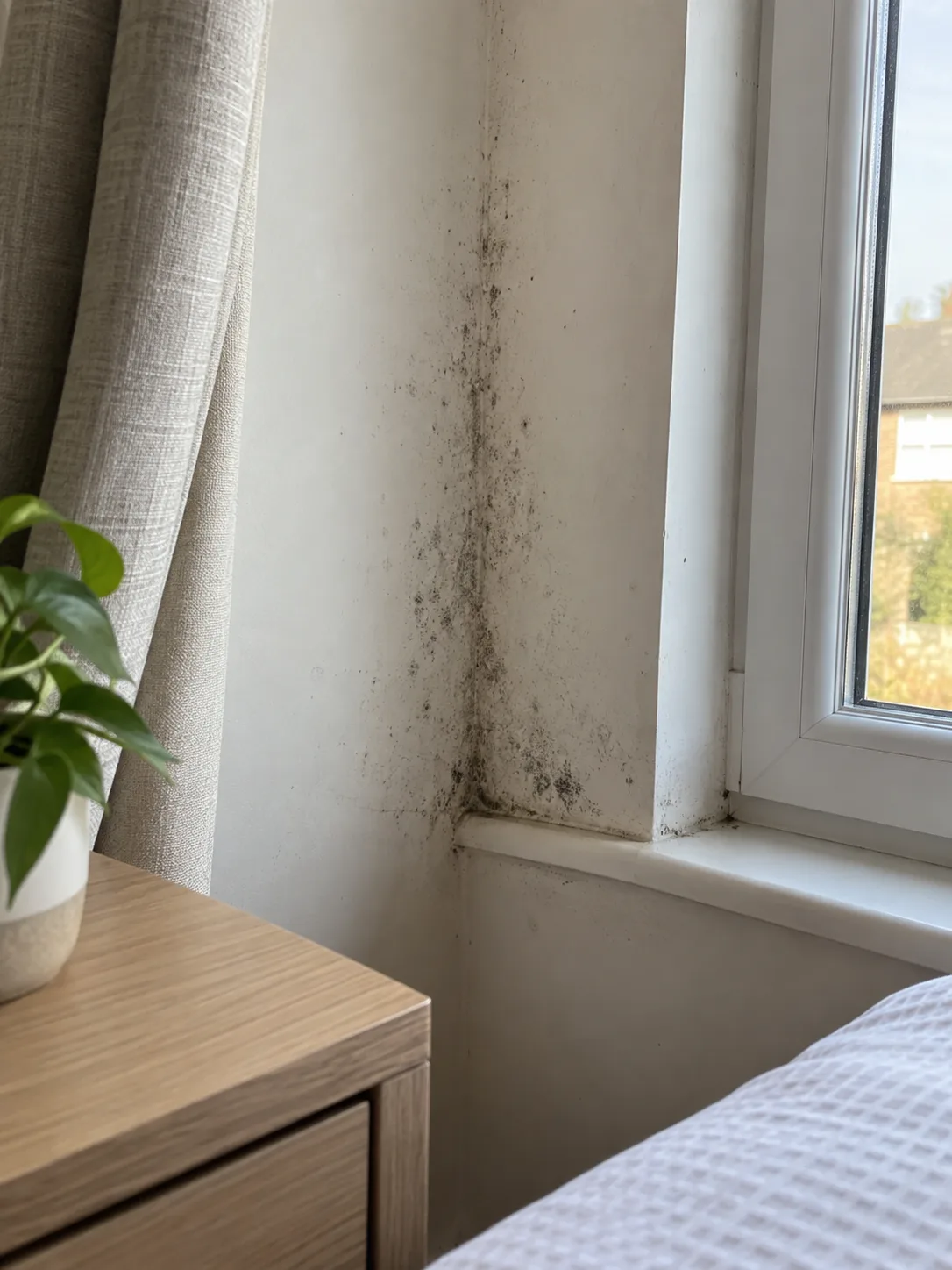
Record marks where the lining meets the floor, ceiling or window. Note whether the face feels wet, whether the smell intensifies after rain and whether growth returns after cleaning. A small edge mark may be the visible part of concealed damage, but cannot establish its full extent. The open room may look dry while the enclosed space remains unexamined.
A moisture investigation of the accessible lining and junctions can organise these clues. Readings on a lining do not directly describe the original wall behind it, and the assessment should explain that distinction.
Keep several moisture routes under consideration
Below-ground position is relevant but does not settle the cause. External entry, a hidden pipe and condensation at cooler concealed surfaces are possibilities to assess. The lining may also alter how air reaches the original wall. No coating or treatment should be selected solely because the room is lower ground or because a meter reading is high.
If the evidence points near plumbing, checking for a hidden water source may be needed. That enquiry has a different purpose from assessing external entry or the performance of a wall system, and might require different access.
The room’s use still matters
A lower-ground study, bedroom and storage space can have different heating and moisture conditions. We ask about normal use without treating it as the automatic explanation. Airflow at an accessible surface may differ from the concealed cavity. Temperature observations can assist interpretation, but cannot show every layer behind a lining or prove it is functioning correctly.
Reviewing ventilation and recurring surface wetting can clarify the indoor contribution. Any proposed changes should be linked to accessible findings, with uncertainty about the hidden construction recorded clearly.
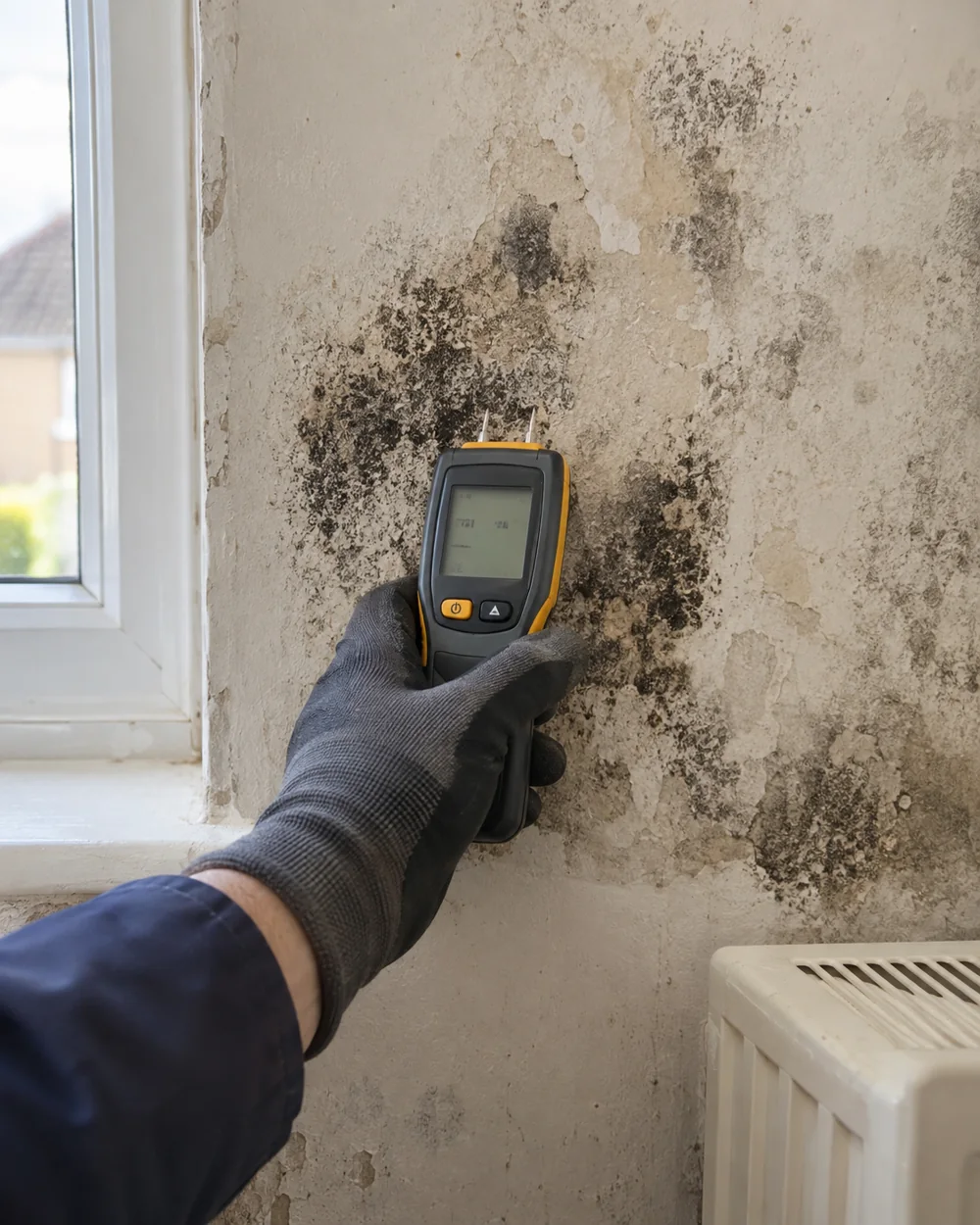
Targeted opening should answer a defined question
If concealed materials need examining, agree which area will be opened, who will carry out the work and how it will be reinstated. Existing records may identify specialist details that should not be disturbed casually. A small opening may provide useful evidence, but still leave other parts unexamined. The findings should state that scope instead of generalising one view to the whole room.
Photograph any newly exposed area before repairs, keeping the date and position. That record helps connect the concealed condition to the original visible symptoms and avoids losing evidence during restoration.
Consider hidden materials before replacing the face
A mould treatment plan for the lined room should take access, extent and material condition into account. Identify any backing still needing examination, with the purpose and position of the proposed view clearly agreed. Any active moisture source needs its own response, coordinated with decisions about retaining or replacing finishes.
Ask what has been confirmed and what requires another specialist assessment. Replacing a lining without explaining the source can repeat the same enclosure over unresolved damp. Keep repair documents and system information together. They help another contractor understand the actual lining and select an appropriate view of any unresolved layer.
PROPERTY & MOISTURE CHECKS
QUESTIONS BEFORE A VISIT
Useful questions
Does a damp lining prove the masonry behind it is wet?
No. The layers need distinguishing. Surface readings and visible signs may raise a concern without establishing the backing condition.
Is lower-ground mould always a waterproofing failure?
No. Condensation, leaks and other routes can contribute. The position and system history matter, but do not identify the cause alone.
Should I cut an opening before the visit?
Discuss the lining and scope first. Unfamiliar or specialist systems should not be disturbed without a defined purpose and appropriate arrangements.
Can one opening settle the condition of the whole wall?
It provides evidence at that location. Other concealed parts may remain unexamined, and the report should explain the limit.
Why keep the original system records?
They may clarify hidden layers, intended access and previous work. They help guide investigation without replacing assessment of the current condition.
Nearby areas
Get a clear plan for the lined wall
Call about your Hampstead lower-ground room with the lining history and accessible symptoms. We can discuss the investigation before finishes are disturbed.