DAMP & MOULD SPECIALIST
Damp and Mould Specialist Marylebone
A tenant has reported mould, but photographs and short messages do not explain the cause. A useful visit starts with access, a clear scope and the occupant’s account.
Give the complaint a clear next step
For a rented property in Marylebone, the first practical task is to establish which rooms are affected and who can arrange entry. Ask the occupant to describe when surfaces become wet, whether marks change after rain and what has already been cleaned. Keep their account alongside the photographs. It should inform the inspection without being treated as a complete diagnosis.
If a written record is needed, discuss the purpose before booking a landlord damp and mould assessment. A report for repair planning needs a scope that matches the complaint. Confirm who receives the findings and who can approve further work. Clear arrangements help avoid a visit that records damage but leaves everyone unsure what happens next.
Access means more than getting through the front door
A locked bedroom, fitted wardrobe or cupboard full of belongings can leave the main concern inaccessible. Discuss reasonable preparation with the occupant in advance, including which wall faces need to be visible. Do not ask them to disturb damaged materials. List any room that cannot be checked and explain its place in the complaint. The findings should preserve that gap in the assessment.
Tenants often know details that an owner visiting occasionally will miss: water on a sill each morning, a fan that sounds different, or a stain appearing after somebody showers upstairs. Arrange for that information to reach the inspector even if the occupant cannot attend. Recent repair invoices and previous photographs are also useful, especially where a reported leak has already been repaired.
Keep everyday moisture and building defects in view
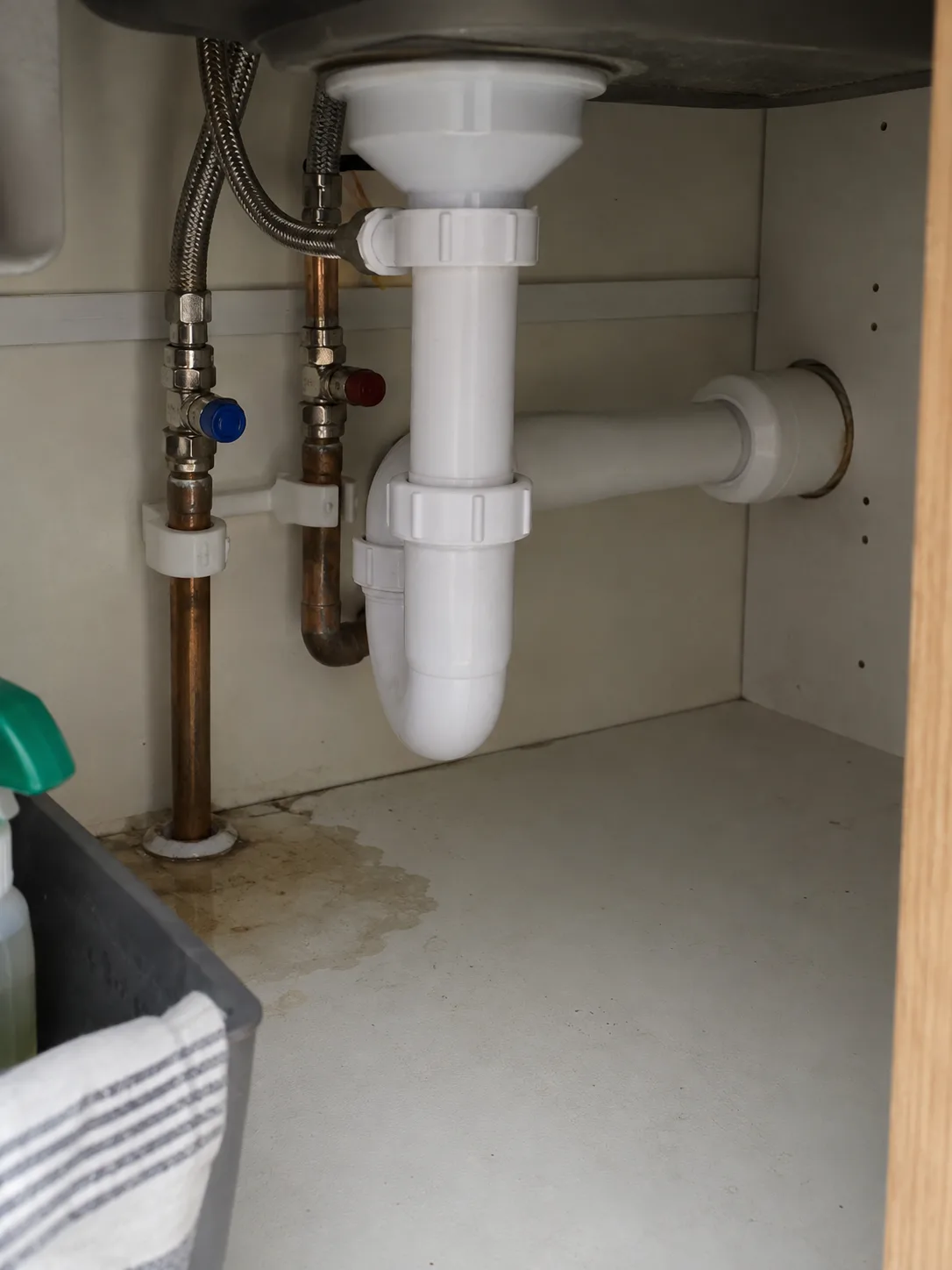
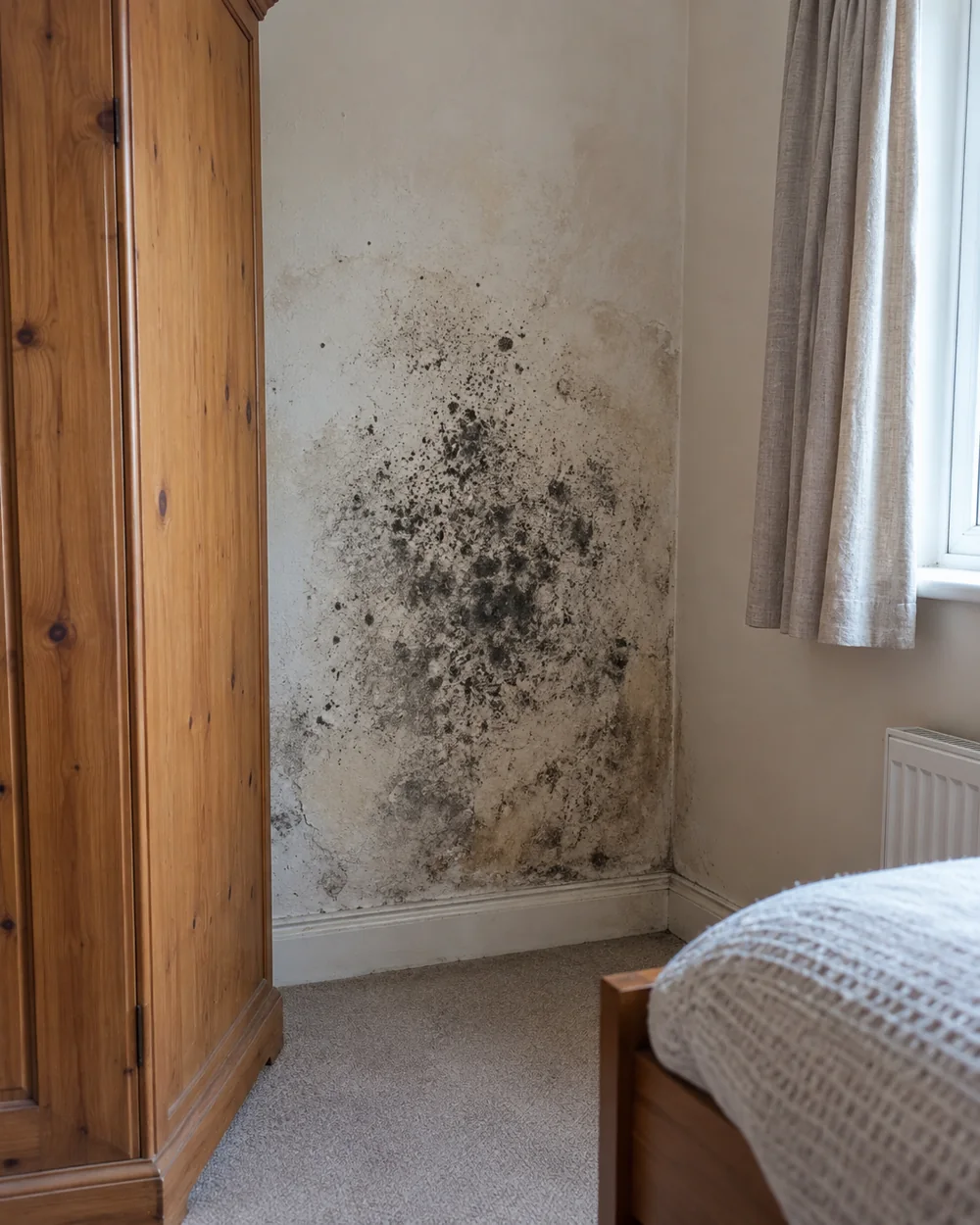
A bedroom corner can involve condensation, while a ceiling patch in the same home may have a separate water source. Avoid making one explanation cover every room. A room-by-room moisture investigation considers the pattern, accessible readings and the relationship to plumbing or external features. Findings should distinguish observations from possibilities that still require confirmation.
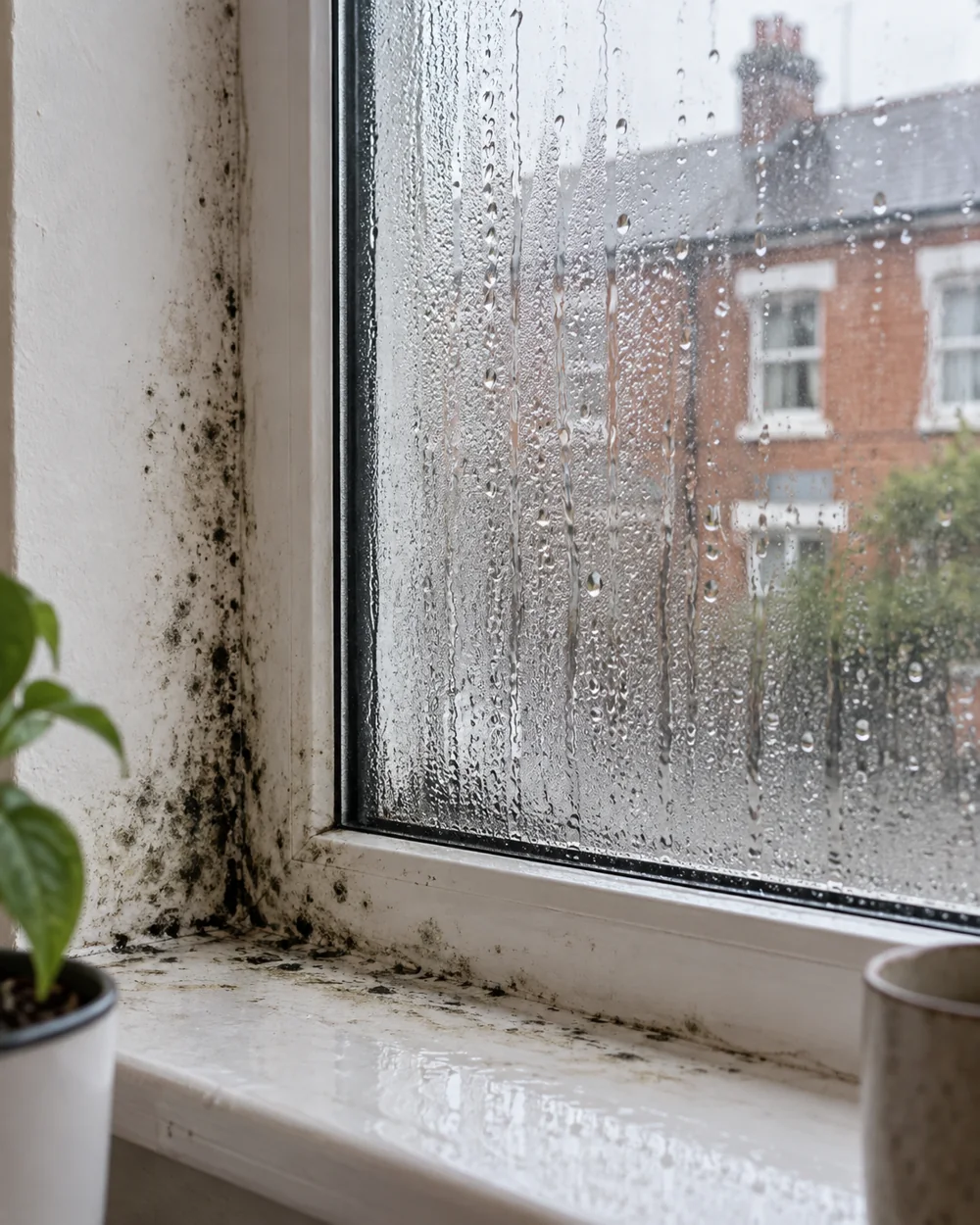
Where steam or persistently wet windows form part of the complaint, ventilation assessment within the occupied home can help explain the interaction of moisture production, surface temperature and airflow. This needs to consider the provision and condition of the property as well as how rooms are used. A photograph alone is not a fair basis for attributing responsibility.
Record changes while the source is being investigated
If damp is spreading, paint is lifting or there is evidence of an active water escape, communicate that change promptly to the person arranging repairs. A scheduled mould visit should not become a reason to ignore a developing leak. New information can alter the priority or scope. Tell the booking contact if affected rooms or surfaces have changed since the initial enquiry.
Cleaning before the visit may be unavoidable in an occupied home. In that case, keep earlier images and describe exactly what was done. A recently wiped surface does not necessarily mean the room is now dry. Equally, staining left after an old incident does not on its own establish an active source. The history helps interpret what the inspector sees on the day.
Turn the findings into an agreed work sequence
Ask the inspector to explain which observations support each recommendation and where access limits prevent certainty. A concealed plumbing concern may require another trade or further investigation. A ventilation issue may need a different response. Plan treatment of the affected rooms alongside the identified repairs and moisture measures. Give each task a clear place in the work sequence.
Give the occupant a clear account of the proposed next steps and access requirements. Keep the findings, repair instructions and treatment records together. If the mould later returns, that record makes it easier to establish what was completed and what remained unresolved. The report describes inspection findings; it should not be presented as an automatic legal ruling about responsibility.
PROPERTY & MOISTURE CHECKS
QUESTIONS BEFORE A VISIT
Useful questions
Can the tenant explain the problem during the visit?
Yes. Their account of wet surfaces, room use and changes over time can help guide the assessment. Arrange attendance or pass on their notes if they cannot be there.
Who should authorise work after the report?
Confirm that before booking. The inspection contact and the person approving repairs may be different, so provide a clear route for reviewing recommendations and arranging the next stage.
Are tenant photographs enough to identify the cause?
They show location and appearance but often miss surface conditions, ventilation and concealed sources. Use them to prepare the visit, with the cause assessed against the property itself.
What happens if one bedroom is inaccessible?
The limitation should be recorded. Findings from accessible rooms should not be used to claim that an unseen room has been fully assessed. Discuss another access arrangement if that room is central to the complaint.
Should I request a particular report format?
Explain the intended use when you call. Agree the scope, recording and available findings before the visit. Explain the question the report must help you answer so its purpose is clear.
Nearby areas
Arrange the visit around the actual complaint
Call with the Marylebone property address, affected rooms and access contact. Tell us what you need the report to explain so the assessment has a useful purpose from the start.