DAMP & MOULD SPECIALIST
Damp and Mould Specialist Bayswater
Mould around a window does not automatically mean the window needs replacing. We examine where the surface gets wet and what is supplying the moisture.
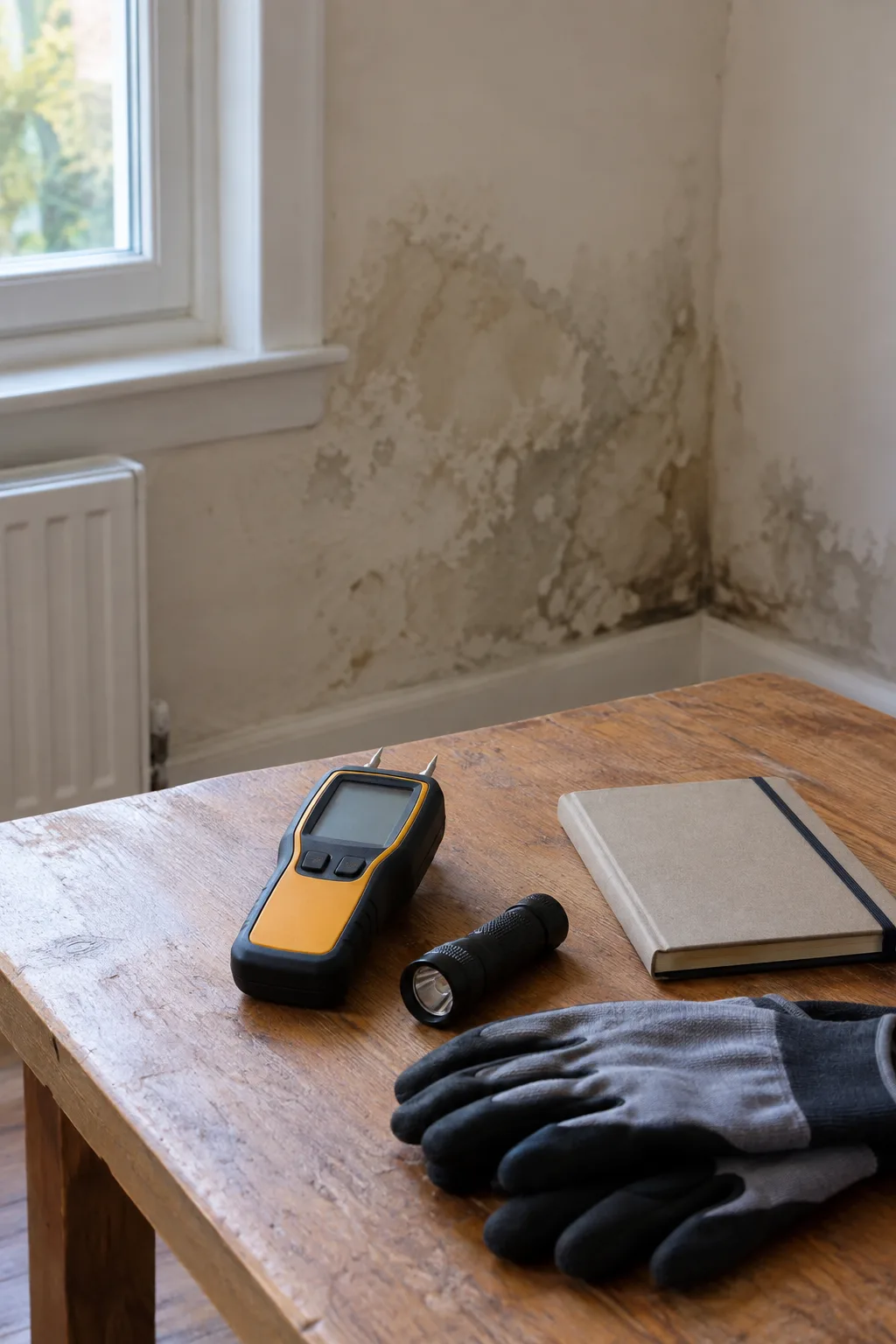
One window or every window?
In a Bayswater home with mould at a window opening, the distribution is worth recording. Similar marks across several rooms may suggest shared indoor moisture conditions. Damage concentrated at one side of one opening may need a closer look at that opening and the adjacent construction. Neither pattern gives the complete answer, but it helps decide where inspection should begin and which questions deserve attention.
Take photographs before wiping the glass or reveal. Include curtains, blinds and furniture near the opening, because their normal position can influence local airflow. Note whether moisture appears on the inside glass overnight, after cooking or during wet weather. Record glass condensation and wall staining as separate symptoms, including when each appears and whether the wall dries after the glass clears.
Examine the reveal and the conditions around it
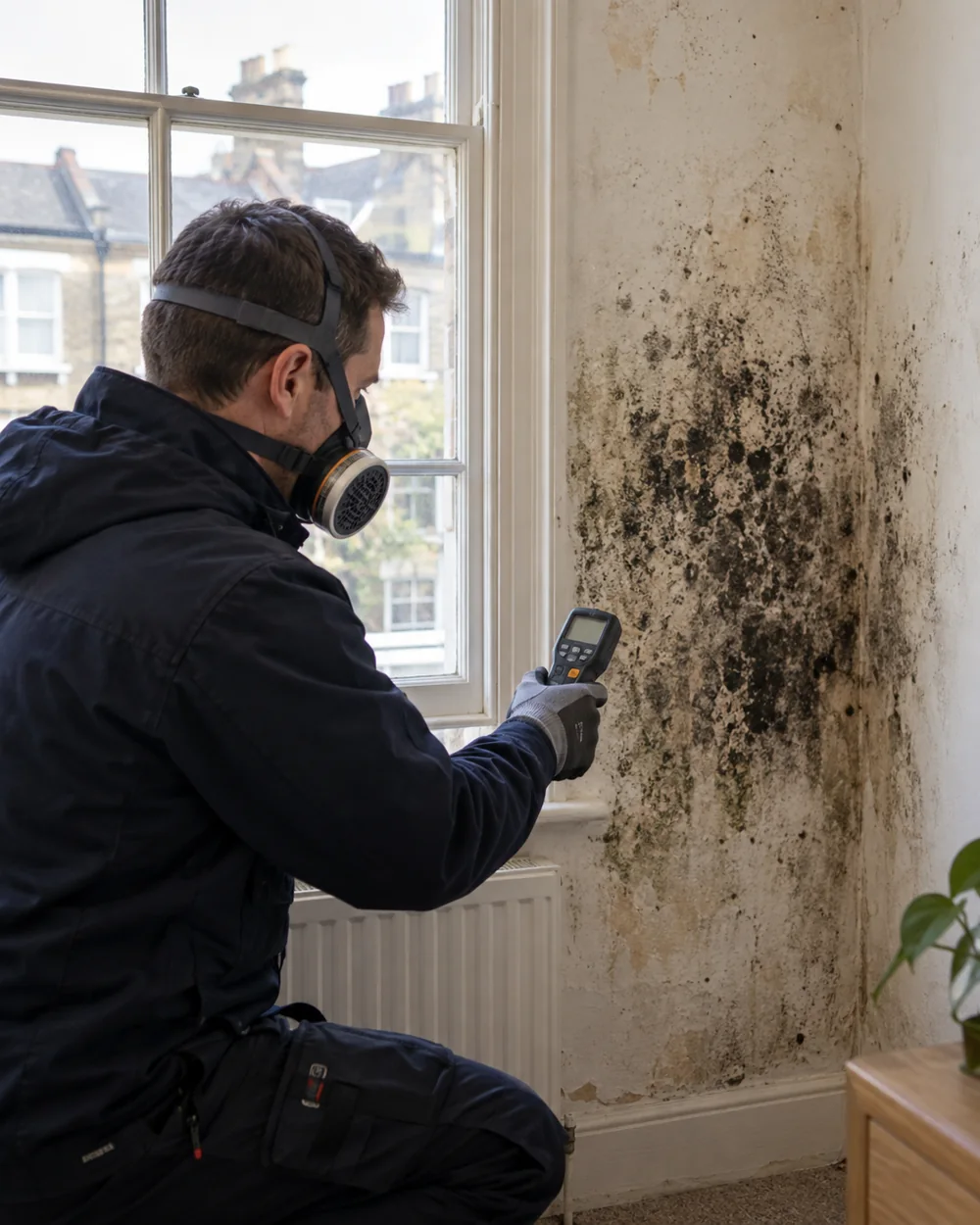
Our window and cold-surface assessment starts with the affected reveal and frame, examining visible seals and how the wetting relates to the nearby wall. We compare the position of mould with condensation and the visible state of the opening. An external gap, damaged finish or restricted airflow may each require different follow-up. The colour of the growth alone cannot identify which explanation applies.
A damp investigation around the opening may be useful where the wall remains wet or the moisture route is unclear. Readings need context from the material and adjacent surfaces. We should say which parts of the assembly can be inspected and which remain concealed, especially if the opening has recently been lined, repaired or decorated.
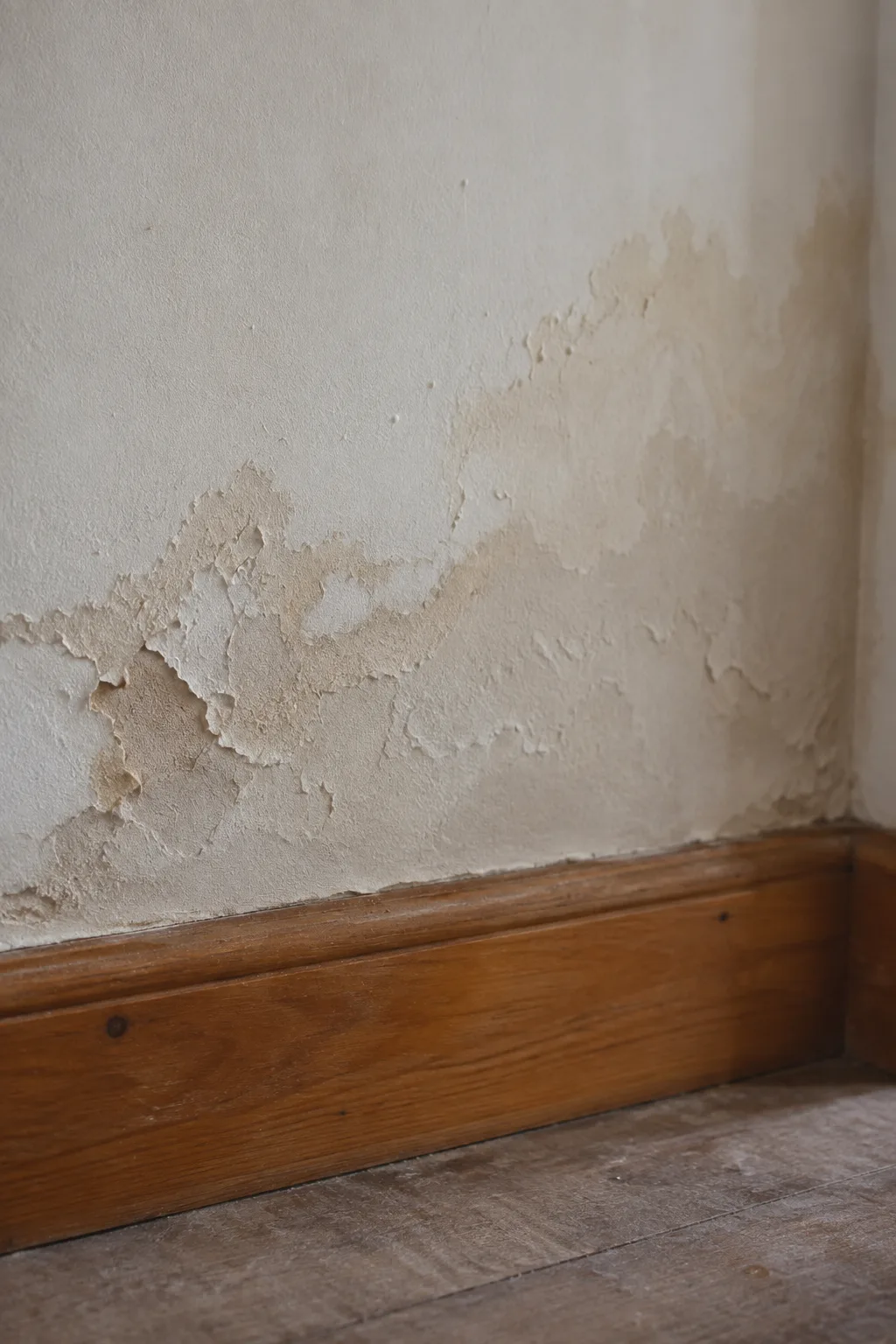
Well-sealed rooms still need moisture removal
If the problem began after windows were changed, describe what happened to the room’s ventilation at the same time. Reducing unwanted draughts can alter how indoor moisture leaves. Give the replacement date and details of any ventilation changes when arranging a review of ventilation provision, so the altered room conditions can be assessed. Daily moisture production, heating and surface temperature all belong in that discussion.
Deep curtains or a tightly fitted blind can leave the reveal with less air movement than the rest of the room. Moisture may then remain there longer. Moving a curtain can help test a practical change, but it will not repair outside water entry. Avoid spending money on the entire window installation before the wetting mechanism has been assessed.
When the mark changes with rainfall
For a stain expanding after rain, discuss checks of external water routes and the access available around the affected opening. Water may enter at a joint and become visible elsewhere around the opening. Record the weather connection and any work to pointing, seals or drainage nearby. A weather-dependent patch should not be dismissed as condensation simply because there is also water on the glass.
Deal with the growth and the repeated wetting
Once the cause is sufficiently clear, discuss treating the mould on the reveal with the condition of its finish in mind. Treatment may need supporting repairs or changes to ventilation. Damaged paint and plaster should be assessed before decoration, and new sealant should not be used simply to cover a mark without knowing why that section became wet.
Check improvement under ordinary room use
After the proposed work, keep an eye on the same opening during the conditions that previously produced moisture. Note wet glass, new staining and whether the reveal dries between uses. A freshly cleaned opening may look encouraging while the source continues. If symptoms change location, record that too; it may show that air movement or another moisture route still needs attention.
Check whether the wall is damp beyond the reveal as well. A wider stain may change the investigation, especially when there are adjacent plumbing routes or damage at ceiling level. Send a room photograph with your close-ups and mention any recent decoration. This avoids reducing a broader wall problem to a window-only appointment before the accessible evidence has been considered.
PROPERTY & MOISTURE CHECKS
QUESTIONS BEFORE A VISIT
Useful questions
Do new windows rule out condensation?
No. Indoor moisture can still settle on cooler parts of an opening. The assessment considers ventilation and local surface conditions as well as the installation.
Why is only one side of the reveal affected?
That side may have different airflow, temperature or exposure to water. We compare that side with the rest of the opening and use the timing of wetting to guide the next checks.
Should I replace mouldy sealant first?
Take photographs and seek advice on the underlying wetting. Replacing a finish can remove visible evidence while leaving condensation or water entry unchanged.
Can blinds contribute to moisture around glass?
They can restrict air movement close to the opening. Photograph the blind in its usual position and include any rain-related staining, so we can assess airflow and possible water entry together.
What should I mention if the problem follows rain?
Describe how soon the wall changes, which side gets wet and whether wind direction appears relevant. Photographs taken before and after rain can help show the pattern.
Nearby areas
Before ordering replacement windows
Call about the mould around your Bayswater opening. Tell us which surfaces get wet and when it happens.