DAMP & MOULD SPECIALIST
Damp and Mould Specialist Knightsbridge
Decorative bathroom finishes can conceal as much as they show. A sensible inspection looks at moisture around the fittings and the way the room dries after use.
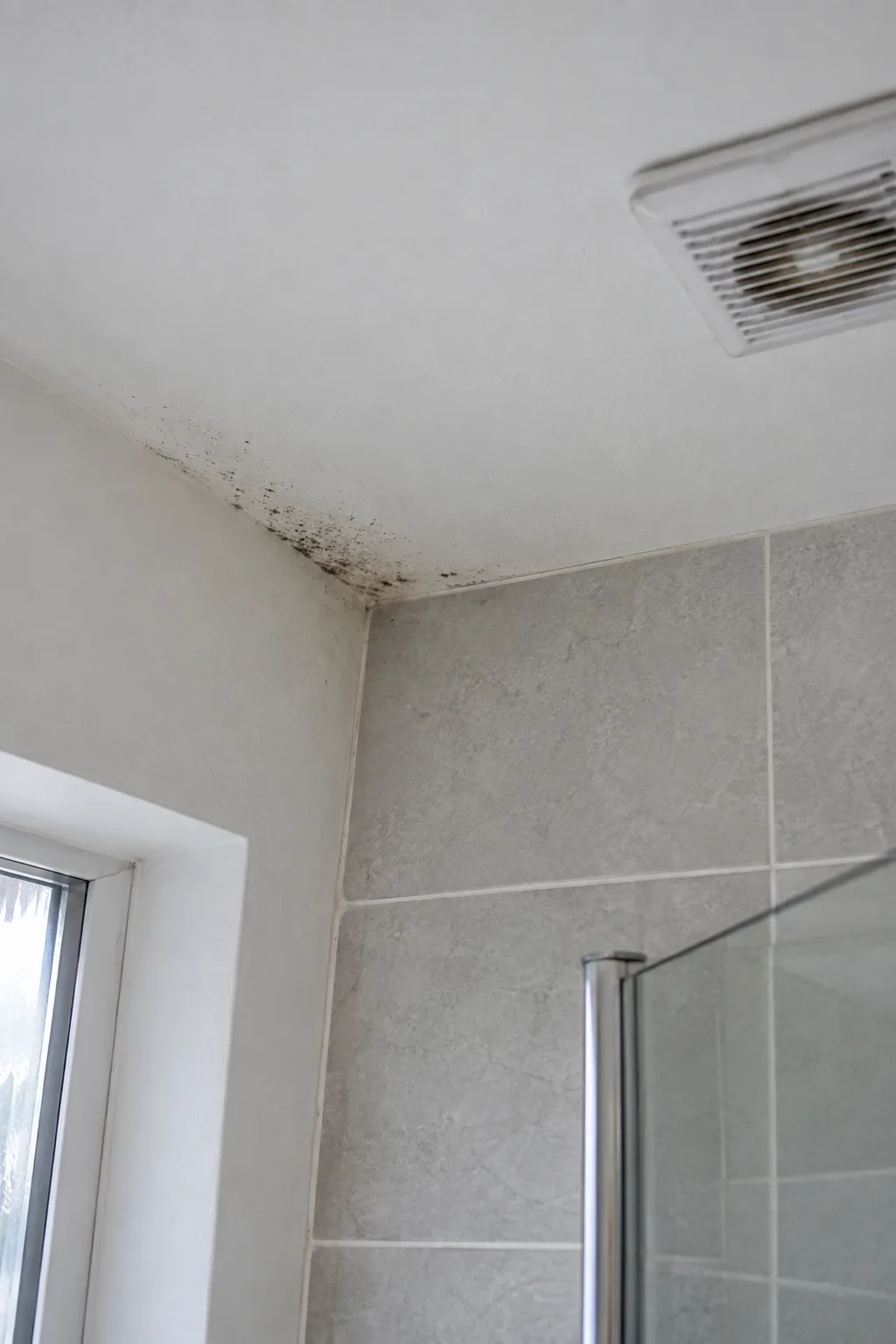
A bathroom with enclosed details
If your Knightsbridge bathroom has stone cladding, decorative panels or boxed-in fittings, visible marks may reveal only part of the problem. Moisture can collect at a joint or behind a panel while the main surface looks clean. Steam, splashed water and a concealed plumbing connection are different possibilities. The finish should shape the access plan, but it should not determine the diagnosis before the room is checked.
Tell us which parts were recently installed and whether access panels exist. The material behind a decorative surface can matter as much as the face itself. Installation photographs, earlier repair notes and a simple description of the plumbing layout help us understand what is visible and what remains concealed.
If the bathroom contains several panelled fittings, identify which one sits closest to the first mark. A room-wide smell may make the concern feel general, but a mapped starting point helps target the initial checks. Retain photographs showing the panels before installation if available, including the access openings, so another contractor can understand the concealed arrangement without disturbing unrelated finishes.
Which marks follow bathroom use?
Notice whether the ceiling stays wet after a shower, whether dark marks collect at panel edges and whether the floor beside a fitting is damp when the bathroom has not been used. Those patterns guide different checks. A mark by a shower enclosure may be linked to a seal, but location alone does not rule out moisture from elsewhere.
The bathroom moisture service considers ventilation and accessible fittings in the same assessment. This avoids assuming that every patch in a room used for bathing is simply steam, or that every patch near a pipe is automatically a leak.
Check what happens after the fan starts
A working switch says little about effective extraction. The air path, duct arrangement and available replacement air influence how much moisture leaves the room. A decorative grille may conceal a restriction; a door arrangement may affect airflow. We examine the ventilation features we can reach and explain how they relate to the wetting you have recorded, before discussing any equipment change.
A closer review of bathroom extraction can clarify repeated wetting on colder surfaces. It cannot confirm the condition of every concealed duct unless access is available, and those limits should be explained before alterations are proposed.
Hidden fittings need measured investigation
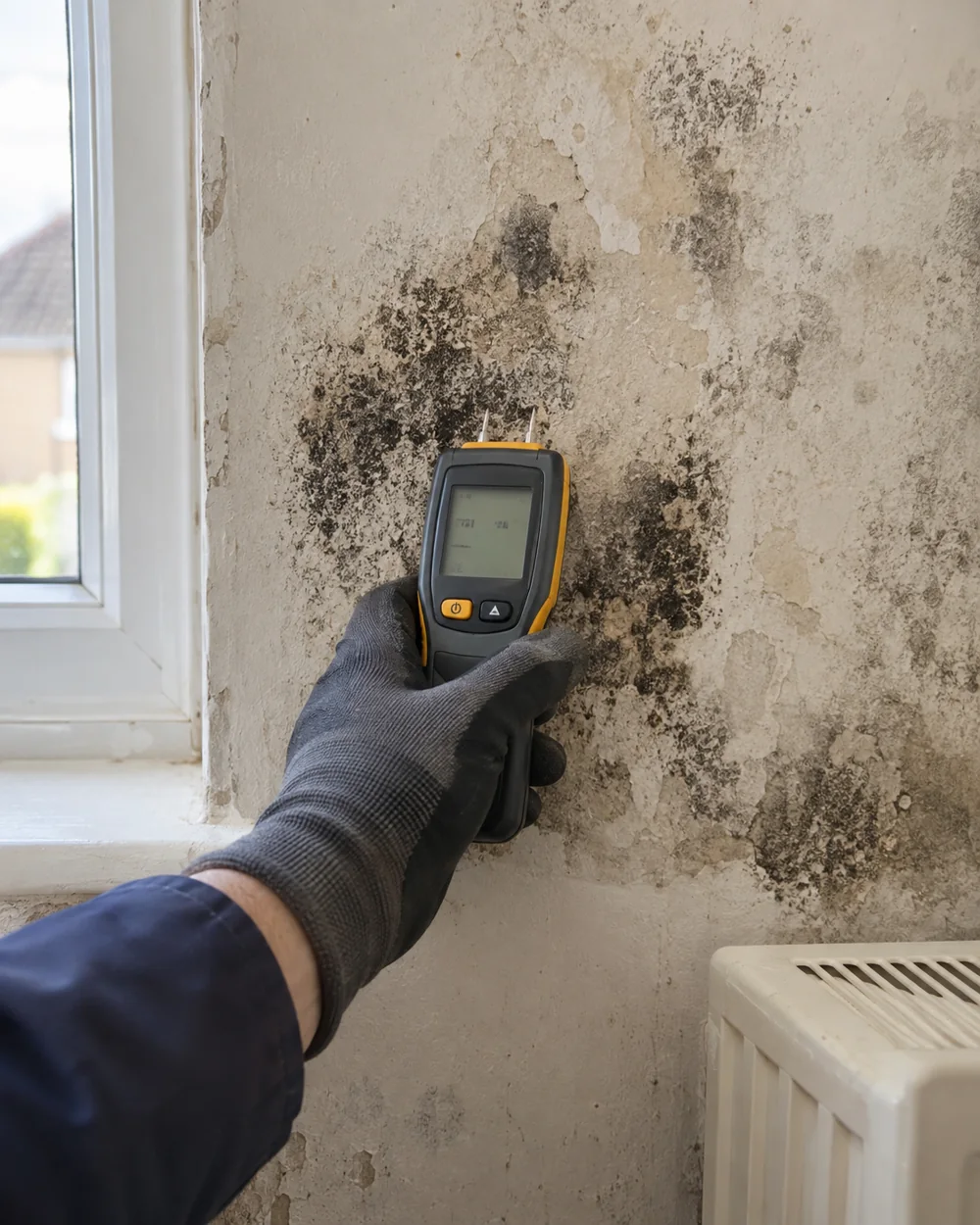
We inspect visible joints and compare readings where the surface and construction allow useful interpretation. Moisture behind a panel may not be directly accessible. Thermal observations can offer clues about surface temperatures, but they do not photograph a leak through the wall. Checking for a concealed water source may require staged access when the initial evidence points that way.
Do not remove specialist finishes on the assumption that opening everything will reveal the answer immediately. Agree which area needs examining and who is responsible for making good. Where the installation has records or warranties, retain those documents for the contractor dealing with the fitting.
Match treatment to each affected material
Growth on painted plaster, a sealant joint and the backing of a panel cannot be treated as one identical surface. A mould treatment plan should consider the extent of the affected material, its condition and whether it can be accessed. The panel backing needs its own view or material assessment if the evidence points behind the decorative face.
Any active leak or repeated condensation needs a separate response. Once that work is addressed, discuss what can be retained, what requires further assessment and which finishes are ready for reinstatement. The appearance of polished stone is not a reliable indicator of the moisture condition behind it.
Keep the repair history with the bathroom
A clear record helps if the issue returns or another contractor becomes involved. Keep dated photos, access-panel positions and notes identifying the actual repairs, together with the cleaning invoice if there is one. For a managed or rented property, ensure the person authorising work understands the access limits and the reason for any further checks. That makes the next decision about fittings or finishes more informed.
PROPERTY & MOISTURE CHECKS
QUESTIONS BEFORE A VISIT
Useful questions
Can mould grow behind a decorative bathroom panel?
It can if the concealed material remains damp. Accessible inspection may show clues without revealing the full extent behind a fixed finish.
Does the extractor running mean steam is being removed?
No. Airflow and the route outdoors matter as well as the motor. Restrictions and replacement air need considering.
Must all the cladding be removed?
That is not an automatic first step. The evidence should guide any agreed opening, with the limits of the initial inspection explained.
Could a shower seal cause the wall marks?
A damaged seal may contribute, but the affected area and other possible sources should be checked before treating it as the sole explanation.
Should the decorator deal with the marks first?
The moisture investigation should inform surface work. Decorating before a leak or recurring condensation is addressed can obscure useful evidence.
Nearby areas
Discuss the bathroom before disturbing its finishes
Call about your Knightsbridge property and explain the panel layout, symptoms and recent installation work. We can agree a useful inspection scope.