DAMP & MOULD SPECIALIST
Damp and Mould Specialist Chelsea
A newly finished room should not keep developing damp marks. We work through what changed, what is wet and what needs checking before more work is commissioned.
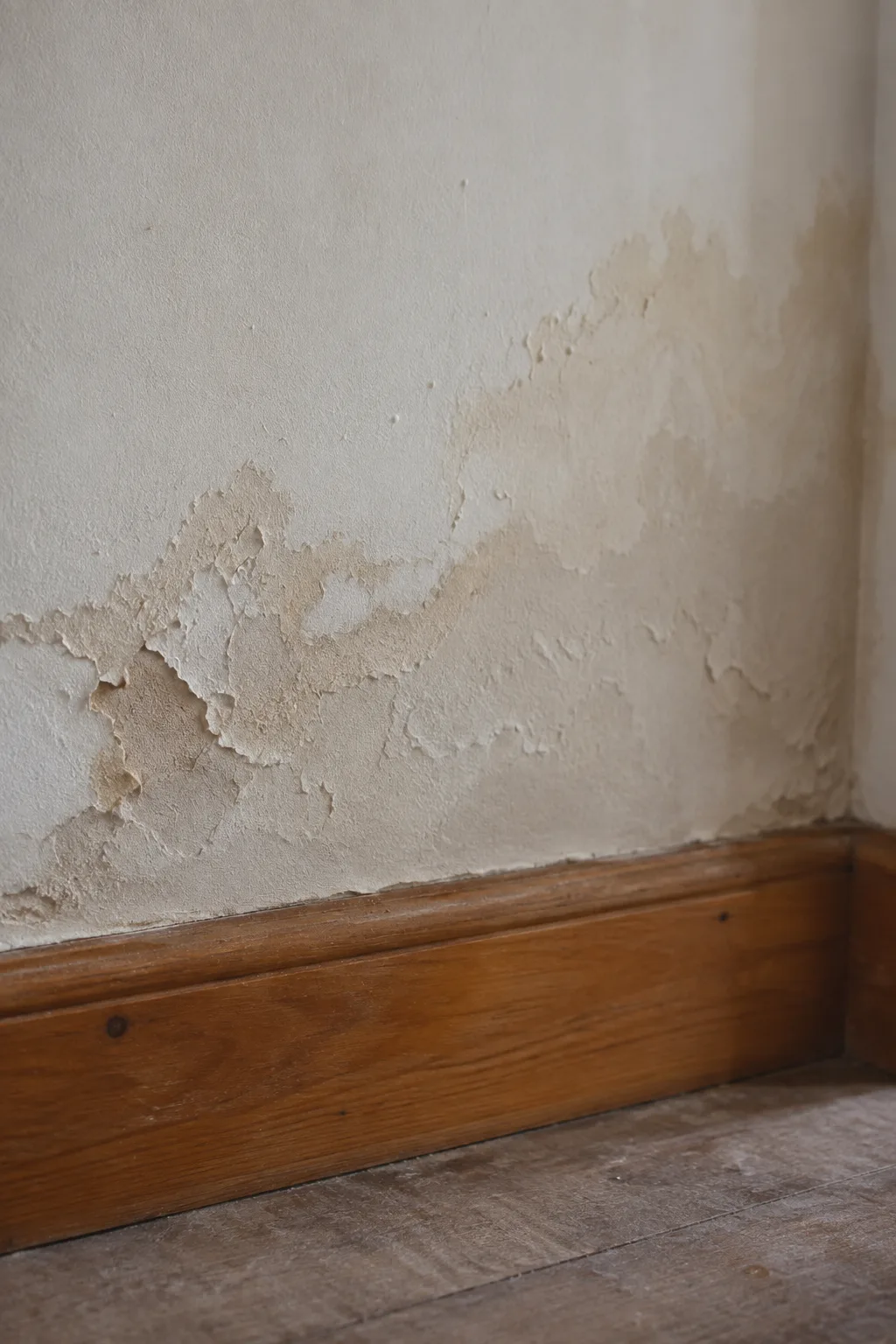
The problem appeared after the room changed
If your Chelsea home developed mould after renovation, list the work completed and the dates when the room came back into use. New windows, altered heating, a moved bathroom or fresh wall finishes can change moisture conditions in different ways. Some work may reveal an existing problem; another change may introduce a water route or reduce airflow. The inspection needs to establish which explanation is supported by the present evidence.
Keep the dates of completion, first occupancy and the first visible marks. Describe which rooms were affected by the works and whether the mould is confined to the renovated area. Photographs taken before walls were closed can help explain concealed plumbing and construction. Do not remove finished surfaces just because the symptoms began after building work; agree what additional access is actually useful.
Look past the new decoration
A moisture investigation after renovation considers surface condition and measurements in context. A recently painted wall may hide the earlier pattern, while construction moisture and continuing wetting raise different questions. We follow the marks across the renovated wall and adjoining finishes, noting where the new coating or lining conceals the earlier condition. A neat appearance does not prove the underlying materials are dry.
Tell us which products or systems were used if that information is available. A wall lining, insulation layer or waterproof finish may change how the construction behaves and what can be assessed from its room side. Keep specifications for the lining or insulation available; where a concealed layer matters to the findings, we identify the detail that still needs checking.
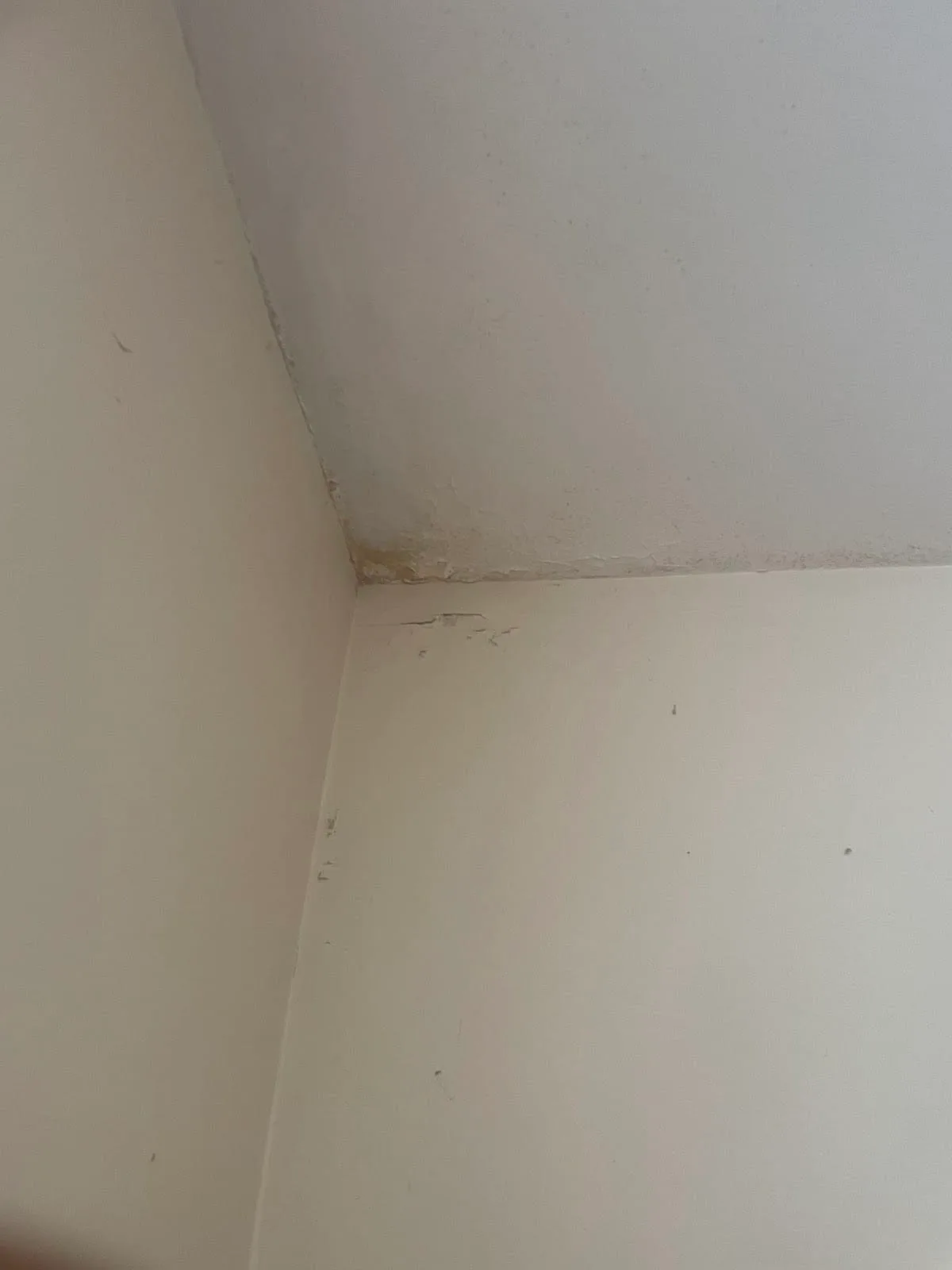
Changed plumbing deserves a separate check
If the work involved a shower, sink or heating pipe, persistent wetting near that route may justify checks for a hidden leak. The stain may be some distance from the connection, so the investigation should follow the moisture pattern. Explain whether the patch varies with use of a particular fitting and whether the property has remained occupied since completion.
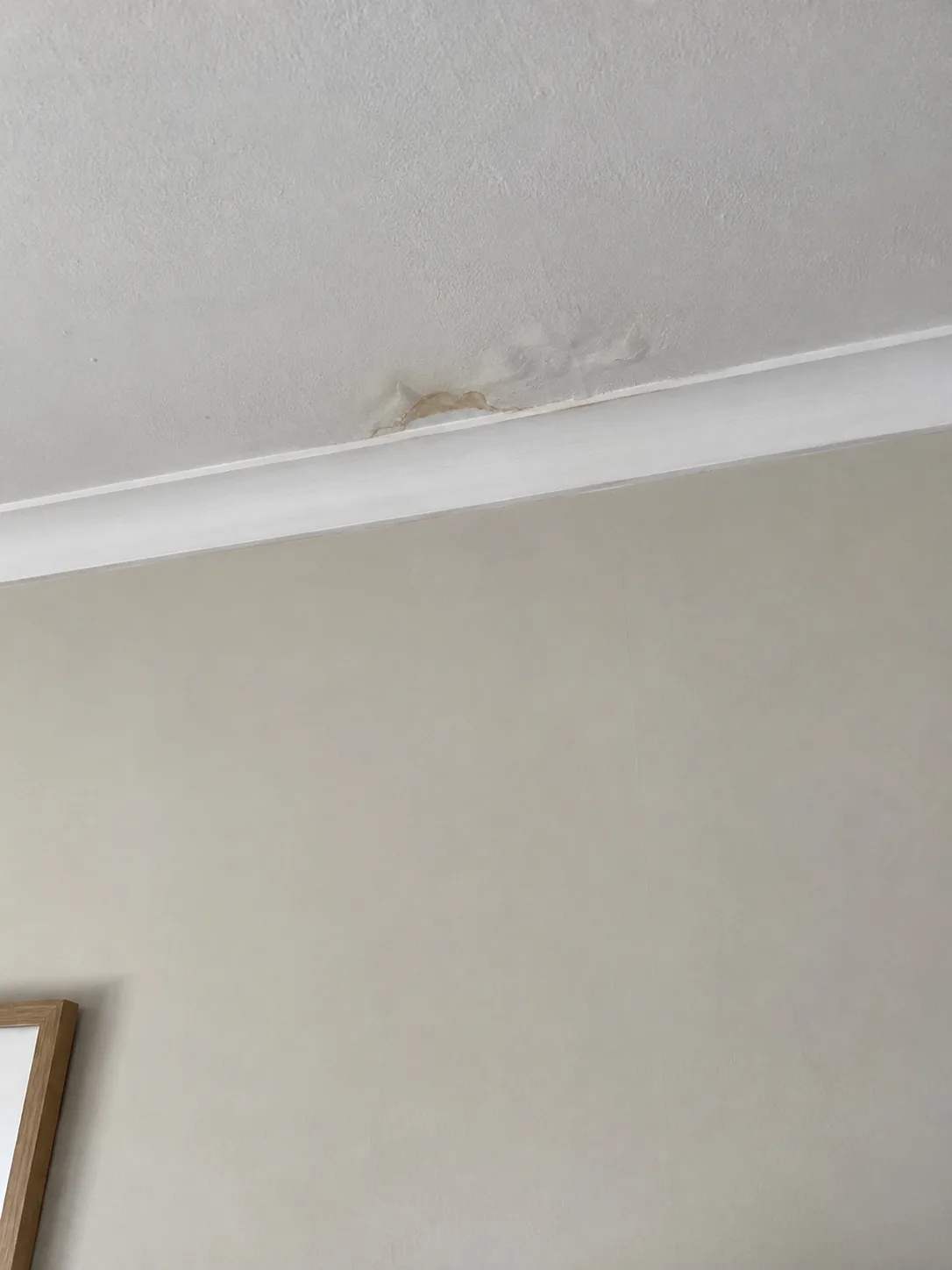
For a renovated bathroom, assessment of bathroom moisture checks the fitting areas that can be reached and how the room clears steam after use. A new extractor can be present without the overall ventilation arrangement working well. Mould appearing on a ceiling after showers therefore calls for a different comparison from a wall patch that remains wet when the bathroom has not been used.
A tighter room may need a revised ventilation arrangement
Reduced draughts can change where moisture collects. A review of condensation conditions considers the altered layout, heating and ventilation points. The recommendations should explain how moisture now moves through the altered layout and which ventilation measure fits the room’s normal use. A new bedroom created from another room may need particular consideration because its use has changed too.
Agree what must happen before another finish
Mould treatment and repair planning should follow the findings. Removal of the visible growth may be needed, but it does not settle a hidden leak or compensate for repeated condensation. Ask for a clear sequence: investigations still needed, repairs to arrange, treatment to consider and the conditions required before decoration. Avoid paying for a second decorative finish that conceals the same unresolved problem.
Give everyone the same information
When several contractors have been involved, a short record is more useful than competing guesses. Share the dates, photographs and actual inspection findings with whoever will carry out the next work. Distinguish an observed defect from a possible explanation. If responsibility is disputed, an assessment of moisture conditions should not be described as automatically deciding contractual or legal questions.
Keep the original specifications available if the contractor supplied them. They can explain what the ventilation or lining was intended to do, even if further checks are needed to establish its actual condition. If a finish has already been replaced once, provide photographs from both occasions. Compare the two sets of photographs to show whether the new damage follows the original boundary or appeared elsewhere after the finish changed.
PROPERTY & MOISTURE CHECKS
QUESTIONS BEFORE A VISIT
Useful questions
Does mould after renovation prove the work was defective?
No. Several changes may affect moisture, and an existing problem may become visible later. The timing is useful evidence, but inspection should establish the supported explanation.
Can fresh paint make the inspection less conclusive?
It can conceal earlier staining and damage. Bring photographs taken before decorating and tell us when each surface was covered so limitations can be explained.
Are construction moisture and a continuing leak the same problem?
No. They need different responses. The history, pattern and accessible measurements help assess whether materials are drying or continuing to receive water.
Should the original contractor attend?
They may supply useful construction details or access information. That can be discussed when arranging the visit, particularly where concealed work is relevant to the concern.
Why check airflow when plumbing was altered?
More than one change may contribute. A fitting leak and condensation can coexist, so the inspection should separate them instead of assuming one cause explains every mark.
Nearby areas
Make the next renovation decision on evidence
Call with details of the Chelsea works and where damp appeared. We can discuss the inspection scope before surfaces are altered again.