DAMP & MOULD SPECIALIST
Damp and Mould Specialist Battersea
The drying rack has gone, but the wall concern has not. The next assessment should use what changed after laundry moved, instead of simply repeating the original drying advice.
Start with the measure you have already taken
If you moved indoor laundry out of a Battersea room and still see damp or mould, record when the change happened and how the space is now used. Include any other measure introduced at the same time, such as different heating, moved furniture or portable equipment. The result cannot be attributed to one change accurately if several conditions changed together.
A fresh assessment of the moisture that remains can compare the current wall with that sequence. Explain what the earlier advice was intended to address and what was actually done. The inspection needs a remaining question to answer, not another instruction based on a rack that is no longer there.
Record which signs improved and which did not
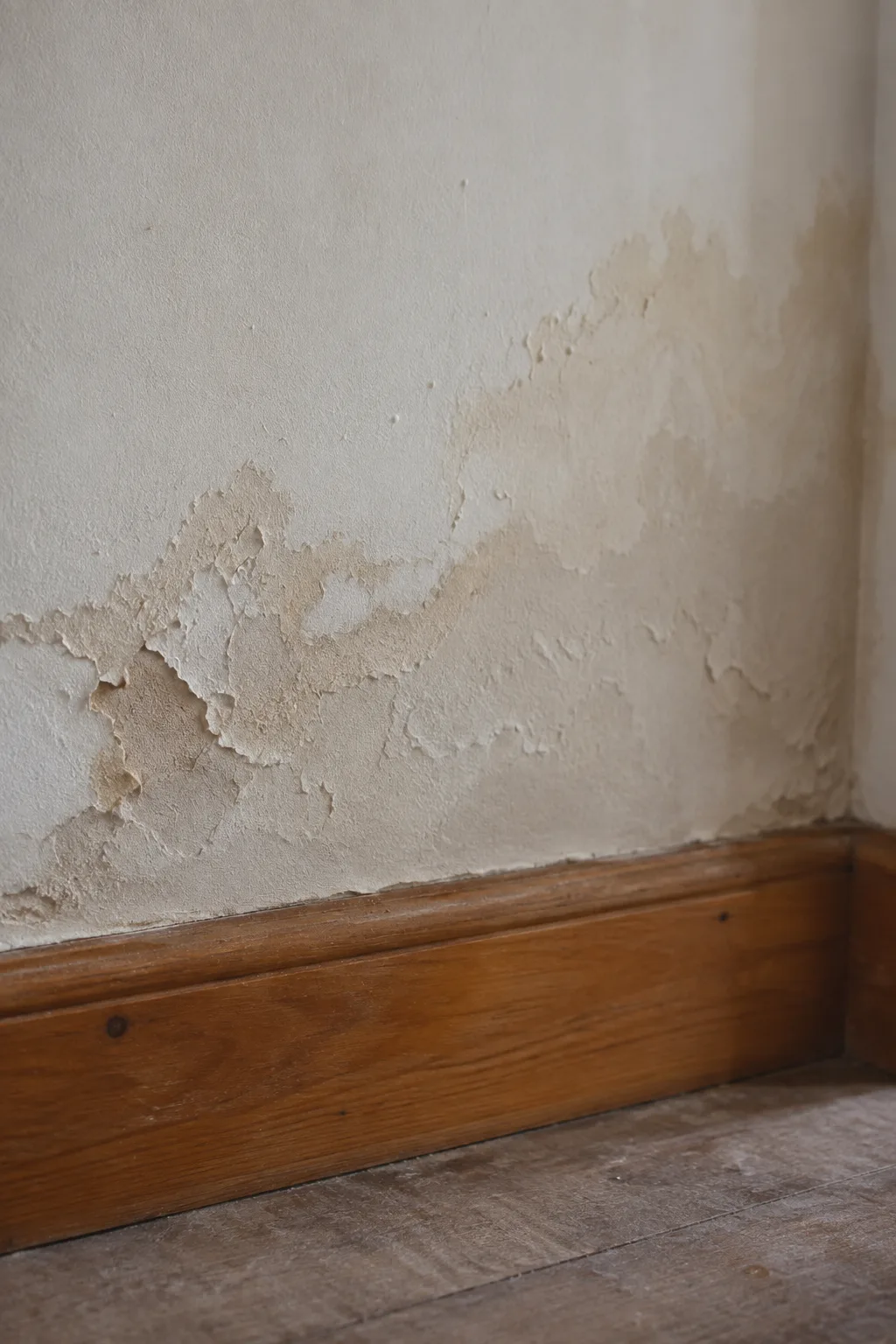
The windows may now clear while one wall patch persists. Visible growth may remain from earlier conditions, or new spots may continue to appear. Record those outcomes separately. Photograph the same positions and identify any new boundary, fresh wetting or material change. Appearance alone cannot establish whether every remaining mark represents active moisture.
Keep pictures from the period when laundry still dried there. They can show the original rack position and affected surfaces. An improvement in one symptom provides useful evidence about the room, while a separate stain may need its own source check. That distinction makes the next inspection more specific than describing the whole measure as either successful or unsuccessful.
Assess how the room works without the drying activity
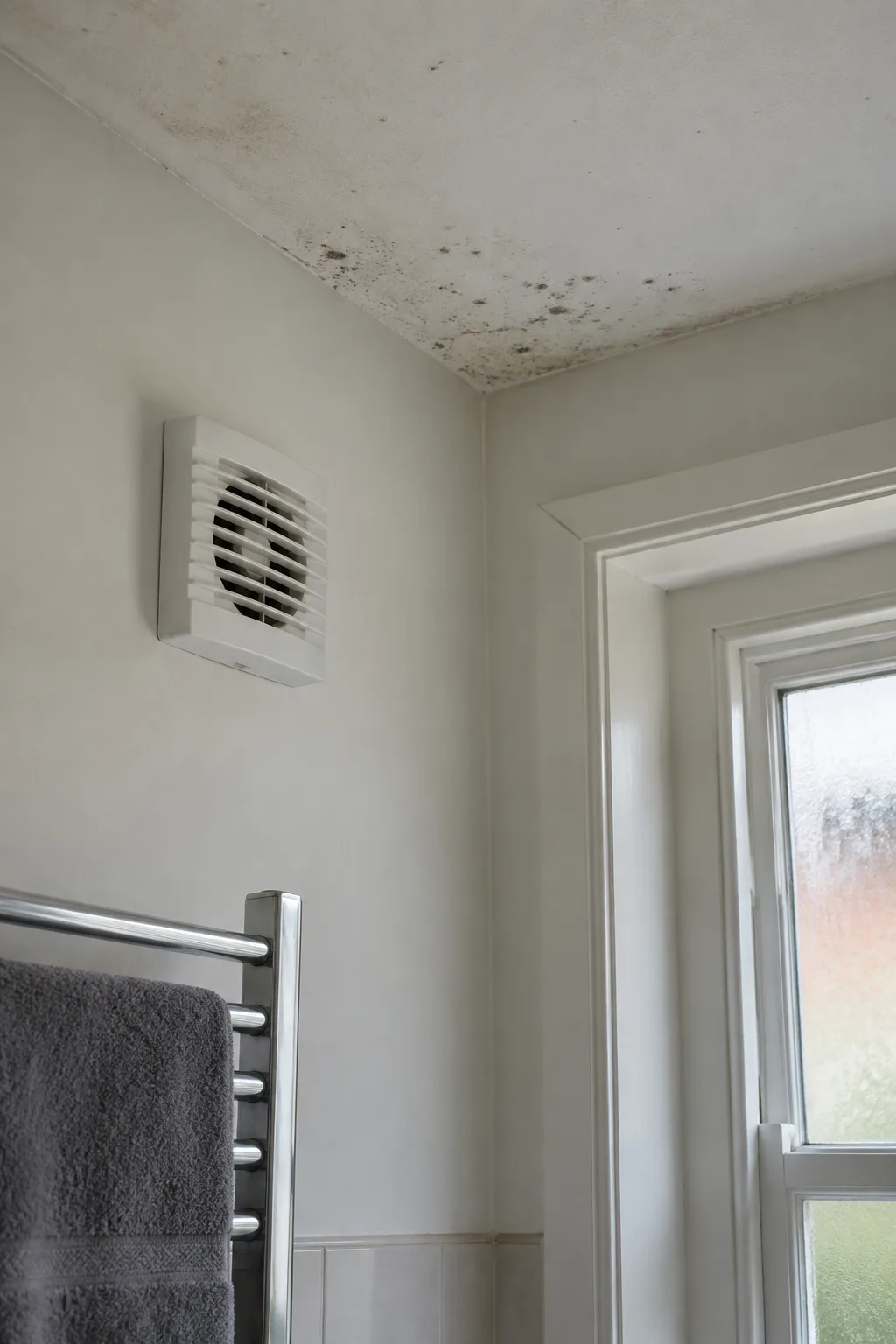
The occupied room still has moisture, heating and airflow conditions. Tell us about cooking or bathing connections elsewhere, the usual doors and ventilation provision. A review of the revised room conditions can consider whether repeated condensation remains at cooler surfaces despite the laundry change.
Photograph curtains, furniture and fixed storage in their ordinary arrangement. Checks of the remaining cold-surface growth can compare a window reveal or sheltered wall with nearby open areas. Removing the drying activity does not make all these locations behave identically, so recommendations should identify the surface each measure addresses.
Give a defined wet patch its own investigation
Report a stain that changes after rain, damage near plumbing or wetting that continues during periods away. Those observations need consideration independently of the old laundry routine. Include previous source repairs and identify which routes were checked. The presence of washing in an earlier photograph should not become a permanent explanation for every later wall concern.
Where the evidence suggests outside water, assessment of the relevant entry route may be useful. Concealed fittings or adjacent rooms may raise a different access question. Ask which observation supports the next check and what area it would help confirm before opening or repairing finishes.
Keep old damage separate from continuing wetting
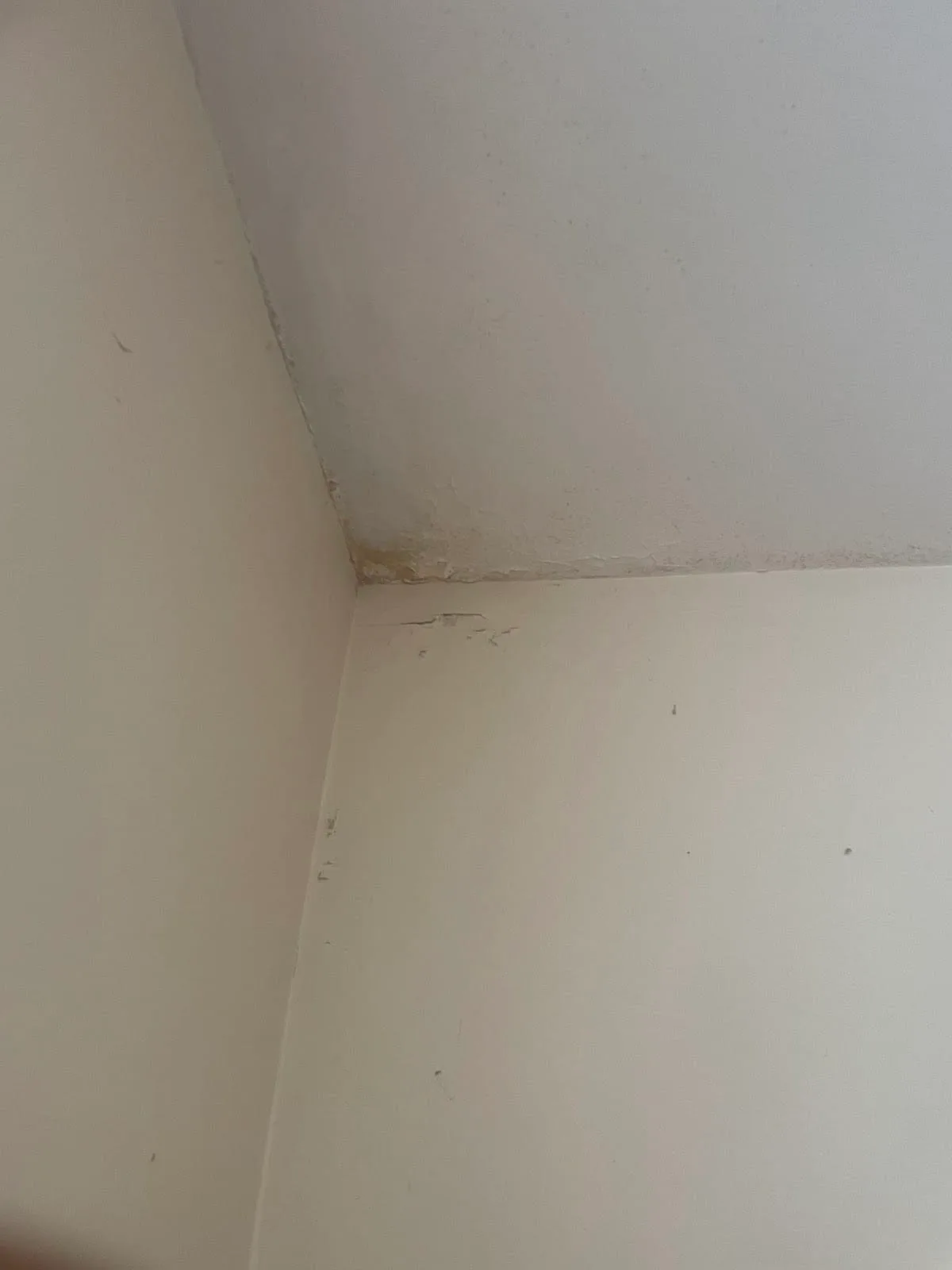
A wall can retain staining or damaged paint after conditions improve. The inspector should assess accessible materials and interpret readings with the history. A clear pane and a discoloured wall are different observations; neither should be used alone to declare all source questions answered. Note what has been cleaned or coated since the rack was removed.
If a lining or fixed unit obscures the original surface, state that before booking. Any proposed opening should have a specific question, position and reinstatement arrangement. Keep photographs of newly exposed material and record what remained unseen. These details help a follow-up add evidence instead of restarting from an old assumption.
Explain what another surface treatment would add
Treatment of the growth remaining in the room should consider extent and material condition alongside the present moisture findings. It has a different role from moving laundry or repairing a source. Ask how the agreed measures support the treatment and which surface needs a separate repair decision.
Keep the completed-work record and compare the same areas during ordinary room use. If a symptom changes, describe it by position and type. The practical result should be a next task based on the evidence after your earlier measure, with any uncertainty stated clearly before decoration covers the wall again.
PROPERTY & MOISTURE CHECKS
QUESTIONS BEFORE A VISIT
Useful questions
Why is an inspection useful after laundry has already been moved?
The change provides evidence, but it may address only one moisture contribution. A new assessment should use the results to investigate the symptoms that remain.
Does visible mould staying on the wall mean the room is still wet?
Growth or damage can remain visible after conditions change. Current wetting, new development and material observations need assessing separately from the old appearance.
What if the windows improved but one stain did not?
Record the two outcomes independently. That difference can help distinguish improved room moisture conditions from a patch needing another source or material check.
Should I recreate the old drying routine for the visit?
Describe the former arrangement and use photographs where available. Discuss the assessment setup first; there is no need to deliberately add moisture to reproduce the problem.
What should the next recommendation explain?
The remaining question, evidence supporting the proposed action and any access needed. It should account for the laundry change already made rather than repeat the same advice.
Nearby areas
Review the moisture that remained after the change
Call about the Battersea room with the laundry move date and the symptoms that changed or stayed. We can discuss a focused reassessment before further treatment.