DAMP & MOULD SPECIALIST
Damp and Mould Specialist Clapham
An empty rental offers a chance to examine the surfaces properly. Use that opportunity to investigate the cause of mould before preparing the property for its next occupants.
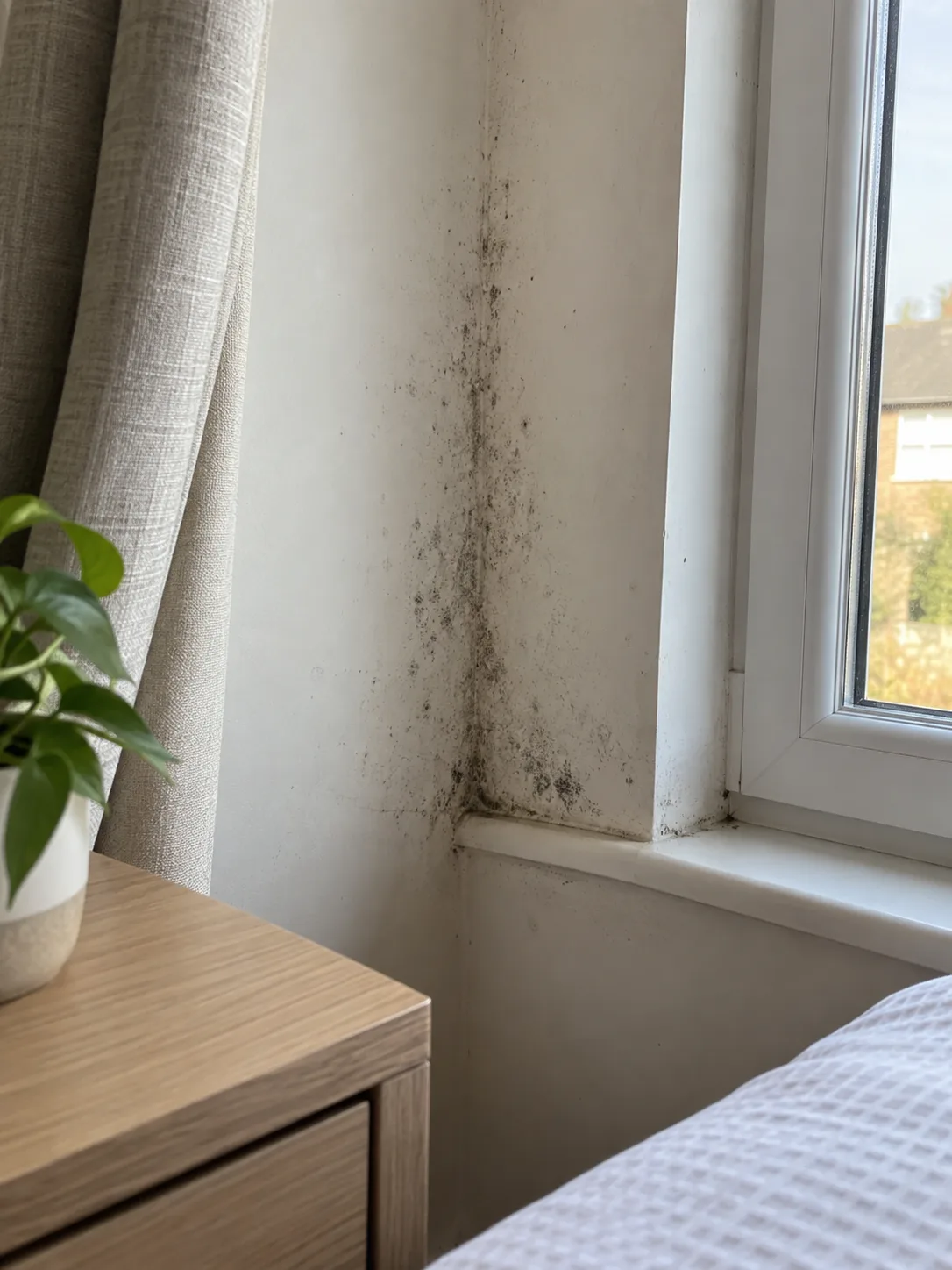
An empty property still needs its history
If a Clapham rental is between tenants, accessible rooms can make inspection easier. The missing piece may be the account of what happened while it was occupied. Photographs, messages and repair notes help show when condensation appeared, which surfaces stayed wet and whether the growth returned after cleaning. A dry room during a vacancy does not prove the earlier complaint had no building-related cause.
Gather the information before decorators cover the walls. Record which furniture stood against affected surfaces and whether ventilation controls were working. The aim is to understand the property conditions, not to assign responsibility from a single picture or from the fact that the mould is less visible now.
Ask for the dates of earlier complaints and repairs, including any occasion when the same mark returned. Distinguish a repair to an actual fitting from a visit that only cleaned the wall. That difference helps avoid recording a persistent source as already resolved. If the previous occupant is unavailable, state which parts of the history are missing. The vacancy observations can then be read with that limitation clear.
Check beyond the rooms named in the complaint
Start with the reported areas, then consider relevant neighbouring spaces. A bedroom mark might relate to moisture moving from a bathroom, while a wet ceiling could involve an upstairs fitting. Look at the accessible backs of cupboards, window reveals and skirting near the damage. Distinct stains and scattered mould should be recorded separately instead of combining them into one general description.
A property-based damp and mould report can organise the observations and recommendations. Discuss its intended use beforehand so the scope is clear. Inspection findings should not be presented as an automatic decision about who is legally responsible.
Vacancy changes the conditions being measured
Heating, ventilation and moisture production can change once a property is empty. Spot observations need that context. We ask how the flat was normally used, what repairs were attempted and which controls were available to the occupants. Absence of visible droplets during a vacancy does not exclude condensation during normal occupation.
Where that mechanism is relevant, checking the available ventilation provision helps distinguish property features from assumptions about use. The investigation should also retain other possible sources, including leaks and outside water entry.
Use accessible evidence before choosing a refurbishment
We compare damage patterns and relevant readings on the actual materials. Recent cleaning, new paint or replacement finishes may limit what can be inferred. Tell us exactly which work has already taken place, including work arranged by a previous tenant. Earlier records may be more informative than a wall that has been made visually uniform.
A focused investigation before redecoration helps identify further checks where the source remains uncertain. Opening or replacing materials should follow a defined question, especially if the visible condition alone cannot establish what is happening behind them.
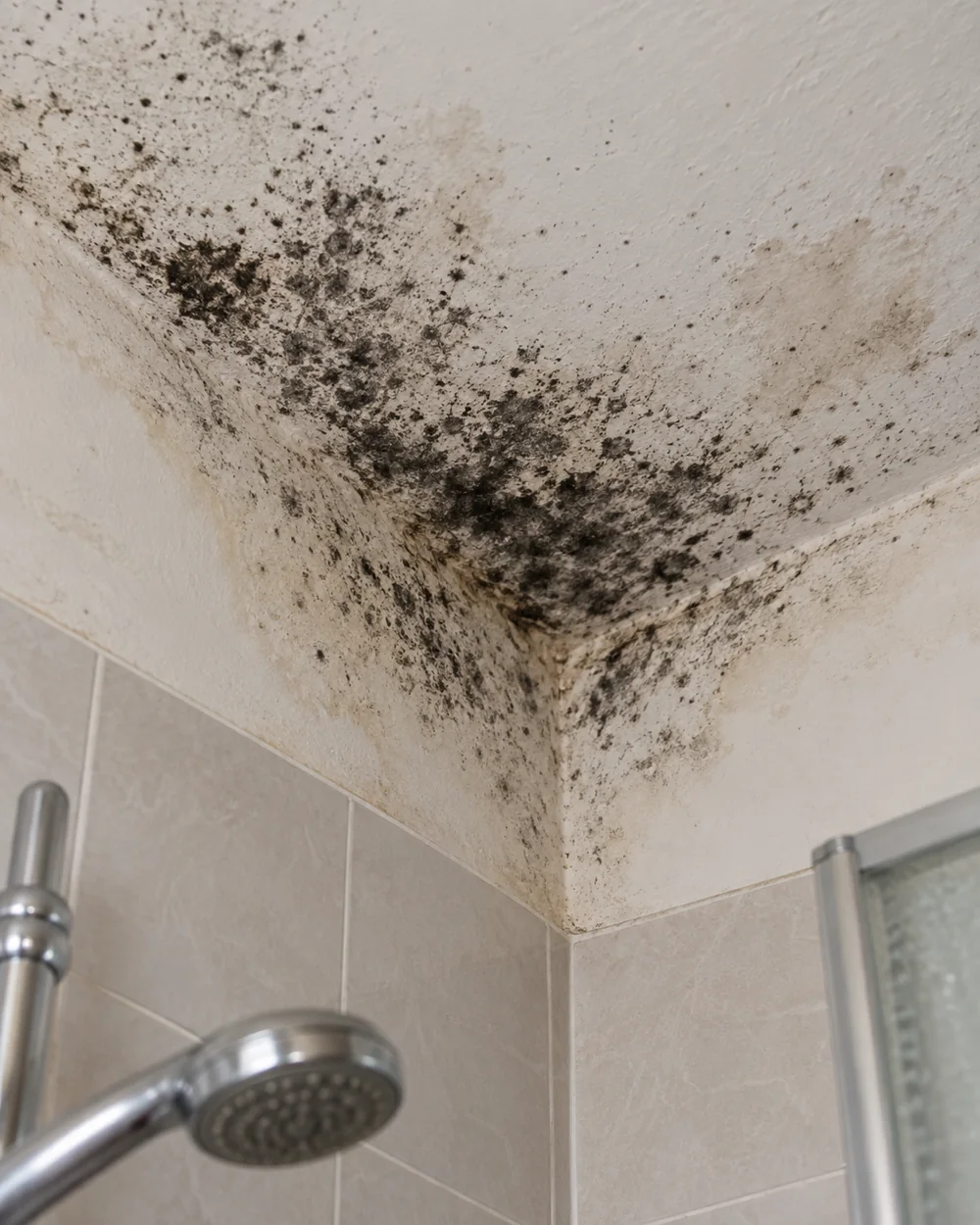
Build the source work into the turnaround plan
Treatment of the affected rental surfaces should be coordinated with any moisture-related repair. Cleaning may improve appearance, but a leaking fitting or ineffective extraction arrangement needs its own action. Repainting the same wet corner between occupants is not a durable answer to a recurring problem.
Before furniture and new finishes conceal areas again, consider their condition and whether further assessment is needed. Keep a record of the repairs, treatment and access limits. That gives the next occupant and the owner a clearer starting point if a concern is reported later.
Make the handover information practical
Explain the location and ordinary operation of ventilation controls and record any outstanding maintenance. A simple handover is more useful than vague instructions to keep the property aired. If further access through another flat or building area is required, record who is arranging it. The handover should leave the next occupant with usable ventilation information and the owner with a record of any source check or repair still outstanding.
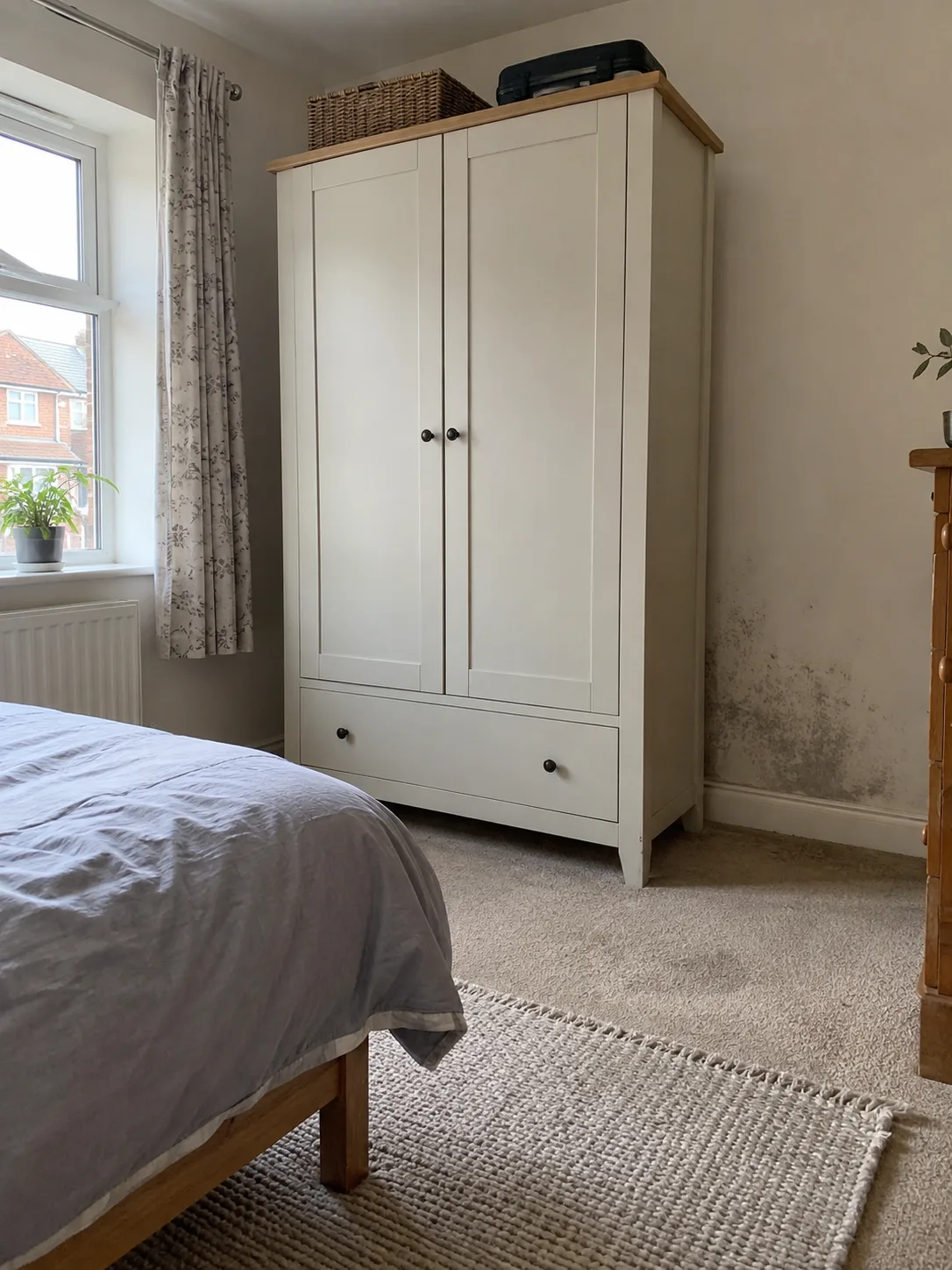
PROPERTY & MOISTURE CHECKS
QUESTIONS BEFORE A VISIT
Useful questions
Is an empty rental a good time to inspect mould?
Access may be easier, but the previous occupants’ account remains valuable. Vacancy can change moisture conditions and obscure how the problem arose.
Can we clean everything before the inspection?
Preserve photographs and leave relevant evidence visible where practical. Explain any cleaning already completed so the assessment can acknowledge its limits.
Does a report decide whether the tenant caused the problem?
It records property observations and findings within its scope. It should not be treated as an automatic decision about responsibility.
Why check ventilation when the windows are currently dry?
The property may not be producing its usual moisture while empty. The available ventilation still matters for future normal occupation.
What should be kept after the refurbishment?
Keep the inspection findings, repair records and treatment details together, including any unexamined areas or further checks still recommended.
Nearby areas
Check the rental before it is covered up
Call about your Clapham property with the complaint history and planned refurbishment. We can discuss an inspection that fits the outstanding concerns.