DAMP & MOULD SPECIALIST
Damp and Mould Specialist Vauxhall
Several occupants may have noticed different parts of the same property. Bring those accounts together before deciding that every mould mark has one cause.
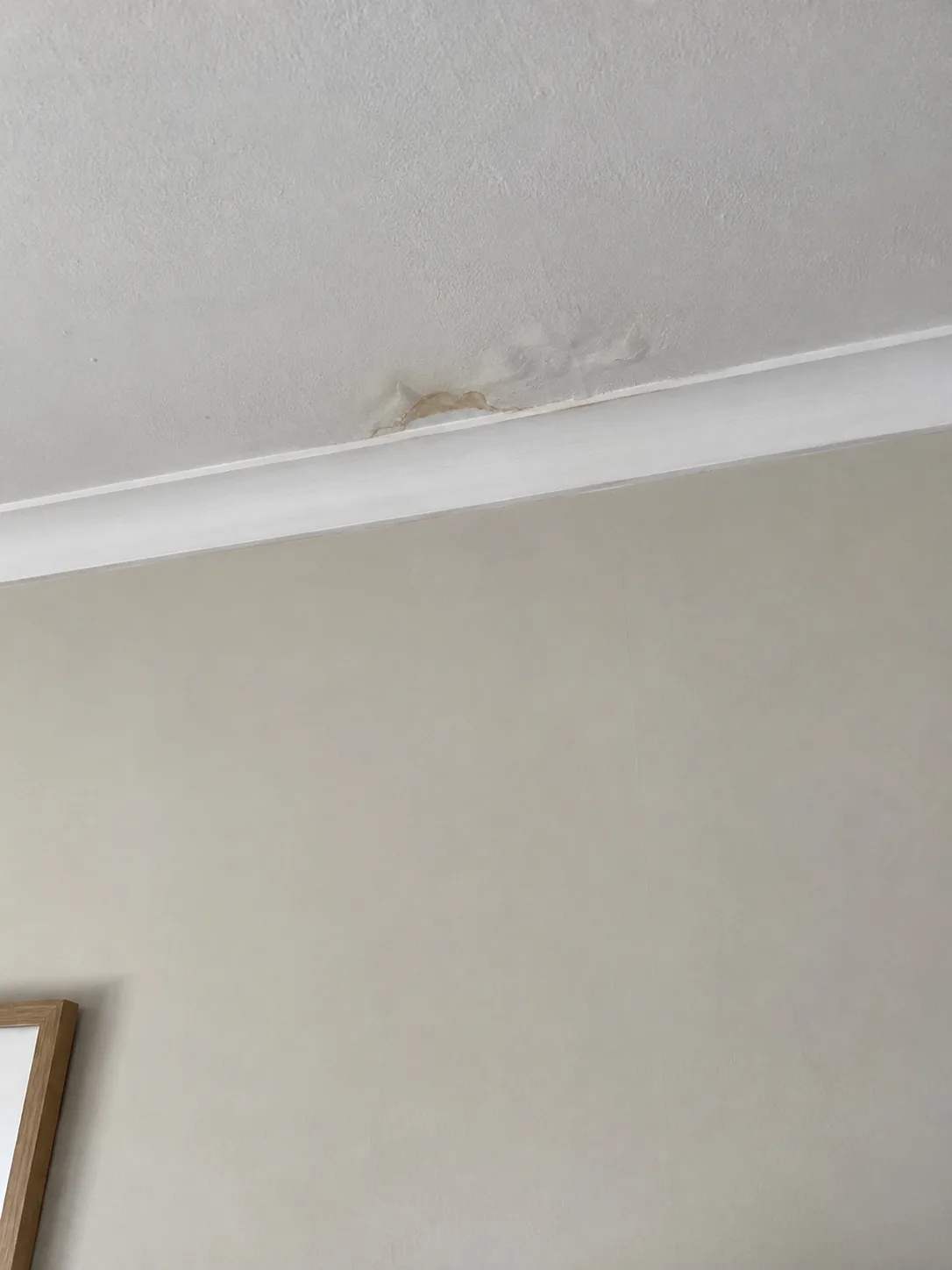
Give each affected room its own history
In a shared Vauxhall flat, one occupant may notice wet bedroom windows while another reports a bathroom ceiling stain. Collect each room’s location, timing and cleaning history, with dated photographs where available. Label the accounts separately before combining them into the property record. Their differences help the inspector compare the moisture conditions across the home.
A damp and mould report for a shared rental can record relevant findings within the agreed scope. Discuss who is arranging the visit, who can approve work and which occupants can provide information. The assessment should relate to the property’s condition and observed moisture, not infer responsibility from who occupies a room.
Plan access to the bedrooms that matter
A shared home can have several locked rooms even when someone is available to open the front door. Arrange permission and entry for every affected space beforehand. Ask occupants to make relevant surfaces reasonably visible without disturbing damaged materials. An unseen bedroom should not be described as assessed because the adjacent one was accessible.
If somebody cannot attend, a short written account and contextual photographs can help. Include when windows become wet, whether a patch changes after rain and what has already been applied. Record any temporary changes made before the visit. Freshly opened windows or moved furniture may affect the observed conditions compared with normal room use.
Shared moisture does not make every surface identical
Cooking, bathing and indoor laundry can add moisture to a home, while individual rooms differ in temperature and airflow. Assessment of ventilation between the shared rooms can consider extraction, internal air routes and colder surfaces. Explain the normal bedroom-door arrangements and privacy needs. Discuss ventilation measures that fit the actual occupied layout.
A distinct ceiling stain or a damp patch beside plumbing may still have a separate source. Investigation of unexplained moisture patterns can consider those areas alongside the condensation picture. Findings should explain the evidence for each proposed cause and any concealed location that needs further checks.
Make the information usable by one decision-maker
Agree one contact to collect room accounts and relay the findings to the person arranging repairs. Label photographs by room and include a wider view showing the mark’s position beside a corner, opening or adjoining space. That keeps similar-looking damage at different locations identifiable and helps occupants receive a consistent account of the agreed next steps.
Share earlier repair details, particularly if the same issue has been reported more than once. The fact that someone cleaned a room is different from source work being completed. If a fan, window or fitting has changed, say when. Use that history to review the earlier explanation against current evidence. State which source checks actually took place and what they established.
Where occupants report different cleaning routines, record the surfaces, dates and products. Those details help interpret appearance without judging occupants from a recently wiped wall. A clean appearance may simply mean a recent wipe. The inspection needs to interpret each room against its own history and material condition, so useful evidence is preserved without turning the complaint into a judgement about the people living there.
Coordinate treatment without losing the source work
Mould treatment across the affected rooms should define the surfaces included and the preparation needed. Different material conditions may require different decisions. Treatment of a bedroom wall does not correct a bathroom leak, and a shared ventilation measure does not establish that every damp patch has dried.
Ask how source checks, repairs, treatment and finishing should be ordered. Give occupants practical access information for the agreed work and keep the findings available afterwards. If new marks appear, report their location, timing and any material change. The earlier findings and completed work provide context for assessing the new evidence. The property record should make the next enquiry clearer, not create a blanket explanation for future complaints.
PROPERTY & MOISTURE CHECKS
QUESTIONS BEFORE A VISIT
Useful questions
Must every occupant attend the inspection?
Not necessarily, but access and their relevant observations should be arranged. A written room history can help where attendance is not possible, provided its location and timing are clear.
Can one tenant arrange entry to all rooms?
Do not assume so. Confirm the access arrangement and permissions in advance so each affected space can be inspected within the agreed scope.
Will the report decide which occupant caused mould?
It should describe the inspection findings and limitations. It is not an automatic decision about legal responsibility, and property conditions need consideration alongside daily moisture use.
Should photographs be labelled by bedroom?
Yes. Room labels and wider views help connect images to the layout and prevent different patterns being mistaken for the same patch.
Can treatment be planned for more than one room?
Discuss all affected spaces when calling. The scope depends on the findings, surfaces and access, with any source repairs considered alongside the treatment.
Nearby areas
Bring the shared-flat complaint into one clear plan
Call with the Vauxhall address, affected rooms and access arrangements. Tell us who can gather the occupants’ accounts and approve the next work so the assessment leads somewhere useful.