DAMP & MOULD SPECIALIST
Damp and Mould Specialist Westminster
A bedroom wall that needs cleaning every few weeks is asking for a closer look. We investigate the wetting behind the marks and explain what needs to change.
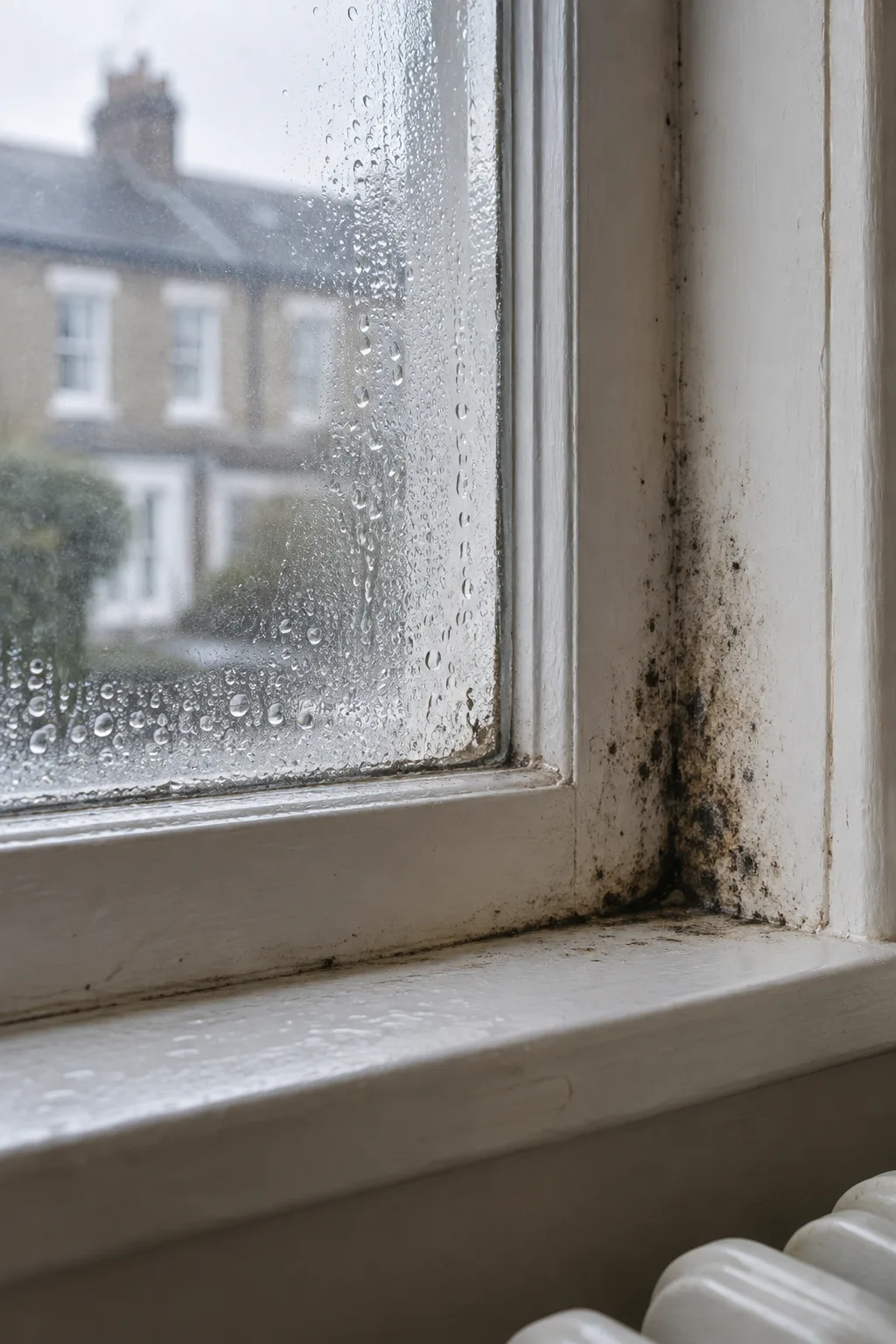
The wall looks clean, then the spots return
If your Westminster bedroom develops mould behind a bed or wardrobe, the first question is why that particular surface stays damp. Cleaning removes visible growth, but a wall can continue to receive moisture through condensation, water entering outside or a concealed leak. Photograph the furniture in its usual position so we can assess the sheltered space and compare it with the exposed wall. Describe when the marks first appeared and how quickly they returned after the last clean.
Before moving everything, take photographs of the whole wall and the affected corners. A close-up alone loses the relationship between the mould, window and room layout. You can then pull movable furniture forward enough to make the surface accessible. Do not strip the wall or paint over the marks just to prepare for a visit; its condition helps us decide what to examine.
Compare the affected corner with the rest of the room
A focused moisture investigation considers the wall material, visible damage and readings in nearby areas. We compare the readings across the corner and adjacent wall, then relate them to the visible damage and material. A damp patch concentrated below a pipe route raises different questions from small spots spread along a cold external corner. Access matters too: a cupboard, fixed unit or adjoining room may limit how much can be checked.
Tell us how the bedroom is heated, whether the door stays shut and whether washing dries there. These are practical observations about moisture movement. They do not excuse a building defect or justify a conclusion before the inspection. If the signs suggest more than one cause, the recommendations should distinguish what has been observed from what still needs confirmation.
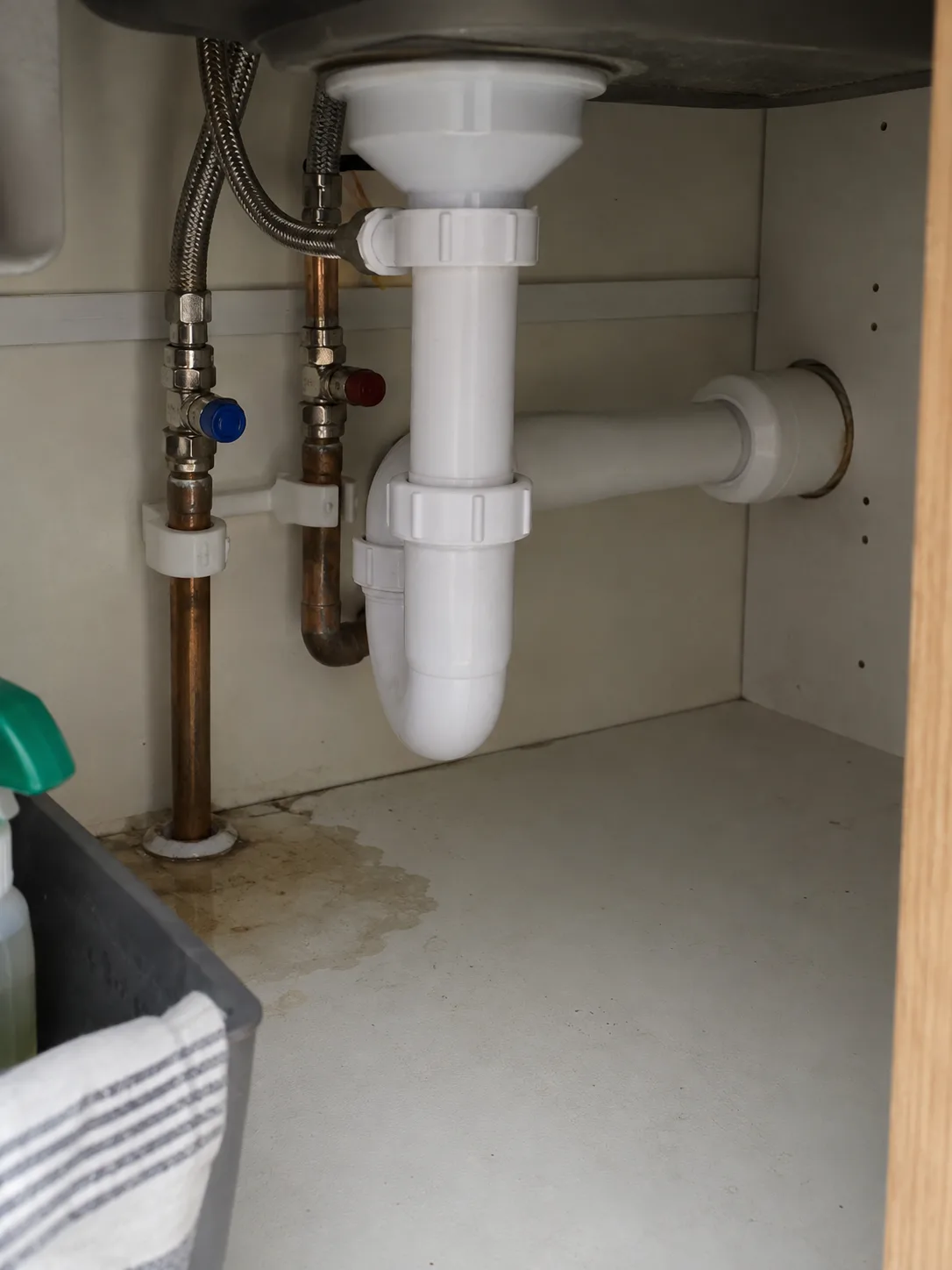
Why the space behind a wardrobe can behave differently
Air circulates less freely behind large furniture. If the wall is cooler than the room, moisture from indoor air may collect there even when the centre of the room feels comfortable. A check of condensation and airflow can help establish whether ventilation, surface temperature and moisture production are working against one another. Simply buying stronger cleaning products does not answer that question.
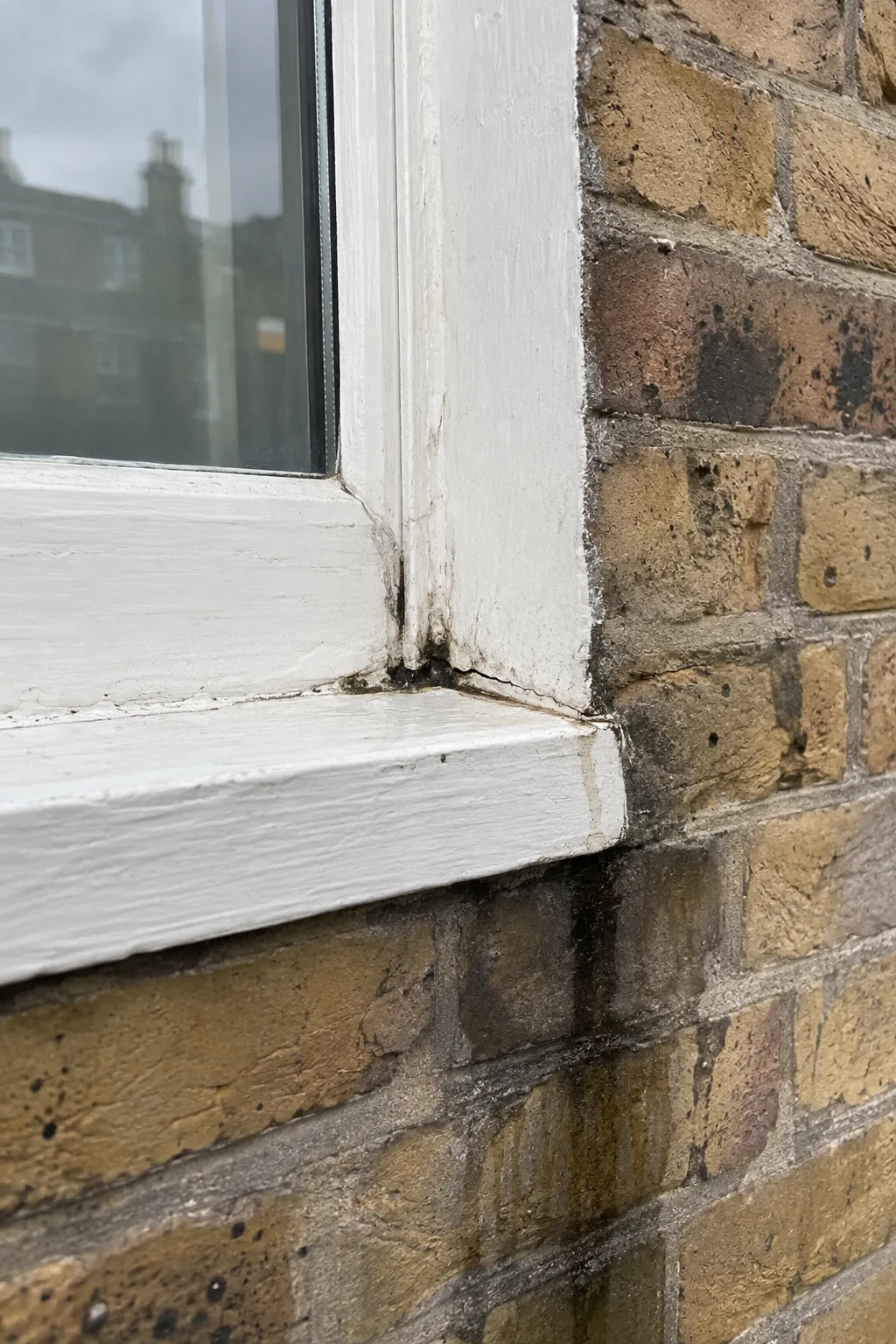
A rainfall connection deserves separate attention. Check whether staining changes after wet weather, particularly around the window opening or at the ceiling edge. If it does, investigating water entry through the building may be more relevant than concentrating on the wardrobe. Interior decoration can hide the route that water has followed, so the stain need not sit directly beside the entry point.
Treatment should follow a reasoned explanation
Once the findings are clear enough, treatment of the affected mould can be planned alongside measures that address repeated wetting. The surface condition influences the work: sound paint, damaged plaster and a repeatedly soaked finish should not be treated as identical. Ask which tasks can proceed now, which depend on a repair and what will need checking during drying.
Make the next visit useful
For a rented bedroom, arrange access with the occupant and identify who can approve further work. Keep the tenant’s description of cold areas, wet windows and recurring marks with the photographs. If you need a written record, discuss the scope of a property report for the landlord before booking. The report should give the landlord a clear account of the room condition, the work recommended and any questions still open.
Watch the conditions, not just the fresh finish
After treatment or repairs, compare the room under normal use. Note whether glass remains wet, whether the wall develops new staining and whether moisture still collects behind furniture. Drying and decoration are separate stages. A surface that looks better on the day of cleaning may still be receiving water, and that should be reviewed before an expensive new finish covers the evidence.
Keep the cleaning history alongside the bedroom observations. Record which wall areas were treated and where growth first returned, including any clear surfaces between them. A repeated outline can help direct checks, while marks elsewhere may raise a separate source or airflow question. The next inspection should build on that history and explain which wetting conditions still need attention.
PROPERTY & MOISTURE CHECKS
QUESTIONS BEFORE A VISIT
Useful questions
Should I move the wardrobe before you arrive?
If it can be moved safely, access to the affected wall is helpful. Photograph its original position first and mention any furniture that cannot be moved.
Does a cold bedroom corner prove condensation?
No. It supports a line of investigation, but leaks and external wetting may create similar damage. The inspection compares the pattern with other evidence.
Can mould grow behind a bed without wet windows?
Yes. A particular wall can be cold or poorly ventilated even when obvious water is absent from the glass. Window condensation is only one observation.
Will repainting with a different paint fix this?
Paint does not remove a continuing source of moisture. Establish why the surface is getting wet and whether the underlying finish is suitable before choosing decoration.
What information helps with a returning bedroom problem?
Dates, photographs before cleaning, heating habits and changes after rainfall help establish the sequence. Also mention recent plumbing, window or insulation work.
Nearby areas
Talk through the bedroom problem
Call with the Westminster address and tell us where the mould returns. We can discuss the inspection and the access needed.