DAMP & MOULD SPECIALIST
Damp and Mould Specialist Belgravia
The lower-ground room has already received damp work, but the wall still causes concern. Establish what was installed, what it addressed and which moisture question remains.
A room below street level needs a careful starting point
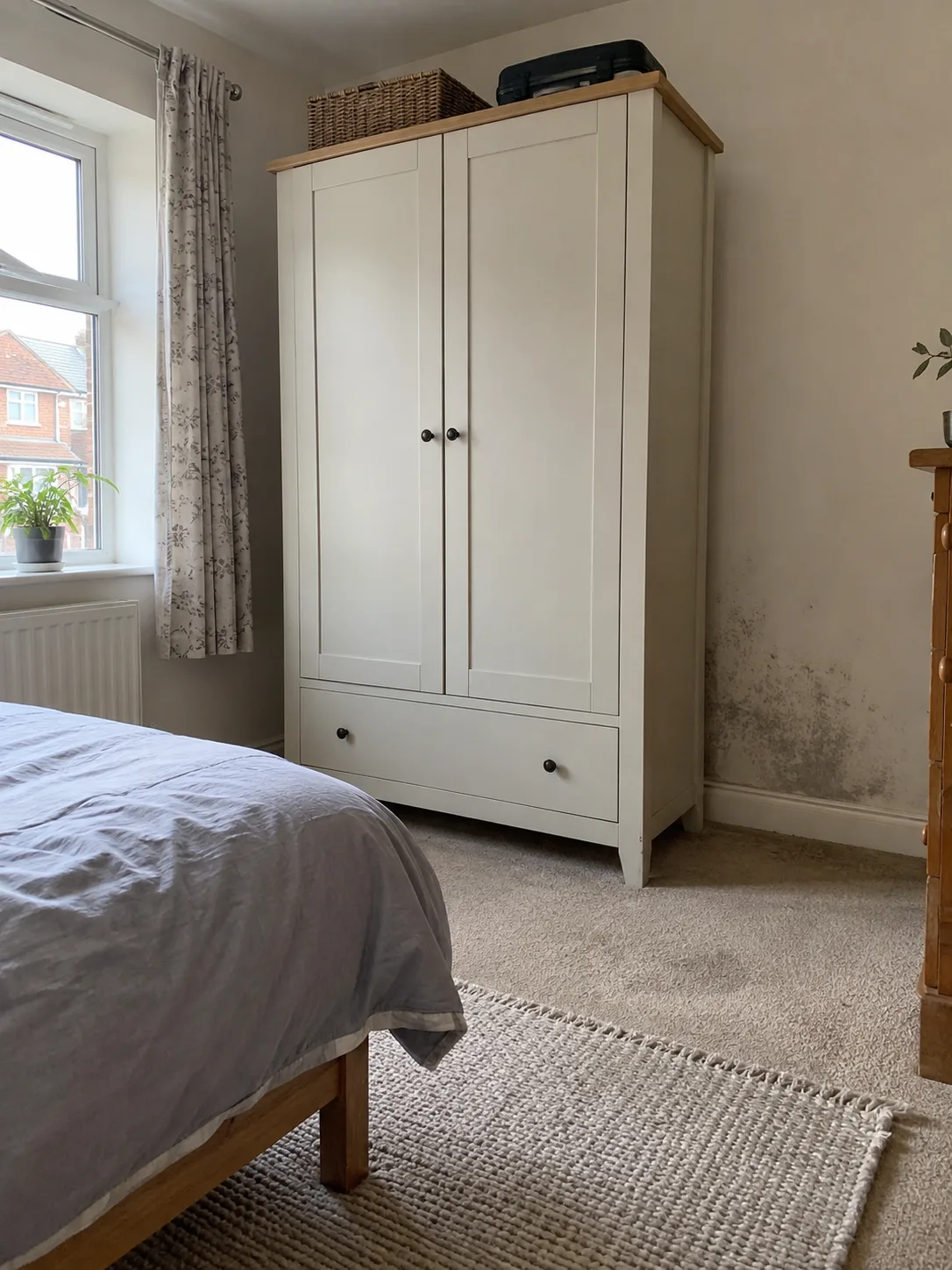
For a Belgravia property with a basement or lower-ground room, damp along the wall can have several explanations. Water may enter through the construction, a fitting may leak, or indoor moisture may condense on a cool surface. Include the floor edges and external boundaries in the enquiry, together with any plumbing or condensation signs elsewhere in the room. Avoid assuming every low wall mark means the same thing or that a new lining is automatically the answer.
Tell us whether the room is used as a bedroom, office, store or occasional space. A room that is heated and occupied every day behaves differently from one opened only at weekends. Note the time of year, changes after heavy rain and whether the floor or wall feels wet. Those details help separate a persistent source from conditions that vary with use.
Follow the moisture across the boundaries
During a damp investigation, we follow the marks along exposed wall and floor junctions, taking readings where the material can be tested. The material being tested matters. Salts, concealed construction and new coatings can complicate a reading, so numbers must be considered alongside the visible condition. A meter cannot tell the complete history of a lined wall that cannot be seen.
Bring details of previous remedial work if you have them. Drawings, invoices or photographs showing what lies behind a finish may explain the intended arrangement. If a lining hides the part central to the concern, we explain what remains unknown and the specific opening or record that would help. Do not remove a fixed lining in advance without discussing the reason and the practical implications.
Rain, drainage and plumbing are separate questions
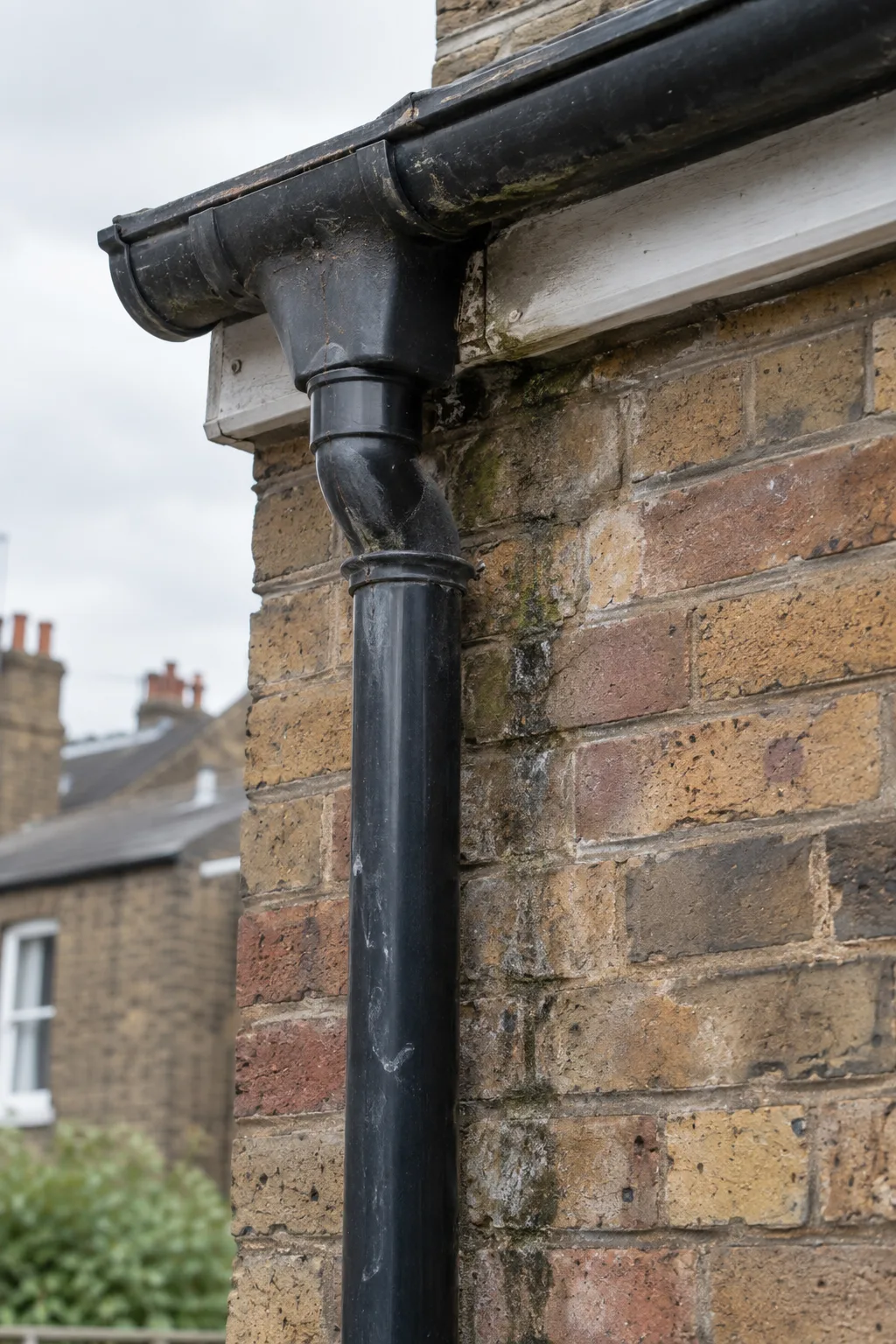
If wet weather changes the stain, describe any lightwell, external opening or drainage feature actually present beside the room. Checks for external water ingress compare the internal symptoms with accessible entry-route clues and the earlier remedial records. Where a relevant detail needs closer access or another contractor, identify that question before choosing further repairs.
Damp that continues regardless of rain may need investigation around services. A pipe can lose water behind a wall without producing a visible drip indoors. Checking for a concealed water source helps narrow the concern, although opening up may still be necessary to confirm a hidden fitting. Be prepared to explain any recent bathroom, heating or kitchen changes.
An enclosed room can have a second moisture problem
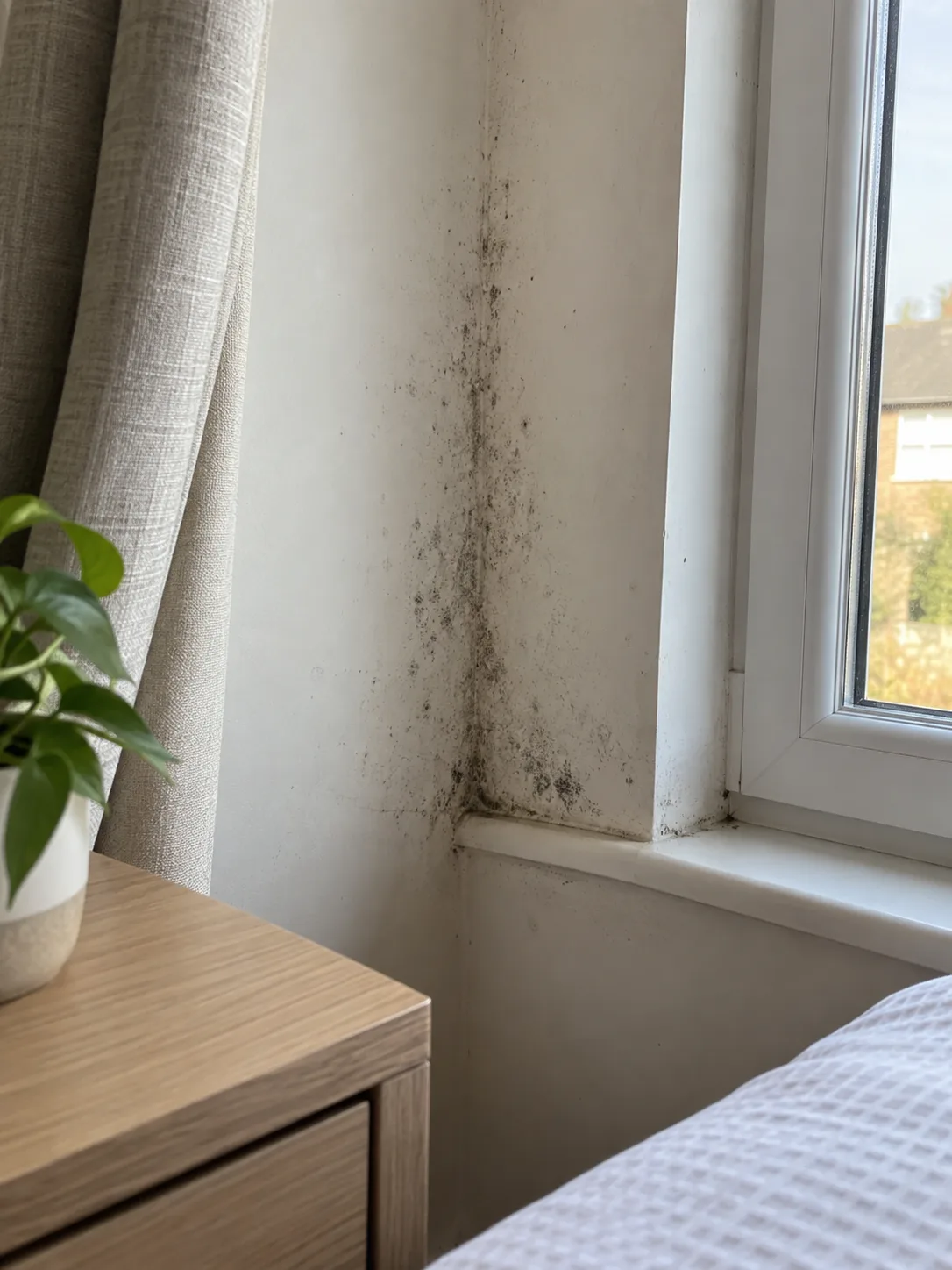
Even after an external fault has been repaired, a cool lower-ground room may collect condensation. Closed doors, drying laundry and limited air movement can contribute. A review of moisture and ventilation considers the room as it is actually used. It should not replace investigation of visible water entry; both issues can exist together, and solving one may leave the other apparent.
Agree the repair sequence before choosing finishes
The next steps depend on what is found. They may involve a plumbing repair, closer external investigation, ventilation changes or treatment of affected surfaces. Where mould is present, discuss the appropriate removal and treatment with the condition of the substrate in mind. Decorative work belongs after the moisture strategy has been agreed and the surface has been assessed for finishing.
Keep a simple record while the room is checked
A dated photograph after rainfall and another during a dry spell can be useful. Record what the room was used for and whether ventilation was operating. Avoid repeatedly changing several things at once, as that makes improvement harder to interpret. If a treatment has already failed, share exactly what was done; a vague description such as ‘damp proofed’ can refer to quite different work.
Also note whether stored items touch the wall or floor. Cardboard, shelving and closed cupboards can hide the first signs of wetting and restrict access. Photograph their original arrangement before clearing a route. If the room has a separate entrance or external opening, mention it when arranging the visit so the relevant accessible boundaries can be considered in the agreed inspection.
PROPERTY & MOISTURE CHECKS
QUESTIONS BEFORE A VISIT
Useful questions
Is every basement damp patch water coming through the wall?
No. Condensation and plumbing leaks can occur in lower-ground rooms too. The location is relevant, but the moisture pattern and surrounding conditions need checking.
Can you assess a wall covered with a lining?
Accessible surfaces can be assessed, but a lining limits conclusions about concealed construction. We explain whether additional access would be needed to establish the cause.
Should I bring paperwork from an earlier damp treatment?
Yes. It may identify the system, intended drainage and areas treated. Photographs taken during the original work can be particularly helpful where finishes now hide it.
Why is the room still musty after decorating?
A fresh finish can conceal marks while moisture remains in materials or continues to enter. Describe where the smell is strongest and any wet surfaces nearby; those observations help decide what to check behind the fresh finish.
Can a dehumidifier settle the question?
It may reduce moisture in the air but does not prove how a wall became wet. A change while it runs needs to be interpreted alongside the inspection.
Nearby areas
Before you replace the lower-ground finish
Call to describe the affected room in Belgravia and any previous work. We will discuss a sensible scope for investigation.