DAMP & MOULD SPECIALIST
Damp and Mould Specialist Victoria
An enclosed kitchen can leave moisture elsewhere in a flat. We investigate the affected rooms and explain what needs attention before the walls are treated.
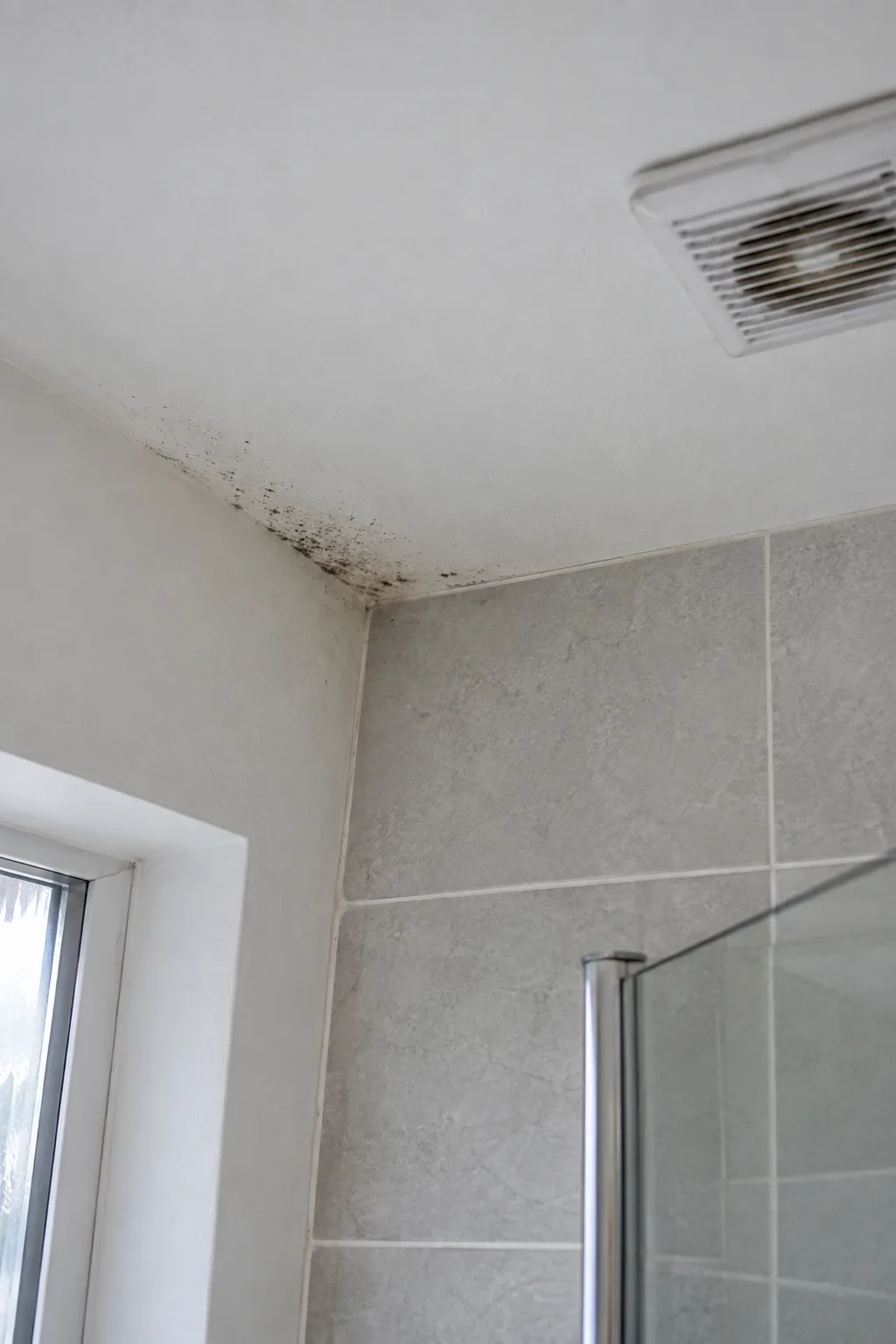
Start with the layout of the flat
If your Victoria property has a kitchen set away from an external wall, the route taken by warm, damp air deserves a closer look. Steam may leave the kitchen through a doorway and settle on a cooler bedroom wall. That does not mean every stain elsewhere in the flat comes from cooking. The arrangement of the rooms gives us a starting point, alongside the position of plumbing, outside walls and ventilation outlets.
Think about changes since the problem began. A replacement kitchen, a blocked vent or a door that is now kept shut can alter moisture movement. Tell us which rooms are affected, where water collects and what happens when the kitchen has not been used. These details are often more useful than a general description of the flat as damp.
Follow the marks beyond the kitchen
Mould at a bedroom corner, droplets on a window and a stain below a kitchen cupboard are three different clues. Their appearance alone cannot establish one shared cause. Note whether the window dries during the day, whether the cupboard base feels wet and whether the bedroom mark spreads after cooking. Keeping a few dated photographs helps preserve that sequence without covering the surfaces with new paint.
For moisture concentrated near sinks or appliances, checking the kitchen fittings and ventilation together helps avoid treating a plumbing issue as everyday steam. An accessible pipe joint can be checked directly; a concealed connection may need a different investigation.
What the inspection needs to distinguish
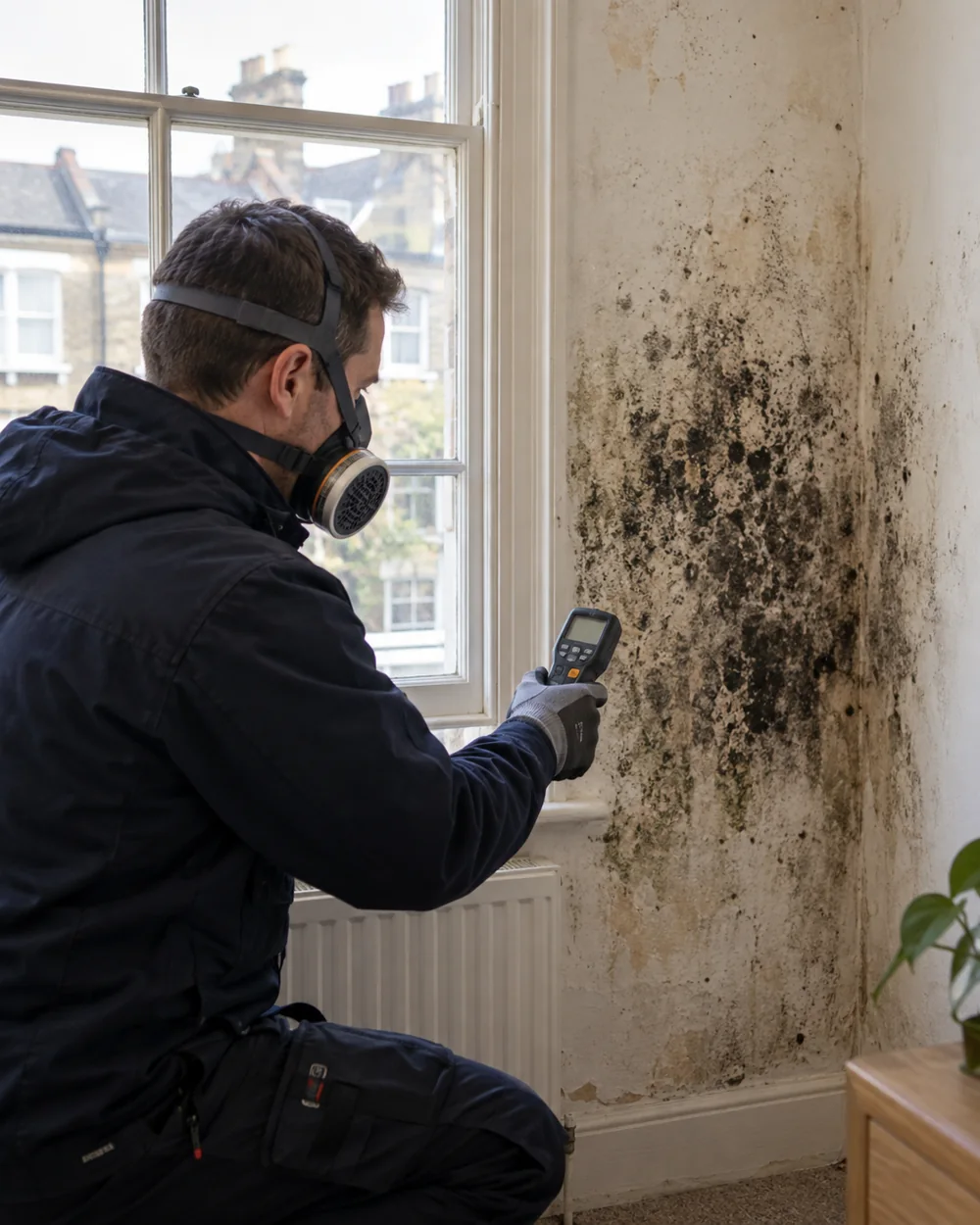
We look at the visible damage, compare readings on accessible surfaces and discuss the pattern of use. Condensation, water from a fitting and external ingress can coexist. A moisture meter can help map the affected area, but the material and surrounding construction matter when interpreting it. A high number on one spot does not tell us where the water entered or establish the repair by itself.
The assessment also considers the exhaust route. A fan that makes a noise is not proof that air is leaving the property effectively. Restrictions, the available replacement air and moisture passing into adjacent rooms can all affect the result. A review of extraction and air movement is useful when surfaces repeatedly become wet after ordinary kitchen use.
Access can change what is possible
Cupboards, fitted panels and neighbouring flats may limit what can be seen. Before the visit, tell us if the affected wall backs onto another kitchen or if there has been a previous leak upstairs. Please do not dismantle fittings simply to create access. We can explain which observations are possible and whether another contractor or permission from the building manager is needed to examine a concealed source.
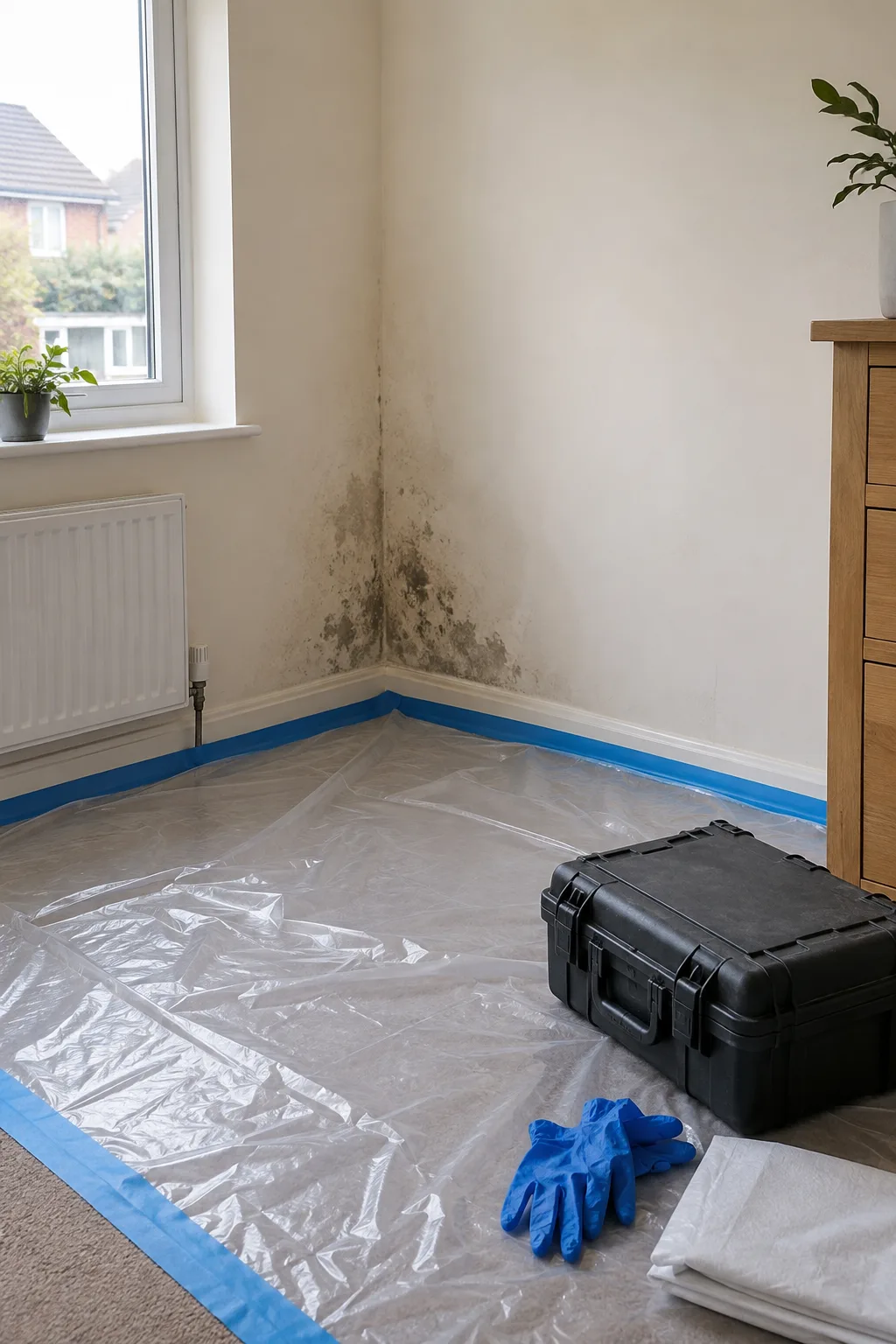
Treat the surface after the cause is understood
If there is visible growth, treatment of the affected walls can be planned around the surface condition and the moisture findings. Cleaning a bedroom wall while leaving the kitchen moisture route unchanged may leave the same corner vulnerable. Conversely, installing more ventilation will not repair a leaking appliance connection. The order of the work should follow the evidence found in the property.
After a repair, a surface may still contain moisture. We discuss the condition of plaster and paint before recommending decoration, and explain which areas need checking again. If the source remains uncertain, a focused moisture investigation is the sensible next step before spending money on finishes.
Bring the household and building arrangements into the plan
In a rented flat, the occupant can describe when the symptoms appear while the owner arranges authorised work. In a managed building, alterations to shared ventilation or access through another unit may need coordination. Clear photographs, the flat layout and a record of previous repairs make that conversation easier. We explain what the inspection supports, what remains unconfirmed and which action should come first.
PROPERTY & MOISTURE CHECKS
QUESTIONS BEFORE A VISIT
Useful questions
Could kitchen steam explain mould in another room?
It can travel through the flat and condense on cooler surfaces. The inspection still needs to rule out a separate source of moisture in that room.
Should I turn the extractor on before the visit?
Tell us how it is normally used and which controls are available. Seeing that routine helps relate the fan operation to the kitchen wetting you have described.
Is a damp cupboard always a leaking pipe?
No. A fitting, condensation or moisture from a neighbouring surface can be involved. The exact position and accessible connections need checking.
Will fitted kitchen panels have to come off?
That depends on the evidence and agreed access. We explain when concealed areas prevent a firm conclusion before discussing further opening.
Can I repaint the bedroom corner now?
Leaving the mark visible helps the assessment. Decoration should follow the moisture work and a check that the underlying surface is ready.
Nearby areas
Discuss the damp in your Victoria flat
Call with the affected rooms, kitchen arrangement and any previous repairs. We can help establish the scope of the inspection.