DAMP & MOULD SPECIALIST
Damp and Mould Specialist Pimlico
The wall stayed clear while the bedroom was empty, then marks appeared after the furniture returned. That sequence is worth investigating before another clean or a different paint.
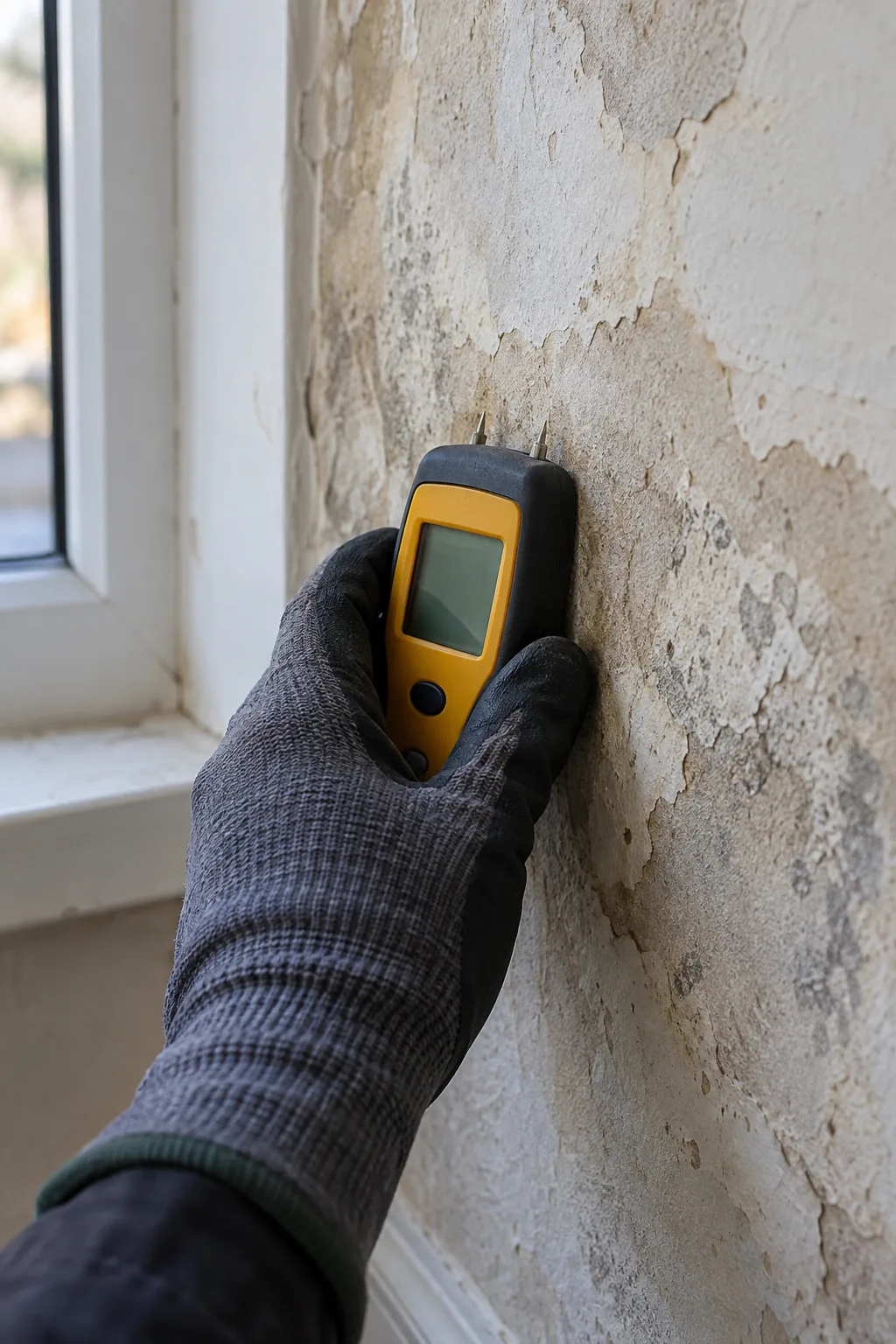
Keep the empty-room and refurnished-room history separate
If this happened in your Pimlico home, record when the room was cleared, decorated and put back into use. Note which furniture returned and where it now stands. An empty room often has different heating, airflow and moisture conditions, so its clear appearance is useful history without proving the decorated wall was free of a moisture problem.
Take photographs showing the bed head, curtains and marked corner together. Include older images from before decoration if available. A bedroom moisture investigation using that sequence can compare the present surface with what was exposed during the work. Explain any leak repair completed at the same time, so its evidence stays separate from the furniture changes.
Record what is wet when the bedroom is normally used
Notice whether droplets appear on the window, the wall corner or both after the room has been occupied overnight. Check again during ordinary daytime use without creating a special experiment. Record which surface dries and which stays marked or wet. You do not need exact measurements to describe that pattern, and you should not deliberately add moisture to reproduce it.
Curtains closed at night can enclose the reveal, while a bed head may screen another wall section. Checking the reveal and the sheltered bed-side wall helps relate those local conditions to the room. A clear window after wiping provides only one observation; photograph the wall as a separate surface.
Assess the arrangement the bedroom needs to keep
Tell us which parts of the layout are practical to change. A bed may have limited alternative positions, and curtains may be needed for privacy. The inspection should account for those needs. We examine the affected surface, its relationship to furniture and the available room ventilation, then explain the reason for any proposed change.
A review of bedroom airflow under the normal arrangement considers how moisture reaches and leaves the space. Moisture can arrive from other rooms as well as activities in the bedroom. Note the usual door position and relevant extraction elsewhere. Advice should identify the particular condition it addresses, without a universal instruction to keep the room empty or leave every opening uncovered.
A stain outside the furniture outline needs attention too
A defined wet patch, lifting paint or damage spreading beyond the screened corner deserves a separate source question. Mention changes after rain or use of nearby bathroom fittings. Furniture can conceal a problem that was already present; its return may simply make the wall harder to see. Record what was repaired before decorating and what was never investigated.
Where the evidence points towards an outside opening, checks of the relevant water-entry details may be useful. The indoor mark helps direct the enquiry, while confirmation depends on the construction and available view. Keep any unexamined junction identified in the findings before choosing a repair.
Leave the exposed finish available for assessment
Move loose items enough to provide practical access and keep a photograph of their normal position. Discuss heavy or fixed furniture first. There is no need to scrape the corner or strip the wall in advance. Earlier cleaner and paint details can help explain the present appearance, especially if several products have been applied to the same area.
We compare accessible materials and moisture observations with the history. A measurement needs its surface and context explained. If a bed head, lining or fixed unit hides the backing, the inspection should identify what remains unseen and whether a targeted view would answer a useful question.
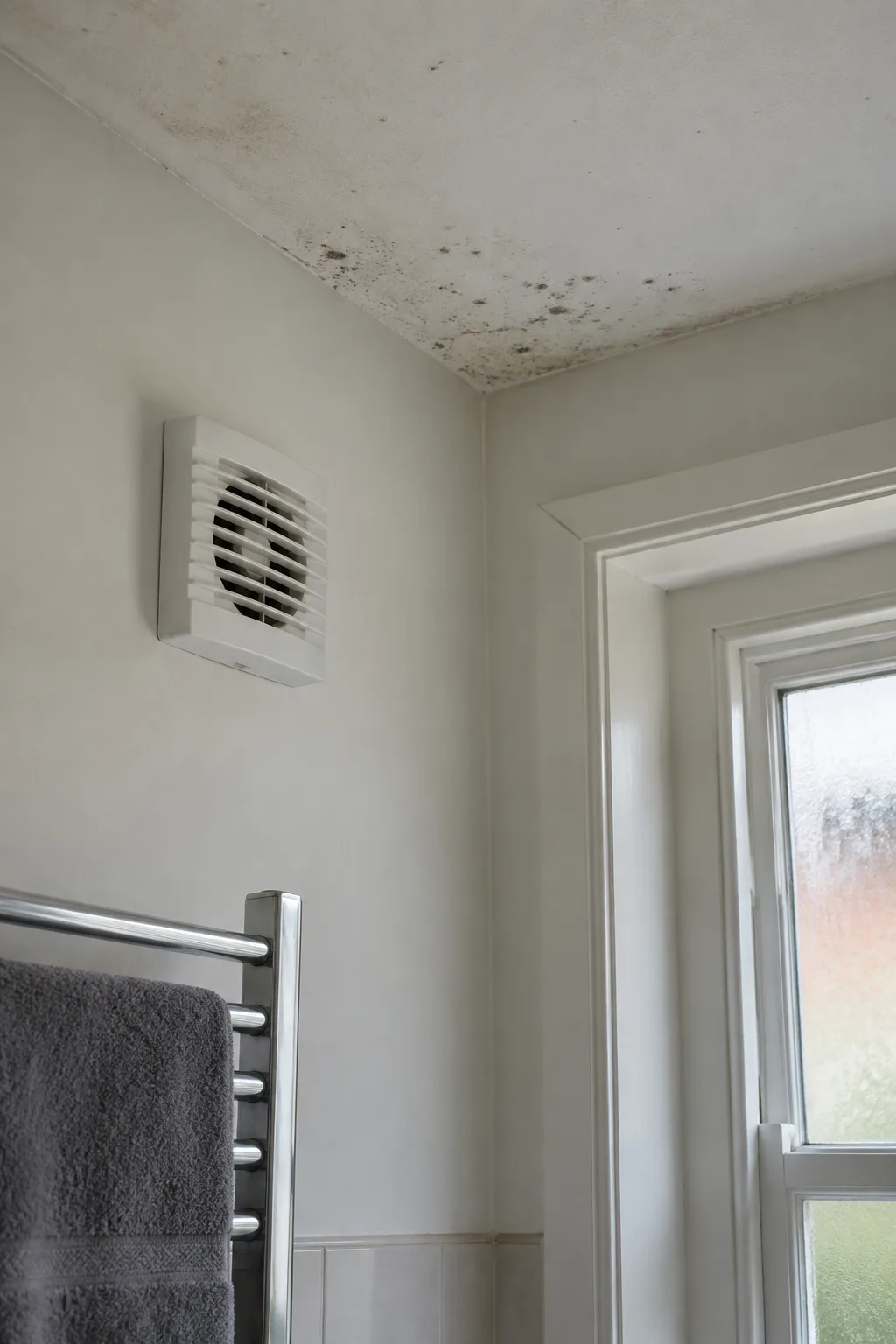
Plan treatment for the room after it is put back into use
Treatment of the returning bedroom growth should account for the affected material and the work needed to reduce renewed wetting. The plan may include a source repair, a relevant airflow measure or further checking. Ask which task follows from which finding before another finish conceals the original pattern.
After agreed work, compare the same corner with the bed and curtains in their intended arrangement. Keep the completed-work record and dated photographs. Improvement while the bedroom is temporarily cleared is only part of the picture; the follow-up needs to reflect how the room will actually be used.
PROPERTY & MOISTURE CHECKS
QUESTIONS BEFORE A VISIT
Useful questions
Why compare the room before and after the bed returned?
The arrangement and daily use may have changed several conditions. That sequence helps the inspection assess the wall without assuming the bed alone caused the mould.
Should the curtains be left as normal for the assessment?
Explain their usual position and photograph it. They may be opened for access, while that record preserves the conditions around the reveal when wetting occurs.
Does a clear wall in an empty room prove the source was fixed?
No. Heating, moisture production and airflow may differ during vacancy. The current surface and any documented repair still need considering together.
Do I have to move a heavy bed before booking?
Discuss access first. Photos of the original arrangement and a description of what can safely be reached help agree a useful inspection scope.
What should I record once the bedroom is refurnished again?
The same wall and reveal, any visible wetting and the work actually completed. Comparing those positions under ordinary use helps identify what remains unresolved.
Nearby areas
Check the returning corner in its everyday setting
Call about your Pimlico bedroom with the empty-room, decorating and furniture dates. We can discuss an inspection before another surface treatment.