DAMP & MOULD SPECIALIST
Damp and Mould Specialist Kennington
Mould beside a shower is not always just steam. We examine the accessible fittings, surrounding wall and the way the room clears moisture.
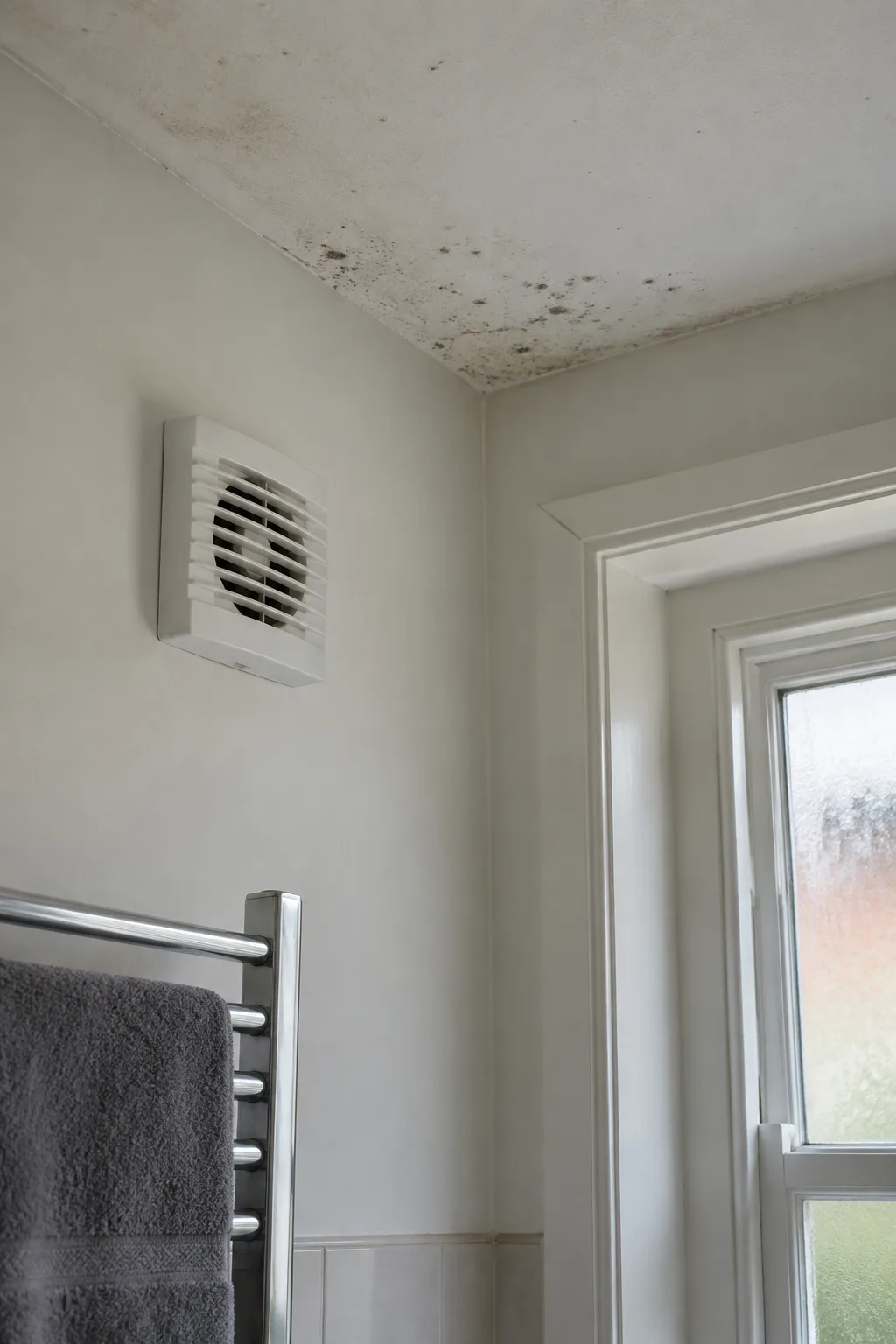
Water beside the shower needs a clear explanation
If a wall beside your Kennington shower stays damp, note where the wetting begins and when it changes. Record water seen at a seal separately from wall damp during non-use, and include ceiling or window moisture that appears after ordinary bathing. The position near bathing is relevant, but it should not settle the cause before inspection. A persistent patch outside the shower enclosure deserves more than another strip of silicone without an explanation.
Photograph the enclosure, adjoining wall and any damaged floor edge. Describe whether the patch grows after bathing or stays wet through periods of non-use. Include work recently done to the shower, pipework or tiling. If the surface has been repeatedly cleaned or coated, earlier photographs can help show the original pattern that current finishes conceal.
Check the fittings and steam removal together
Our bathroom moisture checks compare the visible enclosure joints and fitting areas with the reported wetting, then assess the room’s steam-clearance conditions. A ceiling with scattered spots may need different attention from a wet patch just beyond an enclosure. The inspection should compare those signs instead of treating every mark as the inevitable result of showering.
A condensation assessment may consider how moist air leaves and replacement air enters. Describe how long moisture remains after use and where it travels, so the fan’s operation can be assessed in the room’s wider airflow arrangement. Tell us if steam moves into an adjoining bedroom or if the room remains wet long after use. Those observations help put the accessible ventilation features in practical context.
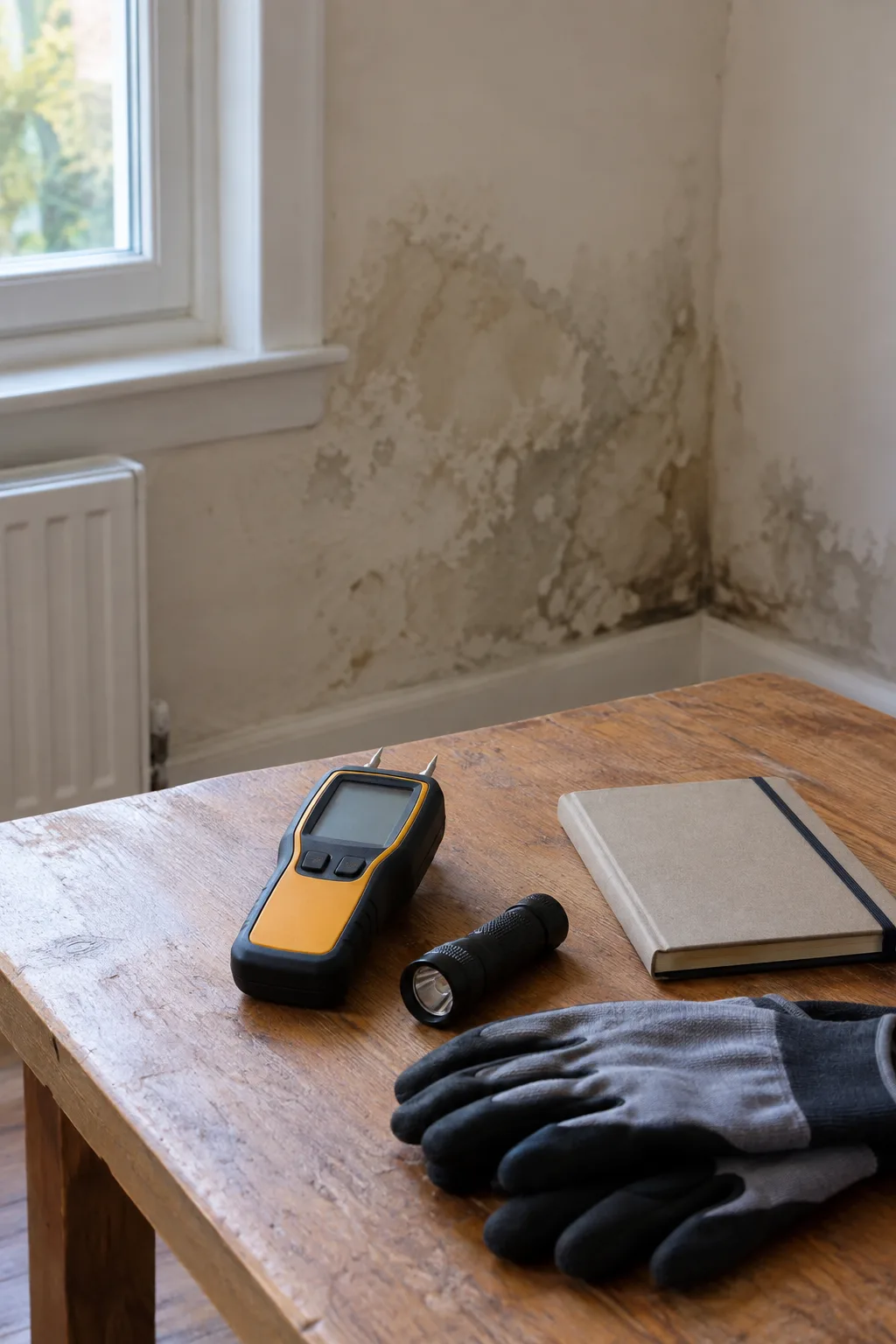
Identify the concealed connection that needs checking
Where the pattern suggests a hidden fitting, investigation of concealed water sources helps guide attention. Measurements and observations may narrow the area, but they do not guarantee a diagnosis through every tiled wall. We explain where access prevents confirmation and what additional checking would answer the question. If the fitting central to the concern is concealed, discuss which access would help confirm its condition before committing to the next repair.
A wider wall moisture investigation compares the affected finish with adjoining accessible surfaces. Materials and coatings influence readings, and a stain may remain after water has stopped. Tell us about damp on the other side of the wall if that area is accessible. Its position may help interpret the route without proving the source on its own.
Replace a finish for the right reason
Damaged silicone may need attention, but replacing it should not stand in for checking a concealed source or the room’s moisture balance. Ask what the proposed task addresses and which evidence supports it. If mould needs surface treatment, discuss the affected material and any moisture work required alongside it. Keep any remaining wall patch in the review after joint work, especially where the concealed material or another fitting still needs checking.
Keep access and history straightforward
Clear movable items from the affected area and tell us about panels or surfaces that cannot be accessed. Do not remove tiles merely as preparation. Existing drawings or photographs of earlier fitting work may be helpful, especially where the installation is now sealed. A precise repair record is more useful than saying the shower was checked without explaining what that involved.
Observe the original patch after work
After agreed repairs and treatment, note how the wall behaves through ordinary shower use and periods without use. Preserve any renewed stain before applying another coating. If one symptom improves but another remains, report both; improved ventilation may clear ceiling moisture without settling a fitting leak. Report changes to each symptom separately so the follow-up can concentrate on the fitting or room-moisture question that remains.
For a flat, confirm access to any adjoining room or property needed for further checks. The initial inspection may have limits where the opposite side of the construction cannot be reached. Recording those limits helps plan a useful next visit and avoids treating an unavailable area as though it had been examined and ruled out.
If the shower is used as well as the bath, keep those activities separate in the timing record. Water escaping during shower use may behave differently from wetting associated with a filling or draining bath. A useful account describes the observed change without turning the sequence into an unsupported diagnosis.
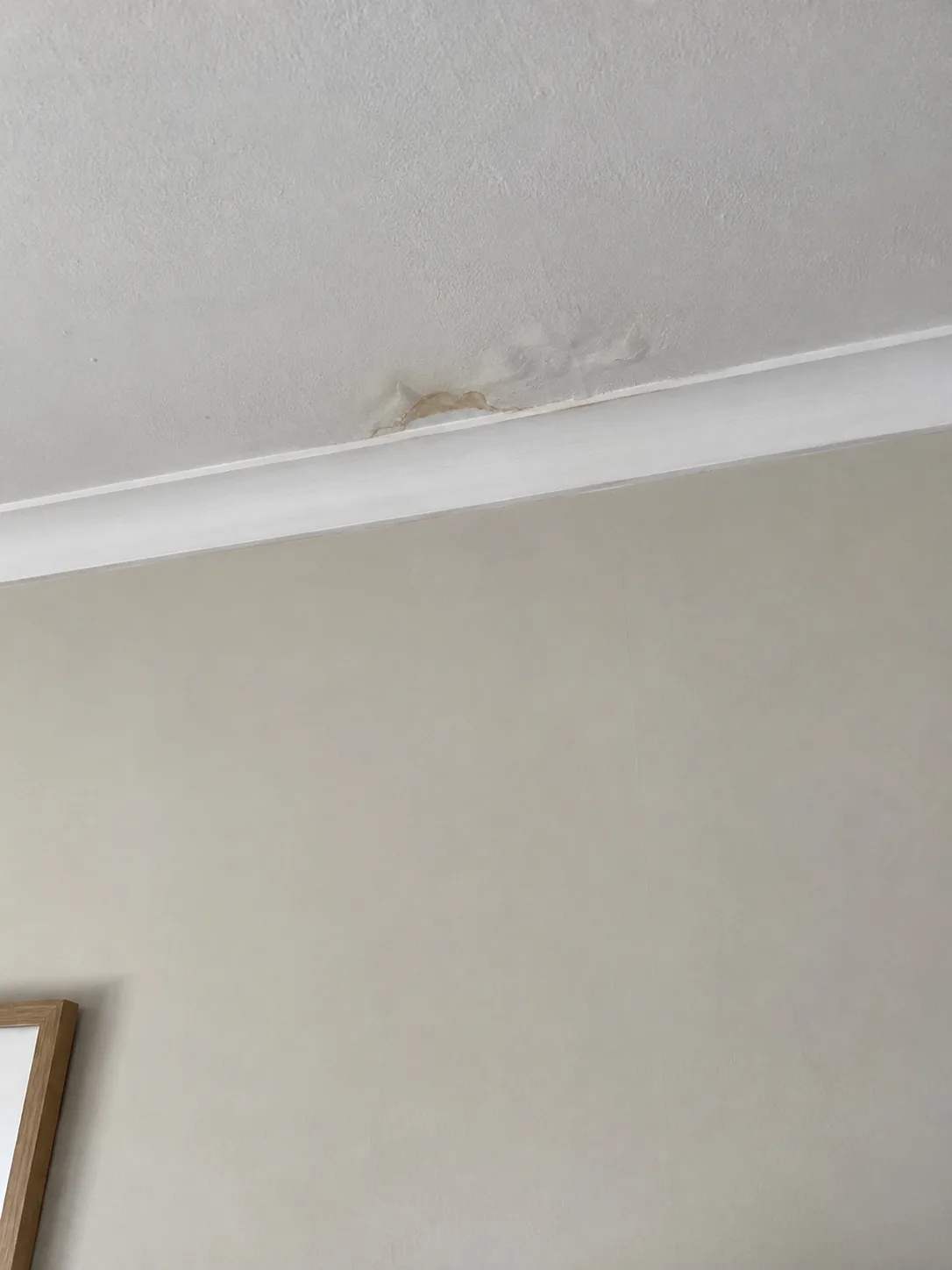
PROPERTY & MOISTURE CHECKS
QUESTIONS BEFORE A VISIT
Useful questions
Does damp outside the enclosure mean the silicone failed?
It is one possibility, but concealed fittings and condensation may also be relevant. The source needs assessment before deciding which repair addresses the wetting.
Why inspect the wall on the other side?
Its condition may help interpret the moisture route. Access and layout determine whether that comparison is possible, and the findings should state any limitations.
Should tiles be removed before the visit?
Discuss the inspection first and preserve the current condition in photographs. Existing repair records and room-side checks can help identify a useful opening if concealed confirmation is needed.
Can improved extraction fix a leaking fitting?
No. It may improve condensation conditions, while a fitting leak needs an appropriate repair. Both contributions can exist and should be addressed separately.
What if the patch remains during a holiday?
Mention the period of non-use and its condition on return. That history is useful when investigating a source beyond moisture released during bathing.
Nearby areas
Get the shower-side wetting investigated
Call about your Kennington bathroom and describe the affected wall and timing. We can discuss accessible checks and further investigation.