DAMP & MOULD SPECIALIST
Damp and Mould Specialist Southwark
Closed blinds can hide the first signs of repeated wetting. Open up the view, record the affected materials and investigate the window area before buying another set.
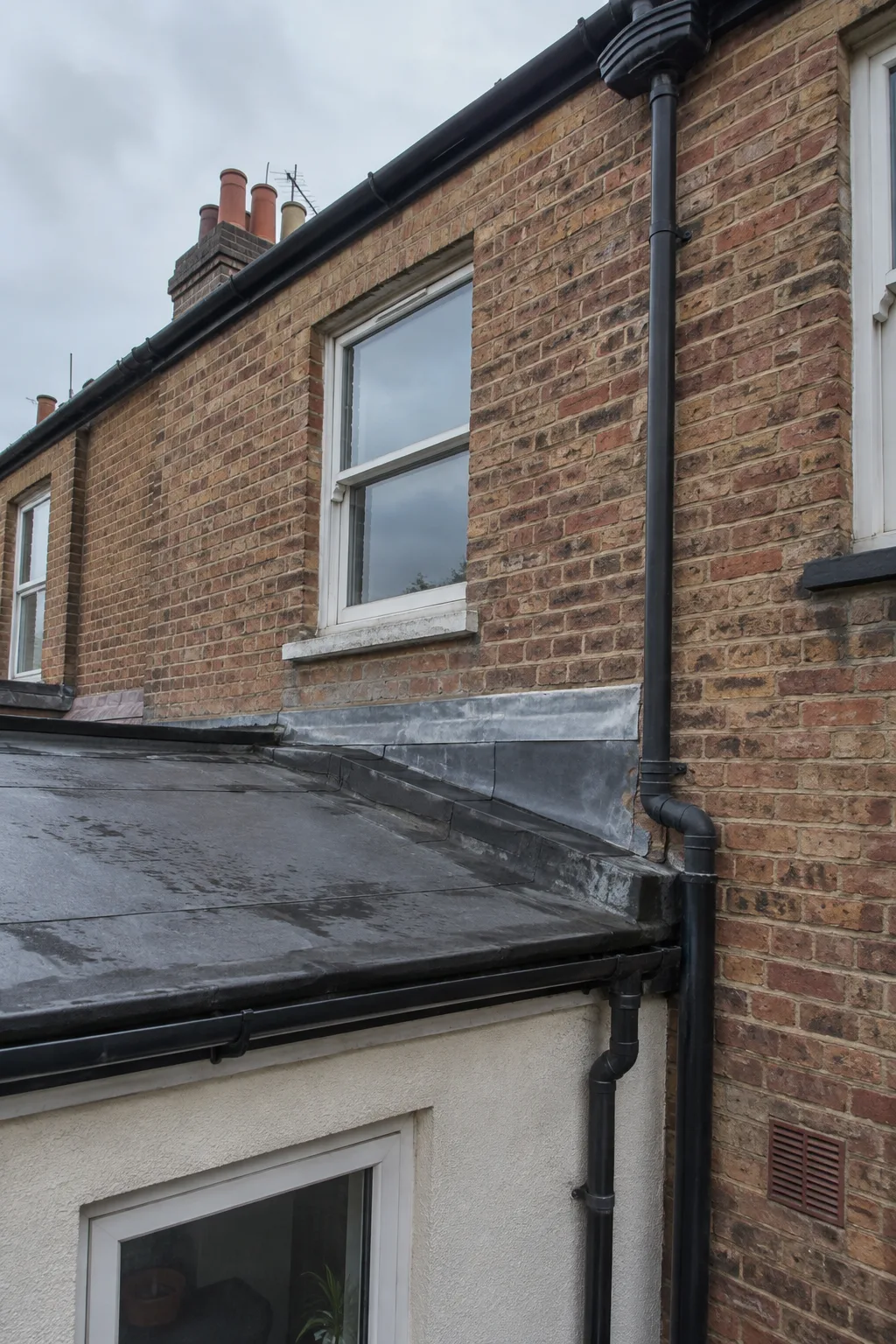
Look beyond the fabric or blind slats
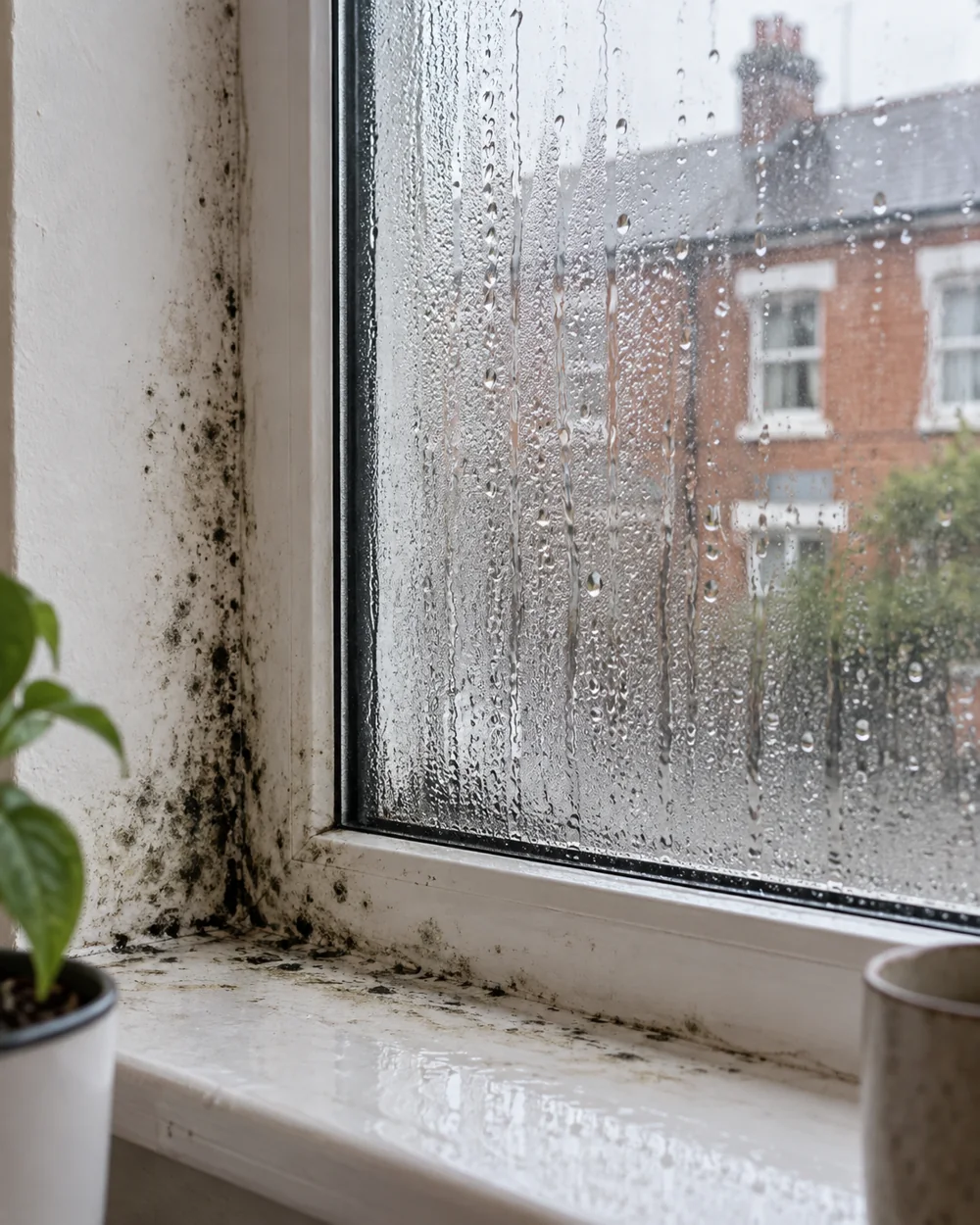
If you find mould behind blinds at your Southwark property, show the frame, glass, sill and wall reveal as well as the blind. Record where water appears and which materials are marked. Growth on a lining or wall may have a different treatment question from marks on the window assembly. The location should be clear before the assessment is scoped.
A window-area mould assessment can consider the pattern and cold surfaces. Describe how the blinds are normally used, including whether they stay closed during the day. Opening them for the visit changes local airflow, so photographs of the original arrangement can preserve useful context.
Replacing the blind does not answer why it became wet
A new blind changes an item in the room, but not necessarily the moisture conditions at the opening. Cleaning or replacement may be relevant to its condition. Confirm the treatment scope and identify which furnishing or building surfaces need separate consideration. The source question remains separate: what repeatedly wets the glass, reveal or adjacent surface?
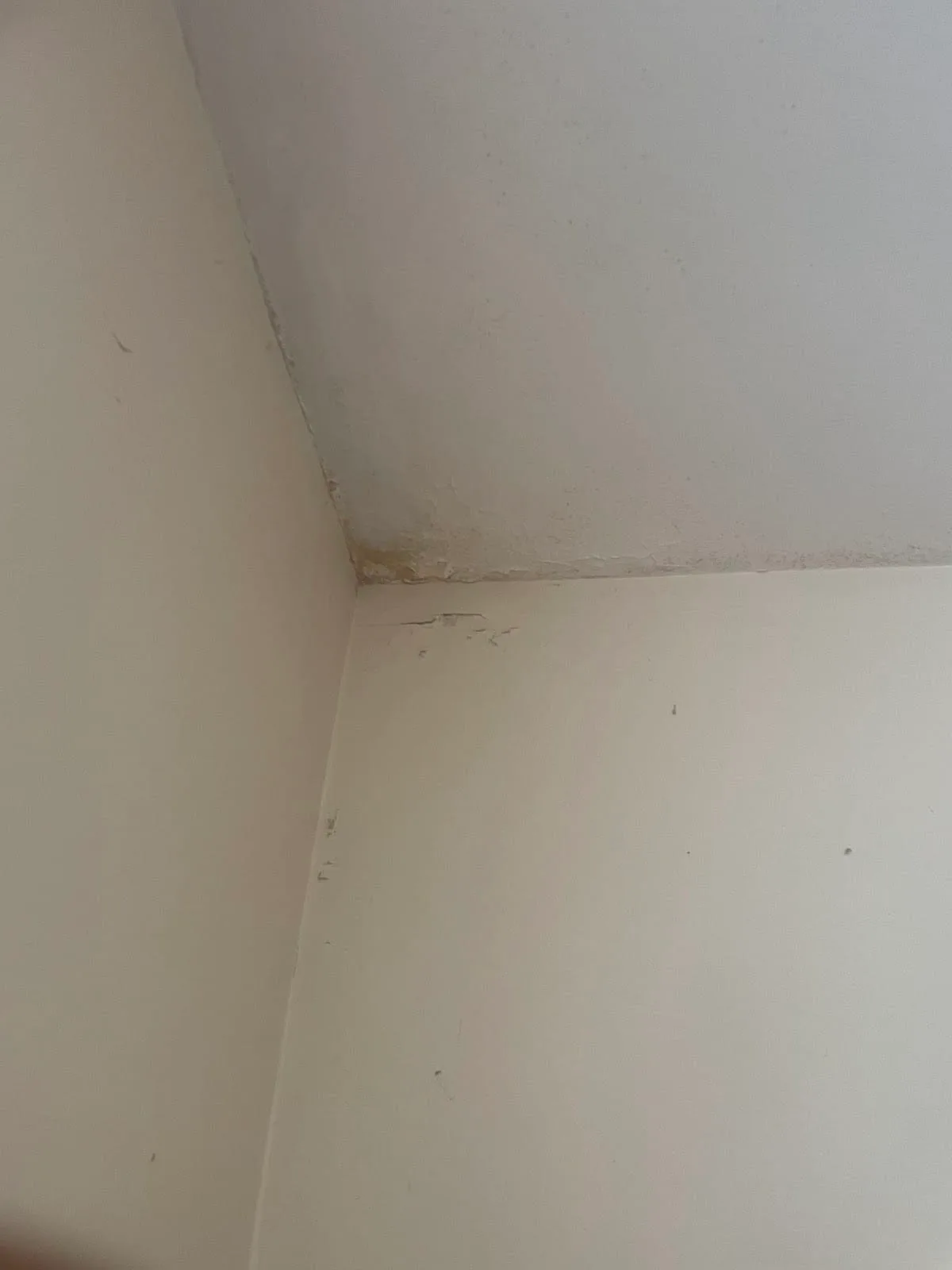
Treatment of affected window-side surfaces can be considered after the material condition is assessed. Where paint is lifting or the reveal is damaged, preparation may involve more than removing visible spots. A fresh painted face can conceal the pattern without demonstrating that condensation or outside entry has changed.
Moisture can collect in the enclosed window space
Blinds and curtains can restrict circulation near cooler glass and reveals. Indoor moisture may then settle in a space that receives less air movement than the room. A review of ventilation around the window considers that arrangement, heating and moisture production. The explanation should not rest on the blind alone.
Tell us if the rest of the room stays clear or if mould also forms behind furniture. A wider pattern may point to room conditions, while one distinct stain could require another source check. The inspection can compare affected and nearby surfaces. Observations from the middle of the room cannot establish the condition behind a closed blind by themselves.
Separate morning condensation from rain-related marks
Wet glass after a night with closed blinds provides different information from a wall patch changing after rain. Keep those observations separate. Checks for water entry around the opening may be useful where weather-related symptoms or an external detail warrant investigation. The indoor stain does not identify the exact entry point.
If the frame was repaired or replaced, share the dates and scope. New work does not rule out condensation, and its timing does not prove a defect. Avoid removing trims or outside seals to gather evidence. Any closer access should answer a specific question and be agreed with the relevant contractor or property contact.
Make a realistic window plan
Explain if privacy requires the blinds to stay closed or if the room is used for sleeping. Discuss measures that fit that normal arrangement, identifying what is intended to change airflow, reduce repeated wetting or address a supported building defect. Ask which finding supports each proposal before replacing a furnishing or window solely because its nearby surface is marked.
Keep photographs of the reveal before and after agreed work. Ask which surface changes should prompt another call and what remains uncertain. If mould returns, describe the exact marked surface, wetting pattern and any changed conditions. That gives the next enquiry useful window-area evidence. A record of the treatment and source measures makes it easier to decide what still needs investigation.
A window-side cabinet can affect the same local air space as a blind, so include nearby furniture in your photographs. If the opening is difficult to reach, explain that before the visit. The preparation and proposed surface work should reflect the real access, particularly where a fixed sill or fitted unit prevents a complete view of the lower reveal.
PROPERTY & MOISTURE CHECKS
QUESTIONS BEFORE A VISIT
Useful questions
Do the blinds cause the mould?
They can influence local airflow, but the moisture supply and surface conditions need consideration. Outside water or another source should also be checked where the signs fit.
Should I take the blinds down first?
Discuss access and keep photographs of their usual position. Removing a simple item may improve visibility, but fixed fittings should not be disturbed without an appropriate arrangement.
Why is the glass wet but the room feels warm?
The glass and reveal can be cooler than the room air. Temperature differences, moisture and ventilation interact, so warmth elsewhere does not prove those surfaces remain dry.
Will wall treatment include the blind itself?
Confirm the proposed scope. Different materials need consideration, and a wall-treatment booking should not be assumed to include every furnishing near the affected opening.
Should I buy replacement windows?
Only after the cause and relevant condition are assessed. A replacement may not address the ventilation or another water-entry detail that explains the marks.
Nearby areas
Understand the window space before replacing its fittings
Call about the Southwark opening with the wetting pattern and affected materials. Mention how the blinds are normally used so the assessment can reflect the real room.