DAMP & MOULD SPECIALIST
Damp and Mould Specialist Stockwell
A bathroom without a window relies on its ventilation arrangement. We check how moisture leaves the room and whether a separate water source is contributing.
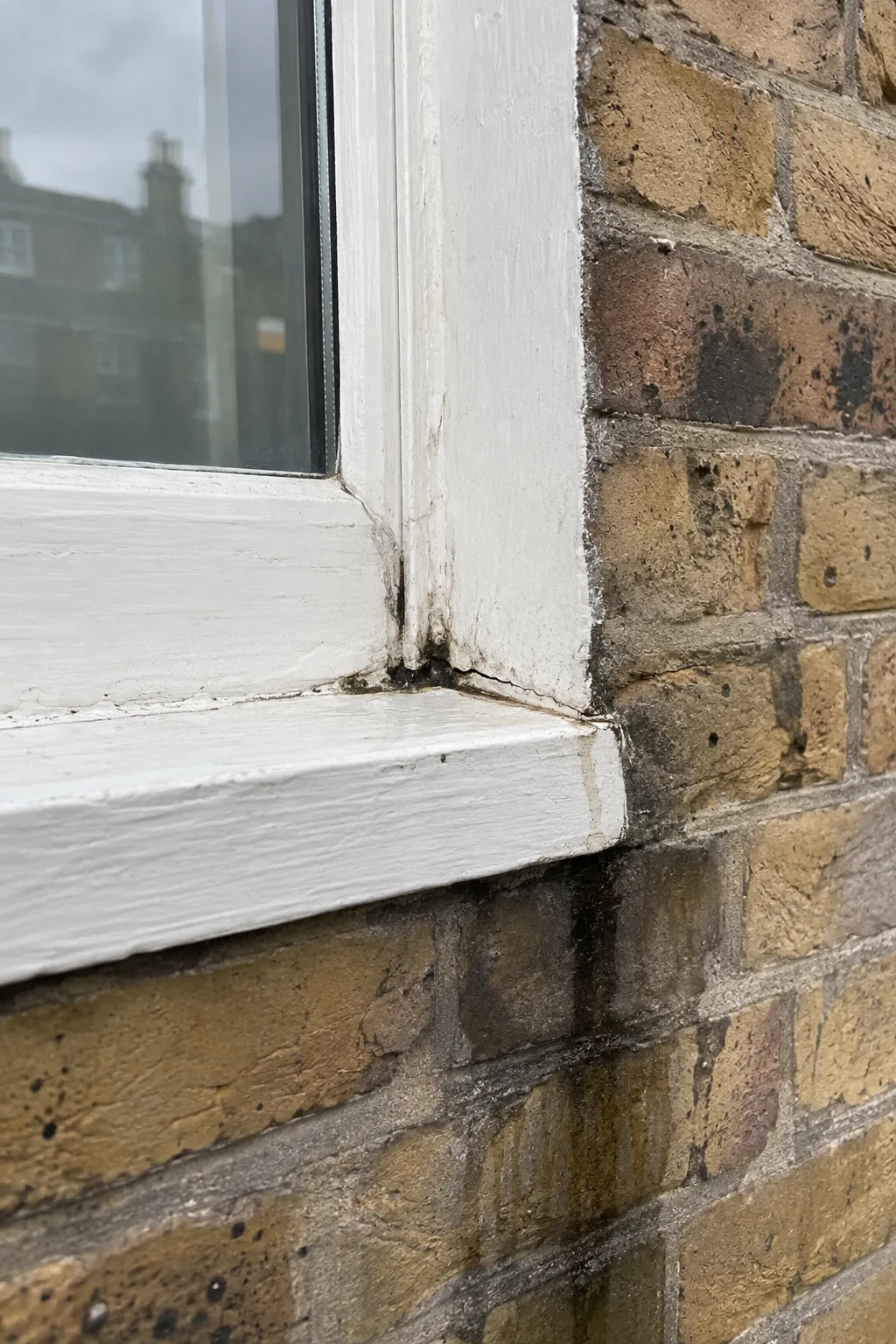
The internal bathroom has a defined air route
If your Stockwell flat has a bathroom away from an outside wall, it may depend on a ducted extractor to remove moisture. A fan that starts when the light comes on is not proof that the whole route works effectively. The position of the outlet, restrictions and available replacement air matter. At the same time, a leak can affect the room regardless of how well it is ventilated.
Tell us whether the extractor has changed, whether it continues after the light goes off and what access exists to the duct or grille. Do not dismantle shared ventilation equipment. In a managed building, information from the responsible manager may be needed where the route leaves the flat or serves other spaces.
If the extractor is controlled from outside the bathroom, mention that arrangement and any difficulty identifying its settings. Tell us where those controls sit and how they are normally operated, alongside any information about the duct route. That gives the inspection a practical account of the available ventilation.
Watch how the room dries after bathing
Record where droplets remain and whether the ceiling, door edge or wall corners develop recurring marks. Note moisture that continues when the bathroom has not been used. These observations help select the relevant fitting, airflow or surface check, with confirmation depending on what can be inspected. Photos taken after ordinary use may show conditions absent during the inspection.
Assessing bathroom fittings and steam-related wetting brings accessible leak checks into the same enquiry. A damp area around a bath panel should not be dismissed as steam simply because the room lacks a window.
Air needs a way into the room too
Extraction relies on air entering as air leaves. The normal door position and available air path are relevant, along with the fan and duct. We ask how the room is ordinarily used so the assessment reflects real conditions. The recommendations should explain how the door and extraction arrangement influence wetting in this bathroom and any adjacent room.
A check of extraction and replacement airflow can help explain why the room stays wet. Concealed ducts may limit what can be confirmed. The findings should distinguish an accessible restriction from a suspected issue farther along a route that was not inspected.
Check for a second source behind the surfaces
A plumbing leak, damaged joint or moisture from another room can coexist with ineffective ventilation. We inspect accessible fittings and compare moisture patterns with the damage. The material being tested matters, and a meter reading cannot name a concealed leaking connection. Recent bathroom work and previous repairs help frame the investigation.
Where the evidence points behind a panel or lining, investigating the concealed water route may be appropriate. Further access should have a defined purpose and be agreed before surfaces are opened. We explain any part of the source that remains unconfirmed.
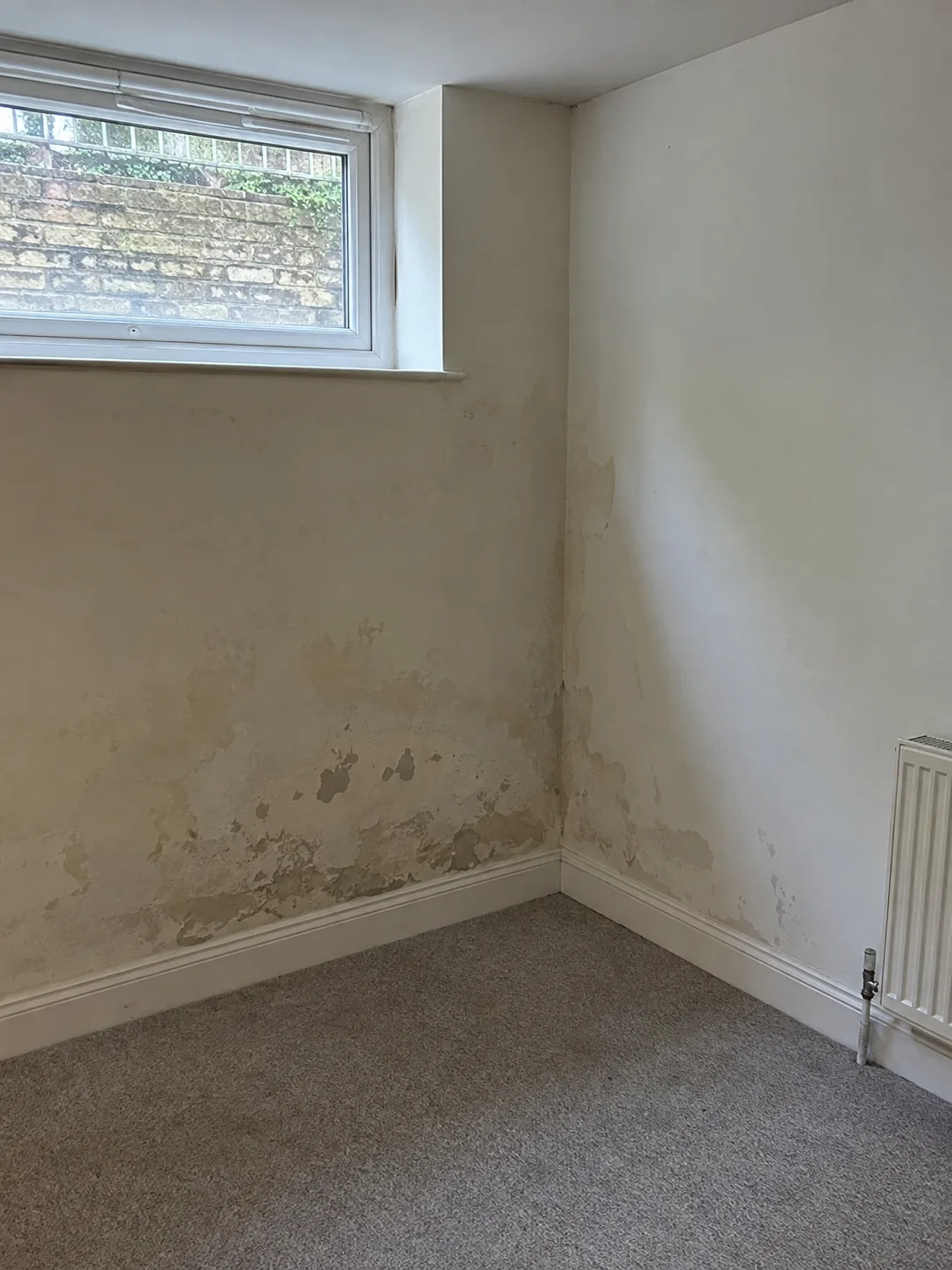
Treat growth after considering the recurring wetting
Bathroom mould treatment should consider the affected material and the extent of accessible growth. It does not unblock a duct or repair a fitting. The plan needs to identify those separate actions if the findings support them. Repeating surface cleaning while the room stays wet may leave the same conditions in place.
Before finishing work, assess damaged paint, plaster and joints in their own right. A clean ceiling and a still-damp wall backing are different issues. Record what was treated, what source work was completed and whether concealed materials need further consideration before panels or decoration return.
Bring the ventilation history into the conversation
The building manager may hold records of shared extraction maintenance, while the occupant can describe day-to-day wetting. Both can be useful. If you rent, establish who can authorise investigation and repairs before arranging invasive access. A clear account of the symptoms, normal fan operation and any recent changes helps us define a first assessment that answers the relevant property questions.
Do not assume that adding another fan is the immediate answer. The existing route and the reason for poor moisture removal should be understood before equipment changes are considered.
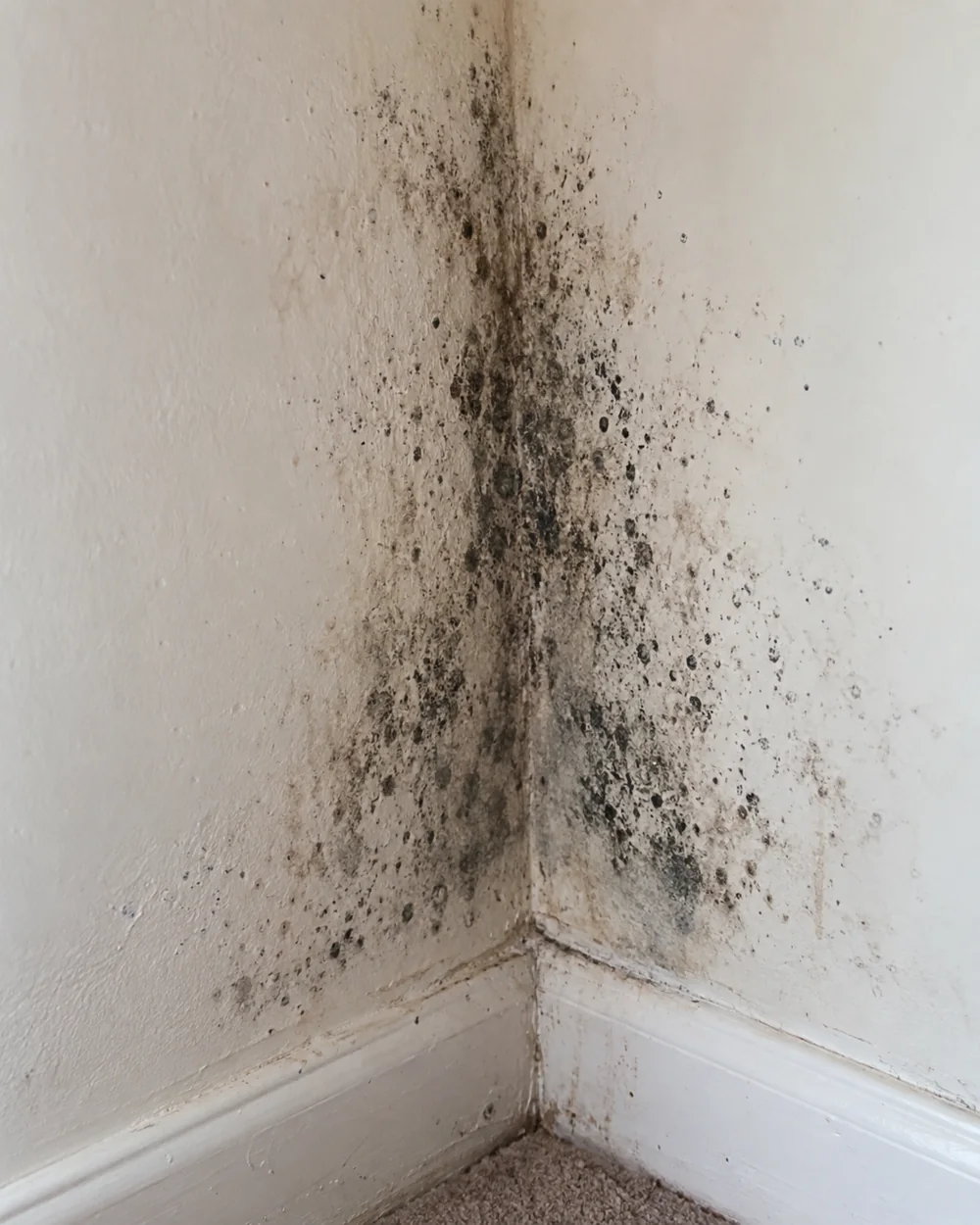
PROPERTY & MOISTURE CHECKS
QUESTIONS BEFORE A VISIT
Useful questions
Does a windowless bathroom inevitably get mould?
No. Its moisture removal and surface conditions need assessing. The lack of a window does not by itself explain recurring growth.
Why check the door as well as the extractor?
Air must enter while extraction removes it. The available route and normal door arrangement can affect how the ventilation works.
Can a noisy fan still be ineffective?
Yes. The motor may run while airflow is restricted elsewhere. The accessible route and ventilation arrangement need checking to understand the room’s moisture removal.
Who should inspect shared ducting?
Discuss access and maintenance with the building manager. An inspection inside the flat may not establish the condition of the whole shared route.
Could a leak be present as well as steam?
Yes. Check accessible fittings and persistent wet areas alongside the condensation pattern, so a separate plumbing concern receives its own attention.
Nearby areas
Get the internal bathroom assessed
Call about your Stockwell flat with the fan arrangement, wet locations and any building ventilation information. We can discuss the checks needed.