DAMP & MOULD SPECIALIST
Damp and Mould Specialist Earls Court
The earlier recommendations were acted on, but mould has been reported again. Compare the original findings, completed work and present symptoms to identify the next useful check.
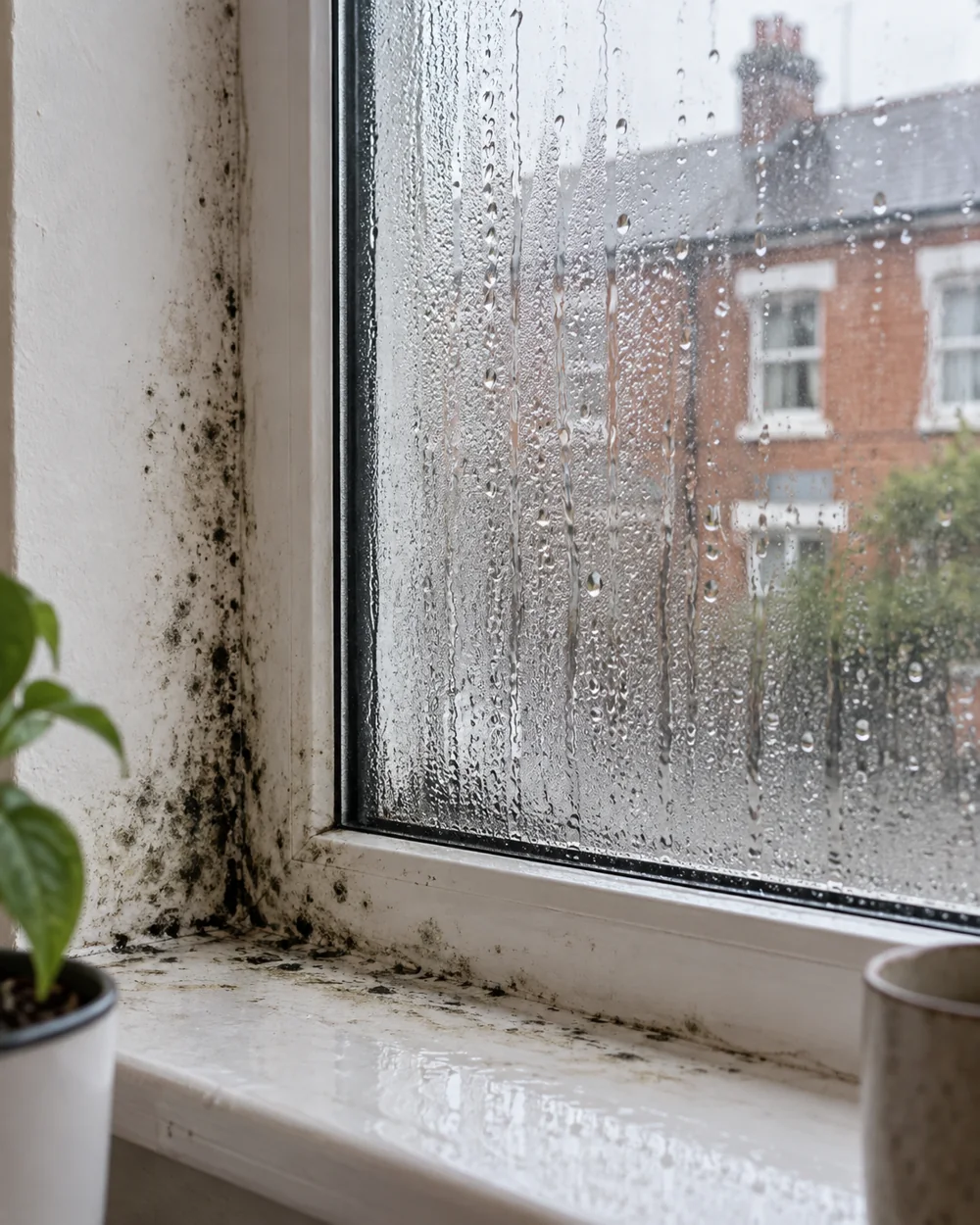
A returning complaint needs a fresh look at the evidence
For an Earls Court rental where mould returns after work recommended in a previous assessment, gather that report and the actual repair records. Identify the rooms examined, conclusions supported and limits noted at the time. List which measures were completed and what changed afterwards. A new photograph shows the current concern; the earlier findings and work scope help the inspection explain which question now needs revisiting.
Ask the occupant when the problem is most apparent and which rooms have changed. Keep that account alongside photographs without turning it into a verdict about responsibility. A landlord may know the repair history while the person living there knows when windows become wet or a wall starts smelling musty. Both accounts are useful when the inspection starts.
Agree access and the purpose of the report
A damp and mould report for a rental property should have an agreed scope. Explain the intended use: repair planning, a record of condition or questions arising from a previous assessment. Identify the affected rooms and any areas that cannot be accessed. The report should name any concealed area relevant to the complaint and explain the question that remains there.
Arrange the visit with the occupant and identify who can authorise any later work. Clear routes to windows, wall corners and relevant fittings make the assessment more useful. If furniture cannot be moved, say so beforehand. Do not ask the tenant to cover or strip the damage as preparation; earlier photographs and the present surface condition help establish the sequence.
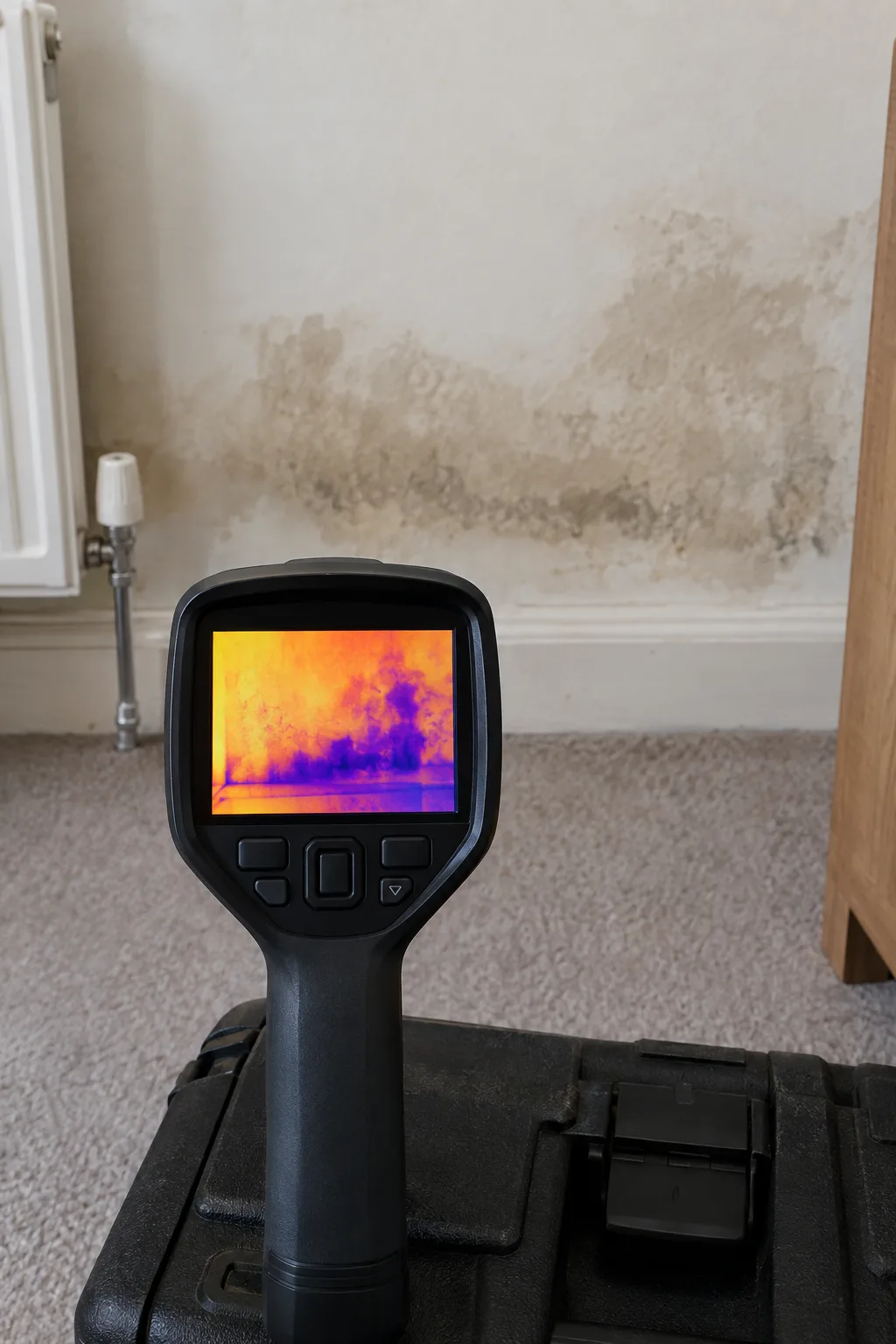
Separate the symptoms that may have different causes
A property moisture investigation connects the tenant’s account with the present wall condition, taking readings at the reported patch and relevant surrounding material. Peeling plaster on one wall and fine mould spots on another may not have the same explanation. The report should avoid applying one convenient label to all visible damage. If the source remains uncertain, the next investigation should have a clear purpose: which route needs checking and what evidence would help confirm it.
Recurring moisture on glass or behind furniture may call for a ventilation assessment. We consider moisture production, air movement and cool surfaces together. Everyday activities belong in that assessment, but so do the building and its ventilation provision. A room can have condensation alongside a separate leak, so improvement in one sign does not prove every cause is resolved.
Do not overlook repairs beyond the affected room
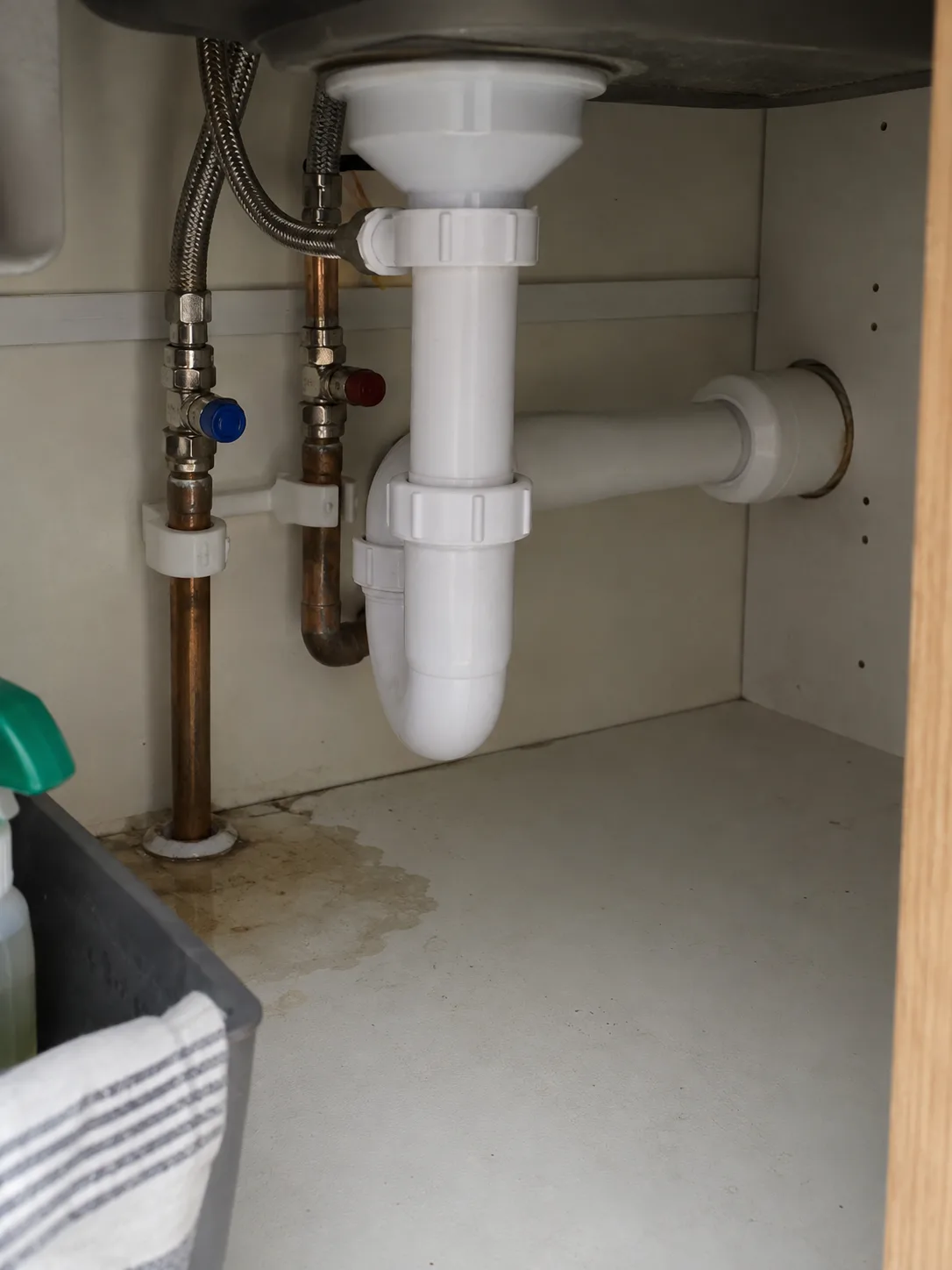
A stain that follows rainfall may need checks of external water routes, with the landlord arranging access to the relevant shared or high-level feature where required. Persistent damp near a plumbing route may need a different investigation. Share repair records from the building manager or relevant contractor where available. A note saying ‘looked at’ is less useful than a clear description of what was inspected, found and repaired.
Turn the findings into a workable sequence
Discuss mould treatment alongside any repair or ventilation recommendation. The occupant should know which room needs access and what will happen next. Avoid promising that another surface clean will settle the complaint before the moisture source has been addressed. If work is carried out in stages, keep a dated record of each task and the reason for doing it.
Review the room after the work, not only the invoice
A completed invoice confirms work took place; it does not show how the room now behaves. Compare the earlier symptoms under normal occupation and relevant weather conditions. Ask whether wet glass, staining or growth has returned, and keep photographs that show the same view. Photograph a new pattern and provide it with the earlier work record so the next visit can investigate what has changed.
Include any differences between visits in the record. A room may have been empty during a previous assessment, or furniture may have covered the affected corner. Those changes can affect what was visible and how the room behaved. Recording them helps the new inspection build on earlier evidence instead of treating each complaint as an unrelated event.
PROPERTY & MOISTURE CHECKS
QUESTIONS BEFORE A VISIT
Useful questions
Can the tenant give their account during the inspection?
Yes. Their observations can explain timing and room conditions that are not visible during a single visit. Arrange attendance and access with them beforehand.
Will the report decide who caused the mould?
It records findings and relevant conditions. It should not be treated as an automatic decision about legal responsibility or as a substitute for appropriate legal advice.
How should a repeat inspection use the earlier condensation report?
Share the report, its access limits and the work completed afterwards. Compare the original symptoms with those remaining now, so the new assessment can identify an incomplete measure, changed condition or separate source requiring attention.
Should the tenant clean before the visit?
Photographs and accessible affected surfaces are useful. Discuss preparation when booking; avoid covering the evidence with new paint simply to make the room look better.
How do I record whether repairs helped?
Keep dates, work descriptions and photographs of the same areas. Include changes in rainfall or room use so improvement can be considered in context.
Nearby areas
Plan the response to the repeat complaint
Call about the Earls Court property and explain what has already been done. We can discuss access, assessment and reporting.